
Blog
Why Battery Backup Power Is More Important Than Ever: A Complete Guide for Modern Households & Businesses
2025-11-16 | Calvin
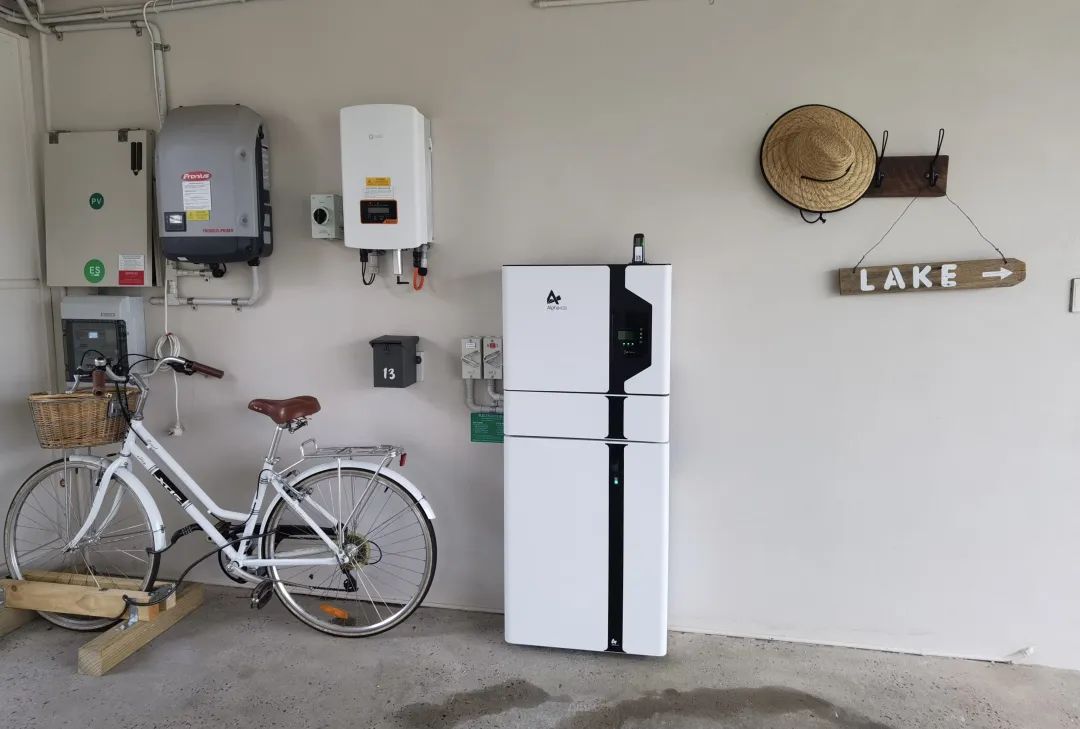
Unexpected power outages are becoming increasingly common around the world. From extreme weather events to grid instability, millions of people continue to face inconvenient—and sometimes dangerous—loss of electricity. A battery backup system has become one of the most reliable and cost-effective ways to stay powered during an outage.
Whether you’re protecting a family home, running a small business, or managing critical equipment, understanding the role of battery backup power can help you make smarter, safer decisions.
What Is a Battery Backup?
A battery backup (also known as a backup power system or home energy storage system) is a rechargeable battery that automatically supplies electricity when the main power grid fails.
Today’s most common battery technologies include:
- LiFePO4 (Lithium Iron Phosphate) – Highly stable, long lifespan, and ideal for home or commercial use
- Lithium-ion – High energy density and widely used in portable power stations
- Lead-acid – Lower cost but heavier and shorter lifespan
When grid power is interrupted—whether due to storm damage, equipment failure, or planned maintenance—the battery backup system instantly powers your essential appliances, ensuring minimal disruption.
Why Battery Backup Power Matters
Electricity is deeply integrated into every aspect of modern life. From essential home appliances to critical infrastructure, our daily routines depend on a stable power supply.
1. Powering Essential Home Devices
Most households rely heavily on electricity for:
- Lighting
- Refrigerators and freezers
- Induction cookers and microwaves
- Heating and cooling systems
- Phones, computers, and Wi-Fi routers
Without backup power, a sudden outage can quickly lead to food spoilage, disrupted workflow, and loss of communication.
2. Supporting Critical Infrastructure
In commercial and public sectors, power reliability is even more crucial:
- Hospitals depend on uninterrupted power for life-support machines and surgical equipment
- Data centers and corporate networks must stay online to avoid outages and data loss
- Manufacturing facilities risk equipment damage and costly downtime
- Government agencies require continuous power for emergency operations
A report by the U.S. Department of Energy notes that power outages cost American businesses over $150 billion annually—a major reason why more enterprises are adopting battery backup systems for resilience.
3. Preventing Damage From Sudden Power Loss
A high-quality battery backup doesn’t just keep lights on—it also protects sensitive electronics from:
- Voltage drops
- Surge damage when power is restored
- Abrupt shutdowns that can corrupt data or damage components
Advanced systems detect outages within milliseconds, switching over so seamlessly that users often never notice the power interruption.
4. Enhancing Emergency Preparedness
With extreme weather events rising globally, reliable backup power is no longer a luxury. According to multiple climate studies, storms, heatwaves, and natural disasters are increasing in both frequency and severity—making grid instability more common.
A battery backup ensures that even in a blackout, your family can:
- Charge phones
- Use medical devices
- Keep refrigeration running
- Stay connected for emergency updates
How Does a Battery Backup System Work?
A professional battery backup—often integrated with an inverter or home power station—operates automatically:
- Monitors grid status continuously
- Detects a power outage instantly
- Switches to battery supply within milliseconds
- Keeps essential equipment running without interruption
Self-assembled or DIY battery packs may require manual switching and often cannot react quickly enough to prevent device shutdowns. For safety and reliability—especially in households with children or elderly residents—a certified battery backup system is strongly recommended.
Why LiFePO4 Batteries Are the Best Choice
When selecting a backup battery, LiFePO4 technology stands out for several key reasons:
- Extremely safe and thermally stable
- Long lifespan—typically 3,000–6,000 charge cycles (10+ years of use)
- Fast charging capability
- Eco-friendly and non-toxic materials
Safety is especially important when installing a long-term power system in your home. LiFePO4 batteries are widely considered one of the safest storage solutions available.
Is a Battery Backup Worth the Investment?
While a backup power system requires an upfront investment, the long-term benefits are significant:
- Prevents food spoilage, equipment damage, and lost productivity
- Protects essential medical or life-support devices
- Avoids costly downtime for businesses
- Provides peace of mind during emergencies
Even a small-capacity battery backup can keep lights, phones, and Wi-Fi running—saving you from stress and inconvenience. Larger systems can power refrigerators, appliances, and even full home circuits.
And of course, when your neighbors sit in the dark during a blackout, you’ll still be enjoying your evening—maybe even streaming Netflix with a cold drink.
Conclusion
In a world facing increasingly unpredictable weather and aging grid infrastructure, a battery backup system has become an essential part of modern living. Whether you live in an outage-prone area or simply want peace of mind, investing in dependable backup power can protect your home, business, and well-being.
- Next:Why Does LiFePO4 Battery Capacity Decline Over Time?
- Previous:Tesla Battery Types: A Simple Guide for Model S, 3, X, and Y
Contact Details
Lithium LiFePO4 Batteries and Lithium LiFePO4 Cells Supplier - LiFePO4 Battery Shop
Contact Person: Miss. Elena Wang
WhatsApp : +8615263269227
Skype : +8615263269227
WeChat :15263269227
Email : info@lifepo4batteryshop.com
All Products
- A123 Battery (5)
- Sinopoly Battery (7)
- GBS Battery (16)
- CALB Battery (22)
- Cylindrical Cell (3)
- Energy Storage System (0)
- Battery Management System (2)
- Sodium ion Battery Cell (3)
- Lithium Titanate Battery (16)
- Ternary Lithium Battery Cell (11)
- REPT Battery (8)
- BYD Battery (2)
- CATL Battery (14)
- Thunder Sky Winston Battery (21)
- EVE Battery (29)
- LiFePO4 Battery Cell (4)
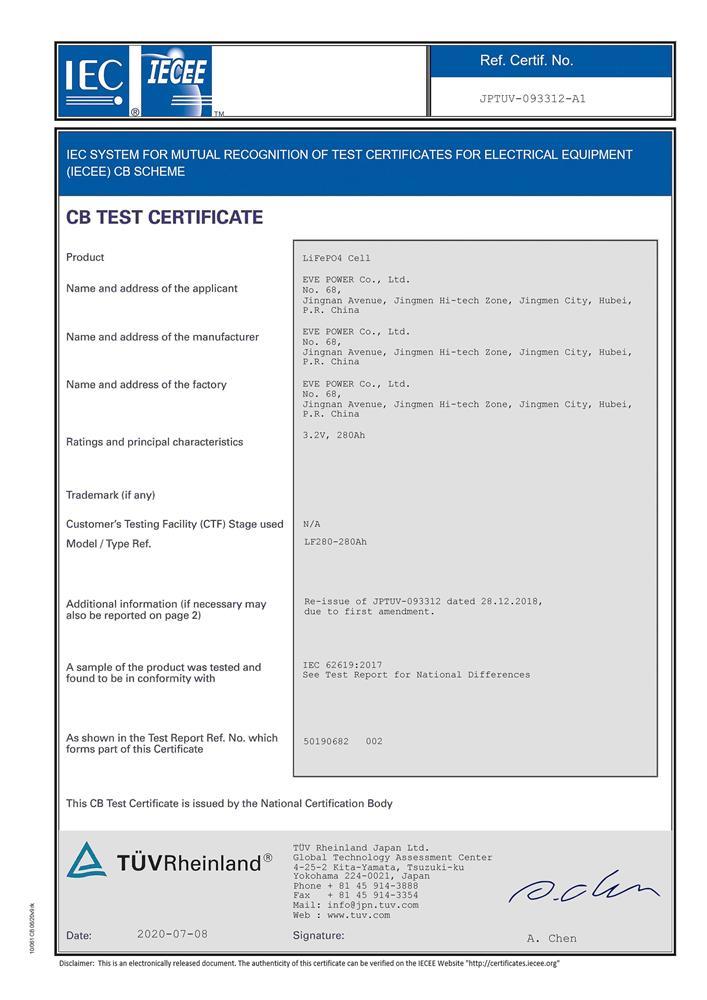
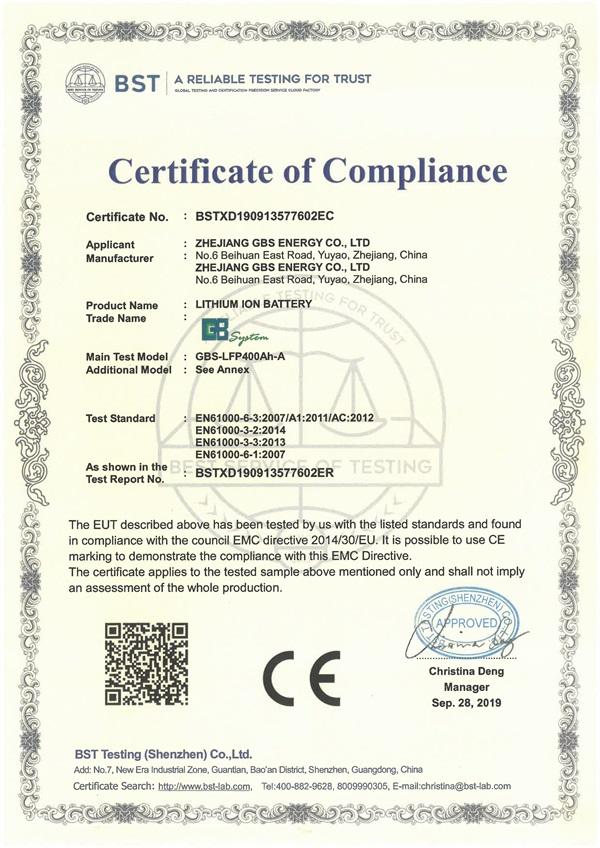
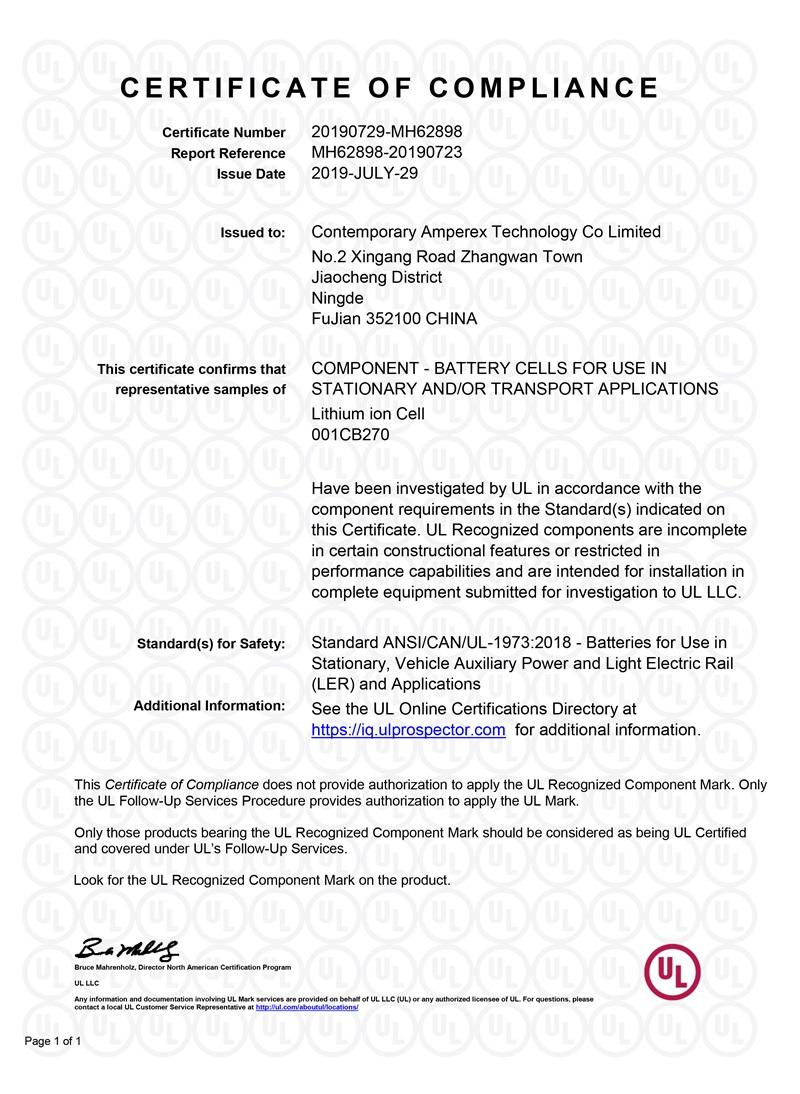
Certification
Customer Reviews
- I have fond memories of our meeting in Shanghai with LiFePO4 Battery Shop Elena. Your company left a strong impression on me with its impressive growth and professionalism. We both value straightforwardness and honesty, which I believe are the most important qualities in any partnership. I am confident that we can build a successful collaboration based on these shared values. —— Robert from USA
- I've been working with LiFePO4 Battery Shop for years, and their reliability is unmatched. While other suppliers frequently change sales teams, LiFePO4 Battery Shop has consistently provided exceptional service with a stable team. Their commitment to quality and customer support truly sets them apart. —— Henry from Australia