
Blog
Why Does LiFePO4 Battery Capacity Decline Over Time?
2025-11-15 | Calvin
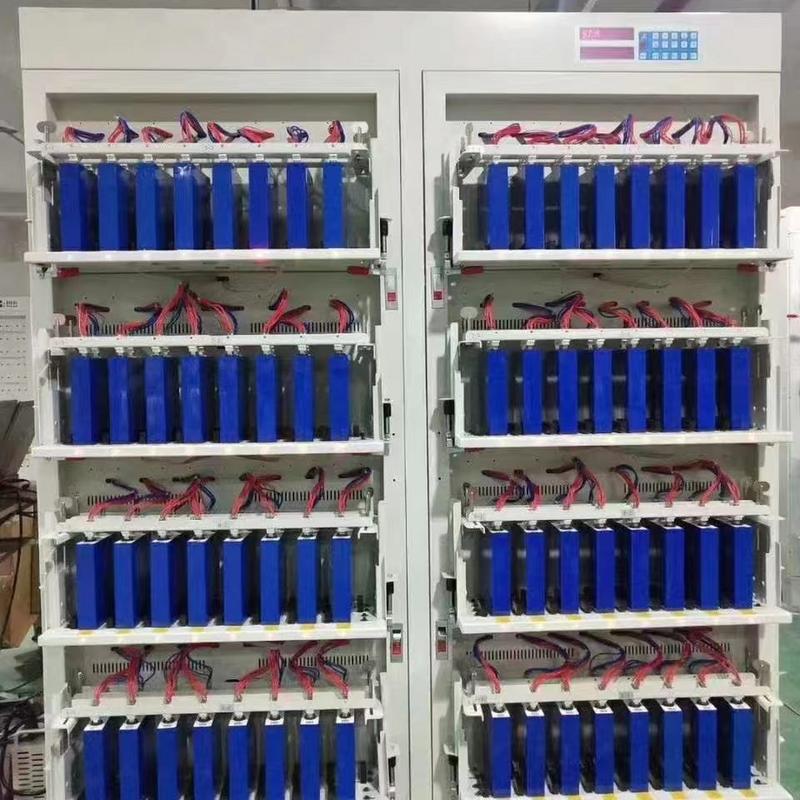
LiFePO4 batteries, like all rechargeable batteries, experience a gradual decline in capacity over time. This process is natural and inevitable, influenced by various internal and external factors. While this phenomenon might seem concerning, understanding why it happens can help you extend the lifespan of your LiFePO4 battery.
What Causes LiFePO4 Battery Capacity Decline?
Several factors contribute to the gradual reduction of capacity in LiFePO4 batteries. These include chemical reactions, material degradation, and improper usage. Let's explore the main reasons for capacity loss:
1. Changes in the Cathode Material
The cathode, or positive electrode, plays a critical role in the overall performance of the LiFePO4 battery. During the discharge cycle, lithium ions are extracted from the cathode. This process leads to oxidation of the metal elements in the cathode material, causing structural changes. Over time, these alterations result in mechanical damage, which degrades the electrochemical performance and reduces the battery’s capacity.
2. Changes in the Anode Material
LiFePO4 batteries typically use graphite as the anode material. As the battery undergoes charge and discharge cycles, a layer of solid electrolyte interface (SEI) forms on the anode surface. This process consumes some lithium ions and alters the structure of the graphite. As the battery ages, these structural changes cause a decrease in capacity, further contributing to the overall decline in battery performance.
3. Oxidative Decomposition of the Electrolyte
The electrolyte is a crucial component that influences the battery's energy density, lifespan, and safety. It consists of a solvent, an electrolyte salt, and various additives. Over time, these chemical components can decompose due to oxidation or other electrochemical reactions. This breakdown leads to a reduction in the overall capacity of the LiFePO4 battery. Unfortunately, as the battery ages, this process becomes more pronounced.
4. Impact of Overcharging
Overcharging is one of the most significant factors in the decline of LiFePO4 battery capacity. When a battery is overcharged, it can produce electrochemically inert substances, such as Co3O4 and Mn2O3. These substances interfere with the normal chemical balance between the electrodes, leading to a loss of capacity. Importantly, this process is irreversible, which is why it’s crucial to avoid overcharging.
5. Storage Temperature and Conditions
The way LiFePO4 batteries are stored can significantly impact their longevity. Storing a fully charged battery (close to 100% state of charge) at elevated temperatures can cause rapid capacity loss. For instance, a LiFePO4 battery stored at 40°C for one year can lose up to 35% of its capacity. To extend battery life, it’s essential to store batteries at a moderate temperature, preferably between 20-25°C, and avoid prolonged exposure to extreme conditions.
Can We Prevent LiFePO4 Battery Capacity Decline?
While the decline in capacity is inevitable, there are several strategies to slow down the process and extend the lifespan of your LiFePO4 battery.
1. Avoid Overcharging and Overdischarging
The most straightforward way to prolong battery life is to avoid overcharging and overdischarging. Both extremes can cause irreversible damage to the battery's internal components, accelerating capacity loss. Always use a compatible charger and monitor the charge levels to ensure the battery stays within the recommended limits.
2. Regular Maintenance and Inspection
Regularly check the battery terminals for signs of oxidation or corrosion. Oxidation can increase the resistance at the terminals, which not only reduces the efficiency of the battery but also raises its operating temperature, further accelerating capacity decline. Cleaning the terminals periodically can help maintain optimal performance.
3. Proper Storage Practices
When not in use, store your LiFePO4 battery in a cool, dry place. Avoid leaving it in high-temperature environments, such as in direct sunlight or near heat sources. If you plan to store the battery for an extended period, ensure it is partially charged (around 40-60% SOC) to prevent degradation.
Conclusion
Although the natural decline in LiFePO4 battery capacity is unavoidable, taking proper care and following best practices can significantly slow down this process. By avoiding overcharging, ensuring proper storage conditions, and regularly inspecting the battery, you can extend its useful life and maintain optimal performance for longer.
- Next:How to Take Care of Car Battery Over Winter: 3 Dos and 3 Don’ts for Cold Weather
- Previous:Tesla Battery Types: A Simple Guide for Model S, 3, X, and Y
Contact Details
Lithium LiFePO4 Batteries and Lithium LiFePO4 Cells Supplier - LiFePO4 Battery Shop
Contact Person: Miss. Elena Wang
WhatsApp : +8615263269227
Skype : +8615263269227
WeChat :15263269227
Email : info@lifepo4batteryshop.com
All Products
- A123 Battery (5)
- Sinopoly Battery (7)
- GBS Battery (16)
- CALB Battery (22)
- Cylindrical Cell (3)
- Energy Storage System (0)
- Battery Management System (2)
- Sodium ion Battery Cell (3)
- Lithium Titanate Battery (16)
- Ternary Lithium Battery Cell (11)
- REPT Battery (8)
- BYD Battery (2)
- CATL Battery (14)
- Thunder Sky Winston Battery (21)
- EVE Battery (29)
- LiFePO4 Battery Cell (4)
Certification
Customer Reviews
- I have fond memories of our meeting in Shanghai with LiFePO4 Battery Shop Elena. Your company left a strong impression on me with its impressive growth and professionalism. We both value straightforwardness and honesty, which I believe are the most important qualities in any partnership. I am confident that we can build a successful collaboration based on these shared values. —— Robert from USA
- I've been working with LiFePO4 Battery Shop for years, and their reliability is unmatched. While other suppliers frequently change sales teams, LiFePO4 Battery Shop has consistently provided exceptional service with a stable team. Their commitment to quality and customer support truly sets them apart. —— Henry from Australia