
Blog
What Is the End of a Battery? Complete Guide to Battery Terminals
2026-08-07 | Calvin
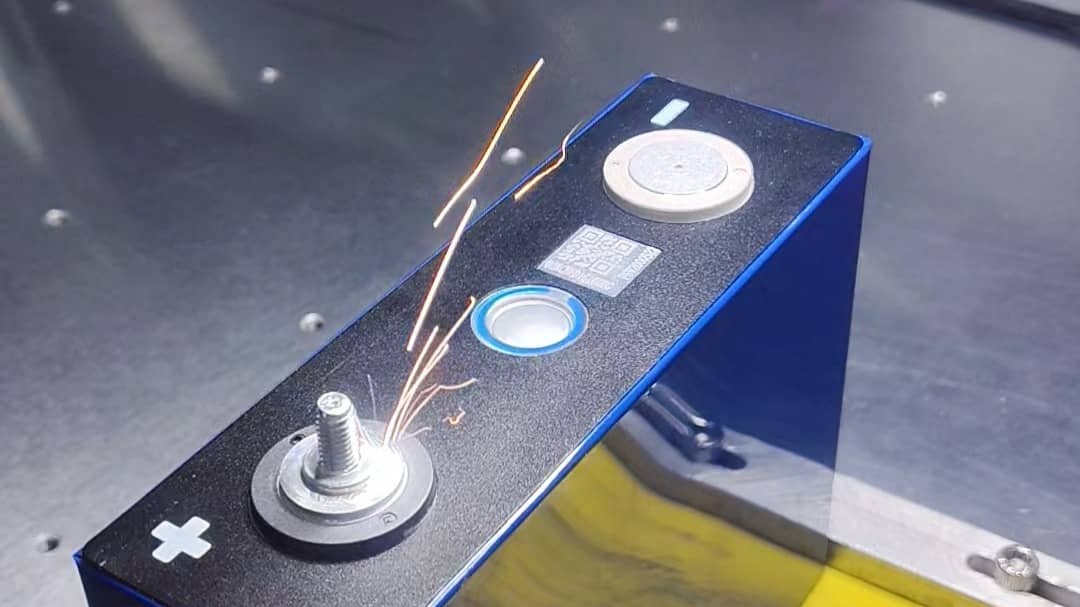
Battery terminals are small components, but they play a critical role in how a battery delivers power. They provide the connection point between the energy stored inside the battery and the device, vehicle, or electrical system using that energy.
When people refer to the "end of a battery," they are usually talking about the battery terminals—the positive and negative connection points. These terminals allow electrical current to flow into and out of the battery, making them essential for proper operation.
A battery with damaged, dirty, or poorly connected terminals may fail to deliver power even if the battery itself is still in good condition. Understanding battery terminals, polarity, terminal types, and maintenance can help improve performance, prevent electrical problems, and extend battery life.
Quick Answer: What Is the End of a Battery?
The end of a battery refers to the battery terminals. These are the metal connection points where electrical current enters and leaves the battery.
Every battery has two main terminals:
| Terminal | Symbol | Function |
|---|---|---|
| Positive Terminal | + | Provides electrical current to the connected device |
| Negative Terminal | - | Completes the electrical circuit by returning current |
A proper terminal connection ensures efficient energy transfer, while poor connections can cause voltage drops, overheating, and device failures.
What Are Battery Terminals?
Battery terminals are the electrical contact points that connect a battery to an external circuit. They transfer electrical energy between the battery and the device it powers.
The terminal design depends on the battery type and application. Small household batteries may use simple contact points, while automotive, industrial, and lithium batteries often use specialized connectors designed for higher current loads.
How Do Battery Terminals Work?
A battery stores chemical energy and converts it into electrical energy during discharge. The terminals provide the pathway for this electrical energy to reach the connected system.
Positive Terminal
The positive terminal is where electrical current leaves the battery and flows toward the connected device.
Common identification methods include:
- A plus (+) symbol
- Red color marking
- Larger terminal size in some battery designs
Negative Terminal
The negative terminal completes the electrical circuit by allowing current to return to the battery.
Common identification methods include:
- A minus (-) symbol
- Black color marking
- Connection to the ground or negative circuit
Battery Post vs Battery Terminal: What Is the Difference?
Many people use the terms battery post and battery terminal interchangeably, but they are different components.
| Component | Description |
|---|---|
| Battery Post | The metal connection point attached directly to the battery |
| Battery Terminal | The connector that attaches to the battery post and connects to cables |
The battery post is part of the battery itself, while the terminal is usually attached to a cable or wiring system.
Together, they create the electrical connection required for power transfer.
How to Identify Positive and Negative Battery Terminals
Correctly identifying battery polarity is important because connecting a battery incorrectly can damage electrical components.
1. Check the Symbols
Most batteries clearly mark polarity:
- Positive terminal: + symbol
- Negative terminal: - symbol
2. Look for Color Indicators
Many batteries use standard color markings:
- Red usually indicates positive
- Black usually indicates negative
3. Check Terminal Shape
Some batteries use physical differences to prevent incorrect installation.
Examples:
- Cylindrical batteries often have a raised positive button and flat negative end.
- Automotive batteries may use different post sizes.
4. Use a Multimeter
For unknown batteries, a multimeter can identify polarity by measuring voltage.
The terminal showing positive voltage relative to the other terminal is the positive connection.
Why Battery Terminals Affect Performance
Battery terminals directly affect how efficiently electricity flows from the battery to the device.
Increased Electrical Resistance
Dirty, corroded, or loose terminals increase electrical resistance.
Higher resistance can cause:
- Reduced power output
- Voltage drops
- Heat generation
- Battery efficiency loss
Poor Power Delivery
A weak connection may cause:
- Intermittent operation
- Difficulty starting equipment
- Unexpected shutdowns
- Charging problems
Safety Issues
Loose or damaged terminals can create heat buildup and increase the risk of electrical problems.
This is especially important for high-current applications such as:
- Electric vehicles
- Solar battery systems
- Industrial equipment
- Backup power systems
Types of Battery Terminals
Battery terminals come in different shapes and designs depending on the application, required current level, installation method, and environmental conditions.
Choosing the correct terminal type ensures a secure connection, reduces electrical resistance, and improves system reliability.
1. SAE Post Terminals
SAE post terminals are among the most common battery terminal types, especially in automotive applications.
They are commonly found in:
- Cars
- Trucks
- Motorcycles
- Marine batteries
These terminals use tapered metal posts where cable clamps attach securely to the battery.
2. Marine Battery Terminals
Marine terminals are designed for environments where corrosion resistance is important.
They are commonly used in:
- Boats
- Marine equipment
- RV systems
Many marine terminals include protective coatings or threaded connections to improve durability in humid and wet environments.
3. Lug Terminals
Lug terminals use ring-shaped connectors attached with bolts or screws. They are commonly used where a strong, permanent connection is required.
Common applications include:
- Industrial battery systems
- Solar energy storage
- Server rack batteries
- Large lithium battery packs
4. Stud Terminals
Stud terminals use threaded metal posts that allow cables to be secured using nuts and washers.
They are suitable for:
- High-current applications
- Backup power systems
- Energy storage installations
5. JST and Small Connector Terminals
Small electronic devices often use compact connectors such as JST connectors.
Common applications include:
- Drones
- Remote-control devices
- Portable electronics
- Small lithium battery packs
Common Battery Terminal Problems
Battery terminal issues are among the most common causes of electrical performance problems.
1. Battery Terminal Corrosion
Corrosion occurs when chemical reactions create deposits on the terminal surface. These deposits increase resistance and reduce the quality of the electrical connection.
Common signs of corrosion include:
- White powder deposits
- Blue or green buildup
- Poor electrical contact
- Difficulty starting equipment
2. Loose Battery Terminals
A loose connection prevents proper current flow between the battery and the electrical system.
Symptoms may include:
- Intermittent power loss
- Flickering lights
- Equipment shutdowns
- Overheating terminals
3. Damaged Terminals
Physical damage can prevent a battery terminal from making proper contact.
Damage may occur because of:
- Incorrect installation
- Excessive tightening
- Mechanical impact
- Corrosion damage
How to Clean Battery Terminals
Regular cleaning helps maintain good electrical contact and prevents resistance problems.
Tools Required
- Protective gloves
- Safety glasses
- Soft brush or terminal brush
- Cleaning solution
- Dry cloth
Step 1: Disconnect the Battery
Before cleaning, disconnect the battery safely.
For many battery systems:
- Disconnect the negative terminal first.
- Disconnect the positive terminal second.
Step 2: Remove Corrosion
Use an appropriate cleaning solution and a soft brush to remove corrosion buildup from the terminals and connectors.
Step 3: Dry the Terminals
After cleaning, make sure all surfaces are completely dry before reconnecting.
Step 4: Reconnect Properly
Reconnect terminals securely and ensure the connection is tight but not excessively tightened.
Step 5: Apply Protection
Terminal protectors or anti-corrosion products can help reduce future corrosion caused by moisture and oxidation.
Lithium Battery Terminal Considerations
Modern lithium batteries, including LiFePO4 batteries, often use different terminal designs compared with traditional automotive batteries.
Common lithium battery terminal types include:
- Threaded stud terminals
- Busbar connections
- High-current connectors
- Custom battery plugs
Important Lithium Battery Terminal Practices
- Use the correct cable size for the expected current.
- Tighten terminals according to manufacturer specifications.
- Prevent accidental short circuits.
- Use insulated tools during installation.
- Protect exposed terminals from contact with metal objects.
How Battery Terminals Affect Lithium Battery Performance
Lithium batteries can deliver high amounts of current, making terminal quality especially important.
Poor terminal connections can create:
- Voltage drops
- Heat buildup
- Reduced efficiency
- Potential safety issues
This is particularly important for:
- RV lithium batteries
- Solar energy storage systems
- Server rack batteries
- Electric vehicle battery packs
Battery Terminal Troubleshooting Guide
| Problem | Possible Cause | Solution |
|---|---|---|
| Battery has power but device does not work | Loose or dirty terminal connection | Clean and tighten terminals |
| Terminal becomes hot | High resistance or poor connection | Inspect cables and terminal tightness |
| Battery does not charge properly | Bad connection or corrosion | Check terminals and charger connections |
| Power cuts off randomly | Intermittent contact | Replace damaged connectors if necessary |
Battery Terminal Maintenance Tips
- Inspect terminals regularly.
- Keep connection points clean and dry.
- Check for corrosion buildup.
- Ensure cables are properly secured.
- Use protective covers when possible.
- Monitor unusual heat or voltage drops.
Frequently Asked Questions About Battery Terminals
What is the end of a battery called?
The end of a battery is called a battery terminal. A battery has two terminals: a positive terminal (+) and a negative terminal (-). These connection points allow electrical current to flow between the battery and the device it powers.
What is the difference between positive and negative battery terminals?
The positive terminal is the point where electrical current leaves the battery and flows to the connected device. The negative terminal completes the electrical circuit by allowing current to return to the battery.
Most batteries identify these terminals using:
- Positive (+) symbol for the positive terminal
- Negative (-) symbol for the negative terminal
- Red marking for positive
- Black marking for negative
Can connecting battery terminals incorrectly damage a device?
Yes. Reversing battery polarity can damage electrical components, cause short circuits, and create safety risks depending on the battery type and connected equipment.
Always confirm the positive and negative terminals before connecting a battery.
What happens if battery terminals are dirty?
Dirty or corroded battery terminals increase electrical resistance between the battery and the device.
This can result in:
- Reduced power output
- Voltage drops
- Charging problems
- Overheating connections
- Intermittent operation
How often should battery terminals be cleaned?
The cleaning frequency depends on the battery environment and application.
Battery terminals should be inspected regularly, especially in:
- Vehicles
- Marine systems
- RV batteries
- Solar installations
- Industrial battery systems
Are battery terminals different for lithium batteries?
Yes. Lithium batteries often use different terminal designs compared with traditional lead-acid batteries.
Common lithium battery terminal types include:
- Threaded stud terminals
- Busbar connections
- High-current connectors
- Specialized battery plugs
Why do lithium battery terminals get hot?
Hot battery terminals usually indicate increased electrical resistance or an improper connection.
Possible causes include:
- Loose terminal connections
- Incorrect cable size
- Damaged connectors
- Excessive current flow
- Corrosion buildup
Can I replace battery terminals myself?
Battery terminal replacement is possible for some applications, but the correct replacement depends on the battery type, cable size, current requirements, and installation method.
For high-voltage or high-current lithium battery systems, professional installation is recommended.
What is the best material for battery terminals?
The best terminal material depends on the application.
| Material | Advantages | Common Uses |
|---|---|---|
| Copper | Excellent electrical conductivity | High-current battery systems |
| Brass | Good balance of conductivity and durability | Automotive and marine applications |
| Lead | Low cost and easy installation | Traditional automotive batteries |
Final Thoughts: Why Battery Terminals Matter
Battery terminals may appear to be simple metal connection points, but they are essential for reliable battery performance. They create the connection between stored battery energy and the electrical system that uses it.
A battery with excellent capacity can still perform poorly if the terminals are dirty, damaged, or incorrectly connected. Proper terminal maintenance helps reduce electrical resistance, improve power delivery, and increase system reliability.
Understanding battery terminals means knowing:
- The difference between positive and negative terminals
- How battery posts and terminals work together
- The different types of battery connections
- How corrosion affects performance
- How to maintain safe and reliable connections
Whether you are working with a small household battery, automotive battery, RV power system, solar storage battery, or industrial lithium battery, maintaining clean and secure terminals is one of the simplest ways to protect performance and extend battery life.
- Next:Battery Acid Leakage: How to Clean, Handle, and Stay Safe
- Previous:How Long Does It Take to Charge a 100Ah LiFePO4 Battery?
Contact Details
Lithium LiFePO4 Batteries and Lithium LiFePO4 Cells Supplier - LiFePO4 Battery Shop
Contact Person: Miss. Elena Wang
WhatsApp : +8615263269227
Skype : +8615263269227
WeChat :15263269227
Email : info@lifepo4batteryshop.com
All Products
- Forklift Battery Charger (0)
- TC Elcon Charger (5)
- Headway Lithium Battery (6)
- Blade Battery (10)
- Semi Solid State Battery (6)
- A123 Battery (6)
- Sinopoly Battery (7)
- GBS Battery (16)
- CALB Battery (26)
- Cylindrical Cell (14)
- Energy Storage System (0)
- Battery Management System (15)
- Sodium ion Battery Cell (4)
- Lithium Titanate Battery (23)
- Ternary Lithium Battery Cell (12)
- REPT Battery (10)
- BYD Battery (5)
- CATL Battery (15)
- Thunder Sky Winston Battery (26)
- EVE Battery (37)
- LiFePO4 Battery Cell (37)
Certification

Customer Reviews
- I have fond memories of our meeting in Shanghai with LiFePO4 Battery Shop Elena. Your company left a strong impression on me with its impressive growth and professionalism. We both value straightforwardness and honesty, which I believe are the most important qualities in any partnership. I am confident that we can build a successful collaboration based on these shared values. —— Robert from USA
- I've been working with LiFePO4 Battery Shop for years, and their reliability is unmatched. While other suppliers frequently change sales teams, LiFePO4 Battery Shop has consistently provided exceptional service with a stable team. Their commitment to quality and customer support truly sets them apart. —— Henry from Australia