
Blog
How Long Does It Take to Charge a 100Ah LiFePO4 Battery?
2026-08-11 | Calvin
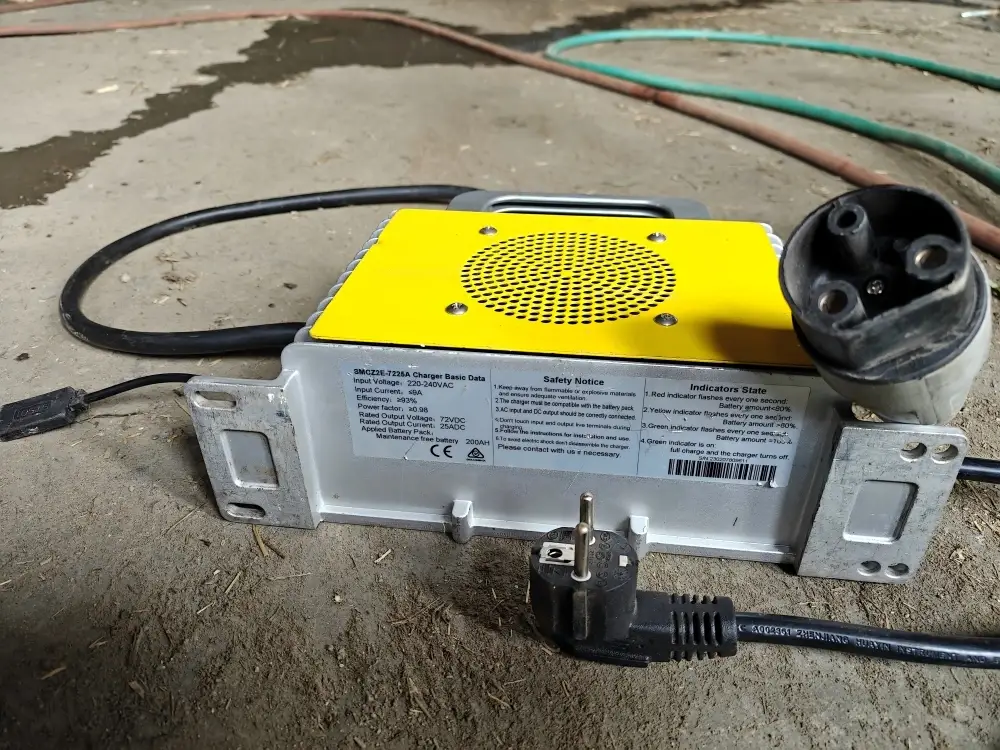
A 100Ah LiFePO4 battery is one of the most popular lithium battery sizes for RVs, boats, solar energy systems, backup power, and off-grid applications. One of the most common questions users ask before purchasing or installing one is: How long does it take to charge a 100Ah LiFePO4 battery?
The answer depends mainly on the charger's output current, the battery's starting charge level, charging efficiency, temperature, and the battery management system (BMS). In general, a 100Ah LiFePO4 battery can take around 2 to 10 hours to fully charge depending on the charger size.
For example:
- A 10A charger takes approximately 10 hours.
- A 20A charger takes approximately 5 hours.
- A 50A charger takes approximately 2 hours.
However, real-world charging time is usually slightly longer because lithium batteries slow down near full charge and charging systems are not 100% efficient.
Quick Answer: How Long Does a 100Ah LiFePO4 Battery Take to Charge?
| Charger Size | Estimated Charging Time | Best Use |
|---|---|---|
| 5A Charger | 20+ hours | Battery maintenance and slow charging |
| 10A Charger | 10–11 hours | Small systems and overnight charging |
| 20A Charger | 5–6 hours | RV, marine, and everyday charging |
| 30A Charger | 3–4 hours | Faster charging applications |
| 50A Charger | 2–2.5 hours | Fast charging setups |
| 100A Charger | About 1 hour theoretically | Only when battery specifications support it |
These estimates assume the battery starts nearly empty and the charger output matches the battery's charging capability. Actual charging time may vary depending on battery condition, temperature, BMS limits, and charger efficiency. :contentReference[oaicite:0]{index=0}
How to Calculate 100Ah LiFePO4 Battery Charging Time
The simplest way to estimate charging time is to divide battery capacity by charger output current.
Charging Time (Hours) = Battery Capacity (Ah) ÷ Charger Current (A)
Example 1: Using a 20A Charger
Battery capacity:
100Ah
Charger output:
20A
Calculation:
100Ah ÷ 20A = 5 hours
A 20A charger will theoretically charge a 100Ah LiFePO4 battery in approximately 5 hours.
Example 2: Using a 50A Charger
Calculation:
100Ah ÷ 50A = 2 hours
A 50A charger can reduce charging time significantly, assuming the battery BMS and cells support that charging rate.
Why Real Charging Time Is Longer Than the Formula
The charging formula provides a simple estimate, but real charging conditions are more complex.
Several factors affect actual charging time:
- Charging efficiency losses
- Battery temperature
- Battery state of charge
- BMS charging limits
- Charging stage behavior
Understanding LiFePO4 Battery Charging Stages
LiFePO4 batteries charge differently from traditional lead-acid batteries. The charging process normally has two main stages.
Stage 1: Constant Current (Bulk Charging)
During the bulk stage, the charger delivers a steady current to the battery.
Characteristics:
- Fast charging phase
- Battery accepts most of the incoming energy
- Voltage gradually increases
This stage usually completes the majority of the charging process.
Stage 2: Constant Voltage (Absorption Charging)
When the battery reaches its target voltage, the charger reduces current while maintaining voltage.
During this stage:
- Charging slows down
- Cells balance
- The battery reaches full capacity safely
This is why the final few percent of charging often takes longer than expected.
100Ah LiFePO4 Charging Time Based on Battery Level
The starting charge level has a major impact on charging time. A battery that is only 50% discharged will charge much faster than one that is almost empty.
| Starting Battery Level | Energy Needed | Approximate Time With 20A Charger |
|---|---|---|
| 25% Remaining | 75Ah Needed | About 4 hours |
| 50% Remaining | 50Ah Needed | About 2.5 hours |
| 75% Remaining | 25Ah Needed | About 1.5 hours |
| 90% Remaining | 10Ah Needed | Less than 1 hour |
What Size Charger Do You Need for a 100Ah LiFePO4 Battery?
The best charger size depends on your application. A larger charger is not always better because the battery must be designed to safely accept higher charging current.
10A Charger
A 10A charger is suitable for:
- Slow charging
- Battery maintenance
- Small solar systems
20A Charger
A 20A charger is often considered a balanced choice for a 100Ah LiFePO4 battery.
Advantages:
- Good charging speed
- Lower stress on battery cells
- Suitable for RV and marine applications
50A Charger
A 50A charger is useful when faster charging is required.
Suitable for:
- Frequent energy use
- Short charging windows
- Large solar systems
100A Charger
A 100A charger can theoretically charge a 100Ah battery in about one hour, but it should only be used if:
- The BMS supports the charging current.
- The battery cells are rated for high charging speeds.
- The wiring and connectors can safely handle the current.
Factors That Affect 100Ah LiFePO4 Battery Charging Time
Although charger size is the most important factor affecting charging speed, several other conditions can increase or decrease the time required to fully charge a 100Ah LiFePO4 battery.
1. Battery State of Charge
The battery's starting charge level has a direct impact on charging time.
A battery discharged from 20% to 100% will require much more charging time than a battery starting at 70%.
For example:
- A 100Ah battery at 50% charge only needs approximately 50Ah replaced.
- A fully discharged battery requires the full 100Ah capacity to be restored.
2. Charger Output Current
The charger's amperage determines how quickly energy can be delivered to the battery.
A higher amp charger generally reduces charging time, but the battery must be designed to safely accept that current.
| Charger Current | Charging Speed | Consideration |
|---|---|---|
| 10A | Slow | Gentle charging but requires more time |
| 20A | Balanced | Good daily charging option |
| 50A | Fast | Requires compatible battery system |
| 100A | Very fast | Only suitable for high-rate batteries |
3. Battery Management System (BMS) Limits
The Battery Management System controls how safely a LiFePO4 battery can charge.
Even if you connect a powerful charger, the battery may limit charging current if the BMS detects that the current exceeds safe operating limits.
Before selecting a charger, check:
- Maximum charging current
- Recommended charging current
- Temperature protection limits
- Cell balancing capability
4. Temperature Conditions
Temperature has a significant impact on lithium battery charging performance.
Cold Temperatures
Charging LiFePO4 batteries below freezing temperatures can damage the cells. Many modern batteries include low-temperature charging protection or self-heating functions.
High Temperatures
High temperatures can increase battery stress and may cause the BMS to reduce charging speed for protection.
5. Cable Size and Connection Quality
Charging performance can also be affected by the wiring between the charger and battery.
Undersized cables can create:
- Voltage drop
- Energy loss
- Additional heat
- Reduced charging efficiency
Using the correct cable size helps ensure the charger delivers the expected current to the battery.
How Long Does Solar Take to Charge a 100Ah LiFePO4 Battery?
Many RV owners, campers, and off-grid users charge 100Ah LiFePO4 batteries using solar panels.
Solar charging time depends on:
- Solar panel wattage
- Available sunlight hours
- Solar charge controller efficiency
- Battery starting charge level
- Weather conditions
100Ah LiFePO4 Battery Energy Calculation
A typical 12V 100Ah LiFePO4 battery stores approximately:
12.8V × 100Ah = 1,280Wh
Example Solar Charging Calculation
Assume:
- Solar panel system: 200W
- Peak sunlight: 5 hours per day
Daily solar energy production:
200W × 5 hours = 1,000Wh
A 200W solar system can provide a significant amount of energy for charging a 100Ah LiFePO4 battery, although real output depends on sunlight conditions and system efficiency.
| Solar Panel Size | Estimated Charging Time |
|---|---|
| 100W Solar Panel | 10+ hours of ideal sunlight |
| 200W Solar Panel | Approximately 5–7 hours |
| 300W Solar Panel | Approximately 3–5 hours |
| 400W Solar Panel | Approximately 2–4 hours |
LiFePO4 vs Lead-Acid Battery Charging Time
Many users upgrade from lead-acid batteries to LiFePO4 because lithium batteries generally charge faster and provide more usable capacity.
| Feature | LiFePO4 Battery | Lead-Acid Battery |
|---|---|---|
| Charging Speed | Faster charging capability | Slower charging process |
| Usable Capacity | Higher usable energy | Lower usable capacity |
| Charging Efficiency | Higher | Lower |
| Maintenance | Low maintenance | Requires more maintenance |
| Cycle Life | Longer lifespan | Shorter lifespan |
Can You Charge a 100Ah LiFePO4 Battery Overnight?
Yes. A 100Ah LiFePO4 battery can usually be charged overnight using an appropriately sized charger.
For example:
- A 10A charger may need around 10 hours.
- A 20A charger can usually complete charging overnight.
- A 50A charger can recharge the battery much faster.
For many RV and home backup applications, a 20A charger provides a good balance between charging speed and battery longevity.
Best Practices for Charging a 100Ah LiFePO4 Battery
Use a Dedicated Lithium Charger
Always use a charger designed specifically for LiFePO4 batteries. Chargers designed for other battery chemistries may use charging profiles that are not suitable for lithium batteries.
Avoid Unnecessary Fast Charging
Although LiFePO4 batteries can support fast charging, using extremely high charging currents regularly may increase battery stress.
Keep the Battery Within Recommended Temperature Range
Charging in moderate temperatures helps maintain battery performance and lifespan.
Monitor Battery Health
Battery monitoring systems can help track:
- State of charge
- Charging current
- Battery temperature
- Battery health
Frequently Asked Questions About 100Ah LiFePO4 Battery Charging Time
Can I charge a 100Ah LiFePO4 battery with a lead-acid charger?
A standard lead-acid charger is generally not recommended for LiFePO4 batteries.
Lithium batteries require a specific charging profile. Lead-acid chargers may include charging modes that are unsuitable for lithium chemistry.
The safest option is using a charger specifically designed for LiFePO4 batteries.
Can I fast charge a 100Ah LiFePO4 battery?
Yes, many LiFePO4 batteries support fast charging. However, faster charging is only safe when the battery cells, BMS, charger, and wiring are designed for higher current levels.
Using extremely high charging currents regularly may increase heat and stress on battery components.
Why does my LiFePO4 battery charge quickly at first but slow down near full?
This is normal behavior caused by the LiFePO4 charging process.
During the first charging stage, the battery accepts current quickly. Near full charge, the charger reduces current to safely complete the charging process and balance the cells.
Does a bigger charger always charge a battery faster?
Not always. The battery can only accept the maximum charging current allowed by its BMS and internal cells.
A 100A charger will not necessarily charge faster than a 50A charger if the battery limits charging current to 50A.
Final Thoughts: How Long Does a 100Ah LiFePO4 Battery Take to Charge?
A 100Ah LiFePO4 battery can usually be fully charged within 2 to 10 hours depending on the charger size. A 20A charger typically requires around 5 hours, while a 50A charger can reduce charging time to approximately 2 hours under suitable conditions.
However, the fastest charger is not always the best choice. The ideal charging setup depends on your battery specifications, BMS limits, application requirements, and long-term performance goals.
For most users:
- A 20A charger is a practical everyday solution.
- A 50A charger is suitable when faster turnaround is needed.
- A solar charging system provides flexibility for off-grid applications.
By choosing the correct charger, maintaining proper temperature conditions, and following LiFePO4 charging guidelines, a 100Ah lithium battery can provide reliable energy storage and thousands of charging cycles over its service life.
- Next:What Is the End of a Battery? Complete Guide to Battery Terminals
- Previous:Understanding Deep Discharge in Batteries: Causes, Effects & Prevention Guide
Contact Details
Lithium LiFePO4 Batteries and Lithium LiFePO4 Cells Supplier - LiFePO4 Battery Shop
Contact Person: Miss. Elena Wang
WhatsApp : +8615263269227
Skype : +8615263269227
WeChat :15263269227
Email : info@lifepo4batteryshop.com
All Products
- Forklift Battery Charger (0)
- TC Elcon Charger (5)
- Headway Lithium Battery (6)
- Blade Battery (10)
- Semi Solid State Battery (6)
- A123 Battery (6)
- Sinopoly Battery (7)
- GBS Battery (16)
- CALB Battery (26)
- Cylindrical Cell (14)
- Energy Storage System (0)
- Battery Management System (15)
- Sodium ion Battery Cell (4)
- Lithium Titanate Battery (23)
- Ternary Lithium Battery Cell (12)
- REPT Battery (10)
- BYD Battery (5)
- CATL Battery (15)
- Thunder Sky Winston Battery (26)
- EVE Battery (37)
- LiFePO4 Battery Cell (37)
Certification
Customer Reviews
- I have fond memories of our meeting in Shanghai with LiFePO4 Battery Shop Elena. Your company left a strong impression on me with its impressive growth and professionalism. We both value straightforwardness and honesty, which I believe are the most important qualities in any partnership. I am confident that we can build a successful collaboration based on these shared values. —— Robert from USA
- I've been working with LiFePO4 Battery Shop for years, and their reliability is unmatched. While other suppliers frequently change sales teams, LiFePO4 Battery Shop has consistently provided exceptional service with a stable team. Their commitment to quality and customer support truly sets them apart. —— Henry from Australia