
Blog
Battery Acid Leakage: How to Clean, Handle, and Stay Safe
2026-08-06 | Calvin
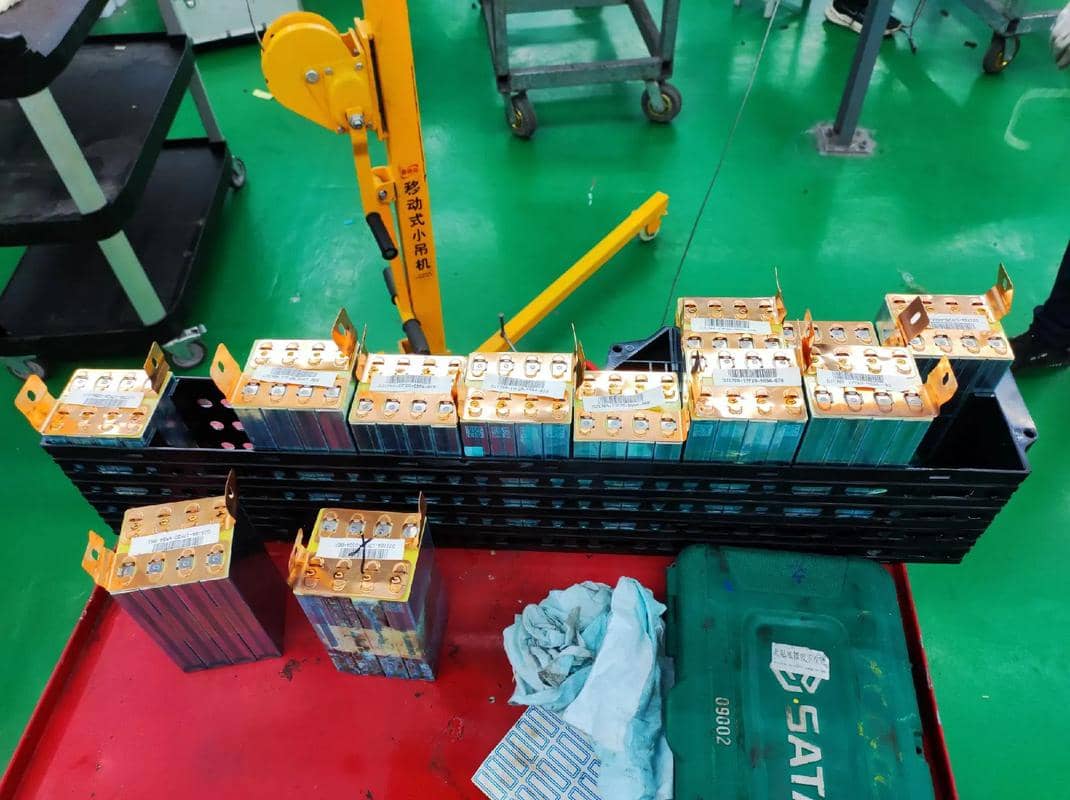
A leaking battery can quickly become a safety concern if it is handled incorrectly. Whether it happens in a household device, vehicle, solar energy system, or industrial equipment, battery leakage requires careful inspection and proper cleanup methods.
Many people use the term “battery acid leak” for all types of battery failures, but the actual substance depends on the battery chemistry. Traditional lead acid batteries contain sulfuric acid, while lithium batteries use a liquid electrolyte that behaves differently and requires different safety precautions.
Understanding why batteries leak, how to identify a damaged battery, and how to clean leakage safely can help prevent equipment damage, chemical exposure, and unnecessary risks.
What Causes Batteries to Leak?
Battery leakage usually occurs when the internal structure of the battery becomes damaged or unstable. Several factors can contribute to leakage, including age, physical damage, improper storage, overheating, and incorrect charging.
1. Battery Age and Natural Degradation
All batteries have a limited service life. Over time, internal components wear down, seals weaken, and chemical reactions become less stable. Older batteries are more likely to develop cracks, swelling, corrosion, or leakage.
For example, alkaline batteries stored inside remote controls for several years may eventually leak corrosive material around their terminals. Similarly, aging lead acid batteries may develop internal corrosion that causes electrolyte leakage.
2. Overcharging and Excessive Heat
Charging a battery beyond its recommended voltage can create excessive heat and pressure inside the battery. This can damage internal separators, increase gas formation, and potentially force electrolyte out through safety vents or damaged areas.
This issue is especially important in rechargeable battery systems, including lithium batteries used in electric vehicles, solar storage systems, and portable power equipment.
3. Physical Damage
A battery casing protects the internal chemicals from exposure. Drops, impacts, punctures, or crushing forces can break this protection and create leakage risks.
Damaged lithium batteries may also become dangerous because internal short circuits can lead to overheating or thermal runaway.
4. Incorrect Storage Conditions
Extreme temperatures can accelerate battery deterioration. Storing batteries in hot environments, direct sunlight, or areas with high humidity may shorten battery life and increase the possibility of leakage.
Proper storage conditions depend on the battery type, but most batteries perform best when kept in a cool, dry location away from moisture and excessive heat.
Do Lithium Batteries Leak Acid?
Lithium batteries are often included in discussions about battery acid leaks, but technically they do not contain traditional battery acid like lead acid batteries.
Lead acid batteries use sulfuric acid as the electrolyte. Lithium batteries use an organic liquid electrolyte containing lithium salts. When a lithium battery fails, the leaked material is not the same as sulfuric acid, but it can still be harmful and should not be touched without protection.
A damaged lithium battery may show signs such as:
- Swelling or expansion of the battery pack
- Strange chemical odors
- Liquid leakage
- Excessive heat during use or charging
- Smoke or unusual sounds
Because lithium battery failures can involve fire risks, leaking lithium batteries should be handled differently from small alkaline battery leaks.
Different Types of Battery Leaks Explained
The correct cleanup method depends on the battery chemistry. Using the wrong cleaning method can spread contamination or damage surfaces.
Alkaline Battery Leakage
Common household batteries, such as AA and AAA alkaline batteries, usually leak potassium hydroxide. This substance is alkaline rather than acidic, but it can still irritate skin and damage electronics.
White powder, crusty residue, or corrosion around battery terminals are common signs of alkaline battery leakage.
Lead Acid Battery Leakage
Lead acid batteries contain sulfuric acid, which is highly corrosive. These batteries are commonly used in cars, backup power systems, forklifts, and renewable energy applications.
A leaking lead acid battery requires extra caution because direct contact with sulfuric acid can cause burns and serious damage to materials.
Lithium Battery Leakage
Lithium battery leakage is less common than simple household battery leakage but can create more serious safety concerns.
If a lithium battery becomes swollen, damaged, hot, or begins leaking, it should not be handled like a normal battery spill. The priority should be preventing fire risks and avoiding direct contact with leaked electrolyte.
Signs That a Battery Is Leaking
Identifying leakage early can prevent further damage. Common warning signs include:
- Corrosion around battery terminals
- White, green, or powdery residue
- Liquid around the battery casing
- Bulging or swollen battery shape
- Strong chemical smell
- Reduced device performance
- Battery overheating
If you notice any of these signs, stop using the battery-powered device and inspect the battery carefully before attempting cleanup.
How to Clean Battery Leakage Safely
Cleaning a leaking battery requires the right approach because different battery types contain different chemicals. Before starting, identify the battery type if possible and avoid direct contact with any leaked material.
Safety Equipment Needed Before Cleaning
Before handling a leaking battery, prepare basic protective equipment. The goal is to prevent chemical contact with your skin, eyes, and respiratory system.
- Rubber or chemical resistant gloves
- Safety glasses or protective eyewear
- Paper towels or disposable cloths
- A plastic bag or container for damaged batteries
- A well ventilated workspace
Never touch leaking battery residue with bare hands. Even small amounts of leaked material can cause irritation or damage depending on the battery chemistry.
Step by Step Battery Acid Cleanup Process
The cleanup method depends on whether you are dealing with an alkaline battery, lead acid battery, or lithium battery.
Cleaning Alkaline Battery Leakage
Alkaline batteries are commonly found in household electronics such as remote controls, clocks, toys, and flashlights. Their leakage usually appears as a white powder or crust around the battery terminals.
Follow these steps:
- Remove the leaking batteries carefully while wearing gloves.
- Place damaged batteries in a sealed plastic bag or container.
- Use a small amount of white vinegar or lemon juice on a cotton swab to neutralize alkaline residue.
- Gently clean the corrosion from the battery compartment.
- Allow the area to dry completely before installing new batteries.
Avoid pouring large amounts of liquid into electronic devices because moisture can damage internal components.
Cleaning Lead Acid Battery Leakage
Lead acid battery leaks require more caution because sulfuric acid is highly corrosive.
If a lead acid battery leaks:
- Move away from the battery if there is heavy leaking, smoke, or unusual heat.
- Wear appropriate protective equipment before approaching it.
- Avoid touching the liquid directly.
- Use materials recommended for acid spill cleanup.
- Dispose of contaminated materials according to local hazardous waste regulations.
Do not attempt to repair a damaged lead acid battery casing. A leaking battery should normally be replaced rather than reused.
Handling Lithium Battery Leakage
Lithium battery leakage requires a different safety approach. Lithium batteries can fail internally and may present fire risks even when the visible damage appears small.
If a lithium battery is leaking:
- Stop using the device immediately.
- Move the battery away from flammable materials if it can be done safely.
- Avoid squeezing, bending, or puncturing the battery.
- Do not place a damaged lithium battery back into a charger.
- Contact an appropriate battery recycling or disposal facility.
For lithium battery systems used in electric vehicles, solar storage, or industrial applications, professional inspection is recommended after any physical damage or leakage event.
What Should You Do If Battery Acid Gets on Your Skin?
If battery chemicals contact your skin, quick action is important.
- Remove contaminated clothing or accessories.
- Rinse the affected area with clean running water.
- Continue flushing the area for several minutes.
- Seek medical advice if irritation, pain, or burns develop.
Do not use household chemicals to neutralize battery chemicals directly on your skin. Improper reactions can create additional irritation or heat.
What Should You Do If Battery Leakage Gets in Your Eyes?
Eye exposure requires immediate attention because battery chemicals can cause serious injury.
- Rinse eyes with clean running water immediately.
- Continue flushing without rubbing your eyes.
- Remove contact lenses if they come out easily.
- Seek medical assistance as soon as possible.
Common Mistakes to Avoid When Cleaning Battery Leaks
Many battery cleanup problems happen because people underestimate the chemicals involved. Avoid these common mistakes:
Touching Leakage Without Protection
Even small battery leaks can irritate skin. Always use gloves when handling damaged batteries or corrosion.
Using Water Alone to Clean Battery Residue
Water may remove some residue, but it does not always neutralize chemical deposits and can spread contamination inside electronics.
Trying to Recharge a Damaged Battery
A leaking, swollen, or physically damaged battery should never be recharged. Charging can increase heat, pressure, and safety risks.
Throwing Batteries Into Regular Trash
Many batteries contain materials that require special disposal. Improper disposal can create environmental hazards and safety problems during waste processing.
How to Dispose of a Leaking Battery Safely
Damaged batteries should be handled according to local recycling and hazardous waste guidelines.
General disposal steps include:
- Place the damaged battery in a non conductive container.
- Keep it away from metal objects that could create a short circuit.
- Store it temporarily in a cool, dry location.
- Contact a battery recycling center or approved disposal service.
Lithium batteries especially should not be placed in regular household garbage because they can create fire risks during transportation and waste processing.
How to Prevent Battery Leakage
Preventing battery leaks is usually easier than dealing with cleanup afterward. Good storage and charging habits can significantly extend battery life.
Use the Correct Charger
For rechargeable batteries, always use a charger designed for that specific battery type. Incorrect charging equipment can damage battery cells and reduce safety.
Avoid Extreme Temperatures
Heat accelerates battery aging. Keep batteries away from direct sunlight, hot vehicles, and areas with poor ventilation.
Replace Old Batteries Regularly
Do not leave old batteries inside unused devices for long periods. Batteries that remain installed for years are more likely to leak and damage equipment.
Store Batteries Properly
Keep unused batteries in a dry place at moderate temperatures. Avoid storing loose batteries together with metal objects such as coins or keys.
Battery Leakage Safety Comparison by Battery Type
Different battery technologies require different handling methods. Understanding the differences can help you choose the safest response when leakage occurs.
| Battery Type | Common Uses | Leak Material | Main Safety Concern |
|---|---|---|---|
| Alkaline Battery | Remote controls, toys, household devices | Potassium hydroxide | Skin irritation, corrosion damage to electronics |
| Lead Acid Battery | Cars, backup power, solar systems | Sulfuric acid | Chemical burns and severe corrosion |
| Lithium Battery | Electric vehicles, power tools, energy storage | Electrolyte containing lithium salts | Fire risk, overheating, chemical exposure |
Are Leaking Batteries Dangerous?
Yes, leaking batteries can be dangerous depending on the battery type, the amount of leakage, and how the battery is handled.
A small alkaline battery leak inside a household device may only require careful cleaning, while a damaged lithium battery or leaking lead acid battery can create much more serious safety concerns.
The main risks associated with leaking batteries include:
- Chemical burns or skin irritation
- Eye injuries from chemical exposure
- Damage to electronic equipment
- Fire risks from damaged lithium batteries
- Environmental contamination from improper disposal
The safest approach is to treat every damaged battery seriously, avoid direct contact, and follow proper disposal procedures.
When Should You Replace a Leaking Battery?
A leaking battery should almost always be replaced rather than repaired. Battery casings and internal components are designed to remain sealed. Once that protection fails, the battery may no longer operate safely.
Replace a battery immediately if you notice:
- Visible liquid leakage
- Swelling or deformation
- Cracks or physical damage
- Strong chemical odor
- Excessive heat during use
- Corrosion around terminals
For lithium battery packs used in electric vehicles, solar storage systems, and industrial equipment, professional inspection is recommended after any sign of damage.
Frequently Asked Questions About Battery Leakage
Can you clean battery acid with vinegar?
Vinegar can help clean residue from some alkaline battery leaks because alkaline leakage can react with mild acids. However, it should not be used as a universal solution for every battery type.
Lead acid battery spills and lithium battery leaks require different handling procedures. Always identify the battery chemistry before cleaning.
Can a leaking battery still work?
A leaking battery may continue to provide power temporarily, but it should not be considered safe to use. Leakage usually indicates internal damage or chemical instability.
Continuing to use a damaged battery can increase the risk of equipment failure or safety problems.
Can battery leakage damage electronics?
Yes. Battery leakage can corrode metal contacts, damage circuit boards, and permanently affect electronic devices.
Cleaning leakage as soon as possible may prevent additional damage, but severely corroded devices may require professional repair or replacement.
What color is battery leakage?
Battery leakage can appear in different forms depending on the battery type. Common signs include white powder, crusty deposits, clear liquid, or discolored corrosion around terminals.
The appearance alone does not always identify the chemical, so safe handling is still important.
Can a lithium battery leak without swelling?
Yes. Although swelling is a common warning sign, lithium batteries can experience internal damage or electrolyte leakage without visible expansion.
Any unusual smell, heat, reduced performance, or visible damage should be treated as a warning sign.
Battery Leakage Safety Tips for Businesses and Industrial Applications
Companies using battery powered equipment should have clear inspection and maintenance procedures to reduce safety risks.
Important practices include:
- Regularly inspect battery packs for damage or corrosion.
- Train employees on safe battery handling procedures.
- Use approved chargers and charging systems.
- Store replacement batteries in suitable conditions.
- Create a clear process for damaged battery disposal.
This is especially important for industries using large battery systems, including renewable energy storage, electric mobility, telecommunications, and backup power solutions.
Final Thoughts: Handle Battery Leakage With the Right Safety Approach
Battery leakage is a problem that should never be ignored. While some small household battery leaks can be cleaned safely with proper precautions, other situations involving lead acid or lithium batteries require much greater care.
The most important steps are identifying the battery type, protecting yourself from chemical exposure, avoiding damaged batteries, and disposing of them correctly.
For lithium battery systems, choosing high quality battery products, using proper charging equipment, and following recommended maintenance procedures can greatly reduce the risk of leakage and safety issues.
Reliable battery performance starts with proper design, storage, charging, and handling practices. A safe battery system is not only about preventing leaks, but also about protecting people, equipment, and the environment.
- Next:Zinc Air Battery vs Lithium Ion Battery: Differences, Advantages & Applications
- Previous:What Is the End of a Battery? Complete Guide to Battery Terminals
Contact Details
Lithium LiFePO4 Batteries and Lithium LiFePO4 Cells Supplier - LiFePO4 Battery Shop
Contact Person: Miss. Elena Wang
WhatsApp : +8615263269227
Skype : +8615263269227
WeChat :15263269227
Email : info@lifepo4batteryshop.com
All Products
- TC Elcon Charger (5)
- Headway Lithium Battery (6)
- Blade Battery (10)
- Semi Solid State Battery (6)
- A123 Battery (6)
- Sinopoly Battery (7)
- GBS Battery (16)
- CALB Battery (26)
- Cylindrical Cell (14)
- Energy Storage System (0)
- Battery Management System (15)
- Sodium ion Battery Cell (4)
- Lithium Titanate Battery (23)
- Ternary Lithium Battery Cell (12)
- REPT Battery (10)
- BYD Battery (5)
- CATL Battery (15)
- Thunder Sky Winston Battery (26)
- EVE Battery (37)
- LiFePO4 Battery Cell (37)
Certification
Customer Reviews
- I have fond memories of our meeting in Shanghai with LiFePO4 Battery Shop Elena. Your company left a strong impression on me with its impressive growth and professionalism. We both value straightforwardness and honesty, which I believe are the most important qualities in any partnership. I am confident that we can build a successful collaboration based on these shared values. —— Robert from USA
- I've been working with LiFePO4 Battery Shop for years, and their reliability is unmatched. While other suppliers frequently change sales teams, LiFePO4 Battery Shop has consistently provided exceptional service with a stable team. Their commitment to quality and customer support truly sets them apart. —— Henry from Australia