
Blog
Understanding the Key Differences Between LiPo and Li-ion Batteries: Which One is Right for Your Needs?
2026-04-21 | Calvin
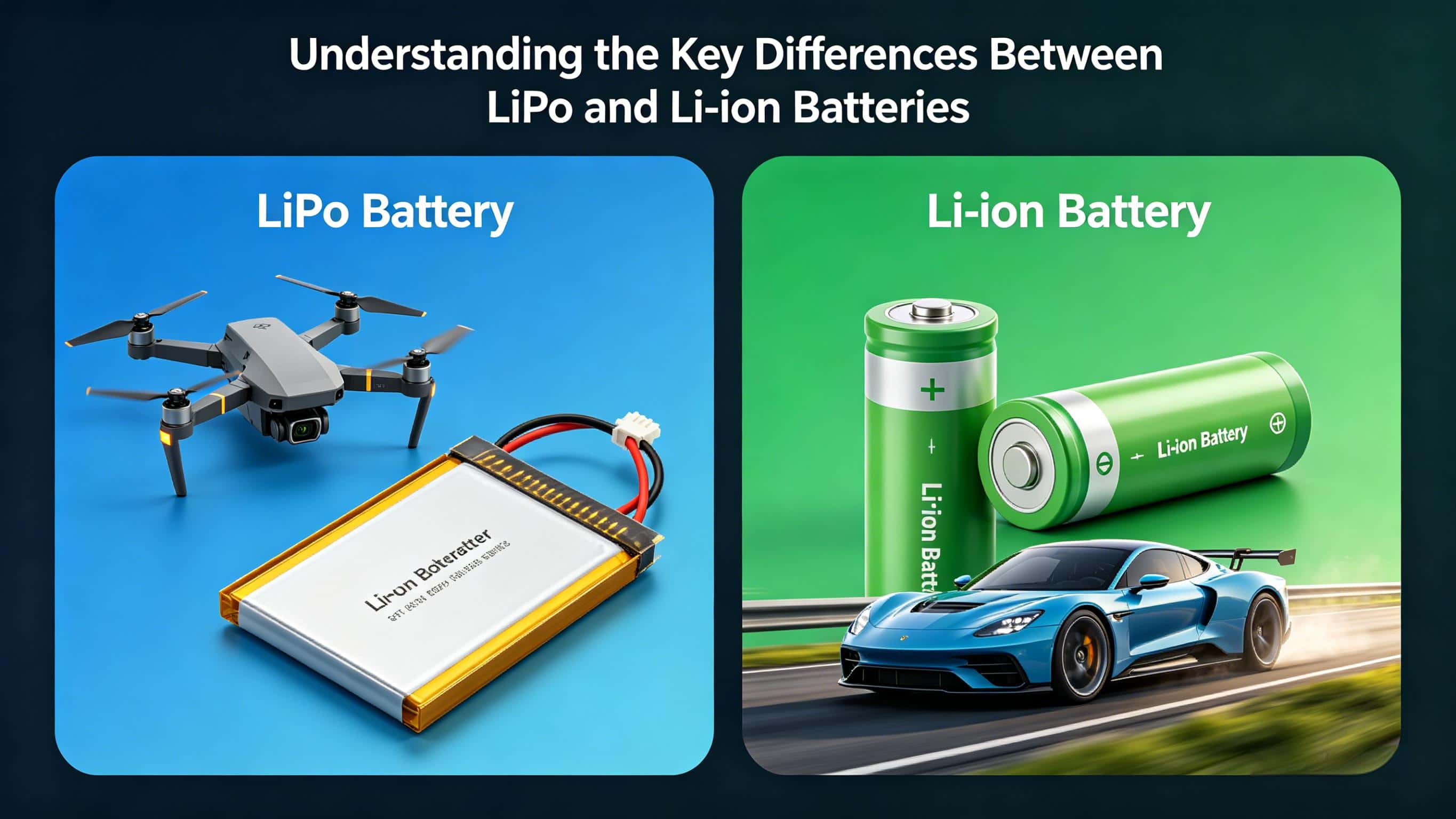
When it comes to choosing the right battery technology for your application, the decision between Lithium Polymer (LiPo) and Lithium-ion (Li-ion) batteries can significantly impact performance, safety, and longevity. Each type of battery has distinct advantages and disadvantages based on energy density, flexibility, power output, and lifecycle. Whether you’re in the electronics, automotive, or renewable energy sector, understanding these differences is essential to making the right choice.
In this article, we’ll explore the fundamental distinctions between LiPo and Li-ion batteries, helping you make an informed decision that aligns with your specific needs.
What Are LiPo and Li-ion Batteries?
1.1 What Is a Lithium Polymer Battery (LiPo)?
A Lithium Polymer (LiPo) battery is a type of rechargeable battery that uses a gel-like polymer electrolyte instead of the liquid electrolyte found in traditional Li-ion batteries. This solidified electrolyte design offers enhanced safety by reducing the risk of leakage and allows for more flexible and compact designs. LiPo batteries are commonly used in drones, remote control (RC) models, and wearable devices, where space and weight constraints are critical factors.
LiPo batteries provide high energy density, making them suitable for high-power applications, and their customizable shapes make them ideal for industries where battery form factor flexibility is essential.
1.2 What Is a Lithium-ion Battery (Li-ion)?
On the other hand, a Lithium-ion (Li-ion) battery is known for its high energy density and long lifespan, making it the go-to choice for larger-scale energy storage solutions. Li-ion batteries use a liquid electrolyte to facilitate ion movement between the anode and cathode during charge and discharge cycles. The small size of lithium ions allows these batteries to store more energy in less space, which is why they are frequently used in electric vehicles (EVs), consumer electronics, and grid energy storage systems.
Key Differences Between LiPo and Li-ion Batteries
2.1 Composition and Design: Flexibility vs. Efficiency
The core distinction between LiPo and Li-ion batteries lies in their electrolyte composition:
- Li-ion Batteries: These use a liquid electrolyte that facilitates smooth ion transfer, contributing to their high energy density. However, this design necessitates a rigid casing to contain the liquid, making them less flexible in terms of form factor.
- LiPo Batteries: Instead of liquid, LiPo batteries employ a gel-like polymer electrolyte, which, while slightly less efficient in ion movement, provides greater flexibility and shape customization. This makes LiPo batteries ideal for applications where design flexibility is a key factor, such as drones and wearables.
2.2 Performance Metrics: Energy Density, Power Output, and Lifespan
When evaluating battery performance, energy density, power output, and lifespan are critical metrics. Here’s a breakdown of these factors:
| Metric | LiPo | Li-ion |
|---|---|---|
| Energy Density | Higher than Li-ion | Lower than LiPo |
| Power Output | Generally higher, ideal for high-discharge applications like drones | Varies, but typically lower |
| Lifespan | 500–800 cycles | Up to 5,000 cycles (with proper care) |
LiPo batteries provide superior energy density, which translates to longer run times in compact devices. However, they may begin to degrade more quickly after around 450 cycles due to dendritic salt formation. In contrast, Li-ion batteries have a slightly lower energy density but excel in durability, offering longer lifespans (up to 5,000 cycles) when used correctly.
2.3 Safety Considerations: Preventing Hazards
Safety is a paramount concern when selecting batteries, especially for industrial applications. Here’s how LiPo and Li-ion batteries compare:
- Li-ion Batteries: Prone to thermal runaway (a self-perpetuating cycle of overheating and fire) if exposed to overcharging, deep discharging, or physical damage.
- LiPo Batteries: While they are less prone to leakage thanks to their gel electrolyte, they may swelling under extreme conditions. Proper care and monitoring are crucial to prevent potential hazards such as overheating or swelling.
In both cases, safety measures like overcharge protection, ventilation, and regular monitoring are necessary to ensure longevity and safe operation.
2.4 Cost and Maintenance: Long-term Investment Analysis
While initial costs can vary, the long-term investment and maintenance costs should be taken into account:
- LiPo Batteries typically come at a higher initial cost due to their flexibility and lightweight design. However, their capacity tends to degrade after 800 cycles if used improperly.
- Li-ion Batteries, while generally cheaper, offer longer lifespans and better cost-effectiveness over time, especially in applications like electric vehicles or renewable energy storage.
Both types require careful maintenance, including monitoring charge cycles and adhering to manufacturer guidelines to maximize lifespan and minimize maintenance costs.
Choosing the Right Battery: Practical Recommendations
3.1 When to Choose Lithium Polymer (LiPo) Batteries
LiPo batteries are ideal for industries where lightweight, flexible, and high-discharge power solutions are crucial. If your application requires a compact, lightweight design, or you need a battery that can deliver rapid bursts of energy, LiPo is the way to go. Common applications include:
- Drones and RC models: Their high energy density and power output make LiPo batteries the preferred choice for applications requiring quick energy delivery.
- Wearable tech: Their flexible design allows for easy integration into small, curved, or wearable devices.
If your project involves space-constrained designs that require high energy in short bursts, LiPo batteries are a great fit. However, they should be handled with care to avoid swelling and ensure long-term safety.
3.2 When to Choose Lithium-ion (Li-ion) Batteries
If your application demands long-term reliability, high energy storage, and durability, Li-ion batteries are the better option. Key industries where Li-ion batteries excel include:
- Electric vehicles (EVs): Their longevity and energy density make them perfect for powering vehicles.
- Renewable energy: Ideal for storing energy in large-scale solar or wind energy systems.
- Consumer electronics: Li-ion batteries are the industry standard for powering laptops, smartphones, and tablets.
For operations that require consistent performance over thousands of charge cycles, Li-ion batteries provide the best cost-effectiveness and reliability in the long term.
Conclusion
Choosing between LiPo and Li-ion batteries depends on your unique needs. LiPo batteries excel in applications where lightweight and flexible designs are crucial, while Li-ion batteries provide durability, long lifespan, and cost-effectiveness for larger-scale energy needs.
By understanding the key differences between these two battery types, you can make a more informed decision and ensure that your project achieves optimal performance, safety, and longevity.
- Next:Fast Charging vs Slow Charging: Which is Better for Lithium Battery Life?
- Previous:Battery Load Test Guide: How to Test Your LiFePO4 Battery Performance (2026)
Contact Details
Lithium LiFePO4 Batteries and Lithium LiFePO4 Cells Supplier - LiFePO4 Battery Shop
Contact Person: Miss. Elena Wang
WhatsApp : +8615263269227
Skype : +8615263269227
WeChat :15263269227
Email : info@lifepo4batteryshop.com
All Products
- TC Elcon Charger (0)
- Headway Lithium Battery (6)
- Blade Battery (10)
- Semi Solid State Battery (6)
- A123 Battery (6)
- Sinopoly Battery (7)
- GBS Battery (16)
- CALB Battery (25)
- Cylindrical Cell (9)
- Energy Storage System (0)
- Battery Management System (11)
- Sodium ion Battery Cell (4)
- Lithium Titanate Battery (22)
- Ternary Lithium Battery Cell (12)
- REPT Battery (10)
- BYD Battery (5)
- CATL Battery (15)
- Thunder Sky Winston Battery (26)
- EVE Battery (35)
- LiFePO4 Battery Cell (17)
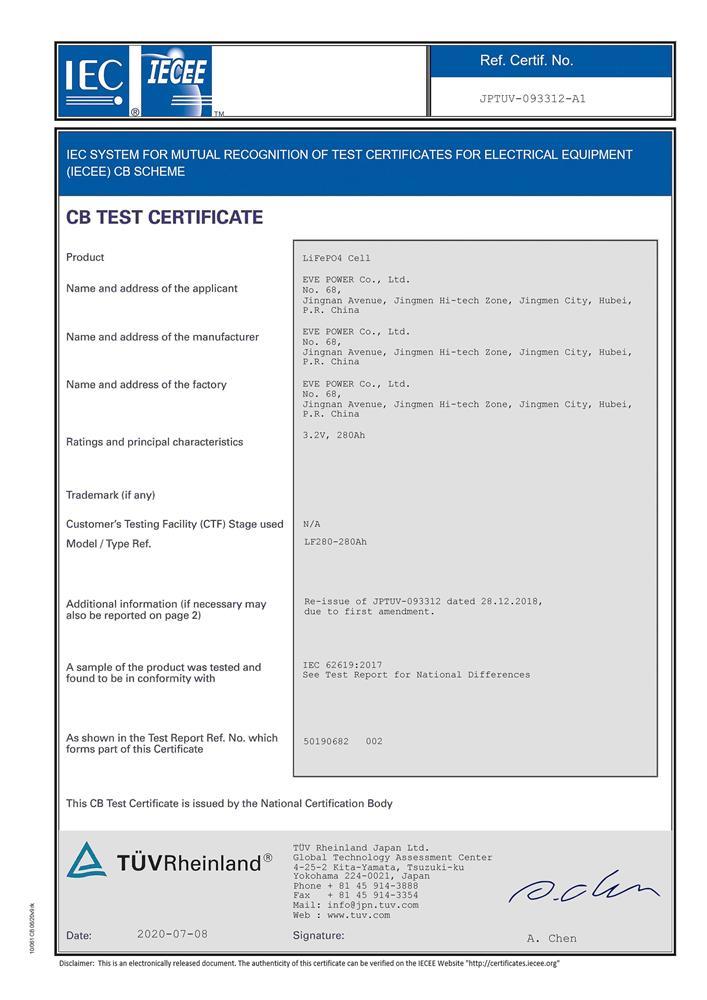
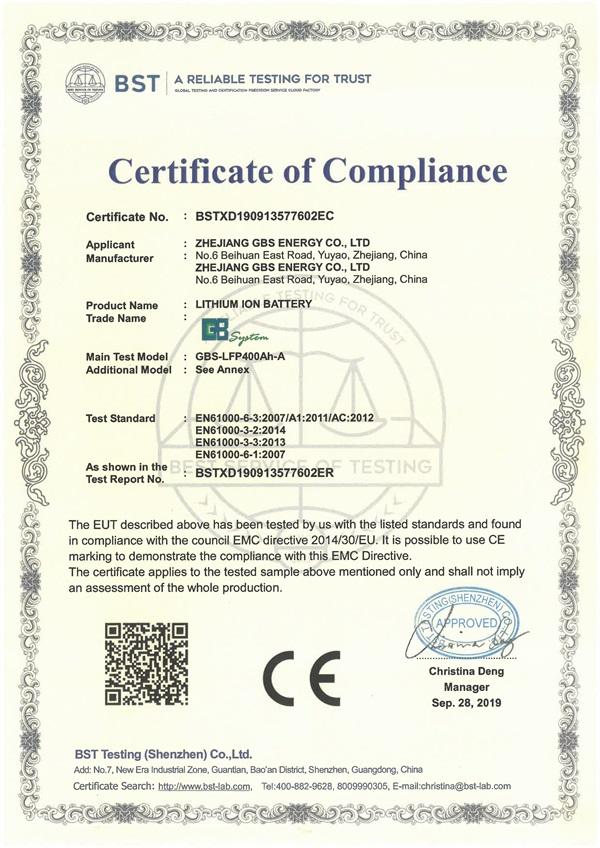
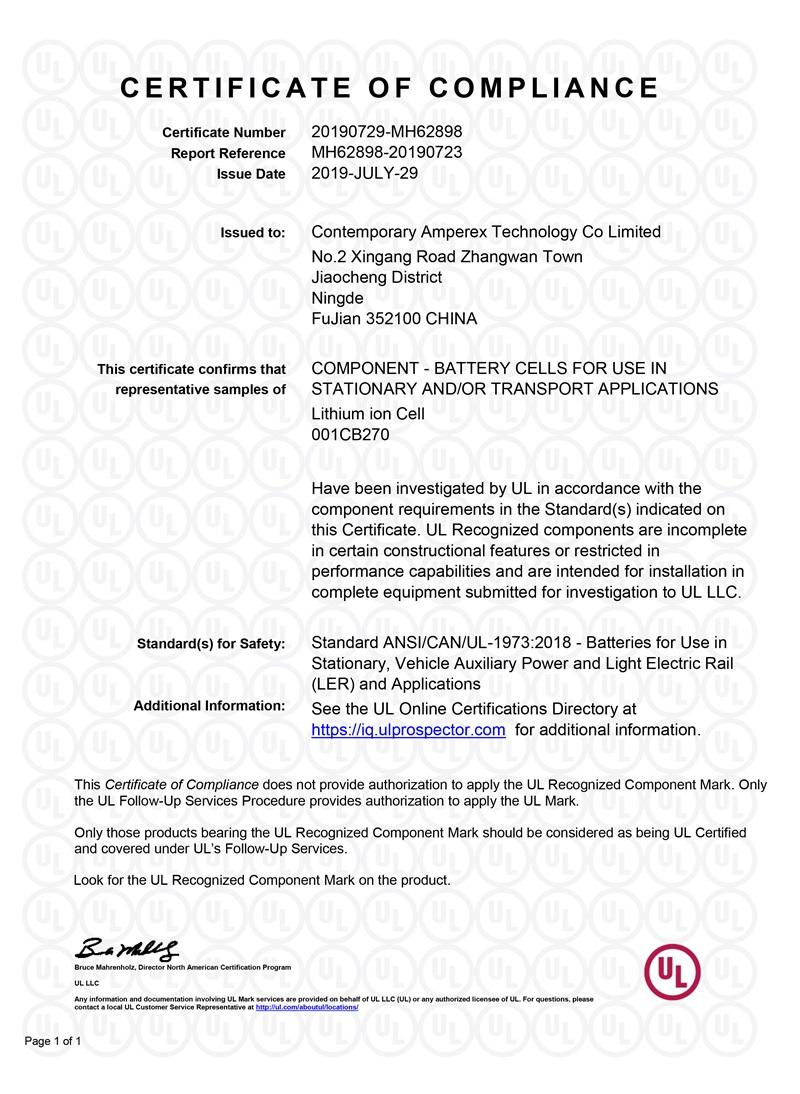
Certification
Customer Reviews
- I have fond memories of our meeting in Shanghai with LiFePO4 Battery Shop Elena. Your company left a strong impression on me with its impressive growth and professionalism. We both value straightforwardness and honesty, which I believe are the most important qualities in any partnership. I am confident that we can build a successful collaboration based on these shared values. —— Robert from USA
- I've been working with LiFePO4 Battery Shop for years, and their reliability is unmatched. While other suppliers frequently change sales teams, LiFePO4 Battery Shop has consistently provided exceptional service with a stable team. Their commitment to quality and customer support truly sets them apart. —— Henry from Australia