
Blog
Fast Charging vs Slow Charging: Which is Better for Lithium Battery Life?
2026-04-18 | Calvin
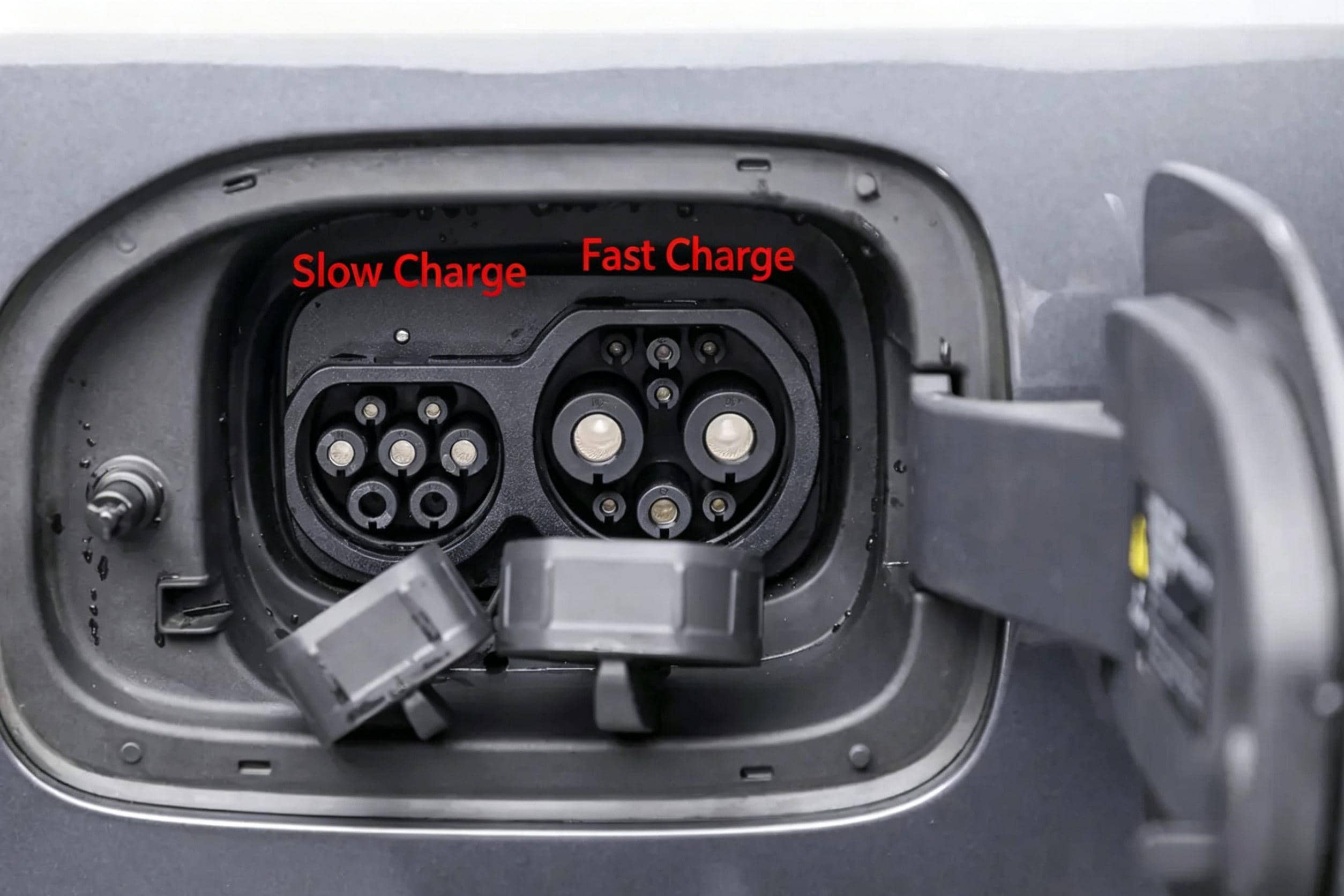
When deciding between fast charging and slow charging for your lithium battery, it’s crucial to consider how each method affects long-term battery health. Slow charging generates less heat, which reduces chemical stress and cell degradation, making it the better option for maximizing battery life. On the other hand, fast charging provides convenience and speed, but it may lead to accelerated aging of the battery due to heat buildup and increased chemical stress.
Key Takeaways:
- Slow charging is better for battery health. It keeps the battery cooler and reduces stress, ultimately extending its lifespan.
- Fast charging is useful for quick power replenishment, but it should be used sparingly to prevent excessive wear.
- Maintain a charge between 20-80% for optimal battery longevity. This range helps the battery retain its health and perform well over time.
Part 1: Understanding Fast and Slow Charging
1.1 What is Fast Charging for Lithium Batteries?
Fast charging is a method designed to quickly restore power to lithium batteries by delivering higher currents, typically via DC fast charging systems. Fast charging technologies, such as DC fast charging (ranging from 20 kW to 120 kW), allow electric vehicles (EVs) to charge in as little as 15 minutes, compared to several hours with slower methods.
While it offers the advantage of minimizing downtime for industries like fleet vehicles, robotics, and industrial machinery, fast charging presents challenges such as heat generation and battery safety concerns. To mitigate these risks, modern fast chargers are equipped with thermal management systems and stable power supplies to prevent excessive heating and ensure reliability during rapid charging events.
1.2 What is Slow Charging for Lithium Batteries?
Slow charging, in contrast, involves delivering energy at a much lower rate, usually through AC charging systems. With lower power levels (up to 2 kW), slow charging requires longer durations—typically six hours or more to fully charge a lithium battery. This method minimizes heat generation and stress on the battery’s chemical components, helping to extend the battery's operational lifespan.
For applications where battery health is paramount—such as medical devices, consumer electronics, and critical infrastructure—slow charging is the preferred method, ensuring longevity and reliability.
1.3 Key Differences Between Fast and Slow Charging
| Feature | Fast Charging | Slow Charging |
|---|---|---|
| Power Source | DC (20-120 kW) | AC (up to 2 kW) |
| Charging Speed | Rapid (15 minutes to 1 hour) | Gradual (6 hours or more) |
| Heat Generation | High | Low |
| Battery Longevity Impact | Accelerated degradation | Prolonged lifespan |
While fast charging is indispensable for high-demand scenarios, such as electric vehicle fleets and commercial equipment, slow charging remains the go-to choice for applications focused on battery longevity and health.
Part 2: Effects of Fast Charging on Lithium Battery Longevity
2.1 Heat Generation and Its Impact on Battery Packs
Fast charging generates substantial heat due to the high current required. This heat can easily exceed safe operating limits, leading to accelerated degradation. For instance, studies show that battery temperatures can rise above 75°C within minutes of fast charging, which can reduce the battery's efficiency and lifespan over time.
Thermal management is critical here—advanced cooling technologies are employed to dissipate heat and maintain optimal performance, but without these systems, fast charging can cause severe wear and tear on battery cells, particularly in high-demand applications like robotics or fleet vehicles.
2.2 Chemical Stress and Accelerated Degradation
Fast charging places significant chemical stress on lithium batteries. The rapid movement of ions within the cell can cause structural damage, including electrode deformation and the formation of gas pockets. Studies show that using 100% State of Charge (SOC) and 100% Depth of Discharge (DOD) during fast charging leads to the highest degradation rates, cutting cycle life to approximately 956 cycles. In comparison, limiting SOC and DOD (e.g., charging to 80%) can significantly improve cycle life, extending it to over 4,200 cycles.
For critical applications, such as medical devices, managing fast charging parameters is essential to preserve battery reliability.
2.3 When Fast Charging is Necessary for Operational Efficiency
In certain scenarios, such as electric vehicle fleets and industrial operations, fast charging is non-negotiable due to its ability to minimize downtime. Technological innovations, such as smart charging systems, are improving the balance between charging speed and battery health. These systems can preheat batteries or optimize charging speeds to reduce thermal and chemical stress, improving battery longevity while meeting operational efficiency needs.
Part 3: Effects of Slow Charging on Lithium Battery Longevity
3.1 Reduced Stress on Lithium Battery Cells
Slow charging reduces stress on battery cells, allowing ions to move more slowly, reducing the likelihood of structural damage. This method minimizes heat and chemical strain, which is particularly beneficial for applications that require high battery reliability, like medical devices or consumer electronics.
For industries focused on longevity and battery health, slow charging is often the best option to preserve battery capacity and performance.
3.2 Prolonged Lifespan and Charge Cycle Retention
Research has shown that slow charging helps batteries maintain more than 80% capacity retention even after extensive use. This makes slow charging ideal for applications that require consistent and long-lasting battery performance, like robotics or security systems.
| Key Findings | Details |
|---|---|
| Capacity Retention | >80% after 200,000 km |
| State of Health | >90% after 3-5 years |
| Aging Mechanisms | Calendar and cyclical aging |
By sticking to best practices, such as maintaining a charge between 20-80%, slow charging can maximize a battery’s life cycle and improve its overall performance.
3.3 Challenges of Slow Charging in High-Demand Applications
Despite its benefits, slow charging can present challenges in high-demand sectors. For example, in industrial applications, the extended charging time required for slow charging may not align with operational schedules. Additionally, public slow charging stations may be limited, and the planning for long-distance travel could be complicated.
Nonetheless, for applications that prioritize battery longevity, slow charging remains an optimal choice.
Part 4: Comparing Fast and Slow Charging for Battery Health
4.1 Pros and Cons of Fast Charging for Lithium Batteries
Pros:
- Rapid charging minimizes downtime, ideal for fleet vehicles and industrial machinery.
- Technological advancements, such as smart charging systems, can reduce the negative impacts on battery health.
Cons:
- Excessive heat and chemical stress can lead to faster degradation and shorter cycle life.
- Frequent use can cause structural damage to battery cells, reducing long-term reliability.
4.2 Pros and Cons of Slow Charging for Lithium Batteries
Pros:
- Reduces heat and chemical stress, promoting longer battery life.
- Economical for daily use and reliable for applications requiring stable battery performance.
Cons:
- Slower charging times may not meet the needs of high-demand operations.
- Limited availability of slow charging stations in certain areas.
4.3 Selecting the Optimal Charging Method for Your Battery Pack
Choosing between fast and slow charging depends on the specific needs of your application. For high-demand operations, fast charging is critical to minimize downtime. However, for long-term battery health, slow charging is the most cost-effective method.
| Charging Method | Best Use Case | Key Considerations |
|---|---|---|
| Fast Charging | Fleet vehicles, industrial equipment | Prioritize operational efficiency and mitigate thermal stress with smart systems |
| Slow Charging | Medical devices, consumer electronics | Focus on battery longevity, plan for extended charging times |
Conclusion
Both fast and slow charging have their place, but they come with trade-offs. If you are looking to extend the life of your lithium battery, slow charging should be your go-to method. However, in scenarios where time is of the essence, fast charging can provide the necessary speed—just be mindful of the risks involved.
To maximize the longevity of your lithium batteries, consider hybrid charging strategies that combine both fast and slow charging, depending on your specific needs.
FAQ
Does fast charging always damage lithium batteries?
Fast charging doesn’t inherently damage batteries, but frequent use without proper thermal management can lead to faster degradation. Use sparingly to maintain battery health.
How can you extend the lifespan of your lithium battery?
Maintain a charge between 20-80%, avoid extreme temperatures, and limit fast charging to prolong battery life.
Is slow charging better for all applications?
Slow charging is ideal for applications prioritizing battery longevity, but high-demand scenarios may require fast charging for operational efficiency.
- Next:12V 100Ah vs. 24V 100Ah Batteries: Key Differences and Best Uses for Your Energy System
- Previous:Understanding the Key Differences Between LiPo and Li-ion Batteries: Which One is Right for Your Needs?
Contact Details
Lithium LiFePO4 Batteries and Lithium LiFePO4 Cells Supplier - LiFePO4 Battery Shop
Contact Person: Miss. Elena Wang
WhatsApp : +8615263269227
Skype : +8615263269227
WeChat :15263269227
Email : info@lifepo4batteryshop.com
All Products
- TC Elcon Charger (0)
- Headway Lithium Battery (6)
- Blade Battery (10)
- Semi Solid State Battery (6)
- A123 Battery (6)
- Sinopoly Battery (7)
- GBS Battery (16)
- CALB Battery (25)
- Cylindrical Cell (9)
- Energy Storage System (0)
- Battery Management System (11)
- Sodium ion Battery Cell (4)
- Lithium Titanate Battery (22)
- Ternary Lithium Battery Cell (12)
- REPT Battery (10)
- BYD Battery (5)
- CATL Battery (15)
- Thunder Sky Winston Battery (26)
- EVE Battery (35)
- LiFePO4 Battery Cell (17)
Certification
Customer Reviews
- I have fond memories of our meeting in Shanghai with LiFePO4 Battery Shop Elena. Your company left a strong impression on me with its impressive growth and professionalism. We both value straightforwardness and honesty, which I believe are the most important qualities in any partnership. I am confident that we can build a successful collaboration based on these shared values. —— Robert from USA
- I've been working with LiFePO4 Battery Shop for years, and their reliability is unmatched. While other suppliers frequently change sales teams, LiFePO4 Battery Shop has consistently provided exceptional service with a stable team. Their commitment to quality and customer support truly sets them apart. —— Henry from Australia