
Blog
Battery Load Test Guide: How to Test Your LiFePO4 Battery Performance (2026)
2026-04-24 | Calvin
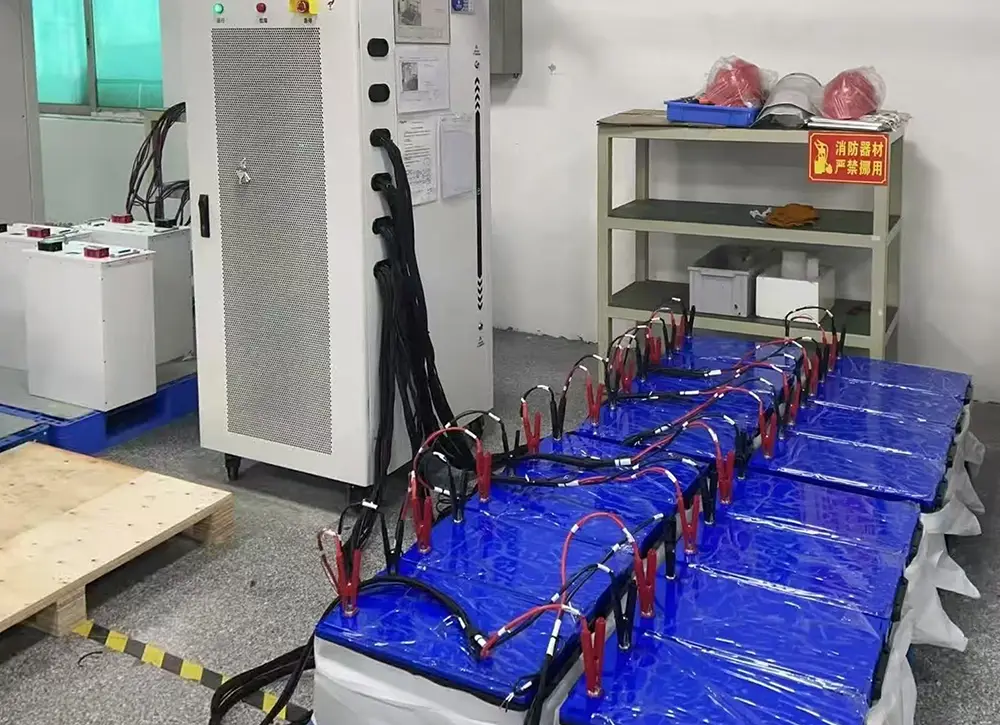
Have you ever wondered why your battery suddenly fails when you need it most? The answer often lies not in the battery's age, but in its ability to deliver power under real-world conditions. A battery load test is the most reliable way to assess your battery's true health and performance—going far beyond a simple voltage check.
In this comprehensive guide, you'll learn exactly how to perform a battery load test on your LiFePO4 batteries, interpret the results accurately, and make informed decisions about maintenance or replacement. Whether you're a DIY enthusiast managing your RV's power system or a professional maintaining commercial solar installations, this guide will walk you through the entire process step by step.
Key Takeaways
- Load testing simulates real-world usage by applying an electrical load to measure how your battery performs under stress
- LiFePO4 batteries require specific testing parameters different from traditional lead-acid batteries
- The test takes only 10-15 seconds but provides crucial insights into battery health and remaining capacity
- Common mistakes can damage your battery or give false readings—we'll show you exactly what to avoid
- Regular testing extends battery life by catching issues early before they cause system failures
Part 1: Understanding Battery Load Testing
1.1 What is a Battery Load Test?
A battery load test evaluates your battery's ability to maintain voltage while delivering a specified amount of current. Unlike a simple voltage reading (which only tells you the battery's resting state), a load test simulates actual usage conditions by drawing power from the battery for a short period—typically 10 to 15 seconds.
Think of it this way: checking your battery's voltage without a load is like checking if your car has gas. A load test is like actually starting the engine and seeing if it runs smoothly. The voltage reading tells you potential energy; the load test tells you usable performance.
For LiFePO4 (Lithium Iron Phosphate) batteries, this distinction is especially important. These batteries maintain a relatively flat voltage discharge curve, meaning their voltage stays consistent until they're nearly depleted. A simple voltage check might show 13.0V (appearing healthy), but a load test could reveal the battery can't sustain that voltage under demand—indicating internal degradation or capacity loss.
1.2 When Should You Test Your Battery?
Regular Maintenance Schedule:
- New battery baseline: Test within the first week to establish performance benchmarks
- Quarterly testing: Every 3 months for batteries in daily use (RVs, off-grid solar, marine applications)
- Bi-annual testing: Every 6 months for backup or seasonal-use batteries
- Annual testing: For lightly used systems or stationary energy storage
Performance-Based Testing (Test Immediately If You Notice):
- Decreased runtime on a single charge
- Slower charging speeds than normal
- Battery feels unusually warm during discharge
- Voltage drops more quickly than expected during use
- The battery is over 3 years old (even if performing normally)
- After purchasing a used or refurbished battery
- Before and after long-term storage (3+ months)
Critical System Testing: For mission-critical applications (medical equipment, emergency backup power, telecommunications), test monthly regardless of apparent performance.
1.3 Tools You'll Need
Here's everything required for a safe and accurate battery load test:
| Tool | Purpose | Approximate Cost |
|---|---|---|
| Battery Load Tester | Applies calibrated load and measures voltage drop | $50 - $150 |
| Digital Multimeter | Verifies resting voltage before/after test | $20 - $60 |
| Safety Glasses | Eye protection from potential sparks | $5 - $15 |
| Insulated Gloves | Hand protection during connections | $10 - $25 |
| Notebook/Phone | Record test results and voltage readings | Free |
| Battery Charger (if needed) | Bring battery to full charge before testing | $40 - $120 |
Recommended Load Tester Types for LiFePO4:
- Carbon pile testers (traditional, manual control): Best for occasional testing, budget-friendly
- Electronic load testers (digital, automated): More precise, easier to use, worth the investment for frequent testing
- Professional battery analyzers ($200+): Include capacity testing, internal resistance measurement, and data logging—ideal for commercial applications
Important Note: Automotive battery testers designed for 12V lead-acid batteries may work for 12V LiFePO4 batteries, but verify the tester supports lithium chemistry and appropriate load ranges. Some testers automatically adjust; others require manual configuration.
Part 2: Step-by-Step Load Testing Process
2.1 Safety First: Pre-Test Preparation
Before you begin testing, complete this safety checklist:
Environment Setup:
- [ ] Work in a well-ventilated area (outdoors or garage with open doors)
- [ ] Clear workspace of flammable materials
- [ ] Ensure stable, level surface for battery placement
- [ ] Have a fire extinguisher nearby (Class C for electrical fires)
- [ ] Avoid testing in extreme temperatures (below 0°C or above 45°C)
Personal Protective Equipment:
- [ ] Safety glasses secured over eyes
- [ ] Insulated gloves on both hands
- [ ] No loose jewelry or metal objects
- [ ] Wear closed-toe shoes (not sandals)
Battery Visual Inspection:
- [ ] Check for casing cracks, bulges, or deformation
- [ ] Inspect terminals for corrosion, damage, or loose connections
- [ ] Look for signs of leakage (though LiFePO4 batteries rarely leak)
- [ ] Verify BMS (Battery Management System) indicator lights show normal status
Common Hazards to Avoid:
- Short circuits: Never let metal tools touch both terminals simultaneously
- Reversed polarity: Double-check positive/negative before connecting
- Overheating: Stop immediately if battery becomes hot to touch
- Sparking: If you see persistent sparking during connection, stop and investigate
If any visual damage is present, do not proceed with testing. A damaged battery should be professionally evaluated or safely disposed of.
2.2 Step 1: Visual Inspection & State of Charge Check
A. Measure Resting Voltage (No Load):
- Set your digital multimeter to DC voltage (20V range)
- Touch the red probe to the positive (+) terminal
- Touch the black probe to the negative (-) terminal
- Record the voltage reading
LiFePO4 Voltage State of Charge Reference:
| Voltage (12V System) | Approximate State of Charge | Action Required |
|---|---|---|
| 14.4V - 14.6V | 100% (just off charger) | Wait 1-2 hours before testing |
| 13.3V - 13.4V | 100% (rested) | ✅ Ready to test |
| 13.0V - 13.2V | 80-90% | Charge before testing |
| 12.8V - 12.9V | 50-70% | Charge before testing |
| Below 12.8V | Below 50% | ⚠️ Charge immediately |
B. Charge to Appropriate Level:
For accurate load testing, your LiFePO4 battery should be between 80-100% state of charge. If voltage is below 13.0V:
- Connect to an appropriate LiFePO4-compatible charger
- Charge until voltage reaches 13.3V - 14.4V
- Disconnect charger and wait 30-60 minutes for voltage to stabilize
- Re-measure resting voltage (should settle around 13.3V - 13.4V)
Why This Matters: Testing a partially discharged battery gives artificially poor results. You're testing the battery's ability to deliver power from a charged state—just as it would function in real-world emergency or high-demand situations.
2.3 Step 2: Connecting the Load Tester
Now that your battery is properly charged and inspected, follow these connection steps precisely:
A. Prepare the Load Tester:
- Set the load tester to the appropriate load value (see calculation below)
- Ensure the tester is in the "off" position before connecting
- Verify tester cables are in good condition (no fraying or exposed wire)
B. Calculate Appropriate Load:
For LiFePO4 batteries, use 50% of the battery's rated capacity (Ah) multiplied by battery voltage as your test load.
Formula:
Test Load (Watts) = Battery Capacity (Ah) × Battery Voltage (V) × 0.5
Examples:
- 100Ah 12V LiFePO4 battery: 100 × 12 × 0.5 = 600 watts
- 200Ah 12V LiFePO4 battery: 200 × 12 × 0.5 = 1,200 watts
- 50Ah 24V LiFePO4 battery: 50 × 24 × 0.5 = 600 watts
If your tester displays amperage instead of wattage, use:
Test Load (Amps) = Battery Capacity (Ah) × 0.5
Example: 100Ah battery → 50 amp load
C. Physical Connection Steps:
- Positive first: Attach the red (positive) clamp to the battery's positive (+) terminal firmly
- Negative second: Attach the black (negative) clamp to the battery's negative (-) terminal firmly
- Double-check: Visually confirm red is on +, black is on -
- Secure connection: Ensure clamps have solid metal-to-metal contact (no paint or corrosion in the way)
Common Connection Mistakes:
- ❌ Reversed polarity (red on negative, black on positive)—can damage the battery's BMS
- ❌ Loose connections—will cause arcing and inaccurate readings
- ❌ Connecting to battery posts with corrosion—clean terminals first with a wire brush
- ❌ Touching the clamps together during connection—creates dangerous short circuit
Pro Tip: If you're nervous about connections, connect the load tester while it's off, double-check polarity, then activate the load. This prevents any accidental sparking during connection.
2.4 Step 3: Applying Load & Monitoring
With everything safely connected, you're ready to perform the actual test:
A. Activate the Load (10-15 Second Test):
- Activate your load tester to apply the calculated load
- Start a timer immediately (use your phone's stopwatch)
- Watch the voltage display on the tester (or use your multimeter if tester doesn't display voltage)
- Observe voltage continuously for 10-15 seconds
- After 10-15 seconds: Turn off the load tester
- Record the final voltage at the end of the test period
B. What to Watch For During Testing:
| Observation | Meaning | Action |
|---|---|---|
| Voltage drops gradually and stabilizes above 12.0V | ✅ Healthy battery | Continue monitoring |
| Voltage drops below 12.0V within 10 seconds | ⚠️ Weak battery | Stop test, investigate |
| Voltage drops below 11.0V within 5 seconds | 🚨 Failed battery | Stop immediately |
| Battery becomes hot to touch | 🚨 Problem detected | Stop immediately |
| Sparking or smoking | 🚨 Critical failure | Disconnect immediately |
C. When to Stop the Test Early:
Stop the test immediately if:
- Voltage drops below 11.0V
- Battery case becomes hot (>50°C / 122°F)
- You smell burning or see smoke
- The BMS disconnects (some LiFePO4 batteries have built-in protection that will cut power)
- Sparking occurs at the terminals
LiFePO4-Specific Consideration:
Unlike lead-acid batteries (which should maintain at least 9.6V under load for a 12V battery), LiFePO4 batteries should maintain at least 12.0V during the 10-15 second test. The acceptable voltage drop is smaller because of the chemistry's flatter discharge curve.
2.5 Step 4: Recording & Analyzing Results
Immediately after stopping the load, document these data points:
Test Record Template:
Date: __________
Battery Model: __________
Capacity Rating: __________ Ah
Age: __________ (months/years)
Resting Voltage (before test): __________ V
Load Applied: __________ watts (or amps)
Voltage Under Load (after 10-15 sec): __________ V
Voltage Drop: __________ V
Recovery Voltage (5 min after test): __________ V
Temperature: __________ °C
Test Result: PASS / MARGINAL / FAIL
Quick Judgment Criteria:
| Final Voltage Under Load | Battery Status | Recommendation |
|---|---|---|
| 12.8V or higher | ✅ Excellent | Battery is healthy, continue normal use |
| 12.0V - 12.7V | ⚠️ Good to Fair | Acceptable, monitor more frequently |
| 11.0V - 11.9V | ⚠️ Marginal | Consider replacement soon (6-12 months) |
| Below 11.0V | 🚨 Failed | Replace immediately or reduce load demands |
Recovery Voltage Check:
Wait 5 minutes after the test, then measure voltage again:
- Healthy batteries recover to within 0.1V - 0.3V of the original resting voltage
- Weak batteries may recover slowly or settle significantly lower
- If recovery voltage is below 13.0V (from an initial 13.3V reading), the battery has capacity loss
Part 3: Understanding Your Test Results
3.1 Voltage Drop Explained (Simple Terms)
What is "Voltage Drop"?
Voltage drop is the difference between your battery's resting voltage (no load) and the voltage measured while under load during the test.
Example Calculation:
- Resting voltage: 13.3V
- Voltage under load: 12.4V
- Voltage drop: 13.3V - 12.4V = 0.9V drop
Normal Ranges for LiFePO4 Batteries:
| Voltage Drop | What It Means |
|---|---|
| 0.3V - 0.6V | ✅ Excellent - Low internal resistance, healthy cells |
| 0.7V - 1.0V | ⚠️ Acceptable - Normal aging, monitor regularly |
| 1.1V - 1.5V | ⚠️ Moderate degradation - Plan for replacement |
| Above 1.5V | 🚨 High internal resistance - Battery failing |
LiFePO4 vs. Other Lithium Batteries:
LiFePO4 batteries have lower voltage drops compared to other lithium-ion chemistries (like NMC or NCA) under the same load conditions. This is one of their key advantages—stable voltage delivery throughout the discharge cycle.
If you test a LiFePO4 battery and see a voltage drop exceeding 1.5V, this is unusual and indicates either:
- Significant internal resistance buildup
- Cell imbalance within the battery pack
- BMS (Battery Management System) limiting current
- Manufacturing defect or physical damage
Temperature Impact on Voltage Drop:
Cold temperatures increase internal resistance, which increases voltage drop:
- At 25°C (77°F): Normal voltage drop
- At 0°C (32°F): Voltage drop may increase by 20-30%
- At -10°C (14°F): Voltage drop may increase by 40-50%
Pro Tip: Always test batteries at room temperature (20-25°C) for the most accurate results. If you must test in cold conditions, note the temperature and account for the expected increase in voltage drop.
3.2 Capacity vs Performance
Understanding the Difference:
- Capacity = How much total energy the battery can store (measured in Ah or Wh)
- Performance = How well the battery can deliver that energy under load
A battery can have decent remaining capacity but poor performance if its internal resistance has increased. This is why voltage-only checks are misleading.
Capacity Retention Estimate:
While a load test doesn't directly measure capacity (that requires a full discharge test), you can estimate capacity retention from voltage drop:
| Voltage Drop | Estimated Capacity Retention |
|---|---|
| 0.3V - 0.6V | 90-100% of rated capacity |
| 0.7V - 1.0V | 70-90% of rated capacity |
| 1.1V - 1.5V | 50-70% of rated capacity |
| Above 1.5V | Below 50% of rated capacity |
Real-World Example Comparison:
Scenario A: New 100Ah LiFePO4 Battery
- Resting voltage: 13.3V
- Voltage under 600W load: 12.9V
- Voltage drop: 0.4V
- Result: ✅ Excellent performance, ~95% capacity retention
Scenario B: 4-Year-Old 100Ah LiFePO4 Battery
- Resting voltage: 13.2V
- Voltage under 600W load: 12.0V
- Voltage drop: 1.2V
- Result: ⚠️ Degraded performance, ~60% capacity retention (effective capacity now ~60Ah)
In Scenario B, the battery might still show 13.2V at rest (appearing healthy), but under real-world loads, it can only deliver about 60% of its original capacity before voltage sags unacceptably.
3.3 Next Steps: Maintain, Repair, or Replace?
Based on your test results, here's how to proceed:
✅ If Voltage Drop is 0.3V - 0.6V (EXCELLENT):
Action: Continue normal use and monitoring
- Test again in 3-6 months
- Maintain proper charging practices (avoid chronic undercharging or overcharging)
- Keep battery in temperature-controlled environment when possible (15-25°C ideal)
- Expected remaining lifespan: 70-100% of rated cycle life remaining
⚠️ If Voltage Drop is 0.7V - 1.0V (ACCEPTABLE TO FAIR):
Action: Increase monitoring frequency
- Test monthly instead of quarterly
- Check BMS firmware for updates (some manufacturers release updates that optimize performance)
- Verify charger settings are correct for LiFePO4 (14.4V - 14.6V bulk charge, 13.6V float)
- Consider load reduction if possible (e.g., reduce inverter draw, stagger high-power appliances)
- Expected remaining lifespan: 40-70% of rated cycle life remaining
⚠️ If Voltage Drop is 1.1V - 1.5V (MARGINAL):
Action: Plan for replacement within 6-12 months
- Budget for new battery purchase
- Reduce load demands where feasible
- Avoid deep discharges (stay above 20% SOC)
- Monitor for sudden performance drops
- Consider professional capacity test to confirm exact remaining capacity
- Expected remaining lifespan: 10-40% of rated cycle life remaining
🚨 If Voltage Drop is Above 1.5V (FAILED):
Action: Replace immediately or consult professional
- Do not rely on this battery for critical applications
- Use only for non-essential, light loads if continuing to use
- Contact manufacturer if battery is under warranty
- Professional testing may identify:
- oCell imbalance (can sometimes be corrected with balancing)
- oBMS malfunction (can sometimes be replaced separately)
- oPhysical damage (battery must be replaced)
When to Seek Professional Help:
Contact a battery specialist or the manufacturer if:
- Voltage drop is inconsistent between tests (varies by >0.3V)
- Battery fails load test but appears physically perfect
- Battery is less than 2 years old with <500 cycles and shows poor performance
- You see BMS error codes or unusual behavior
- You need accurate capacity testing for warranty claims
DIY Troubleshooting Steps Before Replacement:
- Cell Balancing: Some LiFePO4 batteries benefit from a "balancing charge"—charge to 100% and hold there for 2-4 hours to let the BMS balance individual cells
- BMS Reset: Some batteries have a reset procedure (consult manufacturer documentation)
- Terminal Cleaning: Remove terminals, clean with wire brush and contact cleaner, reconnect firmly
- Temperature Stabilization: Bring battery to room temperature and retest
Part 4: Common Mistakes to Avoid
Mistake #1: Testing a Partially Discharged Battery
The Problem:
Testing a battery at 50% state of charge (SOC) will show poor performance even if the battery is healthy. You're measuring the battery's ability to deliver power from a partially depleted state, not its true capacity.
Why It Happens:
Many people test batteries when they notice performance issues—which often means the battery is already partially discharged from use.
The Fix:
- Always charge to 80-100% SOC before testing
- Wait 30-60 minutes after charging for voltage to stabilize
- Verify resting voltage is at least 13.0V (for 12V LiFePO4) before beginning
Real-World Impact:
A 100Ah battery at 50% SOC tested under load might show voltage drops of 1.5V+, leading you to think it's failed when it's actually healthy but simply needs charging.
Mistake #2: Using the Wrong Load Value
The Problem:
Applying too high or too low a load gives inaccurate results:
- Too high: Can damage the battery, trip BMS protection, or give artificially poor readings
- Too low: Won't stress the battery enough to reveal actual performance issues
Why It Happens:
Using automotive testers designed for lead-acid cranking amps (which apply very high loads for short bursts) or guessing at load values without calculation.
The Fix:
- Calculate load as 50% of battery capacity (e.g., 100Ah battery = 50A load, or 600W at 12V)
- Never exceed the battery's rated continuous discharge current (check manufacturer specs)
- Use a calibrated load tester, not improvised resistive loads
Example:
A 100Ah LiFePO4 battery rated for 100A continuous discharge:
- ✅ Correct test load: 50A (600W)
- ❌ Too high: 150A (1,800W) - could damage battery
- ❌ Too low: 10A (120W) - won't reveal performance issues
Mistake #3: Testing in Extreme Temperatures
The Problem:
Battery performance changes dramatically with temperature. Testing in very cold or hot conditions gives misleading results that don't reflect the battery's actual health.
Temperature Effects on LiFePO4:
- Below 0°C (32°F): Internal resistance increases 30-50%, voltage drops appear worse than they are
- Above 45°C (113°F): BMS may limit current, or battery may show artificially good short-term performance but be at risk of damage
Why It Happens:
Testing batteries in their installed location (RV parked in winter, hot engine compartment, outdoor solar setup).
The Fix:
- Bring battery to room temperature (20-25°C / 68-77°F) before testing
- Wait 2-4 hours for temperature stabilization if moving from cold to warm or vice versa
- If testing in situ, note the temperature and account for expected variation
Pro Tip:
Use an infrared thermometer to check battery case temperature before testing. If the surface temperature is outside 15-30°C, wait for stabilization.
Mistake #4: Ignoring Recovery Voltage
The Problem:
Many people record voltage during the load test but don't check how the battery recovers afterward. Recovery voltage is a critical indicator of internal health.
What Recovery Voltage Tells You:
- Quick recovery (within 1-2 minutes back to within 0.2V of resting voltage): Healthy battery
- Slow recovery (5-10 minutes to stabilize): Increased internal resistance, aging cells
- Poor recovery (never returns to original resting voltage): Capacity loss or cell damage
Why It Happens:
Lack of awareness that recovery behavior matters, or rushing to disconnect after the test.
The Fix:
- Record voltage immediately after stopping the load
- Leave connections in place (load off)
- Measure voltage again at 1 minute, 5 minutes, and 10 minutes
- Compare recovery pattern to expected behavior
Example:
- Resting voltage: 13.3V
- Voltage under load: 12.5V (0.8V drop - acceptable)
- Recovery after 1 min: 13.0V
- Recovery after 5 min: 13.2V
- Recovery after 10 min: 13.3V
- Result: ✅ Healthy battery with good recovery
vs.
- Resting voltage: 13.3V
- Voltage under load: 12.5V (0.8V drop - acceptable)
- Recovery after 1 min: 12.7V
- Recovery after 5 min: 12.8V
- Recovery after 10 min: 12.9V
- Result: ⚠️ Poor recovery indicates internal issues despite acceptable load test
Mistake #5: Not Accounting for BMS Behavior
The Problem:
LiFePO4 batteries have built-in Battery Management Systems (BMS) that can limit current during testing, making a healthy battery appear weak. The BMS might also disconnect entirely if it detects conditions it interprets as unsafe.
Common BMS Triggers During Load Testing:
- Load exceeds BMS-rated continuous discharge current
- Battery temperature rises quickly
- Individual cell voltage drops below BMS cutoff threshold
- BMS detects imbalance and enters protective mode
Why It Happens:
Not checking manufacturer specs for maximum continuous discharge current, or using test loads that exceed BMS limits.
The Fix:
- Before testing: Check manufacturer datasheet for:
- oMaximum continuous discharge current
- oBMS cutoff voltage per cell
- oBMS temperature limits
- During testing: If BMS disconnects (voltage suddenly drops to 0V):
- oReduce test load by 30-50%
- oCheck for overheating
- oVerify battery is at appropriate SOC
- Note in records: If BMS trips, note the load level that triggered it
Example:
A 100Ah LiFePO4 battery with BMS rated for 100A continuous:
- Test load of 50A: ✅ Should work fine
- Test load of 120A: 🚨 BMS may disconnect to protect battery
If BMS trips at the correct test load (50A), this indicates either:
- BMS malfunction
- Battery cells are severely degraded
- Temperature is out of spec
Mistake #6: Testing Immediately After Charging
The Problem:
A battery fresh off the charger will have artificially high voltage (14.4V - 14.6V for LiFePO4) and may show better performance than its actual rested state. This is called "surface charge."
Why It Happens:
Eagerness to test right after charging, not understanding that voltage needs time to stabilize.
The Fix:
- Disconnect charger
- Wait 30-60 minutes for voltage to stabilize
- Re-check resting voltage (should settle to 13.3V - 13.4V for fully charged LiFePO4)
- Only then begin load testing
Voltage Stabilization Timeline:
- 0 minutes (just off charger): 14.4V - 14.6V
- 10 minutes: 13.8V - 14.0V
- 30 minutes: 13.4V - 13.6V
- 60 minutes: 13.3V - 13.4V (stable resting voltage)
Pro Tip:
If you're in a hurry, you can discharge the battery at a moderate load (10-20A) for 5-10 minutes, then let it rest for 15 minutes. This accelerates the stabilization process.
Conclusion
Battery load testing is your most reliable tool for assessing real-world battery performance beyond what a simple voltage reading can tell you. By applying a controlled electrical load and monitoring how your LiFePO4 battery responds, you gain critical insights into its health, capacity retention, and remaining lifespan.
Regular load testing—quarterly for daily-use batteries, bi-annually for backup systems—extends battery life by catching issues early and helps you plan replacements before unexpected failures. Whether you're managing an off-grid solar system, maintaining RV house batteries, or ensuring backup power reliability, load testing gives you confidence in your energy storage.
Your battery is an investment in energy independence and reliability. Treat it with the systematic testing approach it deserves, and you'll maximize both performance and lifespan.
Frequently Asked Questions (FAQ)
How often should I load test my LiFePO4 battery?
For batteries in daily use (RV house batteries, off-grid solar, marine applications), test every 3 months. For backup or seasonal-use batteries, test every 6 months. For mission-critical applications, test monthly. Always test after purchasing a used battery and before/after long-term storage (3+ months). The small time investment in regular testing prevents costly failures and extends battery lifespan by catching degradation early.
What voltage drop is acceptable during load testing?
For LiFePO4 batteries, a voltage drop of 0.3V - 0.6V indicates excellent health, 0.7V - 1.0V is acceptable to fair (normal aging), 1.1V - 1.5V indicates moderate degradation (plan replacement), and above 1.5V suggests the battery is failing. These ranges assume proper test conditions (full charge, appropriate load, room temperature). Higher voltage drops indicate increased internal resistance, which reduces usable capacity and performance even if resting voltage appears normal.
Do I need to fully charge my battery before testing?
Yes, for accurate results your battery should be at 80-100% state of charge before load testing. Testing a partially discharged battery will show poor performance even if the battery is healthy—you're measuring ability to deliver power from a depleted state rather than true capacity. Charge until resting voltage reaches 13.0V - 13.4V (for 12V LiFePO4), then wait 30-60 minutes after disconnecting the charger for voltage to stabilize before testing. Testing from a known state of charge also makes results comparable between tests, enabling you to track degradation over time.
What's the difference between load testing and capacity testing?
Load testing applies high current for 10-15 seconds to assess the battery's ability to deliver power under stress—like checking if your car can accelerate quickly. Capacity testing fully discharges the battery over several hours at low current to measure total energy storage—like measuring your car's gas tank size. Load testing is faster (15 minutes vs. 10+ hours) and better for regular maintenance checks, while capacity testing provides more detailed information but requires specialized equipment and significant time. For most users, load testing every 3-6 months combined with occasional capacity testing (annually or when selling/warranty claims) provides complete battery health monitoring.
- Next:Understanding the Key Differences Between LiPo and Li-ion Batteries: Which One is Right for Your Needs?
- Previous:18650 Battery Specs: Size, Voltage, Capacity & How to Choose the Right Cell
Contact Details
Lithium LiFePO4 Batteries and Lithium LiFePO4 Cells Supplier - LiFePO4 Battery Shop
Contact Person: Miss. Elena Wang
WhatsApp : +8615263269227
Skype : +8615263269227
WeChat :15263269227
Email : info@lifepo4batteryshop.com
All Products
- TC Elcon Charger (0)
- Headway Lithium Battery (6)
- Blade Battery (10)
- Semi Solid State Battery (6)
- A123 Battery (6)
- Sinopoly Battery (7)
- GBS Battery (16)
- CALB Battery (25)
- Cylindrical Cell (9)
- Energy Storage System (0)
- Battery Management System (11)
- Sodium ion Battery Cell (4)
- Lithium Titanate Battery (22)
- Ternary Lithium Battery Cell (12)
- REPT Battery (10)
- BYD Battery (5)
- CATL Battery (15)
- Thunder Sky Winston Battery (26)
- EVE Battery (35)
- LiFePO4 Battery Cell (17)
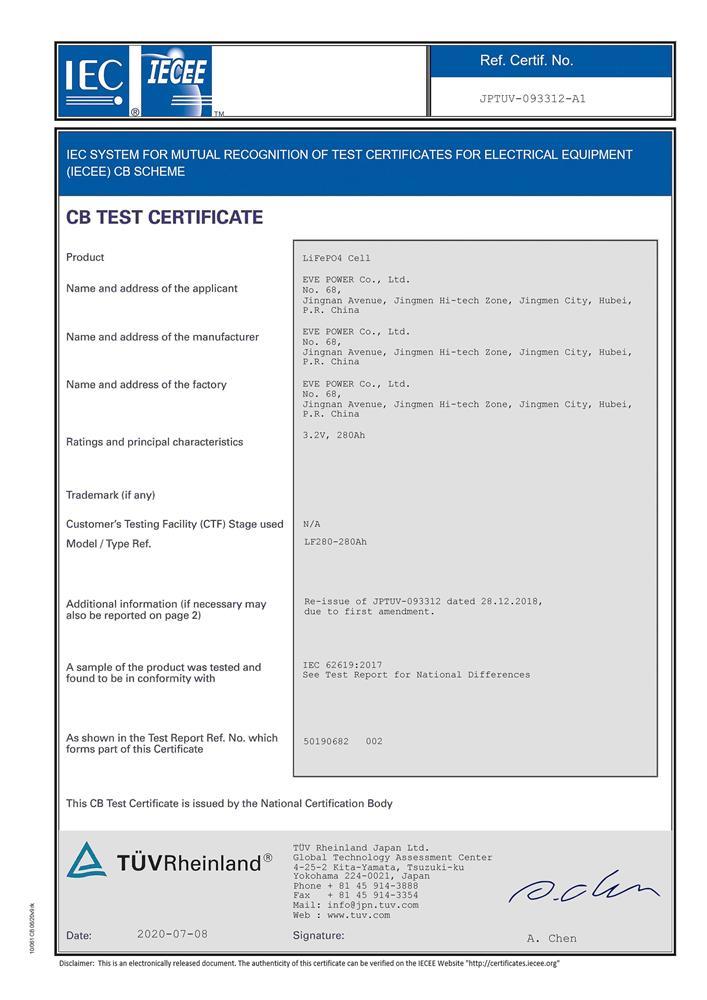
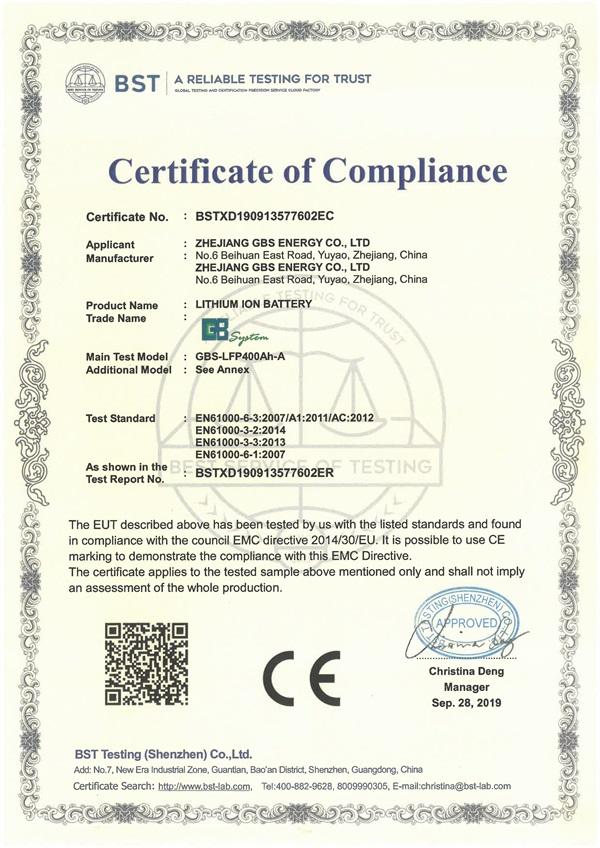
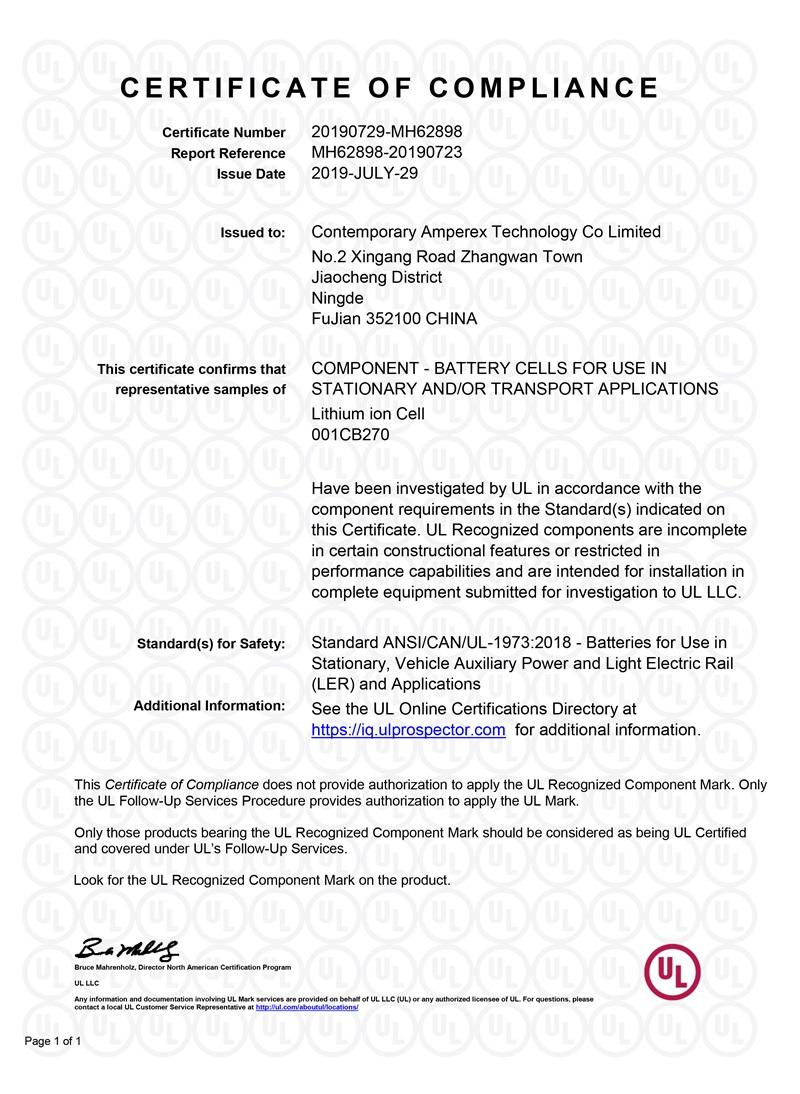
Certification
Customer Reviews
- I have fond memories of our meeting in Shanghai with LiFePO4 Battery Shop Elena. Your company left a strong impression on me with its impressive growth and professionalism. We both value straightforwardness and honesty, which I believe are the most important qualities in any partnership. I am confident that we can build a successful collaboration based on these shared values. —— Robert from USA
- I've been working with LiFePO4 Battery Shop for years, and their reliability is unmatched. While other suppliers frequently change sales teams, LiFePO4 Battery Shop has consistently provided exceptional service with a stable team. Their commitment to quality and customer support truly sets them apart. —— Henry from Australia