
Blog
Choosing the Right Electric Riding Lawn Mower Battery: A Complete Buyer’s Guide
2025-11-08 | Calvin
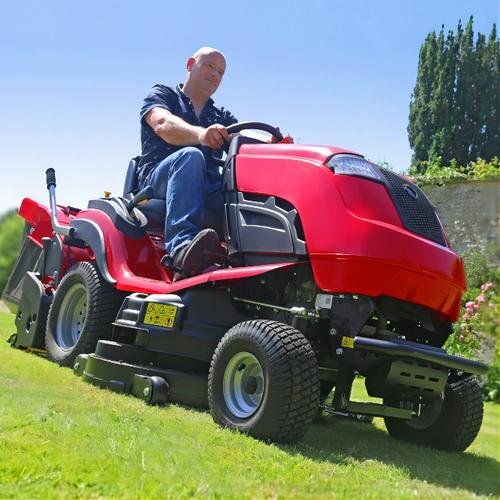
Imagine getting ready to mow your lawn on a bright Saturday morning—only to hear your mower crank slowly before dying completely. This all-too-common scenario usually points to one issue: a weak or unsuitable battery.
Your riding lawn mower’s performance depends heavily on the quality of its battery. The right battery ensures reliable starts, steady power delivery, and fewer interruptions. Below, we’ll walk through everything you need to know before buying a riding mower battery, from types and sizes to price and replacement tips.
Table of Contents
- Part 1. Types of Riding Lawn Mower Batteries
- Part 2. Common Voltage, Capacity, Size, and Weight
- Part 3. Key Considerations When Buying a Riding Mower Battery
- Part 4. Battery Lifespan
- Part 5. Price Range
- Part 6. Choosing the Right Charger
- Part 7. Signs Your Mower Battery Needs Replacement
- Part 8. How to Replace a Riding Lawn Mower Battery
- Conclusion
Part 1. Types of Riding Lawn Mower Batteries
Understanding the available battery types is the first step to making a smart purchase:
- Lead-Acid Batteries (Flooded or AGM): The most common option. Flooded batteries require regular maintenance, such as checking electrolyte levels, while AGM (Absorbent Glass Mat) models are sealed, maintenance-free, and resistant to vibration.
- Lithium Iron Phosphate (LiFePO4) Batteries: Lightweight, fast-charging, and built for long-term use. Although they cost more upfront, they deliver higher performance, deeper discharge cycles, and reduced maintenance—making them an excellent modern upgrade.
- Gel Cell Batteries: These use a gel-based electrolyte, making them spill-proof and safe. They require little upkeep but generally offer a shorter lifespan than lithium-ion batteries.
Pro Tip: For most residential or commercial users, a LiFePO4 battery offers the best combination of performance, safety, and longevity.
Part 2. Common Voltage, Capacity, Size, and Weight
- Voltage: Most riding lawn mowers use a 12-volt battery system, though older models may require 6 V. Always match the battery voltage with your mower’s specifications.
- Capacity (Ah): Measured in ampere-hours. Common ratings range from 18 Ah to 35 Ah. A higher capacity means more runtime between charges—ideal for larger lawns.
- Size: Typical group sizes include U1, U1R, and U1L. Check your owner’s manual to ensure proper fit and terminal orientation.
- Weight: Lead-acid batteries usually weigh 15–25 lbs, while LiFePO4 batteries can weigh under 10 lbs, improving handling and reducing strain on the mower.
Part 3. Buying a Riding Lawn Mower Battery: Key Considerations
When comparing batteries, keep these factors in mind:
- Battery Type: Choose based on your needs and budget.
- Voltage Compatibility: Verify it matches your mower’s system (usually 12 V).
- Capacity (Ah): Larger lawns benefit from higher Ah ratings.
- Size & Fit: Improper fit can cause connection issues or vibration damage.
- Cold-Cranking Amps (CCA): A higher CCA rating ensures reliable starts in cold weather.
- Maintenance: Decide if you prefer maintenance-free models like AGM or lithium.
- Price vs. Lifespan: Cheaper batteries often mean more frequent replacements.
Expert Insight: A well-maintained LiFePO4 battery can last 5–10 years—twice as long as many lead-acid models—making it a cost-effective investment.
Part 4. How Long Does a Riding Lawn Mower Battery Last?
Most riding mower batteries last 3 to 5 years, depending on type, usage, and care. Factors such as temperature extremes, improper charging, or long storage periods can shorten lifespan.
Maintenance Tips:
- Keep terminals clean and corrosion-free.
- Recharge the battery before off-season storage.
- Use a smart charger to prevent overcharging.
Part 5. Price Range
- Lead-Acid Batteries: $40 – $75 — economical but shorter lifespan.
- Gel Cell Batteries: $75 – $150 — moderate price and maintenance needs.
- LiFePO4 Batteries: $100 – $250 — higher initial cost, but long-term savings through durability and efficiency.
Part 6. How to Choose a Charger for a Riding Lawn Mower Battery
A good charger extends your battery’s life.
- Match the Voltage: Most mowers use 12 V chargers.
- Amperage: Higher amperage = faster charging, but avoid overcharging.
- Smart Chargers: Automatically stop when the battery is full—ideal for safety and longevity.
- Battery Type Compatibility: Use a charger designed for your battery type (AGM, flooded, or lithium).
Part 7. Signs Your Riding Mower Battery Needs Replacement
- Slow or hesitant starts
- Frequent recharging
- Visible corrosion on terminals
- Battery older than 3–5 years
- Dimming headlights or weak accessories
Catching these early signs helps you avoid downtime and unexpected failure.
Part 8. How to Replace a Riding Lawn Mower Battery
- Turn off the mower and remove the key.
- Locate the battery compartment (usually under the seat).
- Disconnect the negative terminal first (–), then the positive (+).
- Remove the old battery and install the new one securely.
- Reconnect the positive terminal first, then the negative.
- Test-start the mower to confirm successful installation.
- Dispose of the old battery properly at a recycling center.
Conclusion
Choosing the right riding lawn mower battery is essential for consistent performance and long equipment life. Whether you opt for a traditional lead-acid or upgrade to a LiFePO4 battery, focus on compatibility, capacity, and reliability.
- Next:Tesla Sprints Toward the “Complete” 4680 Battery: A Final Gamble After Five Years
- Previous:Tesla Battery Types: A Simple Guide for Model S, 3, X, and Y
Contact Details
Lithium LiFePO4 Batteries and Lithium LiFePO4 Cells Supplier - LiFePO4 Battery Shop
Contact Person: Miss. Elena Wang
WhatsApp : +8615263269227
Skype : +8615263269227
WeChat :15263269227
Email : info@lifepo4batteryshop.com
All Products
- A123 Battery (5)
- Sinopoly Battery (7)
- GBS Battery (16)
- CALB Battery (22)
- Cylindrical Cell (3)
- Energy Storage System (0)
- Battery Management System (2)
- Sodium ion Battery Cell (3)
- Lithium Titanate Battery (16)
- Ternary Lithium Battery Cell (11)
- REPT Battery (8)
- BYD Battery (2)
- CATL Battery (14)
- Thunder Sky Winston Battery (21)
- EVE Battery (29)
- LiFePO4 Battery Cell (4)
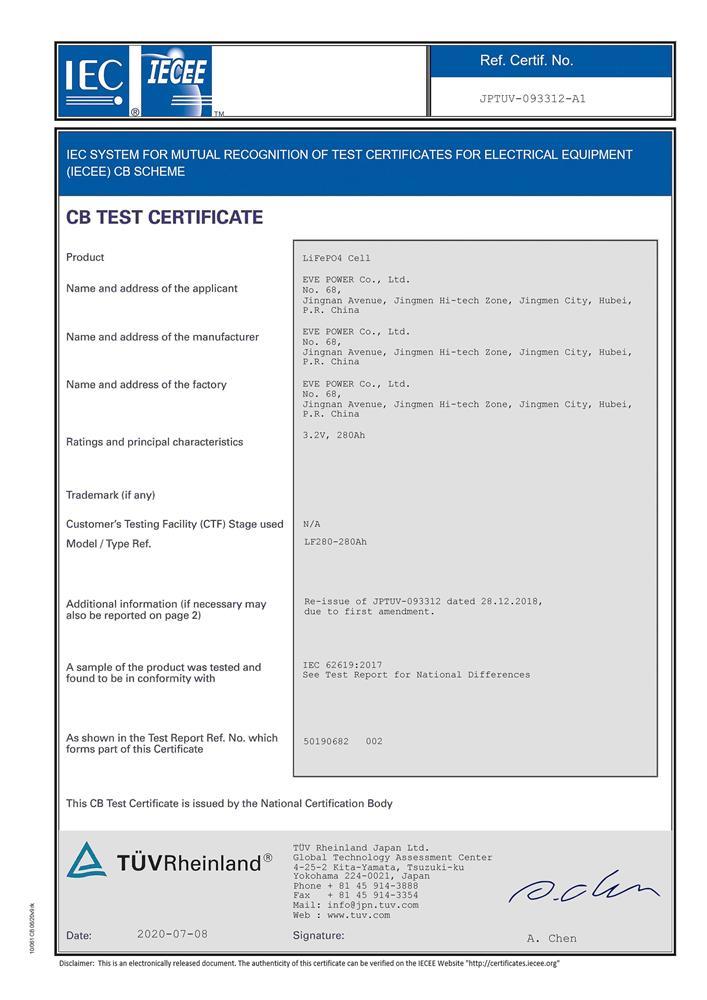
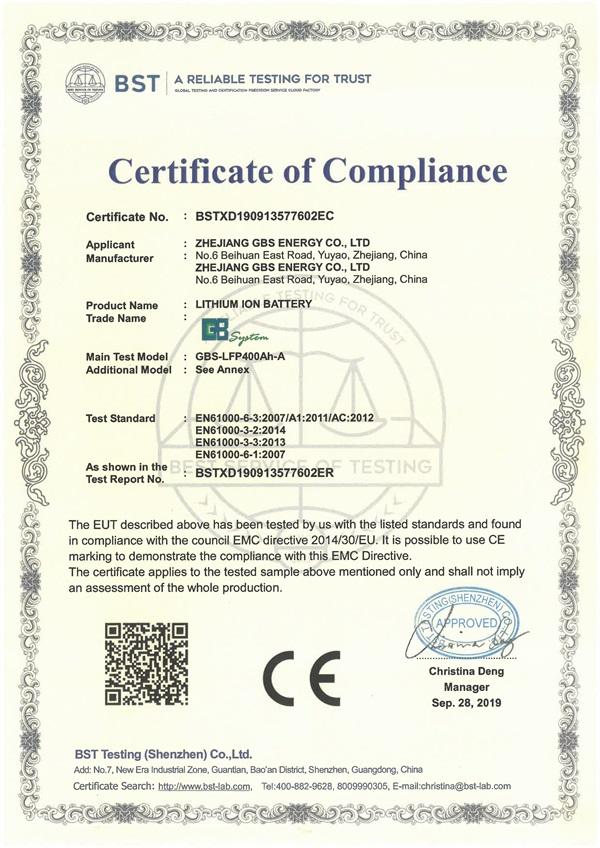
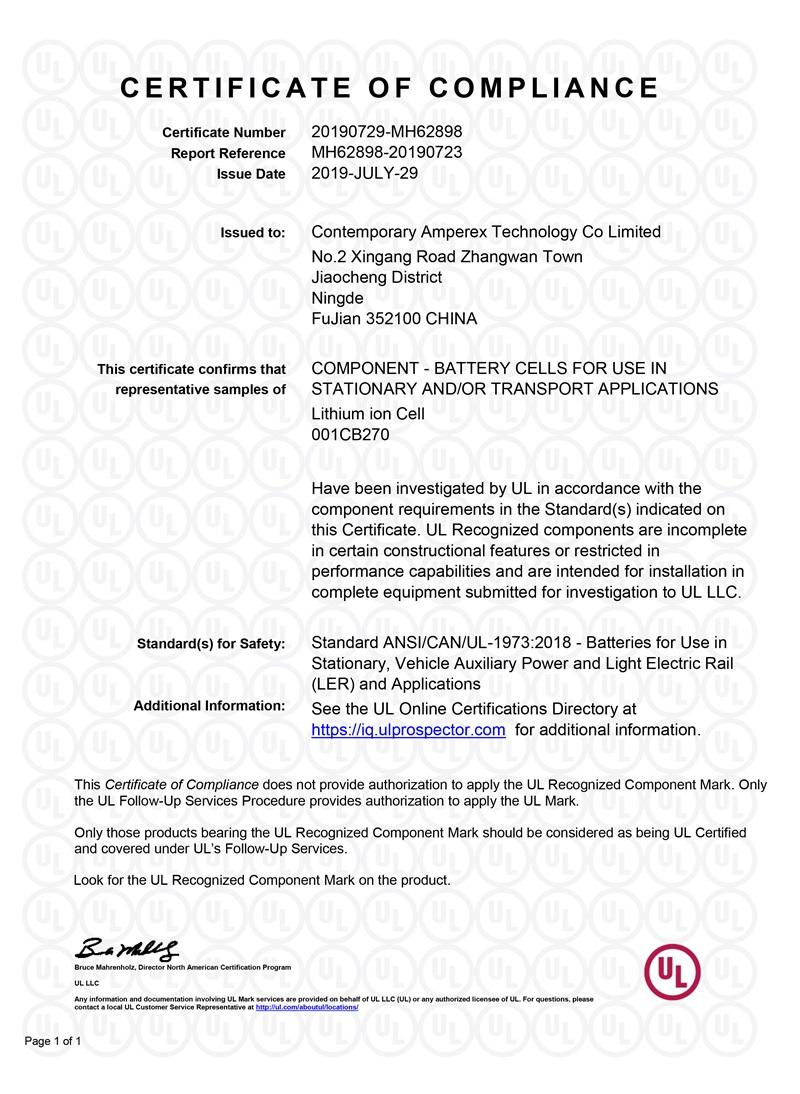
Certification
Customer Reviews
- I have fond memories of our meeting in Shanghai with LiFePO4 Battery Shop Elena. Your company left a strong impression on me with its impressive growth and professionalism. We both value straightforwardness and honesty, which I believe are the most important qualities in any partnership. I am confident that we can build a successful collaboration based on these shared values. —— Robert from USA
- I've been working with LiFePO4 Battery Shop for years, and their reliability is unmatched. While other suppliers frequently change sales teams, LiFePO4 Battery Shop has consistently provided exceptional service with a stable team. Their commitment to quality and customer support truly sets them apart. —— Henry from Australia