
Blog
UAV vs UAS: What Is the Difference Between an Unmanned Aerial Vehicle and an Unmanned Aircraft System?
2026-09-28 | Calvin
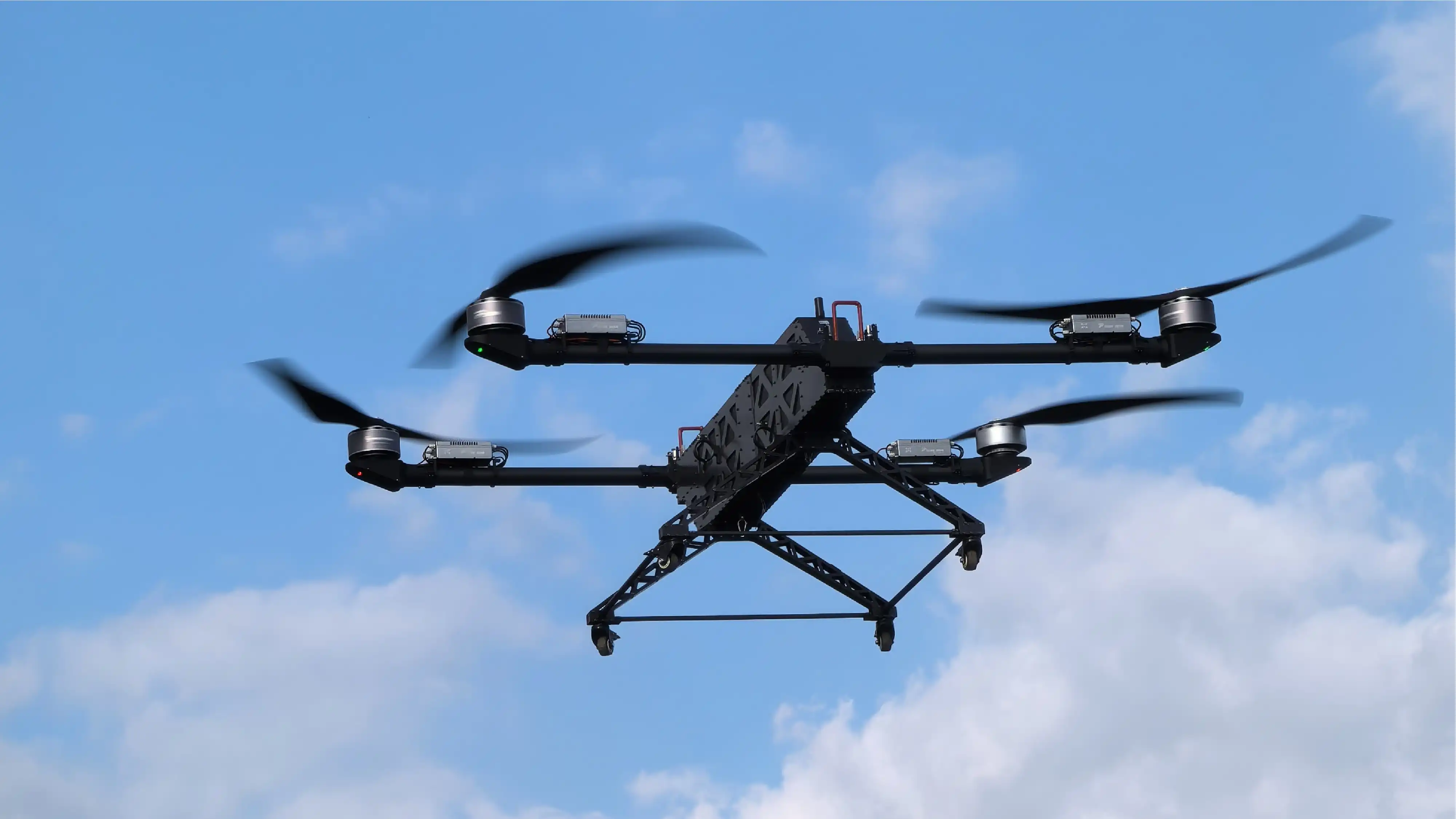
The terms UAV and UAS are often used when discussing drones, aerial robotics, and autonomous flight technology. Although many people use them interchangeably, they describe different parts of an unmanned aviation operation.
A UAV (Unmanned Aerial Vehicle) refers specifically to the aircraft that flies without a human pilot onboard. A UAS (Unmanned Aircraft System) refers to the complete system required to operate that aircraft, including the UAV, control equipment, communication links, software, and human operators.
Understanding the difference between UAV vs UAS is important for engineers, manufacturers, commercial operators, and anyone working with drone technology because the aircraft itself is only one part of a successful unmanned flight operation.
UAV vs UAS: The Quick Difference
| Category | UAV | UAS |
|---|---|---|
| Full name | Unmanned Aerial Vehicle | Unmanned Aircraft System |
| Meaning | The physical aircraft that flies | The complete system used to operate the aircraft |
| Includes | Airframe, motors, battery, sensors, payload | UAV plus controller, software, communication systems, and operators |
| Main focus | Aircraft design and performance | Flight operation and mission management |
A simple way to remember the difference is:
- UAV = The flying machine.
- UAS = Everything required to make that machine operate.
What Is a UAV?
A UAV, or Unmanned Aerial Vehicle, is the aircraft component of an unmanned aviation system. It is the physical machine that travels through the air without a pilot sitting inside the aircraft.
A UAV can include many different aircraft designs, such as:
- Multirotor drones such as quadcopters and hexacopters
- Fixed-wing unmanned aircraft
- Hybrid VTOL aircraft that combine vertical takeoff with airplane-style flight
The UAV contains the hardware needed for flight, including:
- Airframe: The physical structure that supports all components.
- Propulsion system: Motors, propellers, electronic speed controllers, and power systems.
- Flight controller: The onboard computer responsible for stabilizing and controlling movement.
- Sensors: GPS modules, cameras, LiDAR, thermal sensors, and navigation equipment.
- Battery system: The energy source that determines flight time, payload capability, and operational range.
For example, when engineers discuss payload capacity, aerodynamic efficiency, battery weight, or motor performance, they are usually discussing the UAV itself.
What Is a UAS?
A UAS, or Unmanned Aircraft System, represents the complete ecosystem required to safely operate an unmanned aircraft. It includes the UAV but also the supporting technology and people involved in the mission.
A typical UAS includes four major elements:
1. The UAV
The aircraft is the flying component that carries sensors, equipment, or cargo.
2. Ground Control Station
The Ground Control Station (GCS) allows operators to control the aircraft, monitor flight information, adjust mission parameters, and receive real-time data.
3. Communication Link
Communication systems connect the aircraft with the operator. These links transmit commands to the UAV and return important information such as location, battery status, and video feeds.
4. Human Operators and Procedures
Professional UAS operations may involve remote pilots, maintenance teams, mission planners, and safety procedures depending on the application.
Why Are UAV and UAS Not the Same?
The difference comes down to scope. A UAV describes only the aircraft, while a UAS describes the entire operation surrounding that aircraft.
For example, imagine a company using a drone to inspect power lines.
- The aircraft carrying the inspection camera is the UAV.
- The pilot controller, flight planning software, communication system, and inspection workflow together form the UAS.
The UAV collects the data, but the UAS makes the entire mission possible.
Drone vs UAV vs UAS: What Is the Difference?
The word "drone" is the most common term used by the public. It usually refers to any unmanned aircraft, from small consumer quadcopters to advanced industrial systems.
| Term | Meaning |
|---|---|
| Drone | General everyday term for unmanned vehicles |
| UAV | The unmanned aircraft itself |
| UAS | The complete aircraft system and operation |
In casual conversations, using drone, UAV, or UAS may not create confusion. However, technical documents, aviation regulations, and commercial projects usually require more precise terminology.
How Batteries Affect UAV Performance
Battery technology plays an important role in UAV capability because flight time, payload capacity, and operational range depend heavily on available energy.
A UAV designed for aerial photography may prioritize lightweight batteries and longer flight duration, while industrial UAVs carrying thermal cameras, LiDAR scanners, or delivery equipment require higher energy capacity.
Common factors affecting UAV battery performance include:
- Battery capacity
- Energy density
- Weight
- Discharge rate
- Temperature performance
- Charging efficiency
Lithium-based battery technologies are widely used in UAV applications because they provide a balance between weight and energy output. The battery system is therefore not just a power source; it directly influences the aircraft's design and mission capability.
Common Applications of UAV and UAS Technology
Unmanned aircraft systems are now used across many industries, including:
Agriculture
Farmers use UAV systems for crop monitoring, mapping, spraying, and analyzing plant health through specialized sensors.
Construction and Surveying
Surveying teams use drones equipped with cameras and LiDAR systems to create maps, monitor progress, and inspect difficult-to-access areas.
Infrastructure Inspection
UAS technology helps inspect bridges, pipelines, towers, and power networks while reducing risks for human workers.
Public Safety
Emergency services use unmanned aircraft systems for search operations, disaster assessment, and situational awareness.
Logistics and Delivery
Some companies are developing UAV systems for transporting medical supplies, packages, and specialized cargo.
UAV vs UAS: Which Term Should You Use?
The correct term depends on what you are describing.
- Use UAV when talking about the aircraft hardware, design, battery, sensors, or physical performance.
- Use UAS when discussing operations, regulations, safety, mission planning, or complete solutions.
For example, an engineer designing a new aircraft platform may focus on UAV specifications, while a company operating a commercial inspection service manages a complete UAS.
Frequently Asked Questions About UAV and UAS
Is a UAV the same as a drone?
A UAV is a type of drone, but the term UAV is more technical because it specifically refers to an unmanned aircraft. Drone is a broader everyday term.
Can a UAV fly without a UAS?
A UAV is the aircraft component, but practical operation requires the supporting elements of a UAS, including communication, control systems, and operators.
Why do aviation authorities use the term UAS?
Regulators focus on the complete operation rather than only the aircraft because safe flight depends on communication systems, procedures, and human responsibilities.
Are all UAVs autonomous?
No. Some UAVs are manually controlled by remote pilots, while others use autonomous flight features such as GPS navigation and programmed missions.
Conclusion
The difference between UAV and UAS is simple: a UAV is the aircraft, while a UAS is the complete system that allows the aircraft to operate.
As drone technology continues expanding into industries such as agriculture, inspection, mapping, and logistics, understanding this distinction helps professionals communicate more accurately and choose the right technology for their needs.
- Next:Drone Battery Guide: Types, Specifications, Flight Time and Safety
- Previous:How to Charge a Deep Cycle Marine Battery Properly
Contact Details
Lithium LiFePO4 Batteries and Lithium LiFePO4 Cells Supplier - LiFePO4 Battery Shop
Contact Person: Miss. Elena Wang
WhatsApp : +8615263269227
Skype : +8615263269227
WeChat :15263269227
Email : info@lifepo4batteryshop.com
All Products
- Forklift Battery Charger (0)
- TC Elcon Charger (5)
- Headway Lithium Battery (6)
- Blade Battery (10)
- Semi Solid State Battery (6)
- A123 Battery (6)
- Sinopoly Battery (7)
- GBS Battery (20)
- CALB Battery (26)
- Cylindrical Cell (14)
- Energy Storage System (0)
- Battery Management System (15)
- Sodium ion Battery Cell (4)
- Lithium Titanate Battery (23)
- Ternary Lithium Battery Cell (12)
- REPT Battery (10)
- BYD Battery (5)
- CATL Battery (15)
- Thunder Sky Winston Battery (26)
- EVE Battery (39)
- LiFePO4 Battery Cell (41)
Certification
Customer Reviews
- I have fond memories of our meeting in Shanghai with LiFePO4 Battery Shop Elena. Your company left a strong impression on me with its impressive growth and professionalism. We both value straightforwardness and honesty, which I believe are the most important qualities in any partnership. I am confident that we can build a successful collaboration based on these shared values. —— Robert from USA
- I've been working with LiFePO4 Battery Shop for years, and their reliability is unmatched. While other suppliers frequently change sales teams, LiFePO4 Battery Shop has consistently provided exceptional service with a stable team. Their commitment to quality and customer support truly sets them apart. —— Henry from Australia