
Blog
How to Charge a Deep Cycle Marine Battery Properly
2026-09-28 | Calvin
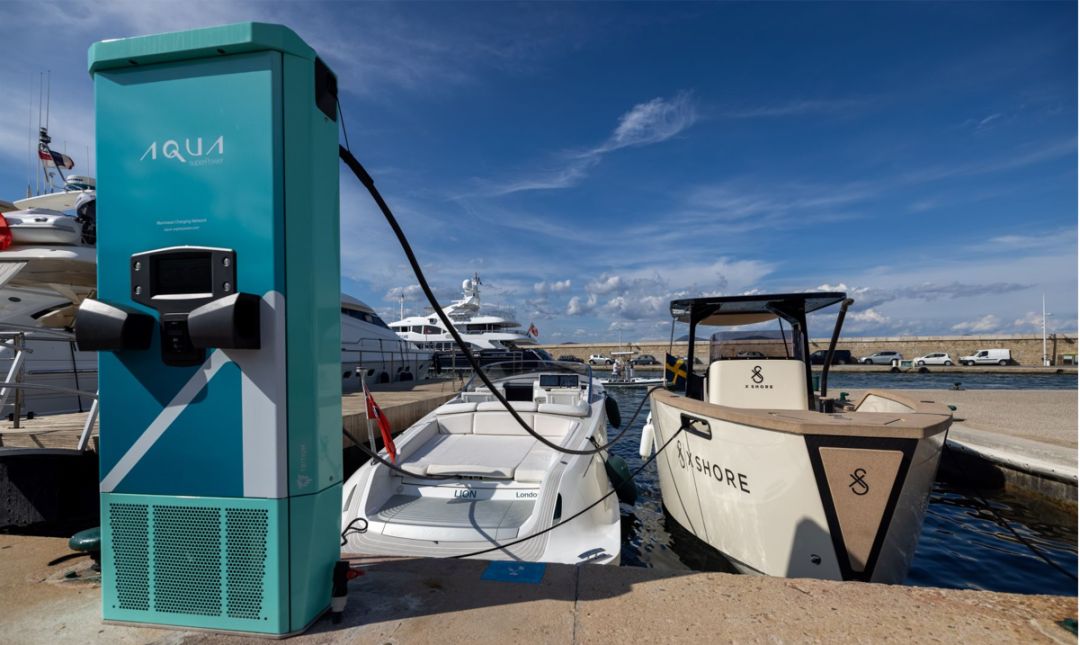
To charge a deep cycle marine battery properly, use a smart marine charger that matches the battery chemistry, set the correct voltage profile, connect positive to positive and negative to negative, charge in a ventilated dry location, and stop only when the charger reaches its full or maintenance stage. Flooded lead-acid, AGM, gel, and LiFePO4 batteries all need different charging behavior, so the safest answer always starts with the battery label and manufacturer manual.
A deep cycle marine battery is not charged the same way as a car starting battery. It is designed to discharge more deeply and recover through repeated cycles. That makes it useful for trolling motors, fish finders, cabin lighting, pumps, navigation electronics, small inverters, and house loads. It also means poor charging habits can quickly shorten its service life. Undercharging encourages sulfation in lead-acid batteries, while overcharging can cause heat, gassing, water loss, or cell damage. Lithium iron phosphate batteries avoid some lead-acid maintenance problems, but they need a lithium-compatible charge profile and low-temperature protection.
Quick charging checklist
- Identify the battery chemistry: flooded lead-acid, AGM, gel, or LiFePO4.
- Choose a marine-rated smart charger with the correct chemistry setting.
- Confirm charger voltage matches the battery bank: 12V charger for a 12V bank, 24V charger for a 24V bank, and so on.
- Check battery case, cables, terminals, fuse protection, and ventilation before charging.
- Turn off boat loads or disconnect the battery if the charger manual requires it.
- Connect positive lead to the positive terminal, then negative lead to the negative terminal or approved negative bus.
- Select the correct battery mode before starting the charger.
- Let the charger complete bulk and absorption. For lead-acid batteries, allow the full topping stage when possible.
- Use float or maintenance mode only when it is approved for that battery type.
- Store the battery at the state of charge recommended for its chemistry.
Know your battery type before choosing a charger
The charger profile matters more than the charger size. A charger with enough amps can still damage a battery if it uses the wrong voltage curve.
| Battery type | Best charger profile | Charging concern | Storage habit |
|---|---|---|---|
| Flooded lead-acid | Flooded or standard lead-acid mode with float and optional equalization | Needs ventilation, water checks, and full recharge to reduce sulfation | Store fully charged and recharge periodically |
| AGM | AGM mode | Sealed battery, sensitive to overvoltage and wrong equalization settings | Store fully charged with a smart maintainer if approved |
| Gel | Gel-specific mode | Lower peak voltage than many flooded or AGM profiles | Store fully charged using the manufacturer-approved profile |
| LiFePO4 | Lithium or LiFePO4 mode | Requires BMS protection, correct charge voltage, and no charging below allowed temperature | Store partly charged unless the battery maker says otherwise |
How smart marine chargers work
A good smart charger does more than push current into the battery. It changes output as the battery fills. Lead-acid batteries usually charge through bulk, absorption, and float stages.
Bulk stage
The charger supplies its rated current while the battery accepts charge quickly. This is the fastest part of the charge. A depleted battery may recover a large share of its capacity during this stage, but it is not finished when voltage first rises.
Absorption stage
The charger holds a controlled voltage and the current tapers down. This stage is important for lead-acid batteries because it completes the charge. Skipping absorption repeatedly leaves lead-acid batteries partially charged, which encourages sulfation and lost capacity.
Float or maintenance stage
For flooded, AGM, and many gel batteries, float mode maintains a full battery without applying the higher absorption voltage continuously. Only use long-term float on a charger and battery combination that is designed for it. A basic single-stage charger should not be left connected indefinitely.
Lithium charge behavior
LiFePO4 batteries normally charge with a constant-current constant-voltage process, but they do not need the same float behavior as lead-acid batteries.
What charger size do you need?
Charger output is measured in amps. A higher-amp charger can reduce charging time, but bigger is not always better. The charger must stay within the battery manufacturer's recommended charge current.
For many recreational marine lead-acid batteries, a practical charger size is around 10% to 20% of the battery capacity in amp hours.
Use this formula for a rough estimate:
Charging amps = battery capacity in Ah x target charge rate
| Battery or bank size | 10% charge rate | 20% charge rate | Typical use |
|---|---|---|---|
| 50Ah | 5A | 10A | Small boat, kayak motor, small electronics battery |
| 100Ah | 10A | 20A | Common trolling motor or house battery |
| 200Ah | 20A | 40A | Larger house bank or multi-battery fishing setup |
| 300Ah | 30A | 60A | Cruising house bank with heavier loads |
LiFePO4 batteries can often accept higher charge current than lead-acid batteries, but that does not mean every boat should charge them as fast as possible. The BMS, charger, wiring, fuses, alternator, and heat management all need to support the current. Victron gives 0.5C as a recommended charging current for its lithium battery line, meaning a 100Ah battery would charge at 50A under that recommendation. Always follow the actual battery data sheet, because another brand may specify a different limit.
How long does it take to charge a deep cycle marine battery?
Charging time depends on how many amp hours you need to replace, charger output, battery chemistry, temperature, battery age, and whether loads are still connected. A simple estimate is:
Charging time in hours = amp hours to replace / charger amps, then add 10% to 25% for the finishing stage
Example: a 100Ah battery discharged to 50% needs about 50Ah replaced. With a 10A charger, the simple math says 5 hours. Add finishing time and the real answer may be around 6 hours for many lead-acid setups. A LiFePO4 battery may finish faster because it accepts charge more efficiently for much of the cycle, but it still needs the charger to complete its lithium profile and allow cell balancing where required.
Do not rely only on time. Let the smart charger complete its cycle, and confirm state of charge with a battery monitor, hydrometer for flooded lead-acid, or rested voltage where appropriate. Voltage immediately after charging can show surface charge and may not represent true rested state of charge.
How to charge a flooded lead-acid marine battery
Flooded lead-acid batteries are still common because they are affordable and familiar. They also require the most hands-on care.
- Move the battery or boat to a ventilated area. Flooded batteries can produce hydrogen gas while charging.
- Wear eye protection and gloves when checking electrolyte.
- Inspect the case for swelling, cracks, leaks, or corrosion. Do not charge a damaged battery.
- Check electrolyte level before charging. If plates are exposed, add only enough distilled water to cover them before charging.
- Connect a smart marine charger set to flooded lead-acid mode.
- Allow the charger to finish bulk and absorption. Do not stop early just because voltage looks high.
- After charging, top up electrolyte to the correct level if needed. Do not overfill before charging because electrolyte can expand and overflow.
- Clean terminals and secure the battery before returning to service.
Battery University notes that lead-acid batteries should be recharged after use and not stored in a low-charge state. It also warns not to charge a frozen lead-acid battery. These are simple rules, but they prevent many early battery failures.
How to charge an AGM marine battery
AGM batteries are sealed, vibration-resistant, and popular in boats where low maintenance matters. They still need the correct charge profile.
- Use a smart charger with AGM mode or automatic chemistry detection that explicitly supports AGM.
- Do not use flooded equalization mode unless the battery manufacturer specifically permits it. Most AGM batteries should not be equalized.
- Charge after each outing, especially after trolling motor use or overnight house loads.
- Make sure the charger can switch to a safe float or maintenance mode for storage.
- If the battery becomes hot, smells unusual, or will not hold charge, stop and test it before further use.
An AGM battery can look maintenance-free from the outside, but it is not immune to damage. Chronic undercharging can still reduce capacity, and overvoltage can dry out the absorbed electrolyte inside the battery.
How to charge a gel marine battery
Gel batteries need more caution because they usually require a lower charging voltage than many AGM or flooded settings. Do not assume AGM mode is safe for gel. If the charger does not have a gel profile, do not use it unless the battery maker confirms the voltage is correct.
- Confirm the battery label says gel, not AGM.
- Select the gel mode on the charger.
- Avoid high-current charging unless the manufacturer allows it.
- Never use flooded equalization mode on a gel battery.
- Let the charger complete its profile before disconnecting.
Gel batteries are often used where deep-cycle durability and low maintenance are important, but they are easy to damage with the wrong charger. If in doubt, choose a charger recommended by the battery manufacturer.
How to charge a LiFePO4 marine battery
LiFePO4 marine batteries are lighter than lead-acid batteries and can deliver more usable capacity from the same nominal amp-hour rating. They also charge differently. Use a LiFePO4-compatible charger, not a lead-acid charger that happens to fit the terminals.
- Confirm the battery has a BMS suitable for marine use and for the charge current you plan to use.
- Use a lithium or LiFePO4 profile. Do not use a lead-acid equalization or repair mode.
- Disable lead-acid temperature compensation unless the battery or charger manual gives different instructions.
- Do not charge below the battery's allowed temperature. Many LiFePO4 batteries should not be charged near or below freezing unless they have built-in low-temperature charging protection or internal heating.
- Check all charging sources, not only the dock charger. Alternator, solar controller, wind generator, and DC-DC charger must also be lithium-compatible.
- Let the battery complete periodic balancing if the manufacturer recommends a full charge cycle for balancing.
For Victron's Lithium Battery Smart product line, charging is allowed from +5 deg C to +50 deg C. That exact range does not apply to every LiFePO4 battery, but it shows why the battery manual matters. A trolling motor battery stored in a cold garage or used during winter fishing should not be charged until it is inside its allowed charging temperature range.
Can you charge a marine battery while it is still connected to the boat?
Often, yes, especially with a properly installed onboard charger. That is what onboard chargers are designed for. The safer answer depends on the charger manual, boat wiring, and whether any onboard loads will interfere with charging.
Turn off non-essential loads before charging. Bilge pumps, alarms, memory circuits, and monitoring devices may remain connected in some boats, but parasitic loads can confuse small chargers or extend charge time. If the battery is deeply discharged, old, damaged, or being charged with a portable charger, disconnecting it from the boat may be safer.
For multi-battery boats, do not charge several separate banks from one output unless the wiring and charger are designed for that purpose. A multi-bank charger gives each battery or bank its own controlled output, which is useful when one battery is full and another is depleted.
Can you use a car battery charger on a deep cycle marine battery?
Only if the charger supports the exact battery chemistry and voltage. A basic automotive charger is a poor choice for marine batteries because it may lack AGM, gel, or LiFePO4 profiles, may not be built for damp environments, and may not switch safely to float or maintenance mode. A marine-rated smart charger is the better tool.
This matters most with gel and lithium batteries. A wrong lead-acid profile can overcharge gel batteries, and equalization or repair modes can damage sealed or lithium batteries. If the charger has a manual mode that keeps pushing current until you unplug it, do not walk away from it.
Charging from an alternator, solar panel, or shore power
Many boats have more than one charging source. Shore power, alternator charging, solar charging, and portable chargers must all match the battery bank.
Shore power charger
This is usually the cleanest way to recharge at the dock. Use a marine onboard charger with correct bank count, chemistry settings, and output current. Mount it where it is protected from bilge water and has enough airflow for heat.
Alternator charging
Lead-acid batteries can often work with standard alternator systems, but lithium upgrades need extra care. LiFePO4 batteries can accept high current for longer than lead-acid batteries, which can overwork an alternator if the system is not designed correctly. Many lithium marine installations use a DC-DC charger or external regulator to limit current and provide the correct charge profile.
Solar charging
A solar panel should connect through a charge controller, not directly to the battery. Set the controller to the battery chemistry. For lithium, confirm low-temperature charging protection. For lead-acid, confirm absorption and float values.
Common mistakes that shorten marine battery life
- Using the wrong charger mode: Gel, AGM, flooded, and LiFePO4 batteries are not interchangeable from a charging point of view.
- Stopping too soon: Lead-acid batteries need time in absorption to finish charging.
- Storing lead-acid batteries discharged: This encourages sulfation and loss of capacity.
- Leaving a non-smart charger connected: A charger without automatic maintenance control can overcharge the battery.
- Charging lithium in freezing conditions: This can damage cells unless the battery has protection or heating designed for it.
- Ignoring small loads during storage: Parasitic draws can slowly over-discharge a battery.
- Mixing old and new batteries in one bank: Weak batteries can drag down the whole bank and confuse charging behavior.
- Using undersized wiring or poor terminals: Voltage drop and heat reduce charging performance and create safety risk.
How to check if your marine battery is fully charged
The best method depends on battery chemistry.
| Battery type | Useful full-charge check | What to watch for |
|---|---|---|
| Flooded lead-acid | Hydrometer reading, rested voltage, charger completion | Electrolyte level and specific gravity differences between cells |
| AGM | Rested voltage, smart charger completion, battery monitor | Voltage alone can mislead immediately after charging |
| Gel | Rested voltage and charger completion | Wrong profile can damage the battery before obvious symptoms appear |
| LiFePO4 | Battery monitor, BMS app if available, charger completion | Voltage stays flat through much of discharge, so voltage alone is a weak fuel gauge |
A rested voltage reading is more useful after the battery has been disconnected from charger and loads for several hours. Right after charging, surface charge can make a lead-acid battery appear fuller than it really is.
Storage after charging
Lead-acid and lithium batteries should not be stored the same way.
Lead-acid storage
Store flooded, AGM, and gel lead-acid batteries fully charged. Recharge them periodically during storage, or use an approved smart maintainer. Battery University recommends storing lead-acid batteries charged and applying a topping charge periodically to avoid sulfation.
LiFePO4 storage
Many LiFePO4 batteries are best stored at a partial charge, often around 40% to 70%, but the exact recommendation varies by manufacturer. Disconnect loads so parasitic draw cannot trigger a low-voltage BMS cutoff. Store in a dry location within the allowed temperature range.
Battery disposal and recycling
Do not put old marine batteries in household trash. The EPA says lead-acid batteries contain lead and sulfuric acid and should be returned to a battery retailer or household hazardous waste collection program. It also warns that lithium-ion batteries should be taken to separate recycling or household hazardous waste collection points, with terminals taped or batteries placed in separate bags to reduce fire risk.
Practical example: charging a 100Ah trolling motor battery
Suppose a 12V 100Ah trolling motor battery is discharged to about 50% after a day on the water. It needs roughly 50Ah replaced.
- With a 10A charger, simple charging math gives 50Ah / 10A = 5 hours, plus finishing time.
- With a 20A charger, simple charging math gives 50Ah / 20A = 2.5 hours, plus finishing time.
- If it is flooded lead-acid, allow enough absorption time and check water level.
- If it is AGM, use AGM mode and avoid equalization.
- If it is LiFePO4, use a lithium profile and confirm the battery temperature is inside the allowed charging range.
The correct charger is the one that finishes safely, not simply the one with the biggest amp rating.
Frequently asked questions
Should I charge my deep cycle marine battery after every use?
Yes, especially for lead-acid batteries. Recharge after each outing instead of storing the battery partly discharged. LiFePO4 batteries do not suffer lead-acid sulfation, but they should still be recharged before they drop too low and should be stored at the battery maker's recommended state of charge.
Can I leave a marine battery charger on overnight?
Yes, if it is a smart charger set to the correct battery type and the battery is in good condition. Do not leave a basic manual charger connected unattended because it may overcharge the battery.
What amp charger is best for a 100Ah marine battery?
For many lead-acid marine batteries, a 10A to 20A smart charger is a practical range. For LiFePO4, the acceptable charge current may be higher, but you should follow the battery data sheet and make sure the BMS, cables, fuses, and charger support that current.
Can I charge a deep cycle marine battery at 2 amps?
Yes, but it will be slow. A 2A charger may work as a maintainer or for a small battery, but it can take a long time to recharge a large deep-cycle battery after real use. If there are parasitic loads, a very small charger may struggle to finish.
What voltage should a 12V LiFePO4 marine battery charge at?
Many 12.8V LiFePO4 batteries charge around the mid-14V range during absorption, but the exact value depends on the battery maker. Victron lists 14.2V absorption and 13.5V float for its 12.8V Lithium Battery Smart line. Do not copy those values blindly to another battery without checking its manual.
Can I charge a marine battery in the boat?
Yes, with a properly installed onboard charger or a portable charger used according to its manual. Turn off non-essential loads, keep the charger dry and ventilated, and make sure each battery bank is charged with the correct profile.
Is it bad to fully discharge a deep cycle marine battery?
Deep cycle does not mean damage-proof. Lead-acid batteries last longer when they are not repeatedly drawn down too far. LiFePO4 batteries tolerate deeper discharge better, but they still need BMS protection and should not be left in a deeply discharged state.
Why does my marine battery get hot while charging?
Some warmth can be normal, but noticeable heat can mean overcharging, excessive charge current, internal damage, poor ventilation, or wrong charger settings. Stop charging if the battery becomes hot, swells, leaks, smells unusual, or triggers a charger fault.
Final takeaway
The right way to charge a deep cycle marine battery is to match the charger to the battery chemistry, size the charger to the bank, let the full charge profile complete, and store the battery correctly afterward. Flooded batteries need water checks and ventilation. AGM and gel batteries need the right sealed lead-acid profile. LiFePO4 batteries need a lithium profile, BMS protection, and cold-charge protection. Once those basics are right, your boat gets more reliable power and the battery has a much better chance of lasting its expected service life.
Contact Details
Lithium LiFePO4 Batteries and Lithium LiFePO4 Cells Supplier - LiFePO4 Battery Shop
Contact Person: Miss. Elena Wang
WhatsApp : +8615263269227
Skype : +8615263269227
WeChat :15263269227
Email : info@lifepo4batteryshop.com
All Products
- Forklift Battery Charger (0)
- TC Elcon Charger (5)
- Headway Lithium Battery (6)
- Blade Battery (10)
- Semi Solid State Battery (6)
- A123 Battery (6)
- Sinopoly Battery (7)
- GBS Battery (20)
- CALB Battery (26)
- Cylindrical Cell (14)
- Energy Storage System (0)
- Battery Management System (15)
- Sodium ion Battery Cell (4)
- Lithium Titanate Battery (23)
- Ternary Lithium Battery Cell (12)
- REPT Battery (10)
- BYD Battery (5)
- CATL Battery (15)
- Thunder Sky Winston Battery (26)
- EVE Battery (39)
- LiFePO4 Battery Cell (41)
Certification

Customer Reviews
- I have fond memories of our meeting in Shanghai with LiFePO4 Battery Shop Elena. Your company left a strong impression on me with its impressive growth and professionalism. We both value straightforwardness and honesty, which I believe are the most important qualities in any partnership. I am confident that we can build a successful collaboration based on these shared values. —— Robert from USA
- I've been working with LiFePO4 Battery Shop for years, and their reliability is unmatched. While other suppliers frequently change sales teams, LiFePO4 Battery Shop has consistently provided exceptional service with a stable team. Their commitment to quality and customer support truly sets them apart. —— Henry from Australia