
Blog
UAV vs FPV Drone: What Is the Difference?
2026-09-13 | Calvin
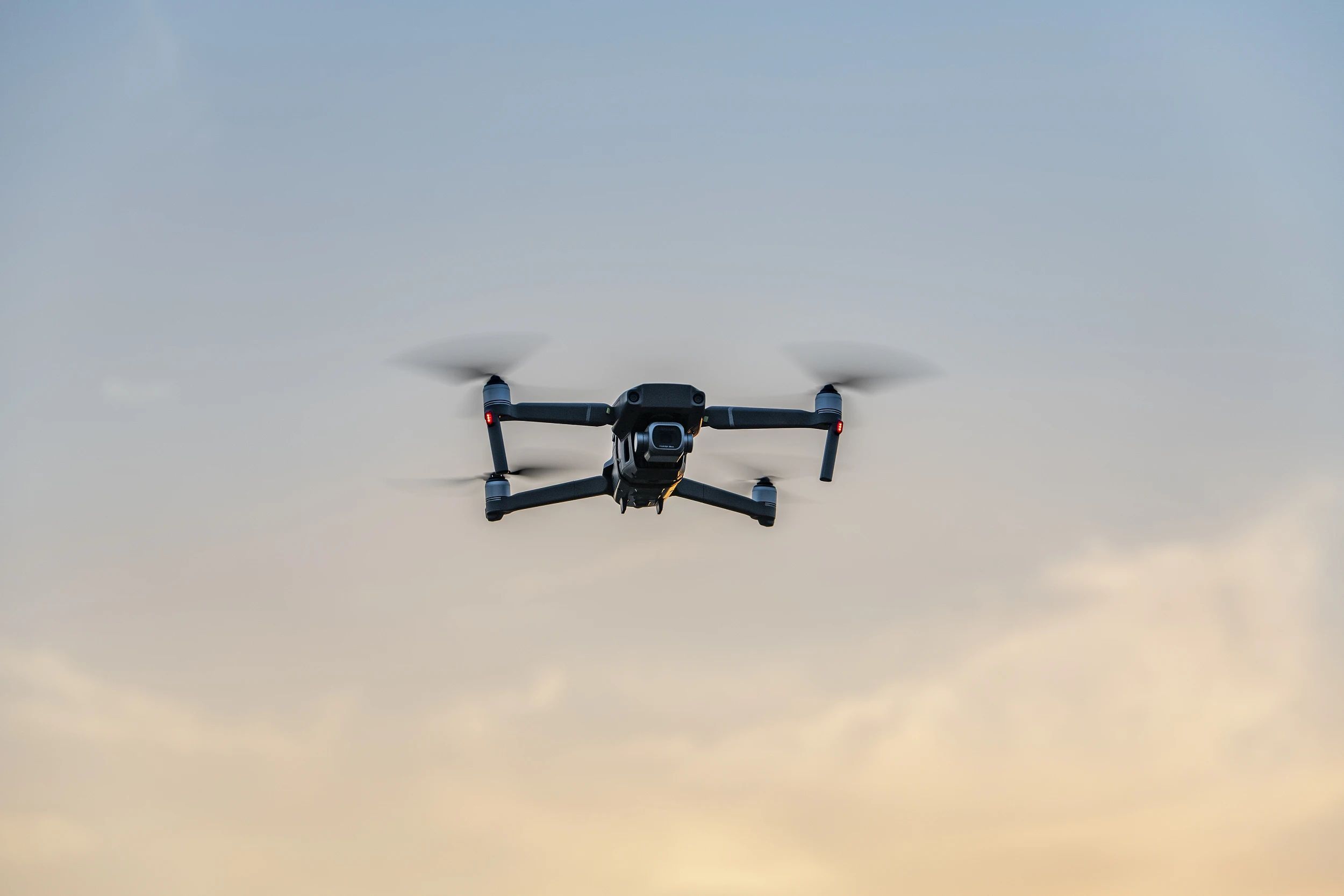
Short answer: An FPV drone is a type of UAV, not a separate alternative to one. UAV means any aircraft that operates without a pilot on board. FPV means the remote pilot flies using a live video feed from the aircraft. In everyday shopping language, however, “UAV vs FPV drone” usually means a stable camera or enterprise drone compared with an agile drone designed for immersive manual flight.
That distinction matters because the labels describe different things. UAV describes what the aircraft is. FPV describes how the pilot sees and often controls it. A camera drone can provide an FPV feed to a phone, while a racing quad is still a UAV even when flown through goggles.
This guide uses the terms the way buyers commonly use them, but it also explains where the categories overlap. You will learn how camera focused UAVs and purpose built FPV drones differ in flight controls, video systems, batteries, maintenance, safety and real world applications.
What Does UAV Mean?
UAV stands for unmanned aerial vehicle. It is an aircraft with no human pilot on board. The term covers far more than consumer quadcopters. Fixed wing mapping aircraft, agricultural multicopters, inspection platforms, delivery aircraft, camera drones and FPV racers can all be UAVs.
You may also see UAS, meaning unmanned aircraft system. UAS is broader because it includes the aircraft plus the controller, command link and other equipment needed to operate it. Aviation regulators often use UAS when discussing the complete operating system.
What Does FPV Mean on a Drone?
FPV stands for first person view. A camera on the aircraft sends live video to goggles, a monitor or another display, giving the pilot an onboard perspective. The system normally includes a flight camera, video transmitter, antennas and a receiver or headset.
The video feed is not literally instantaneous. Every FPV system has some latency. Pilots value consistent, low latency because a delayed image makes precise control more difficult. FPV video may be analog or digital, and the system used for piloting can be separate from the camera that records the final footage.
FPV also does not automatically mean full manual control. Many custom FPV quads are flown in rate mode, often called acro mode, but stabilized FPV aircraft and hybrid products can offer angle limits, altitude assistance, GPS, braking or return functions. The defining feature is the live pilot perspective, not the absence of flight assistance.
UAV vs FPV Drone Comparison
The table compares the product categories most people have in mind: a typical camera or enterprise multirotor and a purpose built FPV quad.
| Feature | Camera or Enterprise UAV | Purpose Built FPV Drone |
|---|---|---|
| Primary goal | Stable imaging, inspection, mapping or repeatable data collection | Immersive flying, racing, freestyle or dynamic video |
| Pilot view | Usually a phone, tablet or controller screen, with frequent reliance on assisted flight | Usually goggles receiving a live forward facing video feed |
| Typical control | GPS position hold, altitude hold and automated flight modes | Direct stick control, commonly in rate mode, though assistance may be available |
| Camera movement | Camera is commonly isolated on a mechanical gimbal | Camera is commonly fixed to the frame, so the image follows aircraft attitude |
| Flight character | Predictable, stable and optimized for smooth positioning | Responsive, agile and capable of steep turns, rolls and dives |
| Construction | Highly integrated body with model specific parts | Modular frame with replaceable motors, arms, electronics and video components |
| Learning curve | Lower for basic flight because stabilization handles much of the workload | Higher when flown manually; simulator practice is strongly recommended |
| Battery approach | Often a proprietary smart battery designed for the aircraft | Often a removable lithium polymer pack selected by cell count, capacity, current capability and connector |
| Repair and setup | Simpler initial setup but less user repairable | More configuration and maintenance, but many parts can be replaced individually |
| Best fit | New pilots, photographers, surveyors and inspection teams | Pilots who prioritize control, speed, proximity and an immersive view |
These are typical patterns, not rigid rules. A cinewhoop can use ducts, stabilization and GPS. A large enterprise UAV can be fast and manually controlled. Always compare the specifications and flight modes of the actual aircraft.
How the Flying Experience Differs
Camera and enterprise UAV flight
A conventional camera drone is designed to make positioning easy. Releasing the sticks normally causes the aircraft to slow and hold its position when navigation sensors are available. The pilot can concentrate on framing, camera settings and the mission instead of continuously correcting attitude.
Features may include automated takeoff, return to home, waypoint missions, subject tracking, geofencing and obstacle sensing. These tools reduce workload, but they do not eliminate pilot responsibility. Sensor performance can change with lighting, surface texture, weather, satellite reception and the direction of travel.
FPV drone flight
A manual FPV quad usually keeps the angle commanded by the pilot until the pilot corrects it. It may not level itself when the sticks return to center. That behavior enables rolls, dives and smooth lines through complex spaces, but it also gives the pilot more work every second.
The pilot coordinates throttle, roll, pitch and yaw while monitoring the video link and battery voltage. A simulator is the safest and least expensive place to build those reflexes. When moving to a real aircraft, a small ducted model in a suitable controlled area generally carries less energy than a powerful open propeller quad.
Video Quality: FPV Drone vs Camera Drone
The better choice depends on the shot, not simply the camera resolution.
Choose a camera drone for stable observation
A gimbal keeps the horizon level while the aircraft changes attitude. This is useful for landscapes, real estate, roof inspections, construction progress and slow cinematic movement. Many camera drones integrate the flight feed and recording camera, so setup is straightforward and the pilot can adjust the camera remotely.
Choose an FPV drone for movement and proximity
A fixed camera lets viewers feel the bank, acceleration and direction of the aircraft. FPV is well suited to following vehicles on a controlled set, revealing a location in one continuous move, flying through approved interior spaces or creating fast transitions.
Many FPV filmmakers record with an onboard action camera and use gyro based stabilization in post production. A small cinewhoop may be chosen when guards and compact size are important. Propeller guards reduce some risks but do not make close flight around people automatically safe or legal.
Common Types of UAV
- Multirotor: Uses several propellers to hover and maneuver precisely. This category includes most camera drones and FPV quads.
- Fixed wing: Generates lift with wings and is efficient in forward flight. It is common in large area mapping and long linear surveys.
- Single rotor: Uses a helicopter style rotor system and may support specialized payloads or longer hover operations.
- Hybrid vertical takeoff aircraft: Takes off vertically and transitions to wing borne forward flight, combining site flexibility with cruise efficiency.
Common Types of FPV Drone
- Tiny whoop: A compact ducted quad commonly used for indoor practice and racing in suitable spaces.
- Racing drone: Built for rapid acceleration, low latency control and efficient movement through a marked course.
- Freestyle drone: Designed for acrobatics and durable enough to handle repeated practice and repair.
- Cinewhoop: A compact filming platform with guarded or ducted propellers, intended for controlled close range cinematic work.
- Long range FPV drone: Prioritizes efficient propulsion, navigation awareness and link reliability. Long range capability does not override local visual line of sight rules.
- FPV fixed wing: Combines the efficiency of a wing with an onboard video perspective.
How Drone Batteries Differ
Battery design follows the aircraft mission. Integrated camera drones often use model specific smart packs with onboard monitoring and a matched charging system. Performance FPV quads commonly use exposed lithium polymer packs because they can deliver high current for rapid throttle changes. Some efficient long range builds use lithium ion packs when energy capacity matters more than peak power.
Do not choose a drone battery by milliamp hours alone. Check all of these factors:
- Cell count and voltage: The pack voltage must match the motors, electronic speed controllers and other electronics.
- Capacity: More capacity can increase potential runtime, but added mass can reduce agility and efficiency.
- Current capability: The battery must safely supply the current demanded by the propulsion system.
- Connector and polarity: The connector must be suitable for the expected current and wired correctly.
- Physical size and mass: The pack must fit securely without moving the center of gravity outside the intended range.
For a basic energy comparison, convert capacity to amp hours and multiply by nominal voltage:
Watt hours = nominal volts × amp hours
For example, a pack rated at 14.8 volts and 1.5 amp hours stores a nominal 22.2 watt hours. This calculation compares nominal energy, not guaranteed flight time. Motors, propellers, aircraft mass, weather, flying style, battery condition and reserve settings all affect usable duration.
Use the charger and settings specified for the battery chemistry. Stop using a pack that is swollen, punctured, overheated or otherwise damaged. Store and transport batteries so their terminals cannot short circuit. If you travel by air, review the carrier requirements and the FAA PackSafe guidance for lithium batteries before packing.
Which Drone Is Better for Your Use Case?
Aerial photography and real estate
Choose a gimbal stabilized camera drone when the deliverable requires a level horizon, repeatable framing and simple operation. FPV can add a dramatic property fly through, but it complements rather than replaces traditional exterior coverage.
Mapping, agriculture and inspection
Choose a mission oriented UAV with the required payload, positioning accuracy, software and data workflow. A small FPV aircraft may help with visual access in some confined or complex environments, but professional operations require a complete risk assessment and appropriate authorization.
Racing and freestyle
Choose a purpose built FPV system. Prioritize control link reliability, video latency, parts availability, frame durability and a setup appropriate to your skill level. Budget for goggles, a radio controller, batteries, a charger, tools and replacement parts, not just the aircraft.
Cinematic action
Choose based on the movement the shot requires. A camera drone is stronger for slow, stabilized establishing shots. FPV is stronger for rapid tracking, dives, gaps and continuous movement. Production work may use both.
First drone for a beginner
A stabilized camera drone is normally easier for learning basic airspace awareness and camera operation. If the goal is specifically FPV, begin with simulator time and then progress to a modest aircraft suited to the available flying area. Do not start with a powerful build simply because it offers room to grow.
Five Questions to Ask Before Buying
- What result do I want? Separate stable photos, survey data, racing, freestyle and immersive video before comparing products.
- Where can I legally and safely fly? Aircraft mass, location, operating purpose and flight method can change the requirements.
- How much training will I accept? Manual FPV control rewards practice. Assisted camera drones shorten the initial learning curve.
- Do I want an integrated product or a repairable system? Integrated drones simplify setup. Custom FPV systems make component replacement and tuning more accessible.
- What is the complete budget? Include batteries, charger, controller, display or goggles, storage, spare propellers, tools and any required registration or training.
FPV Rules and Safety Basics
FPV equipment does not create an exemption from aviation rules. Requirements depend on the country, aircraft, location and purpose of the flight. Check the current rules where you will operate.
In the United States, the FAA separates recreational flying from operations conducted under Part 107 or other authority. The FAA recreational flyer guidance explains the recreational requirements, including the safety test, registration rules and visual line of sight. The FAA Remote ID page explains which aircraft must comply and the available methods. For Part 107 operations, 14 CFR 107.31 sets the visual line of sight requirement and 14 CFR 107.33 addresses visual observers.
In the European Union, EASA explains that FPV goggle operations in the open category can be conducted when a UA observer next to the remote pilot maintains direct visual contact with the aircraft and communicates with the pilot. Review the full EASA FPV guidance and the rules of the national aviation authority before flying.
Regardless of jurisdiction, use a preflight checklist. Confirm propeller condition and orientation, battery security, control inputs, failsafe behavior, link quality, home position when applicable, airspace, weather and a clear launch area. Keep people away from armed motors and remove propellers when working on powered electronics at the bench.
UAV vs FPV Drone: Final Decision
Choose a camera or enterprise UAV when you need stable imagery, assisted flight or repeatable data collection. Choose a purpose built FPV drone when you want an immersive view, direct control and dynamic movement. Choose a hybrid FPV product when you want goggles with more flight assistance.
The most accurate conclusion is simple: FPV drones are UAVs. The useful buying decision is not which label wins, but which aircraft, control system, camera design and battery setup fit the mission you can perform safely and legally.
Frequently Asked Questions
Is an FPV drone a UAV?
Yes. An FPV drone is an unmanned aerial vehicle operated through a live onboard video view. FPV is a subcategory or operating method within the broader UAV category.
What is the main difference between an FPV drone and a regular drone?
A purpose built FPV drone emphasizes an immersive video feed, responsive control and agile movement. A typical consumer camera drone emphasizes stabilization, position holding and smooth recorded footage.
Do FPV drones have GPS?
Some do and some do not. Custom racing and freestyle quads may omit GPS to save mass and complexity. Long range, cinematic and ready to fly FPV models may include GPS for navigation data or recovery features.
Can FPV drones record video?
Yes. Video can be recorded by the goggles, the onboard FPV system, a separate action camera or a combination of these. The pilot feed is optimized for control, while the recording camera may prioritize image quality.
Are FPV drones harder to fly?
Manual FPV drones generally have a steeper learning curve than stabilized camera drones because the pilot continuously manages aircraft attitude and throttle. Assisted FPV models can make the first steps easier, but simulator practice remains valuable.
Do you need goggles to fly FPV?
No. A monitor can display the live video feed, though goggles provide the most immersive view and reduce outside visual distractions. Applicable visual line of sight and observer rules still apply.
Which is better for photography, an FPV drone or a camera drone?
A gimbal stabilized camera drone is usually better for still photos and smooth conventional aerial video. FPV is better when the creative goal depends on speed, proximity, banking or a continuous path through a scene.
Contact Details
Lithium LiFePO4 Batteries and Lithium LiFePO4 Cells Supplier - LiFePO4 Battery Shop
Contact Person: Miss. Elena Wang
WhatsApp : +8615263269227
Skype : +8615263269227
WeChat :15263269227
Email : info@lifepo4batteryshop.com
All Products
- Forklift Battery Charger (0)
- TC Elcon Charger (5)
- Headway Lithium Battery (6)
- Blade Battery (10)
- Semi Solid State Battery (6)
- A123 Battery (6)
- Sinopoly Battery (7)
- GBS Battery (20)
- CALB Battery (26)
- Cylindrical Cell (14)
- Energy Storage System (0)
- Battery Management System (15)
- Sodium ion Battery Cell (4)
- Lithium Titanate Battery (23)
- Ternary Lithium Battery Cell (12)
- REPT Battery (10)
- BYD Battery (5)
- CATL Battery (15)
- Thunder Sky Winston Battery (26)
- EVE Battery (39)
- LiFePO4 Battery Cell (40)
Certification
Customer Reviews
- I have fond memories of our meeting in Shanghai with LiFePO4 Battery Shop Elena. Your company left a strong impression on me with its impressive growth and professionalism. We both value straightforwardness and honesty, which I believe are the most important qualities in any partnership. I am confident that we can build a successful collaboration based on these shared values. —— Robert from USA
- I've been working with LiFePO4 Battery Shop for years, and their reliability is unmatched. While other suppliers frequently change sales teams, LiFePO4 Battery Shop has consistently provided exceptional service with a stable team. Their commitment to quality and customer support truly sets them apart. —— Henry from Australia