
Blog
The Ultimate Guide to 36V Batteries: Everything You Need to Know
2026-02-05 | Calvin
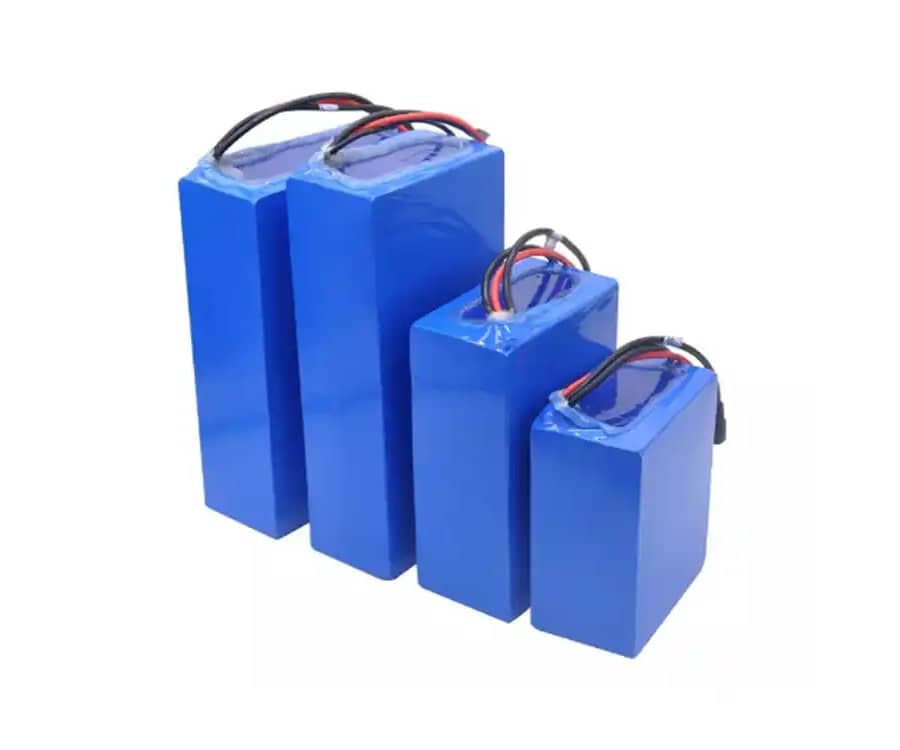
36V batteries play an increasingly important role in modern power solutions, supporting everything from electric mobility to renewable energy systems. Compared with lower-voltage options, 36V battery systems offer an excellent balance between power output, efficiency, and overall weight, making them a popular choice for both consumer and industrial applications.
In this guide, we’ll break down the main types of 36V batteries, explain capacity and lifespan considerations, and help you understand why 36V lithium batteries—especially lithium iron phosphate (LiFePO4)—are often the preferred option for high-demand applications.
Part 1: Types of 36V Batteries
There are three primary types of 36V batteries commonly used today. Each differs in chemistry, performance, and ideal use cases.
1. 36V Lithium-Ion (Li-ion) Batteries
Characteristics
36V lithium-ion batteries are lightweight, compact, and offer high energy density, allowing them to deliver strong performance without adding excessive weight.
Chemistry
Lithium-ion batteries use lithium compounds as active materials. During operation, lithium ions move between the anode and cathode through an organic electrolyte, generating electrical energy.
Pros
- High energy density
- Lightweight and compact design
- Long service life with proper charging
- Fast charging capability
- Low maintenance requirements
Cons
- Higher upfront cost
- Sensitive to extreme temperatures and improper charging
Note: Many modern 36V lithium batteries now use LiFePO4 (Lithium Iron Phosphate) chemistry, which offers improved thermal stability and longer cycle life compared to conventional Li-ion chemistries.
2. 36V Nickel Metal Hydride (NiMH) Batteries
Characteristics
NiMH batteries provide moderate energy density but are heavier and bulkier than lithium-based alternatives.
Chemistry
They rely on nickel oxide hydroxide and a hydrogen-absorbing alloy to store and release energy.
Pros
- More environmentally friendly than lead-acid
- Lower initial cost than lithium batteries
- Reliable and well-established technology
Cons
- Shorter lifespan
- Slower charging speeds
- Potential memory effect if not properly cycled
3. 36V Sealed Lead Acid (SLA) Batteries
Characteristics
SLA batteries are heavy, bulky, and have relatively low energy density, making them less suitable for portable applications.
Chemistry
They use lead dioxide plates and sulfuric acid to produce electrical energy.
Pros
- Low cost
- Robust and durable construction
- Suitable for stationary or backup systems
Cons
- Heavy weight
- Short service life
- Requires more maintenance
- Contains toxic lead materials
Part 2: Understanding 36V Battery Capacity (mAh / Ah)
Battery capacity is typically measured in milliampere-hours (mAh) or ampere-hours (Ah). It indicates how much energy a battery can store.
For example, a 36V battery rated at 10Ah can deliver power roughly twice as long as a 5Ah battery under identical conditions. Higher-capacity batteries are ideal for applications with sustained power demands, while lower-capacity options may reduce cost and weight for lighter-duty use.
Part 3: Size and Weight Considerations
The battery type and capacity directly affect size and weight:
- Lithium-Ion / LiFePO4: Smallest and lightest, ideal for electric bikes and portable systems
- Nickel Metal Hydride: Heavier and bulkier, but still portable
- Sealed Lead Acid: Significantly heavier, best suited for stationary installations
For applications where mobility and efficiency matter, lithium-based 36V batteries clearly offer an advantage.
Part 4: Why Choose a 36V Lithium Battery?
36V lithium batteries have become the industry standard for many modern applications due to their overall performance advantages:
- Lightweight and compact design
- Long service life (often 5 years or more with proper care)
- Fast charging reduces downtime
- High energy density in a smaller footprint
- Minimal maintenance requirements
- No toxic lead and lower environmental impact
LiFePO4-based 36V batteries further enhance safety and longevity, making them especially attractive for professional and commercial use.
Part 5: 36V Battery Lifespan and Cycle Life
Battery lifespan varies depending on chemistry and usage conditions:
- Lithium-Ion / LiFePO4: 2–5 years or 500–1,000 cycles; high-quality LiFePO4 batteries can reach 5–7 years
- Nickel Metal Hydride: 1–3 years, typically 300–500 cycles
- Sealed Lead Acid: 1–2 years, around 200–300 cycles
Factors That Affect Battery Lifespan
- Depth of discharge: Frequent deep discharges reduce cycle life
- Temperature: Extreme heat or cold degrades performance
- Charging habits: Overcharging or inconsistent charging shortens lifespan
- Maintenance: Proper care extends the life of NiMH and SLA batteries
Part 6: Common Applications of 36V Batteries
36V batteries are widely used across multiple industries, including:
- Electric bikes and electric scooters
- Power tools and industrial equipment
- Marine systems (such as trolling motors)
- Solar energy storage solutions
- Golf carts
- Home and small commercial backup power systems
Part 7: Is a 36V Battery the Right Choice?
36V batteries offer an excellent compromise between power output and system complexity:
- 12V systems: Suitable for low-power devices
- 24V systems: Moderate performance for mid-range applications
- 36V systems: Strong performance with manageable weight
- 48V systems: Higher power, but often heavier and more complex
For many portable and medium-duty applications, 36V systems deliver the ideal balance.
Conclusion
Choosing the right battery directly impacts performance, efficiency, and long-term operating costs. With a clear understanding of 36V battery types, capacity, and lifespan, you can confidently select the best solution for your application.
For users seeking high efficiency, reliability, and long service life, 36V lithium batteries—especially LiFePO4 technology—are often the optimal choice for modern, high-demand power systems.
- Next:How to Reset a Battery Management System (BMS) in Protection Mode
- Previous:LiFePO4 Battery Float Voltage Settings and Optimization The Ultimate Technical Guide for 2026
Contact Details
Lithium LiFePO4 Batteries and Lithium LiFePO4 Cells Supplier - LiFePO4 Battery Shop
Contact Person: Miss. Elena Wang
WhatsApp : +8615263269227
Skype : +8615263269227
WeChat :15263269227
Email : info@lifepo4batteryshop.com
All Products
- TC Elcon Charger (0)
- Headway Lithium Battery (6)
- Blade Battery (10)
- Semi Solid State Battery (6)
- A123 Battery (5)
- Sinopoly Battery (7)
- GBS Battery (16)
- CALB Battery (23)
- Cylindrical Cell (8)
- Energy Storage System (0)
- Battery Management System (5)
- Sodium ion Battery Cell (4)
- Lithium Titanate Battery (20)
- Ternary Lithium Battery Cell (11)
- REPT Battery (10)
- BYD Battery (2)
- CATL Battery (15)
- Thunder Sky Winston Battery (21)
- EVE Battery (30)
- LiFePO4 Battery Cell (11)
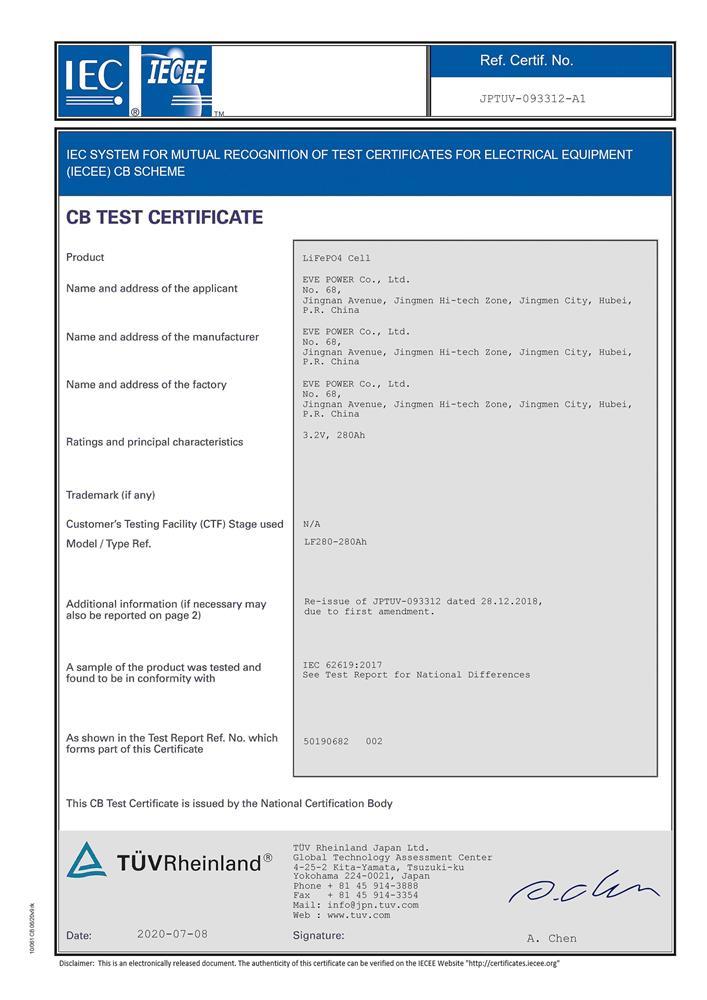
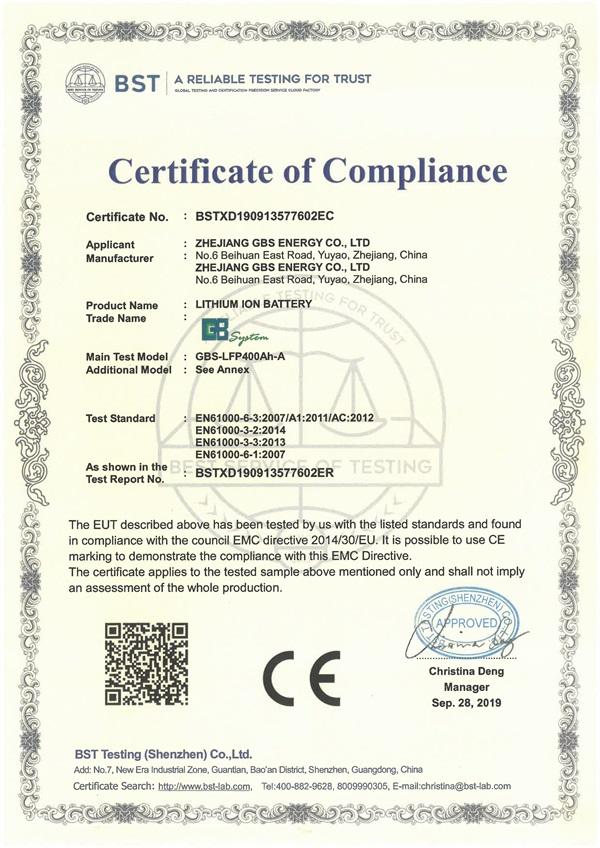
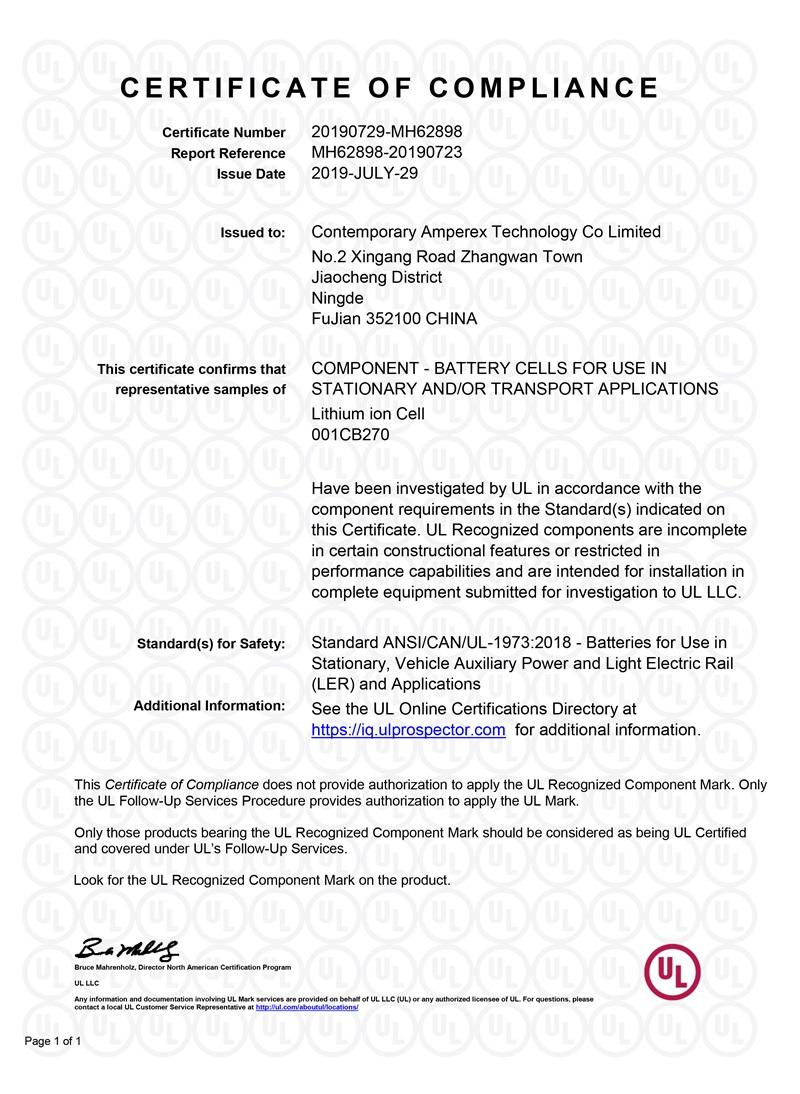
Certification
Customer Reviews
- I have fond memories of our meeting in Shanghai with LiFePO4 Battery Shop Elena. Your company left a strong impression on me with its impressive growth and professionalism. We both value straightforwardness and honesty, which I believe are the most important qualities in any partnership. I am confident that we can build a successful collaboration based on these shared values. —— Robert from USA
- I've been working with LiFePO4 Battery Shop for years, and their reliability is unmatched. While other suppliers frequently change sales teams, LiFePO4 Battery Shop has consistently provided exceptional service with a stable team. Their commitment to quality and customer support truly sets them apart. —— Henry from Australia