
Blog
Square Battery Guide: Types, Sizes, Chemistries, and How to Choose the Right One
2026-07-08 | Calvin
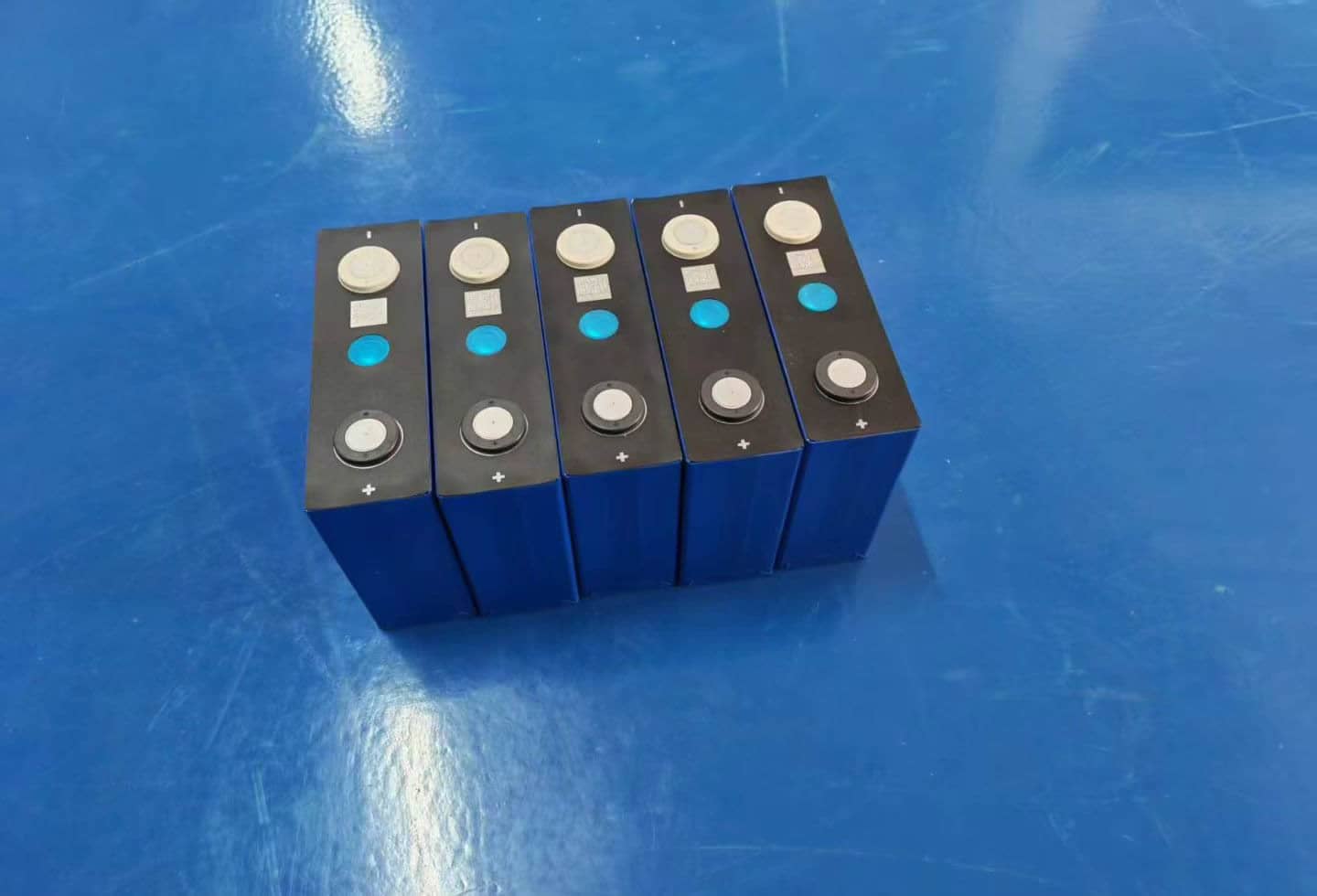
That rectangular cell in your smoke detector, the flat pack inside your phone, and the large-format modules powering electric vehicles all belong to the same family: the square battery. The shape is more than cosmetic — it's the reason prismatic cells now account for over 60% of EV battery capacity deployed worldwide, according to the IEA's Global EV Outlook 2026.
This guide explains what square batteries are called, how they're built, which chemistry fits your application, and — most importantly — how to actually choose one. Whether you need a 9V cell for a multimeter or a 280Ah LiFePO4 prismatic cell for a solar bank, you'll find the answer below.
Key takeaways
- "Square battery" is an informal term; the correct industry name for a rectangular lithium cell is a prismatic battery (rigid case) or pouch cell (soft case).
- Square batteries range from single-use 9V alkaline cells to 3.2V LiFePO4 prismatic cells rated for 6,000+ charge cycles.
- Large prismatic LiFePO4 cells (100Ah–320Ah) dominate solar storage, RV, and DIY battery builds — they stack efficiently and last 10–15 years.
- The right choice comes down to four factors, in order: voltage, capacity, chemistry, and physical dimensions.
- When buying prismatic cells online, always verify Grade A status, intact QR codes, and capacity test reports.
What Is a Square Battery? (And What It's Actually Called)
"Square battery" is an everyday term for any battery with a flat, rectangular housing. In the industry, you'll hear several names depending on chemistry and format:
- Prismatic battery / prismatic cell — the correct technical term for a rectangular lithium cell in a rigid aluminum or steel case. If you're buying for solar, EV, or energy storage, this is the term to search for.
- 9V battery (PP3) — the classic consumer square battery found in smoke detectors and test instruments.
- Square lithium battery — a loose umbrella term for any lithium-based flat cell (prismatic or pouch).
- Pouch cell / LiPo — a flat lithium cell in a soft aluminum-laminate pouch rather than a rigid case. Rectangular, but not "prismatic" in the strict sense.
- Blade battery — an ultra-long, thin prismatic format popularized by BYD for electric vehicles.
- Rectangular / flat battery — informal synonyms you'll see in consumer listings.
Key distinction most guides miss: a prismatic cell has a hard metal casing with a pressure-relief vent; a pouch cell has a soft flexible wrapper. Both are "square," but they behave very differently in terms of safety, swelling tolerance, and mechanical protection.
Inside a Square Battery: Construction and Why the Shape Matters
Every square lithium battery contains the same core components:
| Component | Function |
|---|---|
| Cathode | Positive electrode — LiFePO4, NMC, or cobalt oxide depending on chemistry |
| Anode | Negative electrode — usually graphite; stores lithium ions during charging |
| Electrolyte | Liquid or gel medium that shuttles ions between electrodes |
| Separator | Porous film preventing internal short circuits |
| Current collectors | Aluminum (cathode side) and copper (anode side) foils |
| Casing | Rigid aluminum/steel shell (prismatic) or laminate pouch (LiPo) |
| Safety hardware | Pressure-relief vent, thermal cutoff, and — in packs — a BMS |
Inside a prismatic cell, the electrode layers are either stacked flat or wound into a flattened jelly roll. Stacked designs generally deliver better space utilization and more uniform current distribution, which is why premium large-format LFP cells increasingly use stacking.
Why the flat shape wins in packs: rectangular cells sit flush against each other with almost no dead space. A single large prismatic cell can replace 20–100 cylindrical cells, which means fewer welds, fewer failure points, simpler cooling plates, and a simpler BMS layout. This is exactly why cell-to-pack (CTP) designs from CATL and BYD's Blade battery are built on prismatic formats — the IEA notes these innovations were key to making LFP chemistry viable in EVs.
Types of Square Batteries
1. 9V Alkaline (PP3)
The square battery everyone recognizes. Non-rechargeable, cheap, and ideal for low-drain devices: smoke detectors, multimeters, guitar pedals, wireless mics. Six 1.5V cells stacked in one rectangular housing.
2. Lithium Prismatic Cells (LiFePO4 / NMC)
Rigid-case rectangular cells ranging from small consumer formats to large 280Ah–320Ah cells used in solar storage and EVs. High capacity, long cycle life, and excellent stackability. This is the fastest-growing square battery category by far.
3. Lithium Polymer (LiPo) Pouch Cells
Ultra-thin, lightweight, and moldable to almost any footprint. The default choice in smartphones, drones, wearables, and RC hobby packs. Trade-off: the soft pouch offers less mechanical protection and is more prone to swelling.
4. NiMH Square Packs
Rechargeable, robust, and eco-friendlier than alkaline. Found in hybrid vehicle packs and some household devices, though lithium chemistries have largely displaced them.
5. Flat Alkaline and Specialty Formats
Thin non-rechargeable cells (e.g., CR-P2, 4LR44) used in key fobs, sensors, and legacy photo equipment.
Square Battery Sizes: From 20 mm Wearable Cells to 300Ah Modules
Size flexibility is the format's superpower — manufacturers can scale the same basic design from fingernail-sized to brick-sized.
| Category | Typical Dimensions | Voltage | Capacity Range | Common Uses |
|---|---|---|---|---|
| 9V (PP3) | 48.5 × 26.5 × 17.5 mm | 9V | 400–1,200 mAh | Smoke detectors, test gear |
| Small LiPo | 20–60 mm, custom | 3.7V | 100–3,000 mAh | Earbuds, wearables, trackers |
| Consumer prismatic | Custom | 3.2–3.7V | 2–10 Ah | Phones, tablets, laptops |
| Standard LFP prismatic | ~173 × 72 × 207 mm (LF280K class) | 3.2V | 50–320 Ah | Solar banks, DIY power walls, EVs |
| Assembled square packs | 200 mm+ | 12V–51.2V+ | 50–600 Ah | RVs, marine, home ESS, forklifts |
Buying tip: large-format LFP prismatic cells have become semi-standardized around a few popular capacities (100Ah, 105Ah, 230Ah, 280Ah, 302/304Ah, 314Ah). If you're building a DIY battery bank, sticking to these standard sizes gives you the widest choice of enclosures, busbars, and compression fixtures.
Prismatic vs. Cylindrical vs. Pouch: Which Format Is Best?
This is the comparison that actually matters when choosing a square battery over alternatives:
| Factor | Prismatic (square, hard case) | Cylindrical (18650/21700) | Pouch (LiPo) |
|---|---|---|---|
| Space efficiency in packs | Excellent (90%+ packing) | Poor–fair (round cells waste space) | Excellent |
| Mechanical protection | Good (rigid metal case) | Excellent (steel can) | Weak (soft laminate) |
| Cell capacity per unit | Very high (up to 320Ah+) | Low (3–6 Ah) | Low–medium |
| Cells needed for ~5 kWh | ~16 (280Ah LFP) | 300+ | 50–100 |
| Thermal management | Simple (flat faces, cooling plates) | Complex (many small cells) | Moderate |
| Swelling tolerance | Vent + rigid case contains it | Rarely swells | Prone to visible swelling |
| Cost per Wh (large systems) | Lowest | Higher (assembly labor) | Medium |
| Best for | Solar/ESS, EVs, RVs, marine, industrial | Power tools, laptops, some EVs | Phones, drones, wearables |
Bottom line: for anything stationary or large — solar storage, RV/marine banks, backup power — large prismatic LFP cells are the industry default in 2026, and it's not close. Cylindrical still wins for high-drain compact tools; pouch wins where every millimeter and gram counts.
Square Battery Chemistry: Choosing What's Inside
| Chemistry | Nominal Voltage | Cycle Life | Safety | Best Applications |
|---|---|---|---|---|
| LiFePO4 (LFP) | 3.2V | 3,000–6,000+ cycles | Excellent (highest thermal stability) | Solar/ESS, RV, marine, EVs, UPS |
| NMC Li-ion | 3.6–3.7V | 800–2,000 cycles | Good (needs careful BMS) | EVs needing max range, electronics |
| LiPo (polymer) | 3.7V | 300–800 cycles | Fair (swelling risk) | Phones, drones, wearables |
| NiMH | 1.2V | 500–1,000 cycles | Very good | Hybrids, household devices |
| Alkaline | 1.5V/9V | Single use | Very good | Low-drain consumer devices |
| Lead-acid (block) | 2V/cell | 200–500 cycles | Good (heavy, vents gas) | Legacy automotive/industrial |
Why LiFePO4 dominates the large square battery market: LFP cells tolerate abuse that would push NMC toward thermal runaway, deliver 4,000+ cycles at 80% depth of discharge (many modern cells are rated 6,000+), contain no cobalt or nickel, and have fallen dramatically in price. The IEA reports that LFP batteries in EVs today rely almost exclusively on prismatic cells — the two technologies grew up together. If your application is solar storage, an RV, a boat, or backup power, a prismatic LFP cell or pack should be your default starting point.
Common Square Battery Voltages
- 1.5V — single alkaline cells; remotes, toys, sensors
- 3.2V — single LiFePO4 prismatic cell; the building block of solar and EV packs
- 3.7V — single Li-ion/LiPo cell; phones, drones, power banks
- 9V — PP3 alkaline/lithium stack; smoke detectors, audio, instruments
- 12V / 12.8V — 4× LFP cells in series (4S); the drop-in lead-acid replacement standard
- 24V / 25.6V — 8S LFP; trolling motors, larger RV systems
- 48V / 51.2V — 16S LFP; home energy storage, golf carts, telecom
- 100V–800V — series strings of prismatic cells in EVs and grid storage
Rule #1 of battery buying: match voltage exactly to your device or inverter spec. A 12.8V LFP pack replaces a 12V lead-acid battery; a 24V pack on a 12V system will destroy electronics. When in doubt, check the manual — never approximate.
Pros and Cons of Square Batteries
Advantages
- Maximum space efficiency — flat faces pack tightly with minimal wasted volume, raising pack-level energy density
- Scalable capacity — a single cell can hold 280Ah+, replacing dozens of cylindrical cells
- Simpler pack assembly — fewer connections, fewer failure points, easier busbar layout
- Better thermal contact — flat surfaces mate cleanly with cooling plates
- Custom form factors — manufacturers can tailor dimensions to the product
Disadvantages
- Higher per-cell manufacturing cost than mass-produced cylindrical formats (offset at pack level for large systems)
- Swelling under abuse — lithium prismatic and especially pouch cells can bulge if overcharged, overheated, or aged; large LFP cells need compression fixtures in DIY builds
- Less standardization in small sizes — consumer prismatic dimensions vary by manufacturer, complicating replacements
- Rigid case adds weight, slightly reducing gravimetric energy density vs. pouch
For stationary storage and vehicle packs, the advantages dominate — and the market has voted with its wallet: prismatic deployment in EVs jumped from roughly 42% of global capacity in 2020 to about 69% by 2024, per Adamas Intelligence.
How Long Does a Square Battery Last?
| Chemistry | Cycle Life | Real-World Lifespan |
|---|---|---|
| LiFePO4 prismatic | 3,000–6,000+ cycles | 10–15+ years in solar/ESS duty |
| NMC Li-ion | 800–2,000 cycles | 3–8 years |
| LiPo pouch | 300–800 cycles | 2–4 years |
| NiMH | 500–1,000 cycles | 3–5 years |
| 9V alkaline | Single use | ~5-year shelf life |
Cost-per-cycle reality check: a quality 280Ah LFP prismatic cell rated for 4,000+ cycles works out far cheaper over its life than lead-acid or NMC alternatives, despite the higher upfront price. This is the single most persuasive argument for LFP in any daily-cycling application.
To maximize lifespan:
- Avoid sustained storage above 45°C and never charge below 0°C (lithium plating risk)
- Keep depth of discharge moderate — cycling between 10–90% dramatically extends life
- Use a proper BMS — never run large prismatic cells without cell-level protection
- Store long-term at ~50% state of charge in a cool, dry place
- For DIY LFP builds, apply the manufacturer-specified compression to large cells
Is a Square Battery Rechargeable?
Most modern square batteries are — but not all. LiFePO4, Li-ion, LiPo, and NiMH square batteries are all rechargeable. Standard 9V alkaline and flat alkaline cells are single-use (rechargeable 9V lithium versions with USB-C ports now exist and are worth considering for frequently replaced cells).
Always use a charger matched to the chemistry: an LFP cell charges to 3.65V max, an NMC cell to 4.2V. Using the wrong charger profile is one of the fastest ways to damage a lithium battery or trigger a BMS fault.
Safety and Certifications: What to Check Before You Buy
This is where cheap batteries fail — and where most buying guides stay silent:
- UN38.3 — mandatory for air/sea transport of lithium batteries; no legitimate seller ships without it
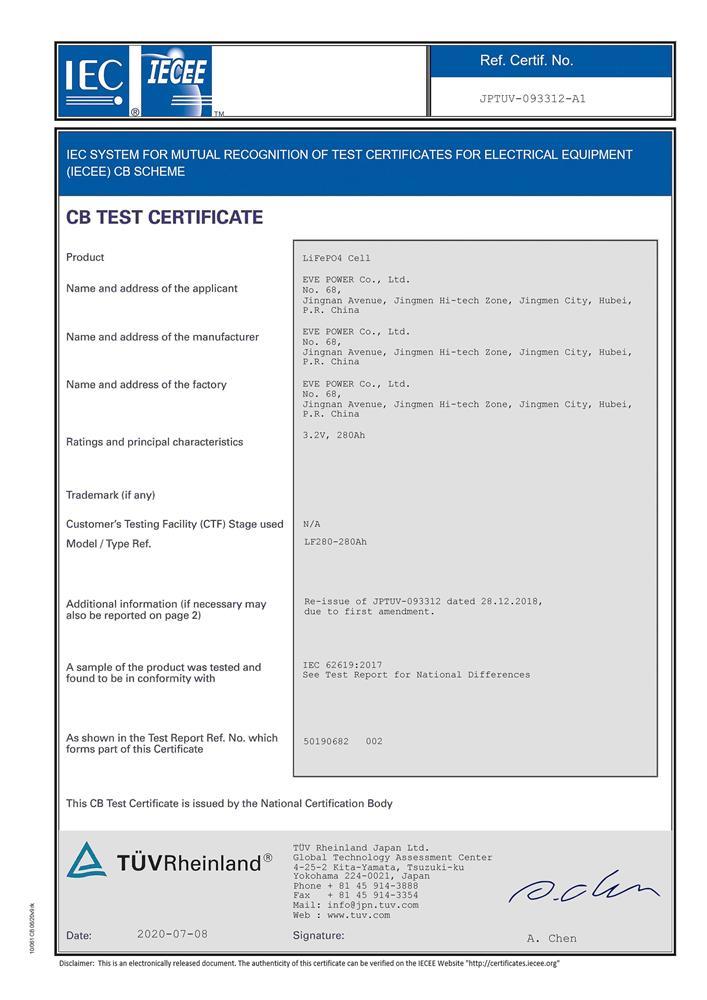
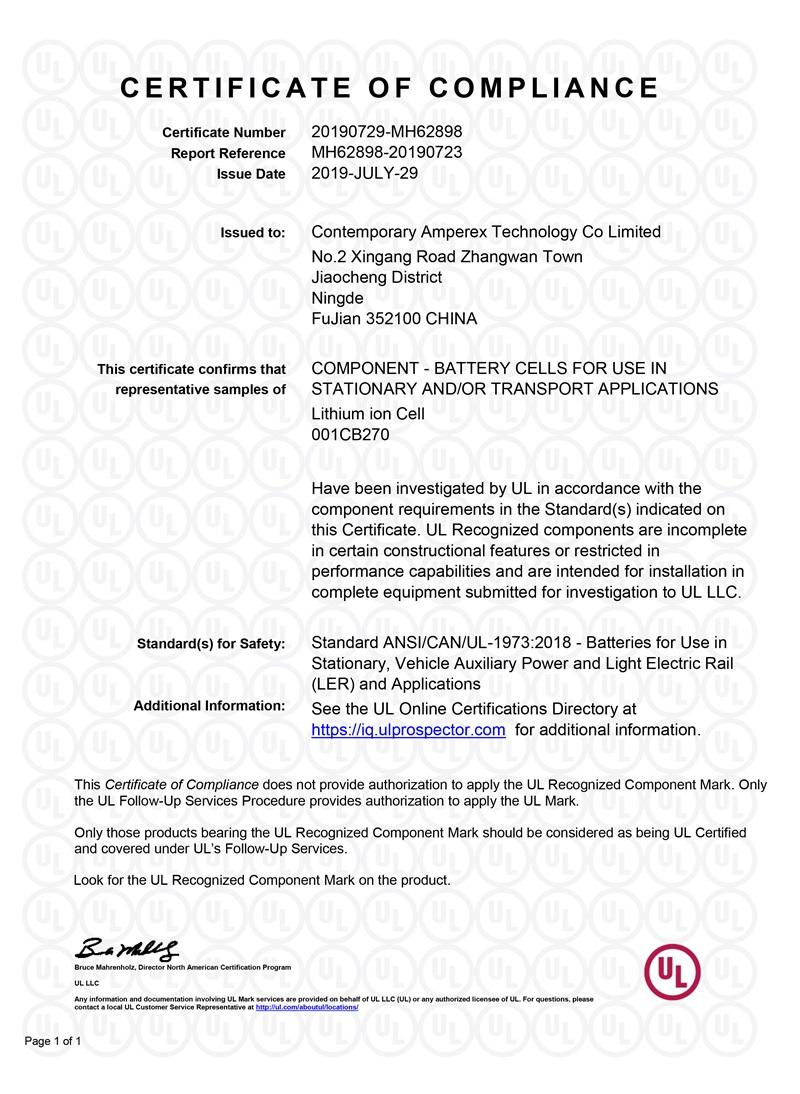
- IEC 62133 / UL 1642 (cells) and UL 2054 (packs) — core safety certifications for lithium cells and battery packs
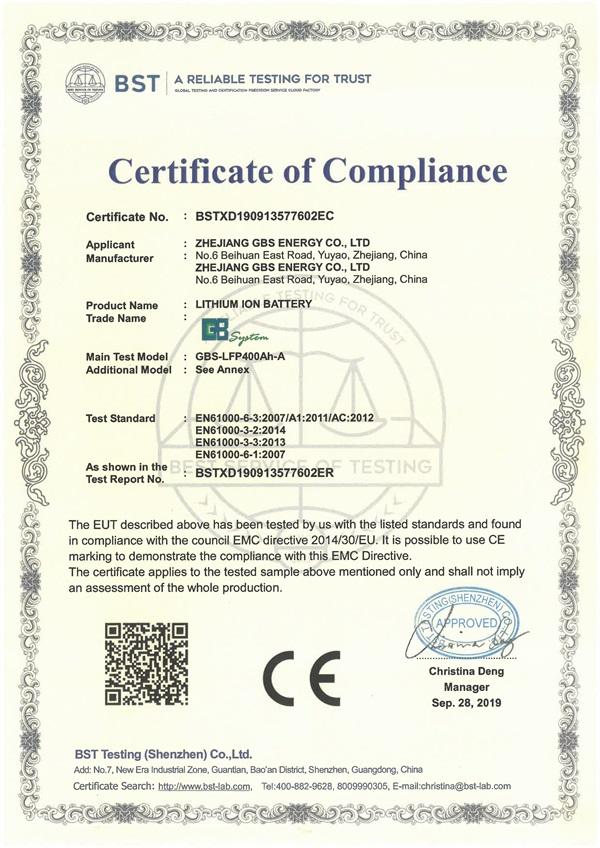
- CE / UKCA — required for the EU and UK markets
- Grade A vs. Grade B cells — large LFP prismatic cells are graded at the factory. Grade A cells have matched capacity and internal resistance; many cheap "new" cells sold online are Grade B or recycled EV pulls. Ask for QR-code verification and capacity test reports before buying.
- BMS quality — for assembled packs, confirm overcharge, over-discharge, over-current, short-circuit, and low-temperature charge protection
Red flags: no datasheet, no cycle-life rating, a suspiciously low price for the claimed capacity, or scratched/reprinted QR codes on prismatic cells.
How to Choose the Right Square Battery: 6-Step Checklist
- Voltage — match the device/inverter spec exactly (12.8V LFP replaces 12V lead-acid)
- Capacity (Ah) — calculate from runtime: a 5A load × 20 hours = 100Ah minimum (add ~20% headroom)
- Discharge rate (C-rating) — solar storage needs only 0.5–1C; trolling motors, inverters with surge loads, and EVs need more. Confirm continuous and peak ratings
- Physical fit — measure your compartment; check terminal type (stud vs. tab) and orientation
- Chemistry — LFP for longevity/safety/stationary use; NMC where maximum energy density matters; LiPo where thinness matters
- Certifications and warranty — UN38.3 + IEC/UL minimum; a 5+ year warranty is standard for quality LFP packs
Frequently Asked Questions
What is a square battery called?
In the industry, rectangular lithium batteries are called prismatic batteries (rigid case) or pouch cells (soft case). The consumer 9V cell is the most familiar square battery, technically designated PP3.
Is a 9V battery a square battery?
Yes — the 9V (PP3) is the classic square battery. It contains six 1.5V cells stacked inside one rectangular housing and powers smoke detectors, multimeters, and audio equipment.
Are square batteries better than round batteries?
For large packs and space-constrained designs, yes: square cells pack with almost no wasted volume, need fewer interconnections, and cool more easily. Cylindrical cells remain better for high-drain compact tools and benefit from stronger structural casings. It depends on the application, not the shape alone.
What is the difference between a prismatic and a pouch battery?
Both are rectangular, but a prismatic cell uses a rigid aluminum/steel case with a pressure-relief vent, while a pouch cell uses a soft laminate wrapper. Prismatic cells offer better mechanical protection and are standard in EVs and solar storage; pouch cells are thinner and lighter, dominating phones and drones.
How long does a square LiFePO4 battery last?
Quality LFP prismatic cells are rated for 3,000–6,000+ full cycles — typically 10–15 years in solar or RV service. That's roughly 3–6× the cycle life of standard Li-ion and up to 10× that of lead-acid.
Can I replace a square lithium battery myself?
In consumer devices (drones, power banks, some laptops), usually yes — with the exact replacement part and basic precautions. In EVs, e-bikes with integrated packs, or home energy storage systems, replacement should be handled by qualified technicians due to high voltages and arc-flash risk.
Why do EVs and solar systems use square batteries?
Large prismatic cells stack cleanly into modules, minimize wasted space, simplify cooling, and cut the number of connections dramatically — one 280Ah prismatic cell replaces dozens of cylindrical cells. Combined with LFP chemistry, this delivers the lowest cost per kWh over the system's life, which is why prismatic cells now account for over 60% of EV battery deployment worldwide.
Conclusion
The humble "square battery" spans everything from the 9V in your smoke detector to the 300Ah prismatic LFP cells inside modern EVs and home power walls — and the format's dominance is only growing. Choosing the right one comes down to three decisions: the correct voltage and size for your device, the right chemistry for your duty cycle, and verified certifications from a trustworthy supplier.
For everyday gadgets, alkaline does the job. For anything that cycles daily — solar storage, RVs, boats, backup power — a LiFePO4 prismatic battery delivers the longest life, the best safety profile, and by far the lowest cost per cycle of any square battery you can buy today.
- Next:LiFePO4 Battery: Complete Guide to Pros, Cons, Lifespan, Safety and Best Uses
- Previous:NiMH vs. Li-ion vs. LiFePO4: Which Battery Actually Lasts Longest?
Contact Details
Lithium LiFePO4 Batteries and Lithium LiFePO4 Cells Supplier - LiFePO4 Battery Shop
Contact Person: Miss. Elena Wang
WhatsApp : +8615263269227
Skype : +8615263269227
WeChat :15263269227
Email : info@lifepo4batteryshop.com
All Products
- TC Elcon Charger (0)
- Headway Lithium Battery (6)
- Blade Battery (10)
- Semi Solid State Battery (6)
- A123 Battery (6)
- Sinopoly Battery (7)
- GBS Battery (16)
- CALB Battery (26)
- Cylindrical Cell (14)
- Energy Storage System (0)
- Battery Management System (15)
- Sodium ion Battery Cell (4)
- Lithium Titanate Battery (23)
- Ternary Lithium Battery Cell (12)
- REPT Battery (10)
- BYD Battery (5)
- CATL Battery (15)
- Thunder Sky Winston Battery (26)
- EVE Battery (37)
- LiFePO4 Battery Cell (37)
Certification
Customer Reviews
- I have fond memories of our meeting in Shanghai with LiFePO4 Battery Shop Elena. Your company left a strong impression on me with its impressive growth and professionalism. We both value straightforwardness and honesty, which I believe are the most important qualities in any partnership. I am confident that we can build a successful collaboration based on these shared values. —— Robert from USA
- I've been working with LiFePO4 Battery Shop for years, and their reliability is unmatched. While other suppliers frequently change sales teams, LiFePO4 Battery Shop has consistently provided exceptional service with a stable team. Their commitment to quality and customer support truly sets them apart. —— Henry from Australia