
Blog
LiFePO4 Battery: Complete Guide to Pros, Cons, Lifespan, Safety and Best Uses
2026-07-06 | Calvin
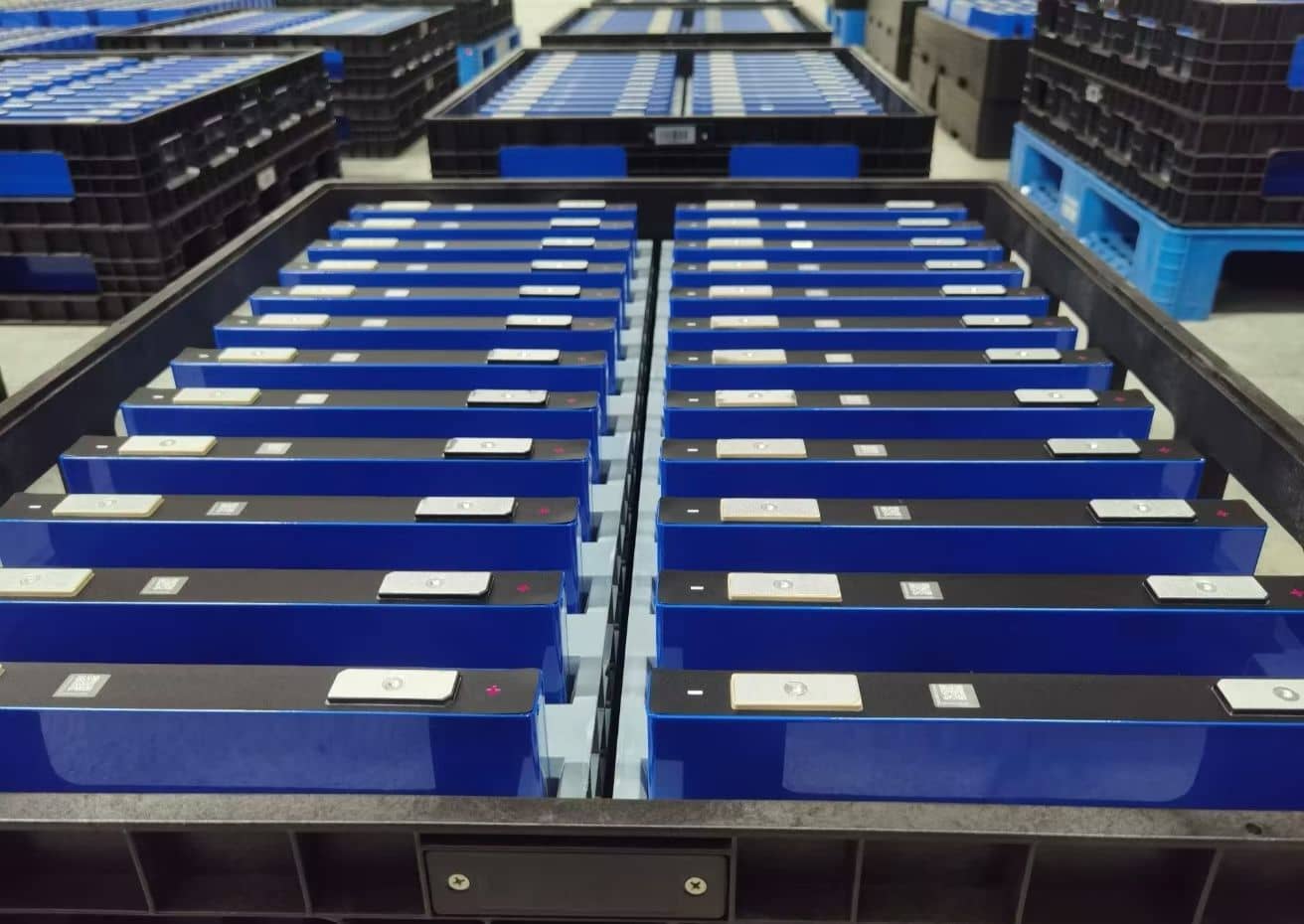
A LiFePO4 battery, also called a lithium iron phosphate battery or LFP battery, is one of the most popular rechargeable battery chemistries used in solar energy storage, RVs, marine systems, backup power, telecom equipment, electric vehicles, and industrial applications. It belongs to the wider lithium-ion battery family, but its chemistry is different from common nickel manganese cobalt batteries, often called NMC batteries. PNNL explains that lithium-ion includes multiple chemistries, with LFP and NMC among the most common types used across electric vehicles, residential batteries, and grid-scale applications.
The reason LiFePO4 batteries are growing so quickly is simple: they offer a strong balance of safety, long cycle life, stable performance, and lower maintenance. They are not the lightest battery option, and they are not perfect for every application, but for energy storage systems that need long-term reliability, LiFePO4 is often one of the best choices.
What Is a LiFePO4 Battery?
LiFePO4 stands for lithium iron phosphate. In this battery chemistry, lithium iron phosphate is used as the cathode material, while the anode is usually graphite. During charging and discharging, lithium ions move between the electrodes to store and release electrical energy.
The key difference is the phosphate-based cathode. Compared with some nickel-rich lithium-ion batteries, LiFePO4 is known for better chemical and thermal stability. A scientific review in Applied Energy describes LFP batteries as having low cost, outstanding safety performance, and long cycle life, while also noting that LFP has lower energy density than some competing EV battery chemistries.
In practical terms, LiFePO4 batteries are designed for applications where long service life, safety, and repeated charge-discharge cycles matter more than achieving the smallest possible size.
Key Advantages of LiFePO4 Batteries
The biggest advantage of a LiFePO4 battery is its long cycle life. A cycle means one full charge and discharge. While actual lifespan depends on battery quality, depth of discharge, charging habits, temperature, and BMS protection, LiFePO4 batteries are widely chosen for systems that cycle every day, such as solar storage and backup power.
Safety is another major benefit. LiFePO4 chemistry is more resistant to overheating than many cobalt- or nickel-based lithium-ion chemistries. That does not mean the battery is risk-free. Any lithium battery must be designed, installed, charged, and protected correctly. However, LFP’s chemistry gives it a strong safety profile for stationary energy storage, RVs, marine systems, and commercial battery packs.
LiFePO4 batteries also provide excellent usable capacity. Compared with lead-acid batteries, they can usually be discharged more deeply without suffering the same level of damage. They also maintain a more stable voltage through much of the discharge cycle, which helps equipment run consistently.
Another advantage is low maintenance. Unlike flooded lead-acid batteries, LiFePO4 batteries do not require watering, equalization, or acid handling. For businesses, homeowners, fleet operators, and off-grid users, that can reduce service time and long-term operating costs.
Main Disadvantages of LiFePO4 Batteries
The first drawback is lower energy density compared with some other lithium-ion chemistries. This means a LiFePO4 battery can be larger or heavier than an NMC battery with the same energy capacity. For smartphones, drones, racing equipment, or high-performance EVs where every gram matters, NMC or other high-energy chemistries may still be preferred.
The second drawback is upfront cost. LiFePO4 batteries often cost more than lead-acid batteries at the time of purchase. However, the total cost can be lower over time because LiFePO4 batteries usually last longer, require less maintenance, and offer more usable capacity.
Cold-weather charging is another important limitation. Many LiFePO4 batteries should not be charged below freezing unless they include built-in low-temperature protection or self-heating. Discharging in cold weather is usually less problematic than charging, but performance can still drop in extreme temperatures. For outdoor, marine, RV, or telecom installations, choose a battery with temperature sensors and a BMS designed for the local climate.
LiFePO4 vs Lithium-Ion vs Lead-Acid
LiFePO4 is technically a type of lithium-ion battery, but in everyday buying guides, people often compare “LiFePO4” with “lithium-ion” to mean LFP versus NMC or similar chemistries.
NMC batteries usually offer higher energy density, which makes them attractive for compact electronics and long-range EVs. LiFePO4 batteries usually offer better thermal stability, longer cycle life, and strong value for energy storage applications. The International Energy Agency reported that LFP batteries made up nearly half of the global EV battery market in 2024, with especially strong adoption in China, where LFP met nearly three-quarters of domestic EV battery demand.
Compared with lead-acid, LiFePO4 is lighter, more efficient, longer lasting, and easier to maintain. Lead-acid still has a lower upfront cost and may work for simple backup systems, but for frequent cycling, solar storage, RV power, or commercial use, LiFePO4 is usually the better long-term investment.
| Feature | LiFePO4 | NMC Lithium-Ion | Lead-Acid |
|---|---|---|---|
| Safety | Very strong | Good with proper design, but more heat-sensitive | Stable but contains acid |
| Cycle life | High | Medium to high | Low to medium |
| Energy density | Medium | High | Low |
| Maintenance | Low | Low | Medium to high |
| Best use | Solar, RV, marine, backup, storage | EVs, electronics, lightweight packs | Budget backup, starter use |
Best Uses for LiFePO4 Batteries
LiFePO4 batteries are ideal for solar energy storage because solar systems charge and discharge batteries almost every day. A long cycle-life battery makes more sense in this environment than a battery that needs frequent replacement.
They are also popular in RVs and camper vans. A LiFePO4 battery can power lights, refrigerators, fans, inverters, water pumps, laptops, and small appliances while reducing battery weight compared with many lead-acid setups.
Marine users choose LiFePO4 for trolling motors, house batteries, navigation electronics, and onboard power. The low maintenance and stable discharge performance are useful on boats, although marine installations must be properly protected from moisture, vibration, and corrosion.
LiFePO4 batteries are also used in telecom backup, UPS systems, commercial energy storage, forklifts, AGVs, golf carts, industrial equipment, and electric mobility applications. For large energy storage systems, safety testing becomes especially important. UL Solutions explains that UL 9540A is used to assess fire propagation related to thermal runaway events in battery energy storage systems and is recognized by major energy storage codes and standards.
How to Choose the Right LiFePO4 Battery
Start with capacity. A 12V 100Ah LiFePO4 battery stores about 1,280Wh of energy, while a 24V or 48V system may be better for larger inverters and solar storage systems. Higher-voltage systems can reduce current, cable size, and power loss.
Next, check the BMS. A good Battery Management System should protect against overcharge, over-discharge, short circuit, overcurrent, overheating, low-temperature charging, and cell imbalance. The BMS is one of the most important parts of the battery pack.
Also check charging compatibility. A LiFePO4 battery should be charged with a charger or inverter charger that supports the correct lithium iron phosphate charging profile. Do not assume an old lead-acid charger is suitable unless the battery manufacturer confirms compatibility.
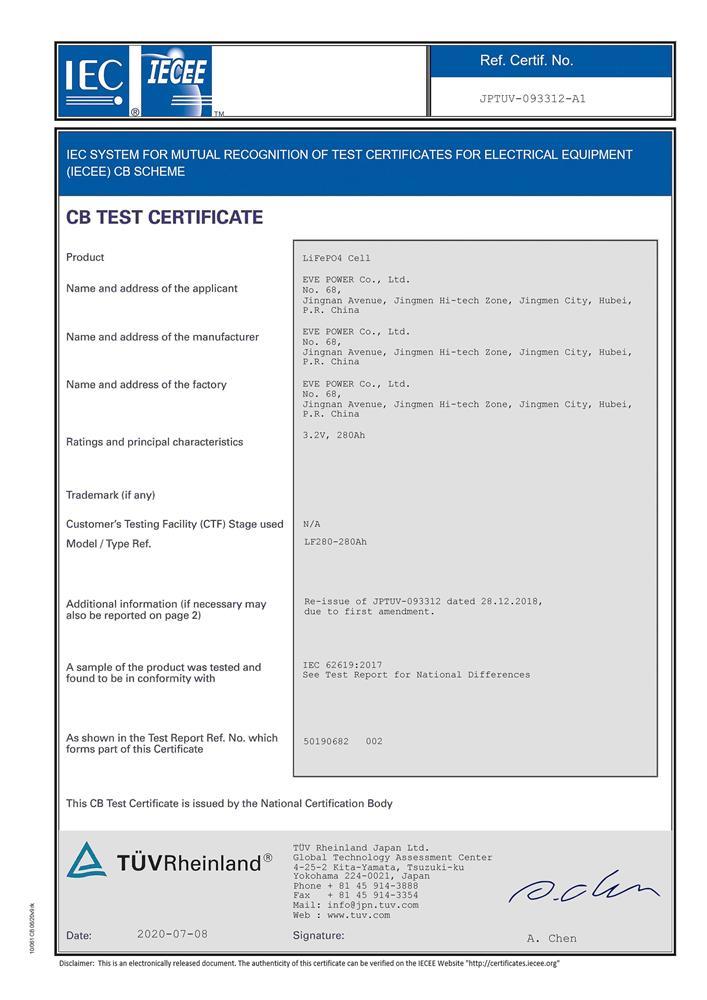
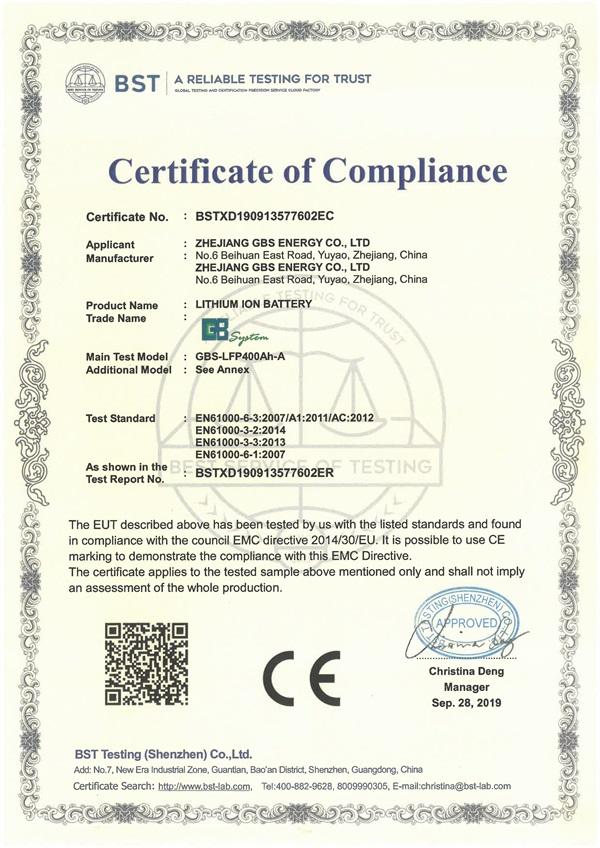
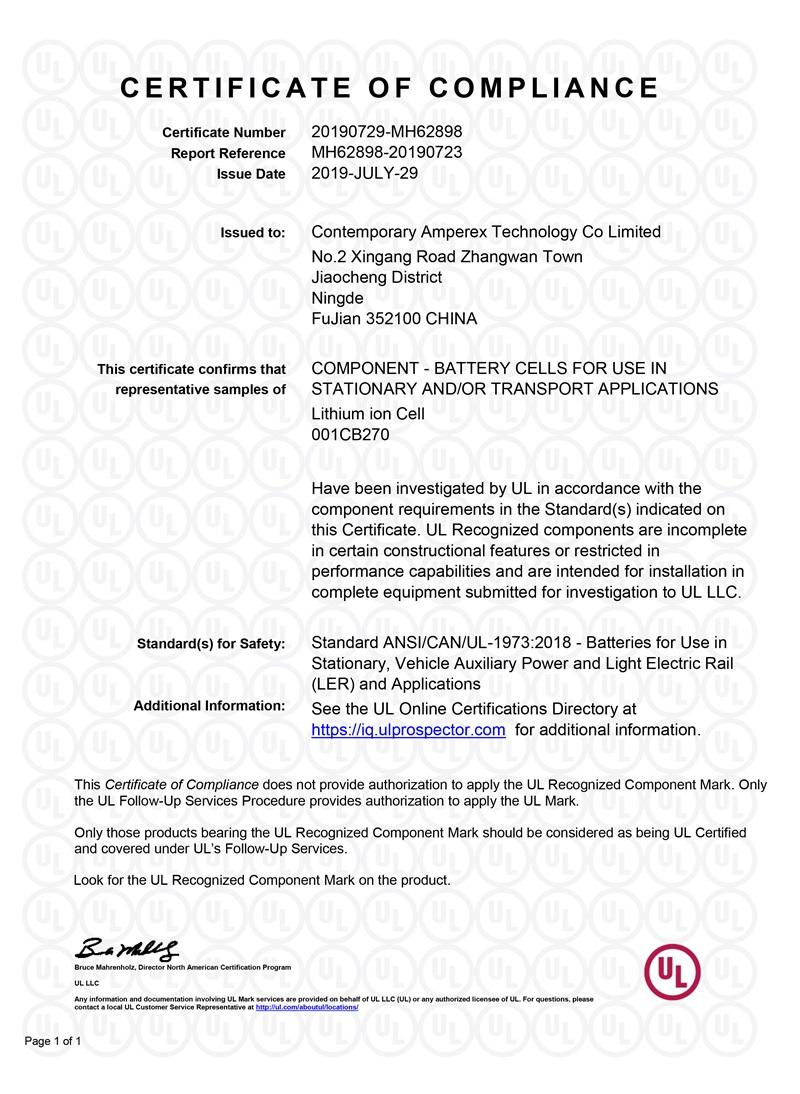
For commercial, residential, transport, or industrial applications, review certifications and test reports. Depending on the use case, buyers may need UN 38.3 transport testing, UL 1973 for stationary batteries, UL 9540/UL 9540A for energy storage systems, IEC standards, CE, UKCA, or other regional compliance documents.
Is a LiFePO4 Battery Worth It?
A LiFePO4 battery is worth it when you need a safe, long-lasting, low-maintenance battery for repeated use. It is especially strong for solar storage, RV power, marine house batteries, telecom backup, off-grid systems, and commercial energy storage.
It may not be the best option when the lowest upfront price is the only priority or when the battery must be extremely lightweight and compact. But when total lifetime value matters, LiFePO4 is one of the strongest battery chemistries available today.
The best choice is not simply “the biggest battery” or “the cheapest battery.” The best choice is the battery that matches your voltage, capacity, discharge rate, charging system, temperature conditions, safety requirements, and expected daily use. With the right design and a quality BMS, LiFePO4 batteries can deliver dependable power for years.
FAQ
1. Is LiFePO4 the same as lithium-ion?
LiFePO4 is a type of lithium-ion battery. The difference is that it uses lithium iron phosphate chemistry, while many common lithium-ion batteries use NMC, NCA, or cobalt-based chemistries.
2. How long does a LiFePO4 battery last?
A quality LiFePO4 battery can last for thousands of cycles, but the actual lifespan depends on depth of discharge, charging settings, temperature, BMS quality, and usage conditions.
3. Are LiFePO4 batteries safe?
LiFePO4 batteries are considered one of the safer lithium-ion chemistries because of their thermal and chemical stability, but they still require proper charging, installation, protection, and safety certification.
4. What is the main disadvantage of LiFePO4 batteries?
The main disadvantage is lower energy density compared with NMC lithium-ion batteries, meaning LiFePO4 can be larger or heavier for the same capacity.
5. Can I replace a lead-acid battery with LiFePO4?
Often yes, but you must check voltage compatibility, charger settings, alternator protection, BMS limits, temperature conditions, and manufacturer instructions.
- Next:8D Deep Cycle Battery Guide: AGM vs Lithium — The Honest Comparison
- Previous:Square Battery Guide: Types, Sizes, Chemistries, and How to Choose the Right One
Contact Details
Lithium LiFePO4 Batteries and Lithium LiFePO4 Cells Supplier - LiFePO4 Battery Shop
Contact Person: Miss. Elena Wang
WhatsApp : +8615263269227
Skype : +8615263269227
WeChat :15263269227
Email : info@lifepo4batteryshop.com
All Products
- TC Elcon Charger (0)
- Headway Lithium Battery (6)
- Blade Battery (10)
- Semi Solid State Battery (6)
- A123 Battery (6)
- Sinopoly Battery (7)
- GBS Battery (16)
- CALB Battery (26)
- Cylindrical Cell (14)
- Energy Storage System (0)
- Battery Management System (15)
- Sodium ion Battery Cell (4)
- Lithium Titanate Battery (23)
- Ternary Lithium Battery Cell (12)
- REPT Battery (10)
- BYD Battery (5)
- CATL Battery (15)
- Thunder Sky Winston Battery (26)
- EVE Battery (37)
- LiFePO4 Battery Cell (37)
Certification
Customer Reviews
- I have fond memories of our meeting in Shanghai with LiFePO4 Battery Shop Elena. Your company left a strong impression on me with its impressive growth and professionalism. We both value straightforwardness and honesty, which I believe are the most important qualities in any partnership. I am confident that we can build a successful collaboration based on these shared values. —— Robert from USA
- I've been working with LiFePO4 Battery Shop for years, and their reliability is unmatched. While other suppliers frequently change sales teams, LiFePO4 Battery Shop has consistently provided exceptional service with a stable team. Their commitment to quality and customer support truly sets them apart. —— Henry from Australia