
Blog
Single-Phase or Three-Phase? Here’s How to Pick the Ideal Inverter for Your Solar System
2025-10-30 | Calvin

When investing in a solar system, one of the most critical components to consider is the inverter. Whether you're setting up a residential solar system or scaling up for a commercial installation, selecting the appropriate single-phase or three-phase string inverter can significantly impact your system's performance, efficiency, and long-term savings. In this guide, we’ll walk you through the key factors to consider when choosing the right inverter for your needs.
1. System Size and Capacity
The size of your solar system plays a pivotal role in determining the type of inverter you need.
- Single-Phase Inverters: Ideal for small to medium residential systems or small commercial applications. These inverters are typically rated for systems with lower power demands, generally up to 10 kW.
- Three-Phase Inverters: Best suited for larger residential systems or commercial/industrial setups, typically exceeding 10 kW. Three-phase systems are known for their ability to handle higher power loads, providing greater efficiency and stability for larger systems.
Tip: Ensure that your inverter can accommodate the total expected power output of your solar panels to avoid underperformance.
2. Voltage Compatibility
Each solar panel operates at a specific voltage, and so does the inverter. It's essential to match the voltage ratings of your solar panels with the input voltage range of the inverter.
- Single-Phase Systems: Generally support lower voltage ranges, making them suitable for residential installations where the energy demands are moderate.
- Three-Phase Systems: Designed to handle higher voltage ranges, these are more efficient at distributing power over long distances and are better suited for commercial and industrial installations.
Ensuring compatibility between your solar array and the inverter’s voltage is crucial for optimal system performance.
3. Maximum Power Point Tracking (MPPT)
MPPT technology is a key feature in modern solar inverters. It enables the inverter to track the Maximum Power Point (MPP) of your solar array at any given time, ensuring that each panel operates at its optimal efficiency.
- Single-Phase Inverters: Often come with one MPPT, but some higher-end models may feature two or more.
- Three-Phase Inverters: Typically have multiple MPPTs, allowing each string of solar panels to operate independently, which is especially beneficial for large or complex installations where shading or panel orientation may vary.
Having an efficient MPPT ensures you are extracting the maximum possible energy from your solar panels, improving your system's overall yield.
4. Inverter Efficiency
The efficiency of an inverter determines how much of the energy generated by your solar panels is successfully converted into usable electricity.
- Higher Efficiency = Better Performance: A more efficient inverter minimizes energy losses, ensuring that as much solar power as possible is converted to electricity. This is especially important in locations with lower sunlight hours or fluctuating weather conditions.
Look for inverters with high conversion efficiencies (typically over 97%) for the best overall performance. The more efficient your inverter, the more value you get from your solar investment.
5. Monitoring and Data Logging
A modern inverter should offer comprehensive monitoring and data logging capabilities. These features allow you to track your system’s performance in real-time and detect any issues that could affect energy production.
- Remote Monitoring: With advanced cloud-based platforms, you can monitor your solar system’s output from anywhere, anytime.
- Data Logging: Keep track of energy production and spot any performance dips or failures, enabling faster issue resolution.
Monitoring tools can also help you optimize energy consumption, ensuring your system operates at peak efficiency.
6. Grid Integration and Compliance
For safety and efficiency, your inverter needs to meet local grid integration standards. These standards ensure that your inverter is compatible with the local electrical grid and can safely handle fluctuations in grid power. Non-compliant inverters may lead to unreliable operation or even damage your equipment.
- Single-Phase Systems: Commonly used in residential settings, these inverters must comply with regional grid standards, ensuring smooth integration and grid support.
- Three-Phase Systems: These inverters are typically required for larger installations, and must adhere to stringent regulatory requirements to ensure grid stability and compliance with local laws.
Ensure that your chosen inverter meets the certification and safety standards required in your area to guarantee a reliable and secure solar setup.
7. Compatibility with Energy Storage Systems
If you are considering adding an energy storage system to your solar setup, check for inverter compatibility with batteries. Integrated inverters that work seamlessly with energy storage can help you store excess solar energy for later use, increasing your system’s overall efficiency and providing you with a greater degree of energy independence.
- Energy Storage Integration: Some inverters come with built-in support for batteries, while others require an additional converter to interface with energy storage solutions.
- Optimized Self-Consumption: With battery storage, you can store solar energy during the day and use it during the night or when electricity rates are higher, maximizing the value of your solar system.
Conclusion
Selecting the right inverter is crucial for ensuring the long-term performance and efficiency of your solar system. By considering factors such as system size, voltage compatibility, MPPT technology, and efficiency, you can make an informed decision that meets both your energy needs and budget.
Whether you’re installing a small residential system or scaling up to a commercial setup, understanding your energy requirements and the features of different inverters is key to optimizing your solar investment.
- Next:The Ultimate Guide to Electric Scooter Batteries: Everything You Need to Know
- Previous:Tesla Battery Types: A Simple Guide for Model S, 3, X, and Y
Contact Details
Lithium LiFePO4 Batteries and Lithium LiFePO4 Cells Supplier - LiFePO4 Battery Shop
Contact Person: Miss. Elena Wang
WhatsApp : +8615263269227
Skype : +8615263269227
WeChat :15263269227
Email : info@lifepo4batteryshop.com
All Products
- A123 Battery (5)
- Sinopoly Battery (7)
- GBS Battery (16)
- CALB Battery (22)
- Cylindrical Cell (3)
- Energy Storage System (0)
- Battery Management System (2)
- Sodium ion Battery Cell (3)
- Lithium Titanate Battery (16)
- Ternary Lithium Battery Cell (11)
- REPT Battery (8)
- BYD Battery (2)
- CATL Battery (14)
- Thunder Sky Winston Battery (21)
- EVE Battery (29)
- LiFePO4 Battery Cell (4)
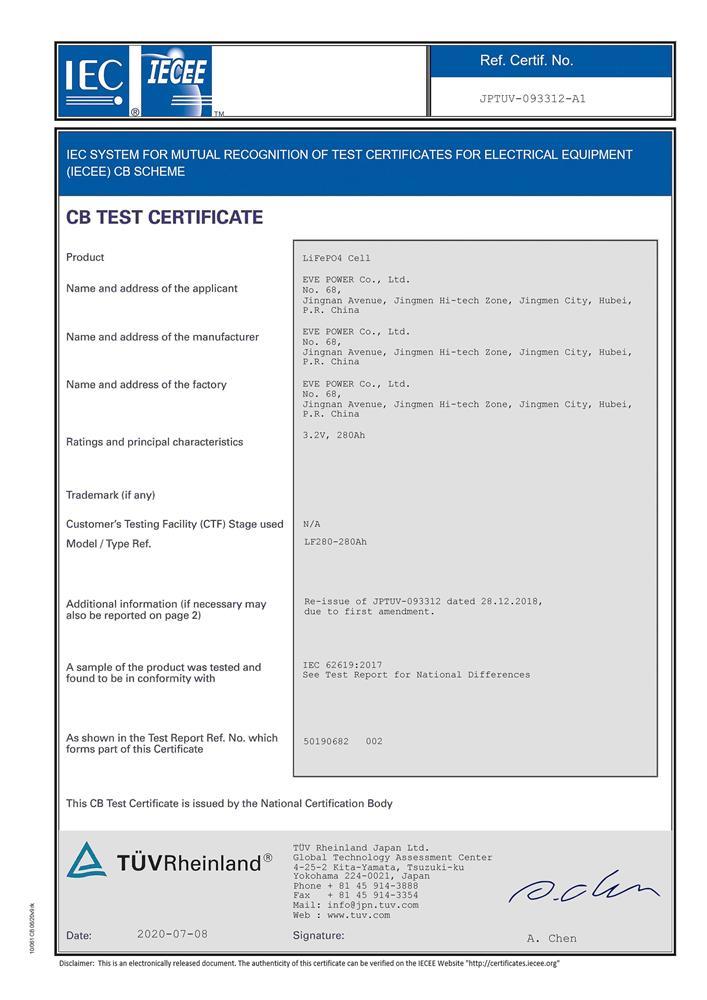
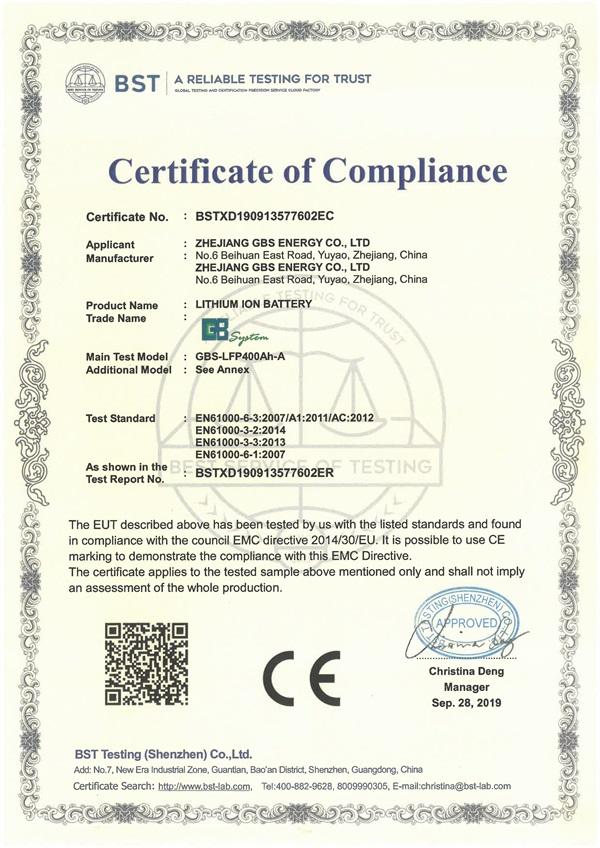
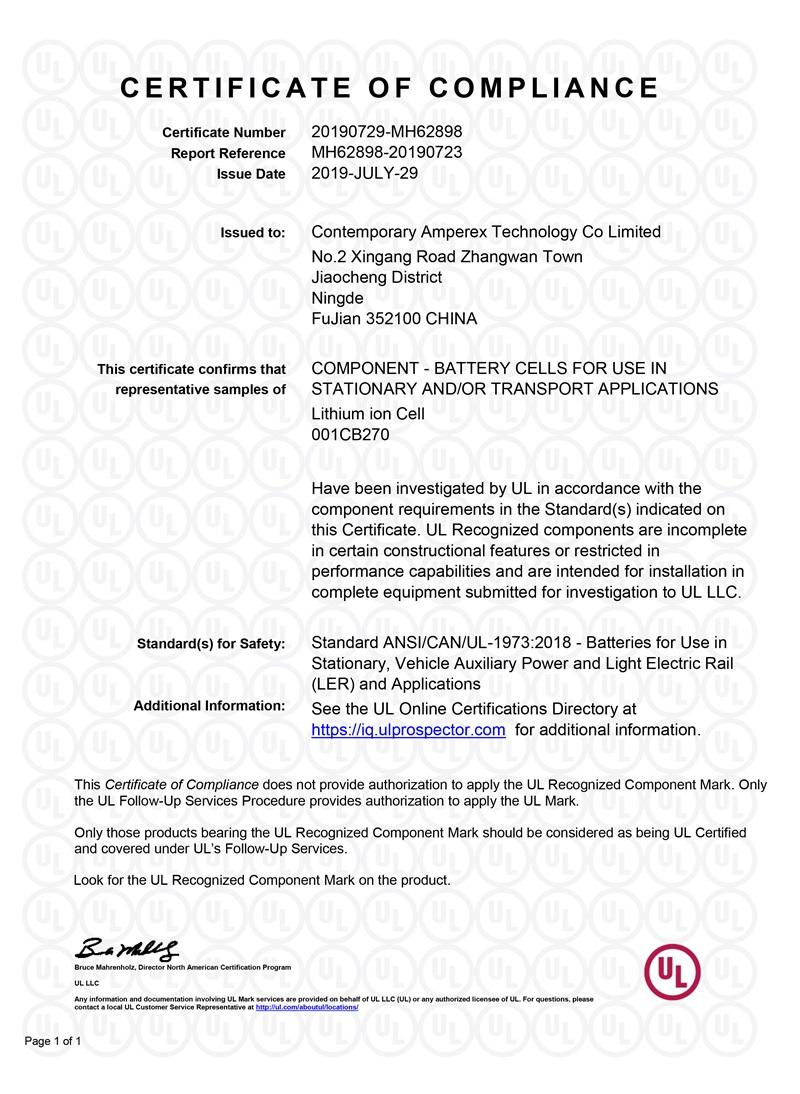
Certification
Customer Reviews
- I have fond memories of our meeting in Shanghai with LiFePO4 Battery Shop Elena. Your company left a strong impression on me with its impressive growth and professionalism. We both value straightforwardness and honesty, which I believe are the most important qualities in any partnership. I am confident that we can build a successful collaboration based on these shared values. —— Robert from USA
- I've been working with LiFePO4 Battery Shop for years, and their reliability is unmatched. While other suppliers frequently change sales teams, LiFePO4 Battery Shop has consistently provided exceptional service with a stable team. Their commitment to quality and customer support truly sets them apart. —— Henry from Australia