
Blog
The Ultimate Guide to Electric Scooter Batteries: Everything You Need to Know
2025-10-24 | Calvin

Electric scooters have transformed urban transportation. They're practical, eco-friendly, and cost-effective, allowing for quick commutes while avoiding traffic. However, to ensure a smooth and efficient riding experience, it's crucial to choose the right battery. In this guide, we’ll break down the essential factors to consider when selecting the best battery for your electric scooter.
Table of Contents
- Types of Electric Scooter Batteries
- How to Choose the Right Battery for Your Electric Scooter
- How to Charge Your Electric Scooter Battery Correctly
- Signs of a Worn or Failing Electric Scooter Battery
- How to Extend Your Electric Scooter’s Battery Life
- Conclusion
- Our Recommendation
Types of Electric Scooter Batteries
There are several types of batteries commonly used in electric scooters, each with distinct pros and cons. Understanding these can help you make an informed decision on the best fit for your needs.
Lithium-Ion (Li-Ion) Battery
Lithium-ion batteries are widely regarded as the industry standard for electric scooters. They offer lightweight, high energy density, and exceptional performance, especially over multiple charge cycles.
- Advantages: Long lifespan, lightweight, fast charging.
- Disadvantages: Higher cost compared to other types.
- Best For: Daily commuters and high-performance electric scooters.
Lithium Manganese (INR, NMC) Battery
Lithium Manganese batteries (often known as INR or NMC) strike a balance between safety and power output. They're known for stability and are less prone to overheating, which makes them a safer alternative for those who prioritize both performance and security.
- Advantages: Stable and safe, decent energy density.
- Disadvantages: Slightly bulkier than standard lithium-ion batteries.
- Best For: Riders seeking a powerful, yet safe battery.
Lead-Acid Battery
Lead-acid batteries are an older technology still used in some budget-friendly scooters. While they're affordable, they are heavier, less energy-efficient, and slower to charge compared to lithium-based batteries.
- Advantages: Low initial cost.
- Disadvantages: Heavy, shorter lifespan, slower charging times.
- Best For: Budget-conscious riders and short-distance commuters.
Conclusion: For most riders, Lithium-ion batteries are the preferred choice due to their balance of performance, longevity, and fast charging capabilities. They’re ideal for everyday use and provide the best overall experience.
How to Choose the Right Battery for Your Electric Scooter
When selecting a battery, several factors can significantly impact your scooter’s performance and overall experience. Here’s what to consider:
Battery Capacity (Ah)
Capacity, measured in ampere-hours (Ah), determines how far your scooter can go before needing a recharge.
- Higher Capacity: Longer range, but heavier and more expensive.
- Tip: Find a balance between range and weight, especially if portability is important.
Battery Voltage (V)
Voltage, measured in volts (V), affects your scooter’s overall power. Most scooters use 36V batteries, but some performance models require 48V or higher for enhanced acceleration and top speed.
- Higher Voltage: Better acceleration and higher top speeds.
Battery Lifespan
The lifespan of a battery is determined by the number of charge cycles. High-quality lithium-ion batteries typically last between 300 to 500 cycles or more.
- Tip: Look for manufacturers that guarantee a certain number of cycles for longevity.
Charging Time
If you're frequently using your scooter, charging time is crucial. Lithium-ion batteries typically charge within 3 to 5 hours, much faster than other battery types.
- Tip: Choose batteries with quick charging capabilities if you’re often on the go.
Battery Weight
The battery's weight affects both the scooter’s performance and your ability to transport it.
- Tip: A lighter battery improves portability but may compromise range or performance.
Compatibility
Not all batteries fit all scooters. Be sure to check your scooter’s technical specifications for compatibility, including voltage, size, and battery type.
C-Rate
The C-rate indicates how quickly the battery can discharge power. A higher C-rate enhances acceleration and allows for better performance at high speeds.
How to Charge Your Electric Scooter Battery Correctly
Proper charging is essential to maximize battery life and ensure peak performance.
- Use the Original Charger: Always use the charger provided by the manufacturer to avoid damaging the battery.
- Charge in a Cool, Dry Area: Heat can reduce the battery’s lifespan, so avoid charging in direct sunlight or near heat sources.
- Avoid Overcharging: Unplug the charger once the battery is full to prevent overheating and potential long-term damage.
- Charge After Every Ride: Charging after each use, even if the battery isn’t fully drained, can help maintain its longevity.
- Store with Partial Charge: If you plan to store the scooter for a while, leave the battery at 50-60% charge to avoid deterioration.
Signs of a Worn or Failing Electric Scooter Battery
Watch out for these warning signs that your battery might need replacing:
- Reduced Range: If your scooter’s range is noticeably shorter than usual.
- Slow Charging: Longer charging times may indicate a deteriorating battery.
- Overheating: Excessive heat during charging or use could signal a failing battery.
- Voltage Sag: Sudden drops in power during use might mean the battery can’t maintain a consistent voltage.
How to Extend Your Electric Scooter’s Battery Life
By following a few simple practices, you can significantly extend the life of your scooter’s battery:
Use the Correct Charger
- Ensure you're using a charger that's compatible with your scooter’s battery type and voltage.
Smooth Acceleration
- Avoid sudden starts to reduce strain on the battery. Use speed control for smoother acceleration.
Choose the Right Battery Capacity
- Select a battery with a higher capacity for longer-lasting charge retention.
Adhere to Load Capacity
- Always follow the manufacturer’s recommended weight limits. Overloading the scooter can harm the battery.
Follow Charging Best Practices
- Charge the battery when it’s between 20%-40% for optimal lifespan.
- Disconnect the charger promptly when the battery reaches full charge.
- Store the scooter at a 40-70% charge when not in use for extended periods.
Proper Storage
- Store your scooter in a temperature-controlled environment (0 to 45°C) to avoid battery damage.
Conclusion
Choosing the right battery for your electric scooter is crucial for ensuring a safe and enjoyable experience. By considering important factors like capacity, voltage, lifespan, and weight, you can select the perfect battery for your needs. Proper charging techniques and regular maintenance will help extend the battery’s life and keep your scooter running smoothly.
Our Recommendation
For long-term reliability, minimal maintenance, and consistent power, we recommend the LiFePO4 battery. Known for its advanced technology, safety, and cost-effectiveness, LiFePO4 batteries provide excellent performance and a longer lifespan, making them the ideal choice for serious riders.
- Next:Understanding the Voltage of LiFePO4 Cells: A Comprehensive Guide
- Previous:Tesla Battery Types: A Simple Guide for Model S, 3, X, and Y
Contact Details
Lithium LiFePO4 Batteries and Lithium LiFePO4 Cells Supplier - LiFePO4 Battery Shop
Contact Person: Miss. Elena Wang
WhatsApp : +8615263269227
Skype : +8615263269227
WeChat :15263269227
Email : info@lifepo4batteryshop.com
All Products
- A123 Battery (5)
- Sinopoly Battery (7)
- GBS Battery (16)
- CALB Battery (22)
- Cylindrical Cell (3)
- Energy Storage System (0)
- Battery Management System (2)
- Sodium ion Battery Cell (3)
- Lithium Titanate Battery (16)
- Ternary Lithium Battery Cell (11)
- REPT Battery (8)
- BYD Battery (2)
- CATL Battery (14)
- Thunder Sky Winston Battery (21)
- EVE Battery (29)
- LiFePO4 Battery Cell (4)
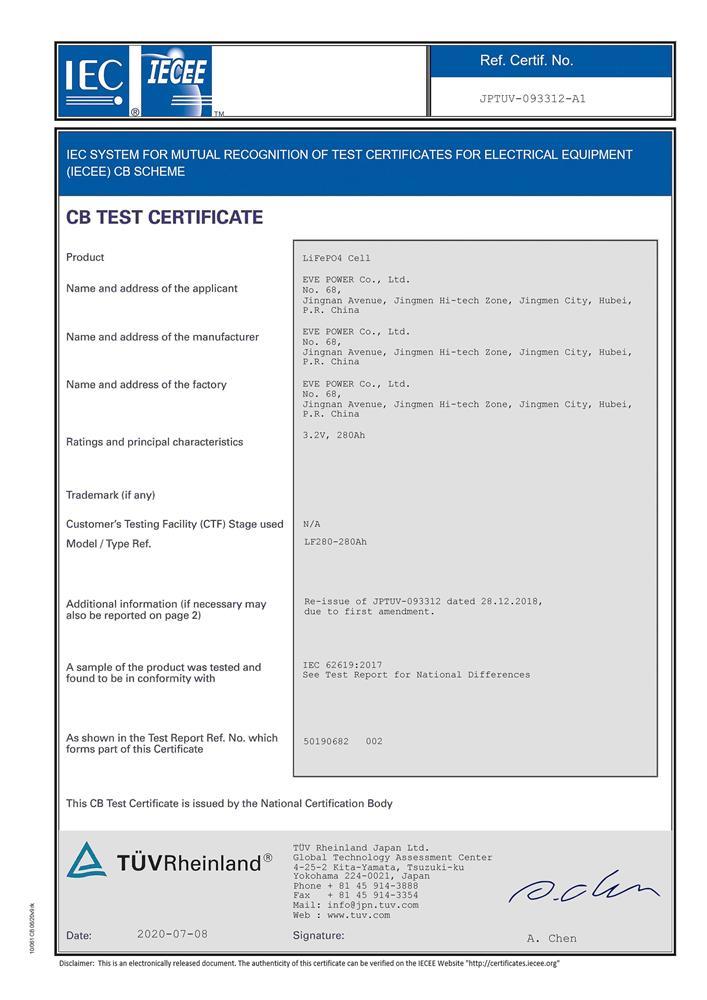
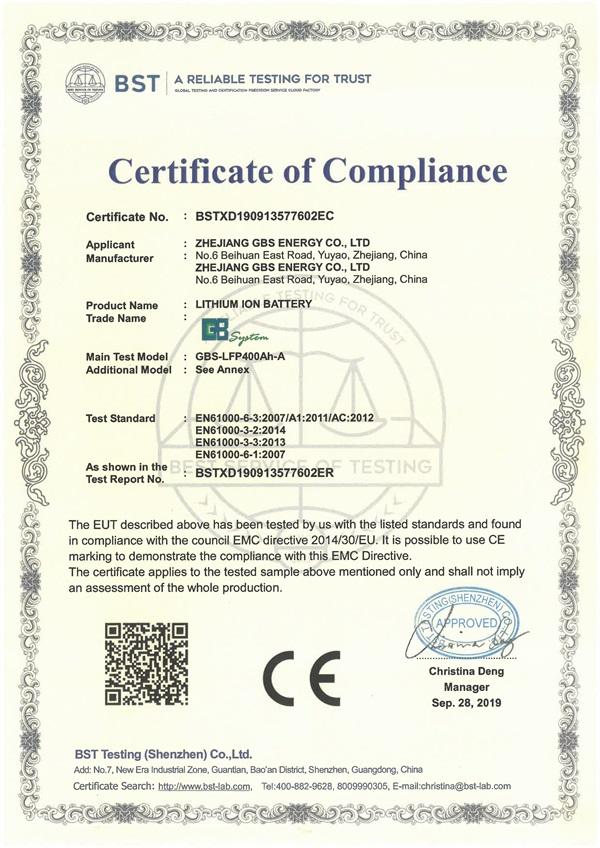
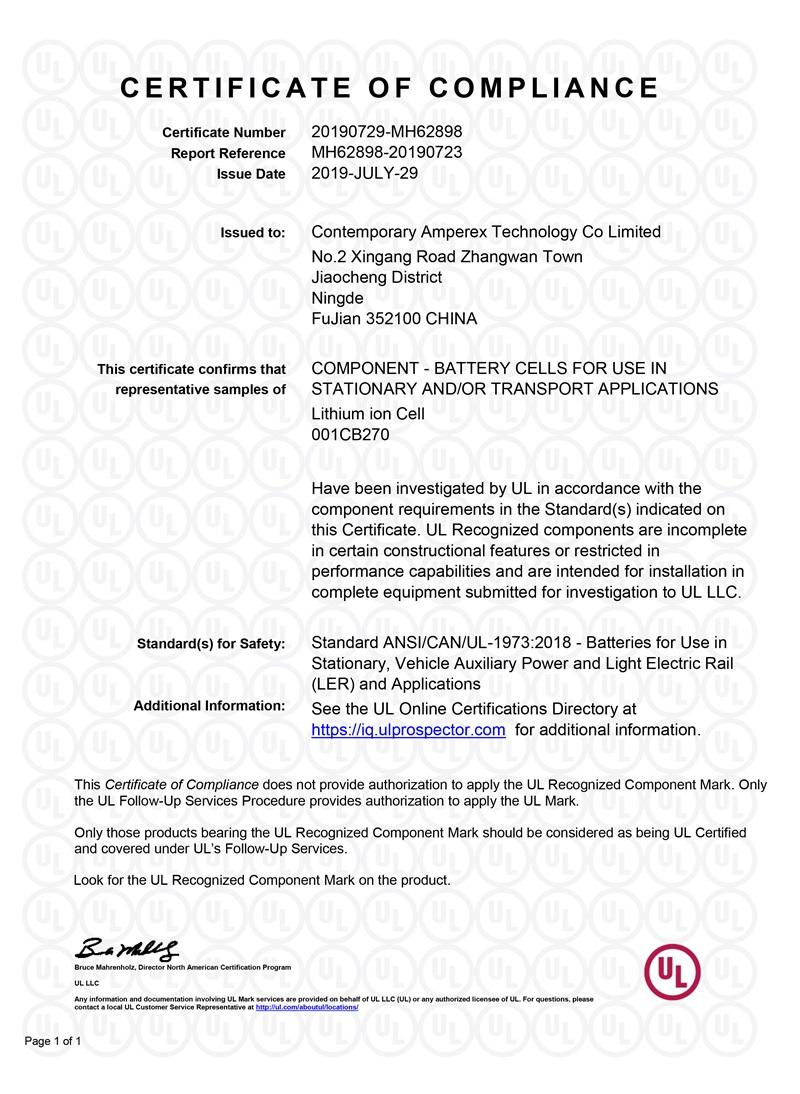
Certification
Customer Reviews
- I have fond memories of our meeting in Shanghai with LiFePO4 Battery Shop Elena. Your company left a strong impression on me with its impressive growth and professionalism. We both value straightforwardness and honesty, which I believe are the most important qualities in any partnership. I am confident that we can build a successful collaboration based on these shared values. —— Robert from USA
- I've been working with LiFePO4 Battery Shop for years, and their reliability is unmatched. While other suppliers frequently change sales teams, LiFePO4 Battery Shop has consistently provided exceptional service with a stable team. Their commitment to quality and customer support truly sets them apart. —— Henry from Australia