
Blog
Lithium vs. Alkaline Batteries: The Complete Comparison Guide
2025-11-26 | Calvin
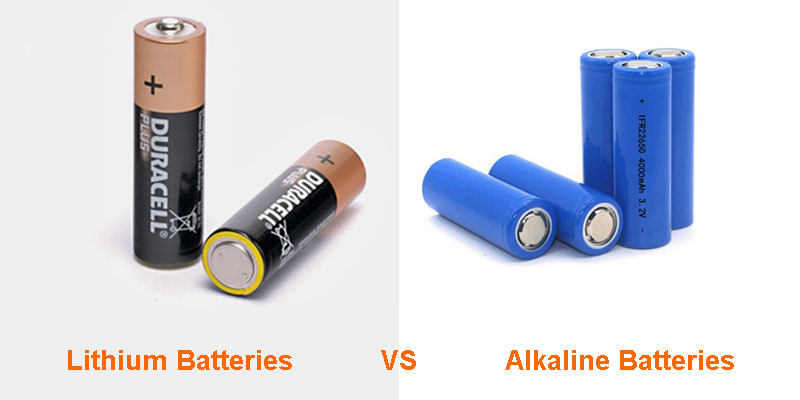
Choosing the right battery for your device might seem simple at first, but once you take a closer look, the differences between lithium and alkaline batteries become hard to ignore. Each battery type offers unique advantages, performance levels, and ideal use scenarios. Understanding these differences helps you make smarter, longer-lasting, and more cost-effective decisions—whether you're powering everyday household gadgets or high-drain professional equipment.
This comprehensive guide breaks down lithium vs. alkaline batteries, explaining how they work, how they compare, and which option suits your needs best.
Table of Contents
- What Are Lithium Batteries?
- What Are Alkaline Batteries?
- Lithium vs. Alkaline Batteries: A Detailed Comparison
- Why Lithium Batteries Are the Better Choice
- Which Battery Should You Choose?
- Conclusion
What Are Lithium Batteries?
Lithium batteries come in multiple chemistries and formats. Common types include:
- Lithium cobalt oxide (LCO)
- Lithium manganese oxide (LMO)
- Lithium nickel oxide / NCM / NCA
- Lithium iron phosphate (LiFePO4 or LFP)
These can be found in cylindrical, prismatic, or pouch-cell designs, depending on the application.
Different energy can be stored inside the cell according to the capacity. For example, a 6000mah 32650 LFP cell can store three times the energy that stored in a 2000mah 18650 NCM cell.
What Are Alkaline Batteries?
Alkaline batteries are traditional, disposable batteries made with:
- Cathode: Manganese dioxide (MnO₂)
- Anode: Zinc paste
- Electrolyte: Potassium hydroxide (KOH)
These are the batteries most commonly found in household devices like remotes, toys, and clocks.
Lithium vs. Alkaline Batteries: A Detailed Comparison
1. Types and Sizes Available
Alkaline Battery Sizes
- AA
- AAA
- 9V
- C / D cells
- Coin-cell variants
Lithium Battery Sizes
- 14500 lithium battery
- 16650 lithium battery
- 18650 lithium battery
- 21700 lithium battery
- 26650 lithium battery
- 32650 lithium battery
These formats support everything from flashlights to electric vehicles.
2. Price and Value
While alkaline batteries have a lower upfront cost, they wear out faster. Lithium batteries may cost 3–5 times more, but they last 8–10 times longer, making them much more cost-effective in the long run.
Voltage Stability
- Alkaline batteries: Voltage drops steadily as the battery drains.
- Lithium batteries: Maintain stable voltage almost until fully discharged, ensuring consistent device performance.
This stability is especially important in electronics, medical devices, and tools that rely on uninterrupted power.
3. Voltage Output
- Alkaline: 1.5V per cell
- Lithium: 1.5V to 3.0V (depending on chemistry)
- Lithium-ion: Typically 3.2V (LFP) to 3.6V (NCM/NCA)
These higher voltages allow lithium batteries to be configured into powerful packs, such as 72V Li-ion battery systems, commonly used in electric vehicles and industrial equipment.
4. Battery Capacity
Lithium batteries offer much higher energy storage, generally ranging from:
- 1200mAh up to 600Ah, depending on size and chemistry.
They also have a low self-discharge rate, making them highly reliable for long-term storage or standby applications.
5. Cycle Life
- Lithium-ion: 10,000 to 40,000 cycles (especially LFP chemistry)
- Alkaline: Around 300 cycles (in rechargeable alkaline variants)
This dramatic difference makes lithium technology the go-to option for applications requiring frequent recharge cycles.
6. Performance and Safety
Lithium Batteries
- ✔ Rechargeable
- ✔ Lightweight
- ✔ High energy density
- ✔ Stable, long-lasting power
- ✔ Excellent for high-drain devices
Alkaline Batteries
- ✔ Low spot-cost
- ✔ Ideal for low-power devices
- ✘ Prone to leakage
- ✘ Not suitable for high-drain equipment
- ✘ Poor performance in extreme temperatures
High-performance devices like medical monitoring systems, power tools, drones, LED flashlights, and cameras perform significantly better on lithium power.
Why Lithium Batteries Are the Better Choice
1. Longer Lifespan
Lithium batteries outperform alkaline batteries in almost every longevity test. Their rechargeability makes them the more economical and environmentally responsible choice.
2. Lightweight Design
On a weight-to-power ratio, lithium batteries are among the best in the energy storage industry. That’s a major reason they dominate sectors like:
- Electric vehicles
- Wearable technology
- Drones
- Smart tools
3. Cost-Effective Over Time
Even with a higher purchase price, lithium batteries provide:
- Longer life
- Fewer replacements
- Greater energy efficiency
For businesses or consumers using high-drain devices, the return on investment is clear.
4. Environmentally Friendly
Alkaline batteries contribute significantly to landfill waste. Lithium batteries, by contrast, are:
- Rechargeable
- Longer-lasting
- Up to 90% recyclable
This makes them a better choice for environmentally conscious buyers and brands.
Which Battery Should You Choose?
Here’s a quick breakdown:
Choose Alkaline Batteries If:
- You use low-power devices (e.g., remotes, clocks)
- You need the lowest initial cost
- You replace batteries infrequently
Choose Lithium Batteries If:
- You use high-drain devices
- You need long-lasting, stable power
- You want a lighter battery with higher energy density
- You prefer rechargeable, eco-friendly options
- You’re using professional or industrial equipment
Conclusion
Lithium batteries provide significantly better performance, lifespan, safety, and long-term value than alkaline batteries—making them the preferred choice for modern, high-power devices. For consumers comparing lithium vs. alkaline batteries, the decision often comes down to long-term reliability, energy efficiency, and total cost of ownership. Lithium simply delivers more.
- Next:What Happens if LiFePO4 Batteries Are Not Used for a Long Time?
- Previous:Tesla Battery Types: A Simple Guide for Model S, 3, X, and Y
Contact Details
Lithium LiFePO4 Batteries and Lithium LiFePO4 Cells Supplier - LiFePO4 Battery Shop
Contact Person: Miss. Elena Wang
WhatsApp : +8615263269227
Skype : +8615263269227
WeChat :15263269227
Email : info@lifepo4batteryshop.com
All Products
- A123 Battery (5)
- Sinopoly Battery (7)
- GBS Battery (16)
- CALB Battery (22)
- Cylindrical Cell (3)
- Energy Storage System (0)
- Battery Management System (2)
- Sodium ion Battery Cell (3)
- Lithium Titanate Battery (16)
- Ternary Lithium Battery Cell (11)
- REPT Battery (8)
- BYD Battery (2)
- CATL Battery (14)
- Thunder Sky Winston Battery (21)
- EVE Battery (29)
- LiFePO4 Battery Cell (4)
Certification
Customer Reviews
- I have fond memories of our meeting in Shanghai with LiFePO4 Battery Shop Elena. Your company left a strong impression on me with its impressive growth and professionalism. We both value straightforwardness and honesty, which I believe are the most important qualities in any partnership. I am confident that we can build a successful collaboration based on these shared values. —— Robert from USA
- I've been working with LiFePO4 Battery Shop for years, and their reliability is unmatched. While other suppliers frequently change sales teams, LiFePO4 Battery Shop has consistently provided exceptional service with a stable team. Their commitment to quality and customer support truly sets them apart. —— Henry from Australia