
Blog
What Happens if LiFePO4 Batteries Are Not Used for a Long Time?
2025-11-24 | Calvin

LiFePO4 batteries, widely used in applications ranging from consumer electronics to electric vehicles, are known for their durability and efficiency. However, even these advanced batteries can face performance degradation if left unused for extended periods. In this article, we’ll explore the impact of long-term battery storage, how to properly store LiFePO4 batteries, and the best practices to maximize their lifespan.
Table of Contents
- What Happens if LiFePO4 Batteries Are Not Used for a Long Time?
- Is It Better to Store Batteries Charged or Uncharged?
- How Long Can You Store a LiFePO4 Battery?
- Is It Bad to Leave a LiFePO4 Battery Uncharged for a Long Time?
- Do LiFePO4 Batteries Drain When Not in Use?
- How to Store LiFePO4 Batteries Not Used for a Long Time?
- Do LiFePO4 Batteries Expire if Not Used?
- FAQs
Part 1: What Happens if LiFePO4 Batteries Are Not Used for a Long Time?
When LiFePO4 batteries are left unused for extended periods, they undergo a few changes that can reduce their performance:
1. Self-Discharge
LiFePO4 batteries naturally experience self-discharge, meaning they lose their charge over time, even when not powering a device. While the discharge rate is relatively low, if the battery is left unused for months, it can eventually be completely drained. If not recharged, this can lead to issues like reduced capacity or, in extreme cases, permanent damage.
2. Capacity Loss
As LiFePO4 batteries sit idle, they can lose their ability to hold a charge, a phenomenon often attributed to the formation of a passivation layer on the battery’s electrodes. This layer increases internal resistance, reducing the battery’s overall capacity and efficiency. When the battery is finally used, it may not last as long as it would have if used regularly.
3. Increased Internal Resistance
The passivation layer also contributes to higher internal resistance. This means that the battery will have difficulty delivering power as efficiently as before, affecting performance.
Part 2: Is It Better to Store Batteries Charged or Uncharged?
One of the most common questions about battery storage is whether to store them fully charged or fully discharged. For LiFePO4 batteries, the optimal storage method is to keep them partially charged.
1. Storing Fully Charged Batteries
While storing a fully charged battery might seem logical, it can actually cause unnecessary stress on the cells. High voltage can degrade the battery faster, shortening its lifespan. To avoid this, try not to store LiFePO4 batteries at full charge (100%).
2. Storing Fully Discharged Batteries
Storing batteries in a fully discharged state is equally problematic. If a battery is left too long in this condition, it can enter a deep discharge state. In this state, the voltage drops too low, making it difficult, if not impossible, to recharge the battery, potentially causing irreversible damage.
3. Ideal Storage Level
The sweet spot for storing LiFePO4 batteries is a partial charge, ideally around 50-60%. This level minimizes stress and helps preserve battery health during storage.
Part 3: How Long Can You Store a LiFePO4 Battery?
LiFePO4 batteries can generally be stored for up to 6-12 months without significant degradation, assuming proper storage conditions. However, it’s a good idea to check the battery every few months and recharge it if necessary.
Storage Tips:
- Cool, Dry Environment: Store the batteries in a cool (20°C to 25°C or 68°F to 77°F) and dry place to avoid overheating and moisture damage.
- Avoid Direct Sunlight: Direct exposure to sunlight can cause the battery to overheat.
- Regular Checks: Periodically check the charge level and recharge to 50-60% as needed.
Factors Affecting Storage Time:
- Temperature: High temperatures accelerate degradation, while cold temperatures (<0°C / 32°F) can harm the battery’s performance.
- Humidity: Moisture can lead to corrosion, damaging the battery.
- Battery Age: Newer batteries generally have a longer shelf life than older ones.
Part 4: Is It Bad to Leave a LiFePO4 Battery Uncharged for a Long Time?
Leaving a LiFePO4 battery uncharged for an extended period can result in deep discharge, which is detrimental to the battery's health. Deep discharge can cause:
- Permanent Capacity Loss: The battery’s ability to hold a charge may be permanently reduced.
- Increased Internal Resistance: The battery will be less efficient at delivering power.
- Safety Concerns: Prolonged deep discharge can sometimes cause the battery to swell or even leak, posing safety risks.
Best Practice: Store the battery with a partial charge (50-60%) to avoid these issues.
Part 5: Do LiFePO4 Batteries Drain When Not in Use?
Yes, LiFePO4 batteries drain over time due to self-discharge, even when not actively used. On average, LiFePO4 batteries lose about 2-3% of their charge per month when stored properly. While this is a relatively slow process, it can add up over several months, potentially leaving the battery depleted when needed.
Factors Affecting Self-Discharge:
- Battery Quality: Higher-quality batteries tend to have a lower self-discharge rate.
- Battery Age: Older batteries generally have a higher self-discharge rate.
- Storage Conditions: Storing the battery in a cool, dry place can help reduce the self-discharge rate.
Part 6: How to Store LiFePO4 Batteries Not Used for a Long Time?
Proper storage is critical to extending the lifespan of LiFePO4 batteries that won’t be used for a while. Here are some storage tips:
- Keep a Partial Charge: Store the battery at 50-60% capacity.
- Cool, Dry Location: Avoid areas with high temperatures or humidity.
- Protective Case: Use a protective case to prevent physical damage or short-circuiting.
- Periodic Checks: Every few months, check the charge level and top it off if needed.
Additional Tips:
- Label and Date: Mark the storage date to keep track of how long the battery has been in storage.
- Avoid Metal Contacts: Ensure the battery terminals are not in contact with metal objects to prevent short circuits.
- Separate Storage: If storing multiple batteries, keep them separate to avoid contact that could lead to damage.
Part 7: Do LiFePO4 Batteries Expire if Not Used?
Yes, LiFePO4 batteries can degrade over time, even if they’re not in use. This degradation is largely due to:
Chemical Aging:
- Internal Reactions: Lithium-ion batteries slowly lose capacity due to internal chemical reactions, even when idle.
- Electrolyte Breakdown: Over time, the battery’s electrolyte breaks down, and active lithium ions form inactive compounds, reducing the available charge.
Storage Conditions Matter:
- Temperature: Storing a battery at a high temperature (>25°C / 77°F) accelerates degradation.
- Voltage: Storing at full charge (100%) or empty (0%) speeds up aging. The best practice is to store batteries at around 50% charge.
Typical Lifespan:
- Even unused, a LiFePO4 battery typically lasts 2-3 years before noticeable degradation.
- After 5-10 years, the battery may become unreliable and unable to hold a charge.
Part 8: FAQs
1. Can I extend the shelf life of LiFePO4 batteries?
Yes, by storing them in a cool, dry place, keeping them at 50% charge, and checking on them periodically.
2. How can I tell if my LiFePO4 battery has expired?
Signs include a much shorter runtime than before, failure to hold a charge, or visible physical damage such as swelling or leakage.
3. Can I use a LiFePO4 battery after long storage?
If stored correctly, the battery should work fine after a recharge. However, if it’s been in storage for a long time and shows signs of degradation, performance may be compromised.
- Next:What is the Difference Between a Cell and a Battery?
- Previous:Tesla Battery Types: A Simple Guide for Model S, 3, X, and Y
Contact Details
Lithium LiFePO4 Batteries and Lithium LiFePO4 Cells Supplier - LiFePO4 Battery Shop
Contact Person: Miss. Elena Wang
WhatsApp : +8615263269227
Skype : +8615263269227
WeChat :15263269227
Email : info@lifepo4batteryshop.com
All Products
- A123 Battery (5)
- Sinopoly Battery (7)
- GBS Battery (16)
- CALB Battery (22)
- Cylindrical Cell (3)
- Energy Storage System (0)
- Battery Management System (2)
- Sodium ion Battery Cell (3)
- Lithium Titanate Battery (16)
- Ternary Lithium Battery Cell (11)
- REPT Battery (8)
- BYD Battery (2)
- CATL Battery (14)
- Thunder Sky Winston Battery (21)
- EVE Battery (29)
- LiFePO4 Battery Cell (4)
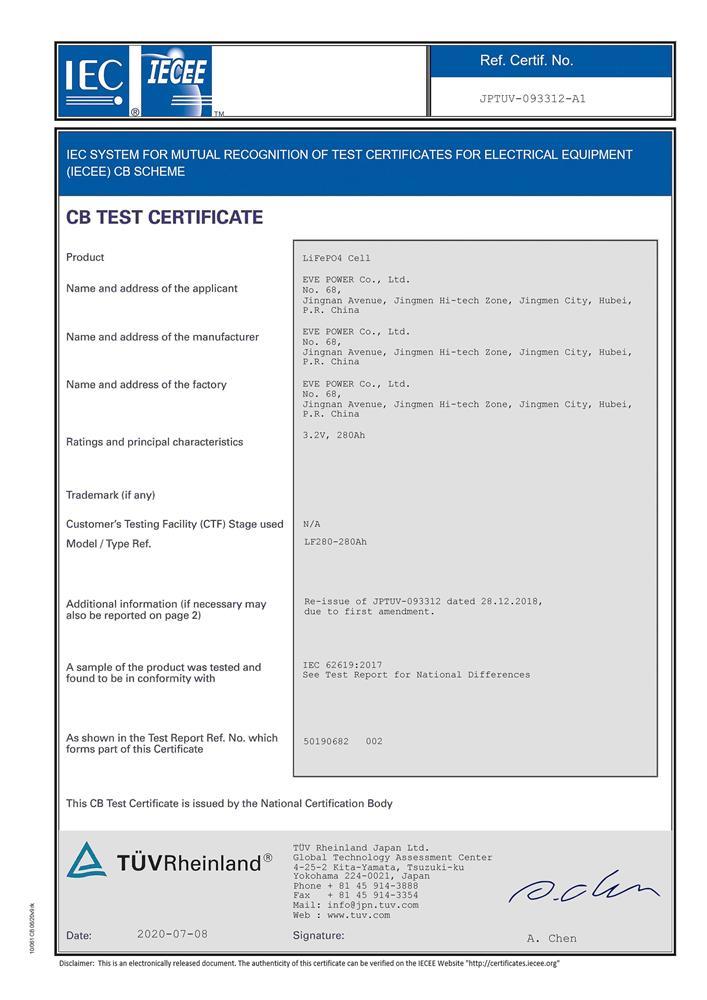
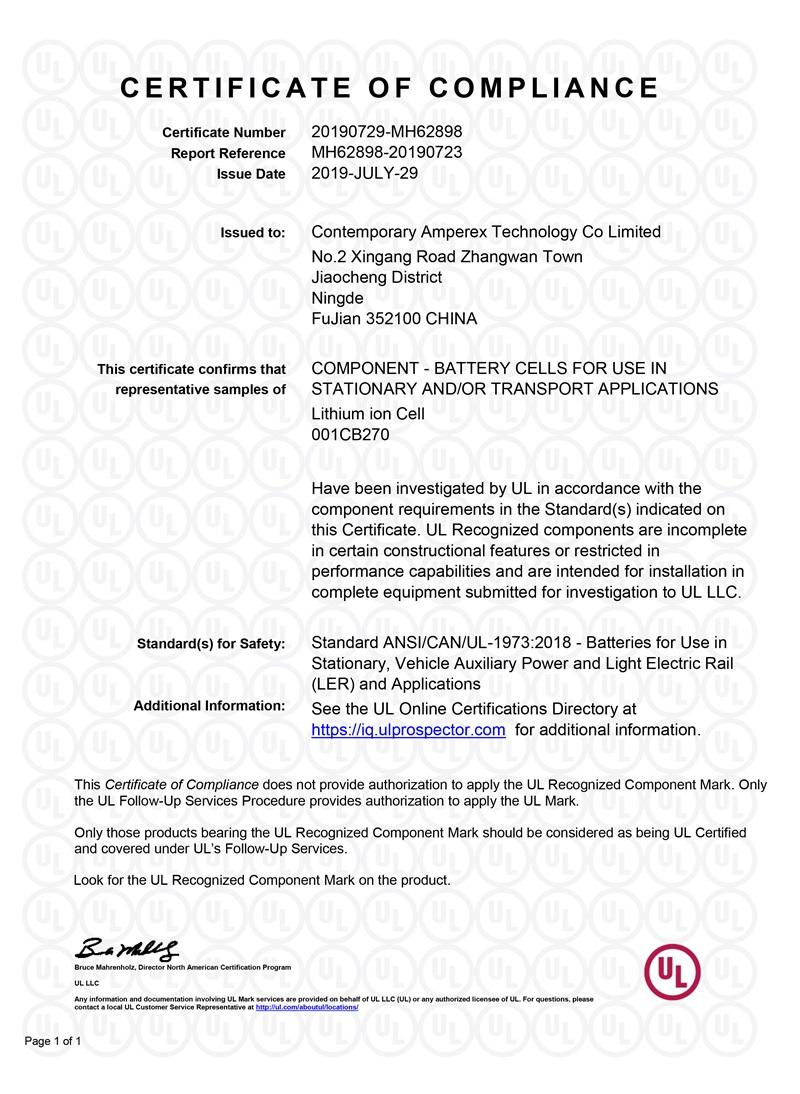
Certification

Customer Reviews
- I have fond memories of our meeting in Shanghai with LiFePO4 Battery Shop Elena. Your company left a strong impression on me with its impressive growth and professionalism. We both value straightforwardness and honesty, which I believe are the most important qualities in any partnership. I am confident that we can build a successful collaboration based on these shared values. —— Robert from USA
- I've been working with LiFePO4 Battery Shop for years, and their reliability is unmatched. While other suppliers frequently change sales teams, LiFePO4 Battery Shop has consistently provided exceptional service with a stable team. Their commitment to quality and customer support truly sets them apart. —— Henry from Australia