
Blog
Lithium-Ion Batteries vs. Lithium-Polymer Batteries: Which One is the Best Choice?
2026-02-10 | Calvin
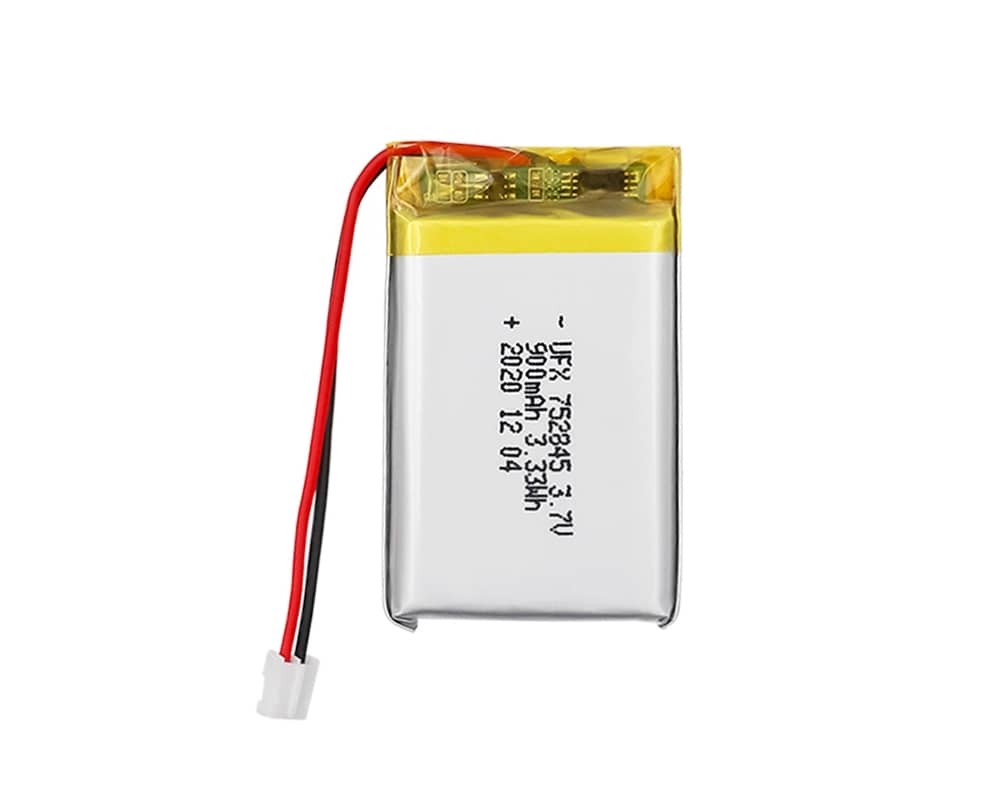
In the rapidly advancing world of energy storage technology, lithium-based batteries are leading the charge, offering efficient and compact power solutions across numerous industries. Among the most popular types, Lithium-Ion (Li-ion) and Lithium-Polymer (LiPo) batteries stand out for their versatility and performance. This article explores the benefits of lithium-ion batteries and why they are often the superior choice compared to their lithium-polymer counterparts.
What is a Lithium-Ion Battery?
Lithium-ion batteries, or Li-ion batteries, are widely used due to their remarkable energy density, reliability, and adaptability. These rechargeable batteries use lithium compounds as their cathodes, offering several benefits that make them ideal for a broad range of applications, including portable electronics and electric vehicles.
Advantages of Lithium-Ion Batteries:
- High Energy Density: Lithium-ion batteries can store significant energy relative to their size and weight, making them perfect for devices like smartphones and electric cars.
- Longevity: With more charge-discharge cycles than many other battery types, Li-ion batteries offer extended lifespans, reducing the need for frequent replacements and cutting down on electronic waste.
- Enhanced Safety Features: Li-ion batteries are equipped with protection circuits and thermal controls that minimize the risk of overheating or short-circuits, making them safer to use.
- Efficiency: These batteries have low self-discharge rates, allowing them to retain charge for longer periods when not in use, improving overall energy efficiency.
- Versatility: Lithium-ion batteries are designed to suit various applications, from small cells in smartphones to larger battery packs in electric vehicles, offering unmatched flexibility.
Understanding Lithium-Polymer (LiPo) Batteries
Lithium-polymer batteries, often referred to as LiPo, are a subset of lithium-ion batteries. The primary difference lies in their packaging: while traditional Li-ion batteries are housed in cylindrical or prismatic metallic casings, LiPo cells are sealed in flexible, aluminum pouch structures. While they are often marketed as distinct products, it's important to note that both technologies share a common chemistry.
Note: The term "lithium-polymer" can be misleading, as these batteries don’t actually use polymers but rather a gel-like electrolyte. In professional terminology, they are more accurately referred to as Lithium Pouch Cells.
Advantages of LiPo Batteries:
- Flexibility in Shape: LiPo batteries can be made in a variety of shapes and sizes, allowing them to fit into devices with unique form factors, such as drones and wearable electronics.
- Lightweight: LiPo batteries are generally lighter than their Li-ion counterparts, making them ideal for applications where weight is a key consideration.
- High Discharge Rates: LiPo batteries are capable of delivering extremely high discharge rates (20C–90C), making them perfect for applications that require rapid bursts of energy, such as racing drones and RC vehicles.
- Power Density: They offer higher power density, enabling them to release power quickly, which is beneficial in scenarios requiring immediate, high-energy output.
- Ease of Assembly: LiPo batteries are easier to assemble for less experienced manufacturers since they can be soldered relatively easily (though this may damage the cell if not done correctly).
Disadvantages of LiPo Batteries:
- Swelling: A common issue with LiPo batteries is swelling, where the battery inflates due to poor manufacturing or improper storage. This can lead to malfunction or complete failure.
- Shorter Lifespan: While LiPo batteries may support high discharge rates, they typically have a shorter lifespan compared to Li-ion batteries, especially when subjected to frequent deep discharges.
- Thermal Performance: LiPo batteries have a less efficient thermal management system. Without centralized heat dissipation, heat can accumulate unevenly, leading to capacity loss and potential swelling.
Why Lithium-Ion Batteries Are the Best Choice for Most Applications
Despite the advantages of LiPo batteries, lithium-ion batteries are the preferred option for most applications due to their superior reliability, safety, and long-term performance.
1. Reliability and Quality from Premium Manufacturers
Leading manufacturers such as Samsung SDI, Panasonic, and LG produce cylindrical and prismatic Li-ion cells that undergo rigorous quality control. This ensures that the cells are sorted for consistency in voltage and internal impedance, which is crucial for the long-term stability and performance of battery packs.
2. Durability and Longevity
Li-ion batteries are known for their durability, with well-sorted batches that can reliably deliver the promised number of charge cycles. This makes them a better option when product warranties and long-term performance are critical, such as in electric vehicles (EVs) and energy storage systems.
3. Safety Features
Li-ion batteries have an established safety track record. Their designs incorporate protection circuits and thermal management systems that reduce the risk of overheating or short-circuiting, making them inherently safer than LiPo batteries, which are more prone to swelling and fire risks when mishandled or damaged.
4. Efficient Thermal Management
Li-ion batteries have a well-designed structure that allows for more efficient heat dissipation compared to LiPo batteries. This is especially important in high-power applications where managing heat is critical for battery longevity and safety.
5. Power Delivery for High-Demand Applications
For high-demand scenarios, such as drones and electric vehicles, Li-ion batteries excel in delivering consistent power at high currents (often exceeding 100A). Their cylindrical and prismatic shapes help distribute power efficiently across the battery pack.
Conclusion
While lithium-polymer batteries certainly offer certain advantages, such as flexibility in shape and higher discharge rates, lithium-ion batteries consistently outshine them in terms of energy density, safety, durability, and overall efficiency. As technology continues to evolve, lithium-ion batteries will remain the preferred choice for powering a wide range of devices, from smartphones to electric vehicles, providing the reliability and longevity that modern industries demand.
Embrace the future of energy storage by choosing lithium-ion batteries—the energy solution that powers the present and shapes a sustainable, energy-efficient future.
- Next:LiFePO4 Battery Float Voltage Settings and Optimization The Ultimate Technical Guide for 2026
- Previous:Market Share Plunges to 18.7%! Why Have Ternary Lithium Batteries Been Defeated by LFP?
Contact Details
Lithium LiFePO4 Batteries and Lithium LiFePO4 Cells Supplier - LiFePO4 Battery Shop
Contact Person: Miss. Elena Wang
WhatsApp : +8615263269227
Skype : +8615263269227
WeChat :15263269227
Email : info@lifepo4batteryshop.com
All Products
- TC Elcon Charger (0)
- Headway Lithium Battery (6)
- Blade Battery (10)
- Semi Solid State Battery (6)
- A123 Battery (5)
- Sinopoly Battery (7)
- GBS Battery (16)
- CALB Battery (23)
- Cylindrical Cell (8)
- Energy Storage System (0)
- Battery Management System (5)
- Sodium ion Battery Cell (4)
- Lithium Titanate Battery (20)
- Ternary Lithium Battery Cell (12)
- REPT Battery (10)
- BYD Battery (2)
- CATL Battery (15)
- Thunder Sky Winston Battery (22)
- EVE Battery (30)
- LiFePO4 Battery Cell (13)
Certification
Customer Reviews
- I have fond memories of our meeting in Shanghai with LiFePO4 Battery Shop Elena. Your company left a strong impression on me with its impressive growth and professionalism. We both value straightforwardness and honesty, which I believe are the most important qualities in any partnership. I am confident that we can build a successful collaboration based on these shared values. —— Robert from USA
- I've been working with LiFePO4 Battery Shop for years, and their reliability is unmatched. While other suppliers frequently change sales teams, LiFePO4 Battery Shop has consistently provided exceptional service with a stable team. Their commitment to quality and customer support truly sets them apart. —— Henry from Australia