
Blog
LiFePO4 vs. Lithium-Ion Batteries: What's the Best Choice for You?
2025-12-01 | Calvin
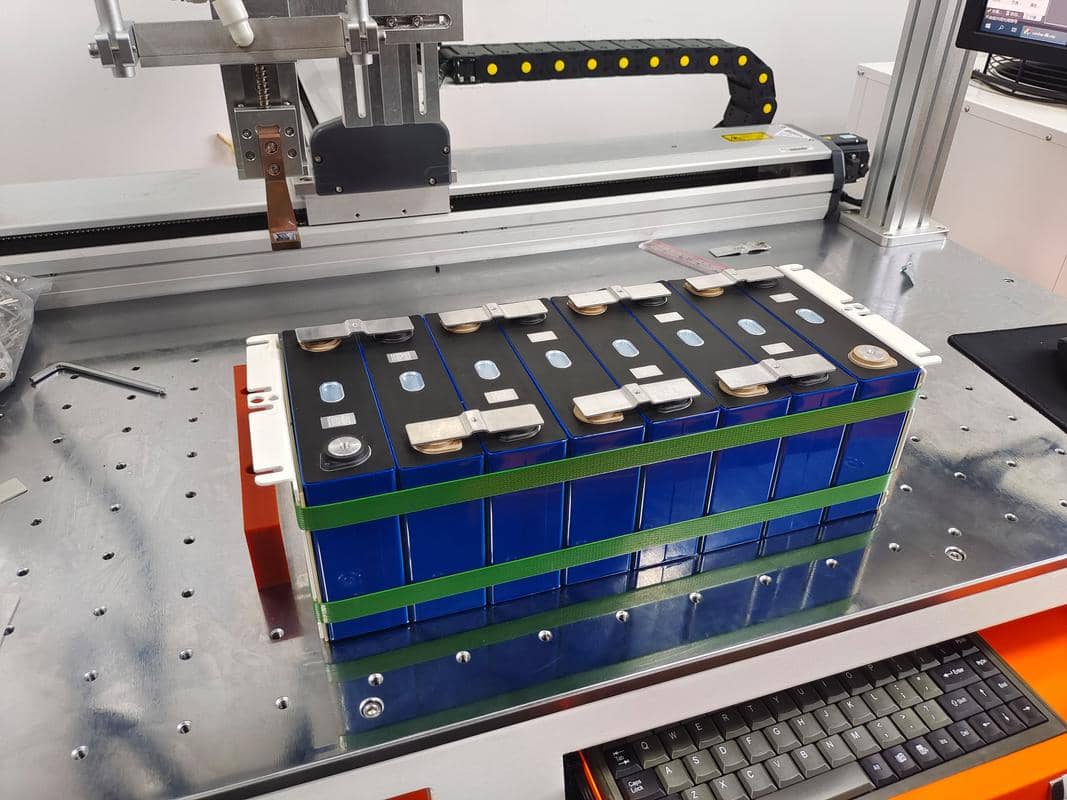
The battery industry has evolved rapidly in recent years, bringing advanced technologies within reach. Among these innovations, Lithium Iron Phosphate (LiFePO4), also known as LFP, has emerged as a key player, challenging the dominance of traditional Lithium-Ion (Li-ion) batteries. While both battery types have their merits, LFP is gaining traction for a variety of applications, including off-grid power systems, solar energy storage, and even Electric Vehicles (EVs).
As LiFePO4 batteries become more affordable and efficient, they're increasingly replacing Li-ion as the preferred choice for many consumers seeking reliable, sustainable energy solutions.
Table of Contents
- How Do the Chemistries of LiFePO4 and Lithium-Ion Batteries Differ?
- LiFePO4 vs. Lithium-Ion Batteries: Key Comparisons
- Is LiFePO4 Better Than Lithium-Ion?
- Which Battery Is Right for You?
- Frequently Asked Questions
- Conclusion
How Do the Chemistries of LiFePO4 and Lithium-Ion Batteries Differ?
Both LiFePO4 and Li-ion batteries rely on lithium ions to store and release electrical energy. However, the core difference lies in their chemical composition and the resulting performance characteristics.
LiFePO4 (Lithium Iron Phosphate) Batteries
LiFePO4 is a subset of lithium-ion batteries, utilizing a cathode composed of lithium iron phosphate (LiFePO4) and an anode typically made from carbon. This unique chemistry provides several advantages over other lithium-based technologies, making LiFePO4 particularly suitable for off-grid power solutions and home backup systems.
The presence of iron, phosphorus, and oxygen atoms in the cathode creates strong covalent bonds, enhancing the battery's stability and safety. Unlike other lithium chemistries, LiFePO4 does not contain nickel or cobalt, metals often sourced unsustainably.
Lithium-Ion Batteries
Lithium-ion batteries are a broader category, encompassing various chemistries, including lithium cobalt oxide (LiCoO2), lithium manganese oxide (LMO), and lithium nickel cobalt manganese (NCM). While all share the same basic components—a cathode, an anode, and an electrolyte—their performance characteristics differ based on the specific metals and compounds used in the cathode.
While all lithium-ion batteries function similarly in terms of charging and discharging, each type has unique benefits and drawbacks, particularly in applications requiring high energy density or fast charging times.
LiFePO4 vs. Lithium-Ion Batteries: Key Comparisons
Safety
Safety is one of the most significant advantages of LiFePO4 batteries. Their chemical structure makes them inherently safer, less prone to overheating, and resistant to thermal runaway—a major concern with traditional Li-ion batteries. This stability makes LFP the preferred choice for off-grid systems and solar applications, where safety and reliability are paramount.
In comparison, traditional Li-ion batteries—especially those using cobalt or nickel—pose higher risks of fire or leakage under extreme conditions. This makes LiFePO4 batteries a safer option for home storage.
Energy Density
Li-ion batteries generally outperform LiFePO4 in terms of energy density, meaning they can store more energy per unit of weight or volume. For example, typical Li-ion batteries have an energy density between 100-265 Wh per kg, whereas LiFePO4 batteries store approximately 90-120 Wh per kg.
While the energy density of LiFePO4 is lower, this difference is negligible for stationary applications such as off-grid power or solar energy storage, where size and weight are less critical than safety and longevity.
Weight
Due to their lower energy density, LiFePO4 batteries may weigh slightly more than their Li-ion counterparts. However, any weight differences are overshadowed by the substantial benefits of LiFePO4, such as longer lifespan and enhanced safety. The added weight is a small trade-off when you consider the long-term value.
Li-ion batteries with higher energy densities, such as nickel-cobalt-aluminum (NCA) and nickel-manganese-cobalt (NCM), are no longer considered ideal for off-grid and solar applications. Instead, home power solutions use safer, longer-lasting technologies like LiFePO4.
Temperature Range
LiFePO4 batteries offer an extensive operational temperature range, from -4°F (-20°C) to 140°F (60°C), making them more suitable for a wide variety of climates. In contrast, Li-ion batteries typically operate within a much narrower range of 32°F (0°C) to 113°F (45°C), meaning they require more controlled storage environments to maintain optimal performance.
With LiFePO4, you can safely store and operate batteries in less-controlled environments like garages, sheds, or homes without compromising performance.
Lifespan
One of the standout advantages of LiFePO4 is its exceptional lifespan. LiFePO4 batteries can handle thousands of charge cycles before their performance degrades significantly, often lasting 5-6 times longer than typical Li-ion batteries, which generally only endure 500-1,000 cycles.
This extended lifespan makes LiFePO4 a more sustainable and cost-effective choice in the long run, significantly reducing both replacement costs and electronic waste.
Cost
While LiFePO4 batteries are generally more expensive upfront due to their advanced chemistry and the limited number of manufacturers, they provide long-term savings. The reduced frequency of replacements, coupled with their superior safety and reliability, justifies the initial investment.
Moreover, because LiFePO4 doesn't rely on nickel or cobalt, its pricing is less affected by the volatility of these raw materials, making it a more stable and eco-friendly option.
Self-Discharge Rate
LiFePO4 batteries also boast a low self-discharge rate of just 1-3% per month, meaning they can be stored for extended periods without significant loss of charge. This makes them an ideal solution for backup power, as they retain their charge for longer durations.
Voltage
LiFePO4 batteries have a nominal voltage of 3.2V per cell, which is lower than the 3.6V-3.7V typical for other Li-ion types. This can impact battery pack designs, though it’s typically not an issue for most standard off-grid or solar applications.
Is LiFePO4 Better Than Lithium-Ion?
In most applications requiring off-grid power or home battery backup, LiFePO4 batteries outperform lithium-ion in terms of safety, longevity, and thermal stability. Although Li-ion batteries may initially appear more cost-effective, the long-term savings and peace of mind offered by LiFePO4 make it the superior choice.
Which Battery Is Right for You?
If you're looking for a reliable, long-lasting battery for off-grid power solutions, solar storage, or home backup, LiFePO4 is the optimal choice. With a significantly longer lifespan and built-in safety features, LiFePO4 offers peace of mind and cost savings over the long term.
Frequently Asked Questions
Q: What are the key advantages of LiFePO4 over Li-ion?
A: LiFePO4 batteries offer enhanced safety, a longer lifespan, a wider operating temperature range, and are more environmentally friendly compared to Li-ion batteries.
Q: Are LiFePO4 batteries more expensive than Li-ion?
A: Yes, but the higher upfront cost is offset by long-term savings due to the extended lifespan and reduced maintenance costs.
Conclusion
LiFePO4 batteries are the clear choice for anyone seeking safe, durable, and cost-effective energy storage solutions. Whether for off-grid systems, solar power, or home backup, LiFePO4 provides the best combination of performance, safety, and environmental responsibility.
If you're ready to invest in high-performance, reliable energy storage for your home or business, LiFePO4 is the technology of the future.
- Next:Tesla Battery Types: A Simple Guide for Model S, 3, X, and Y
- Previous:Types of Battery Terminal Connectors: A Comprehensive Guide
Contact Details
Lithium LiFePO4 Batteries and Lithium LiFePO4 Cells Supplier - LiFePO4 Battery Shop
Contact Person: Miss. Elena Wang
WhatsApp : +8615263269227
Skype : +8615263269227
WeChat :15263269227
Email : info@lifepo4batteryshop.com
All Products
- A123 Battery (5)
- Sinopoly Battery (7)
- GBS Battery (16)
- CALB Battery (22)
- Cylindrical Cell (3)
- Energy Storage System (0)
- Battery Management System (2)
- Sodium ion Battery Cell (3)
- Lithium Titanate Battery (20)
- Ternary Lithium Battery Cell (11)
- REPT Battery (8)
- BYD Battery (2)
- CATL Battery (14)
- Thunder Sky Winston Battery (21)
- EVE Battery (29)
- LiFePO4 Battery Cell (4)
Certification
Customer Reviews
- I have fond memories of our meeting in Shanghai with LiFePO4 Battery Shop Elena. Your company left a strong impression on me with its impressive growth and professionalism. We both value straightforwardness and honesty, which I believe are the most important qualities in any partnership. I am confident that we can build a successful collaboration based on these shared values. —— Robert from USA
- I've been working with LiFePO4 Battery Shop for years, and their reliability is unmatched. While other suppliers frequently change sales teams, LiFePO4 Battery Shop has consistently provided exceptional service with a stable team. Their commitment to quality and customer support truly sets them apart. —— Henry from Australia