
Blog
Types of Battery Terminal Connectors: A Comprehensive Guide
2025-12-04 | Calvin
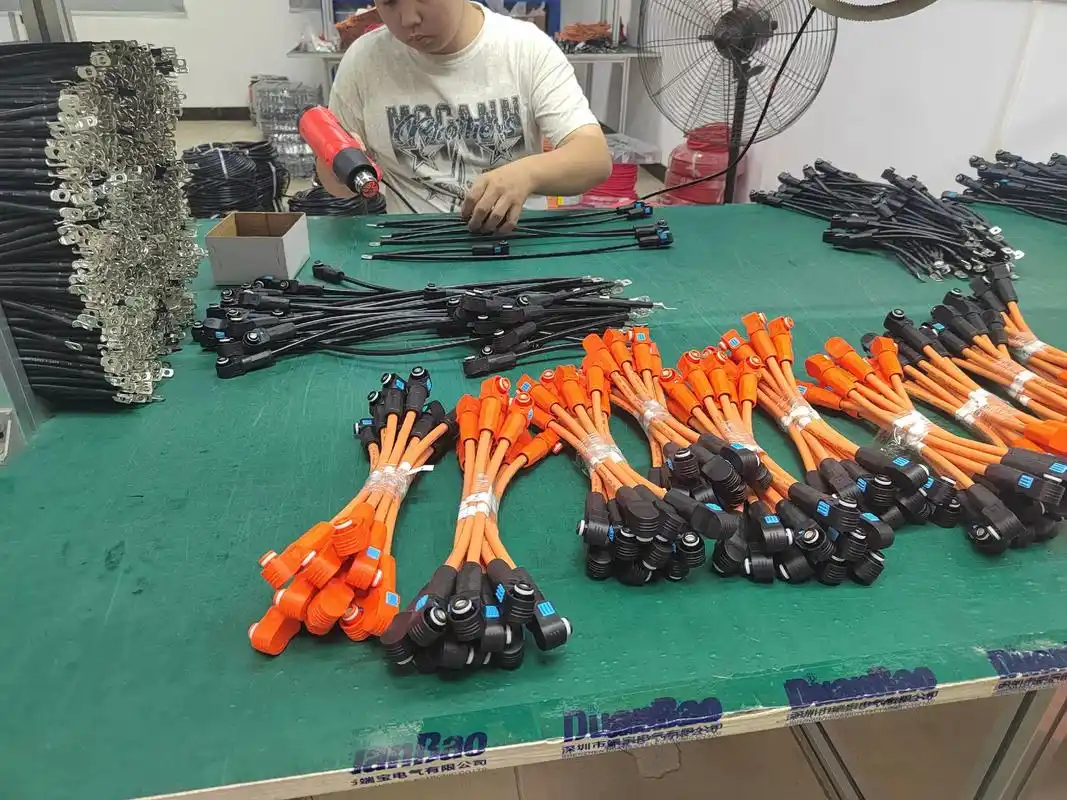
Battery terminal connectors are essential for ensuring safe, efficient, and reliable power transfer from your battery to the electrical systems it powers. Whether in a car, boat, RV, or renewable energy system, selecting the right connector is crucial for optimal device performance. In this comprehensive guide, we'll explore the various types of battery terminal connectors, their uses, and key considerations to help you make an informed decision for your needs.
Table of Contents
- What are Battery Terminal Connectors?
- Types of Battery Terminal Connectors
- How to Choose the Right Battery Terminal Connector
- How to Properly Connect Battery Terminals: A Step-by-Step Guide
- Conclusion
What are Battery Terminal Connectors?
Battery terminal connectors are crucial components that establish a secure and efficient electrical connection between a battery and its powered systems. These connectors are typically made from highly conductive metals like copper or brass, ensuring electricity flows seamlessly from the battery to devices like vehicles, power tools, and home energy systems.
Their primary function is to provide a solid, reliable connection. Without these connectors, powered systems wouldn't function effectively, leading to poor performance or potential failure. Available in a variety of sizes and designs, battery terminal connectors are engineered for specific power requirements and electrical systems, ensuring compatibility and efficiency.
Types of Battery Terminal Connectors
Battery terminal connectors come in several designs, each tailored for specific applications. Below are the most common types, highlighting their best uses and advantages:
1. Post Terminal Connectors
Post terminal connectors, often referred to as stud terminal connectors, are the most commonly used type in automotive, marine, and industrial applications. These connectors feature a threaded stud that screws directly into the battery terminal, ensuring a secure and stable connection. Post connectors are ideal for systems where long-term reliability and ease of maintenance are essential.
Best For: Automotive, marine, industrial systems.
2. Lug Terminal Connectors
Lug terminal connectors are U-shaped connectors designed to fit over a battery terminal post, typically crafted from copper or aluminum. Known for their robust nature, lug connectors can handle high currents and are commonly used in heavy-duty applications like electric vehicles, renewable energy systems, and industrial machinery. They offer a highly durable connection and are available in various sizes to match the current needs of larger-scale applications.
Best For: Electric vehicles, renewable energy systems, industrial machinery.
3. Clamp Terminal Connectors
Clamp terminal connectors, often called alligator clips, are equipped with spring-loaded jaws that clamp onto the battery terminals. These connectors are designed for quick, temporary connections and are commonly used in automotive repairs, battery testing, and emergency applications. While they are convenient for short-term connections, they don't offer the same long-term reliability as more secure connectors.
Best For: Automotive repairs, battery testing, temporary connections.
4. Ring Terminal Connectors
Ring terminal connectors feature a circular, ring-shaped terminal that fits over a battery post or stud. Known for their secure fit and reliability, these connectors are widely used in automotive, marine, and electrical systems where a permanent, stable connection is required. They are available in various sizes and materials to accommodate different wire gauges and applications.
Best For: Automotive, marine, and residential electrical systems.
5. Flag Terminal Connectors
Flag terminal connectors (or blade terminals) are flat, rectangular connectors designed to easily attach to wires, fuse boxes, and switches. Their distinctive shape allows for quick and secure installation, making them ideal for automotive wiring and connections to relays or fuses. Their versatility and ease of installation make them a popular choice for various electrical applications.
Best For: Automotive, relays, fuse boxes, electrical wiring.
6. Splice Terminal Connectors
Splice terminal connectors are designed to join two or more wires together, often used in automotive wiring and DIY electrical projects. They come in several versions, including crimp-on, twist-on, and heat-shrink models, allowing for varying levels of reliability and insulation. Splice connectors are great for extending circuits or creating temporary connections between wires.
Best For: DIY projects, electrical installations, automotive wiring.
How to Choose the Right Battery Terminal Connector
Selecting the right battery terminal connector is crucial for ensuring your system operates at peak performance. Here are key factors to consider when choosing the best connector for your needs:
1. Application and Power Requirements
The type of application (automotive, industrial, marine, etc.) will determine the connector type that suits your system's voltage and current needs. Heavy-duty applications typically require larger, more robust connectors like lug terminals.
2. Material Quality
Copper and brass are the best materials for battery connectors due to their superior conductivity and resistance to corrosion. These materials ensure a more efficient connection, reducing energy loss and improving longevity. Avoid connectors made from subpar metals that may degrade over time, leading to poor performance.
3. Wire Size Compatibility
Ensure that the connector you choose is compatible with the gauge of the wire you're using. A mismatched connector can cause overheating, poor conductivity, or even equipment failure. Always verify that the connector accommodates the wire size for a secure and reliable connection.
4. Environmental Conditions
The environmental conditions where the connector will be used are crucial. For example, marine environments require corrosion-resistant connectors, while industrial applications may demand connectors that can withstand high temperatures and heavy-duty conditions.
5. Ease of Installation
Some connectors are easier to install than others, depending on the tools and expertise required. Consider your skill level and the tools you have on hand. Connectors like ring terminals and post connectors may require specialized tools, while clamp and flag terminals offer more straightforward installations.
6. Safety and Compliance
Choose connectors that comply with industry safety standards and regulations. Look for safety features such as insulation, strain relief, and protection against accidental disconnections to ensure a secure and safe connection.
How to Properly Connect Battery Terminals: A Step-by-Step Guide
Connecting battery terminals might seem simple, but doing it correctly is essential for ensuring a safe, reliable connection. Follow these steps to securely install your battery terminal connectors:
1. Preparation
Before beginning, ensure the battery and electrical system are powered off or disconnected to avoid electrical shocks or short circuits.
2. Choose the Right Connector
Select the correct connector based on the battery type and your application’s needs. Whether it's a top post or side post connector, make sure it fits your battery.
3. Clean the Battery Terminals
Use a wire brush or terminal cleaner to remove any dirt, corrosion, or buildup on the battery terminals. A clean surface ensures a better connection and minimizes electrical resistance.
4. Position the Connector
Align the connector with the battery terminal, ensuring the correct polarity (positive or negative) is followed.
5. Secure the Connector
Fasten the connector using bolts, screws, or clamps, tightening them enough to ensure a secure connection. Avoid overtightening to prevent damage to the connector.
6. Check the Connection
After installation, gently tug on the connector to ensure it’s firmly in place. Double-check for any loose connections that could cause power interruptions.
7. Test the Connection
Finally, test the battery system to verify everything is functioning properly. This can involve powering up a device, starting a vehicle, or using a multimeter to check voltage levels.
Conclusion
Battery terminal connectors are essential components that ensure reliable power delivery across a wide range of applications. Whether you're working on a car, boat, or renewable energy system, selecting the right type of connector is crucial for optimal performance. Keep in mind the application requirements, material quality, environmental conditions, and installation ease when making your choice. By using high-quality connectors and following proper installation procedures, you can ensure a safe, long-lasting, and efficient connection for your electrical systems.
- Next:LiFePO4 vs. Lithium-Ion Batteries: What's the Best Choice for You?
- Previous:How Safe Is a LiFePO4 Battery? A Deep Look at Their Safety Features
Contact Details
Lithium LiFePO4 Batteries and Lithium LiFePO4 Cells Supplier - LiFePO4 Battery Shop
Contact Person: Miss. Elena Wang
WhatsApp : +8615263269227
Skype : +8615263269227
WeChat :15263269227
Email : info@lifepo4batteryshop.com
All Products
- Blade Battery (2)
- Semi Solid State Battery (0)
- A123 Battery (5)
- Sinopoly Battery (7)
- GBS Battery (16)
- CALB Battery (22)
- Cylindrical Cell (4)
- Energy Storage System (0)
- Battery Management System (2)
- Sodium ion Battery Cell (3)
- Lithium Titanate Battery (20)
- Ternary Lithium Battery Cell (11)
- REPT Battery (8)
- BYD Battery (2)
- CATL Battery (14)
- Thunder Sky Winston Battery (21)
- EVE Battery (29)
- LiFePO4 Battery Cell (4)
Certification


Customer Reviews
- I have fond memories of our meeting in Shanghai with LiFePO4 Battery Shop Elena. Your company left a strong impression on me with its impressive growth and professionalism. We both value straightforwardness and honesty, which I believe are the most important qualities in any partnership. I am confident that we can build a successful collaboration based on these shared values. —— Robert from USA
- I've been working with LiFePO4 Battery Shop for years, and their reliability is unmatched. While other suppliers frequently change sales teams, LiFePO4 Battery Shop has consistently provided exceptional service with a stable team. Their commitment to quality and customer support truly sets them apart. —— Henry from Australia