
Blog
LiFePO4 Battery Troubleshooting Guide: Common Problems, Causes, and Proven Solutions
2026-01-17 | Calvin
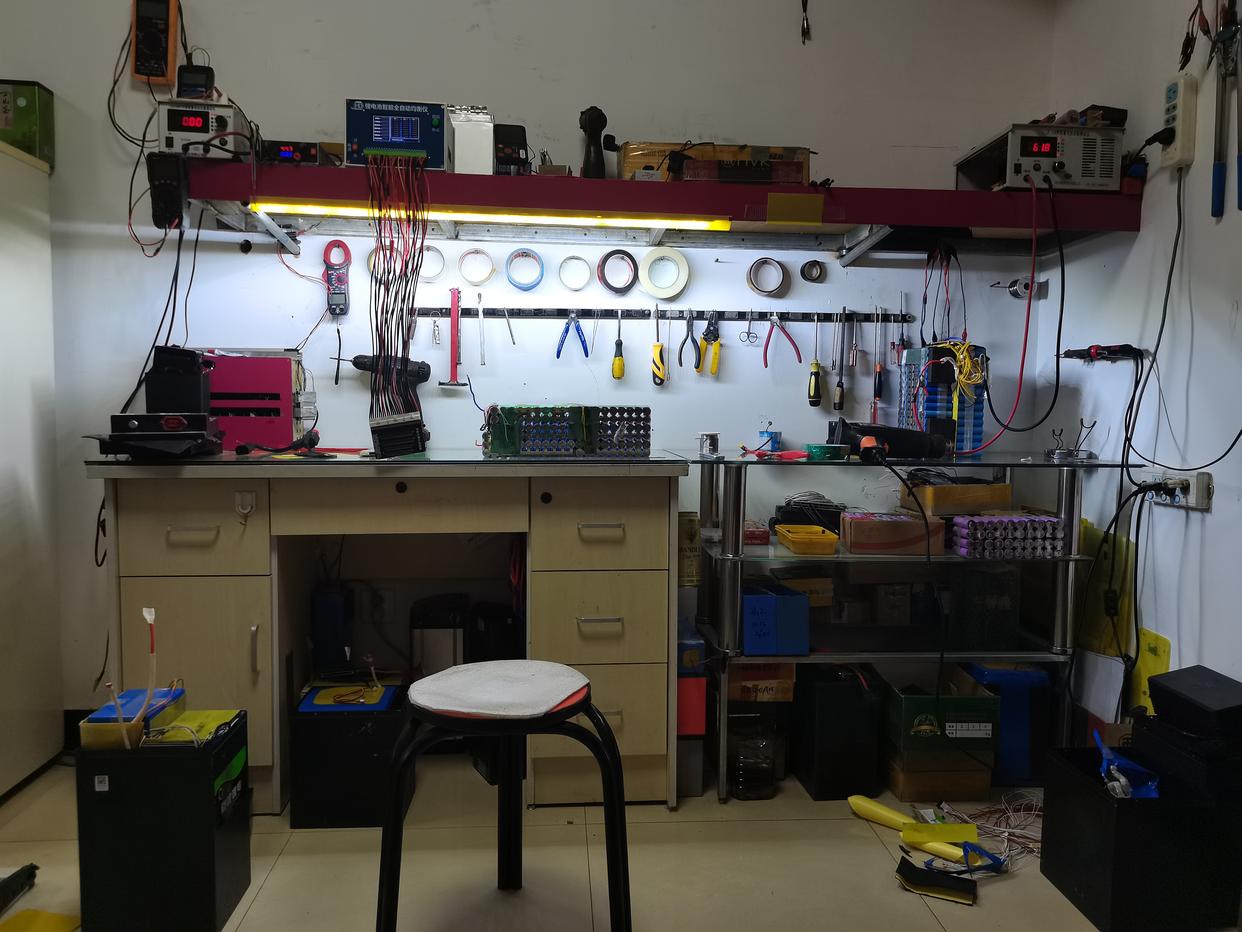
Lithium Iron Phosphate (LiFePO4) batteries have become a trusted energy storage solution across solar systems, RVs, marine applications, industrial equipment, and backup power systems. Known for their long cycle life, thermal stability, and high safety profile, they’re often the first choice for buyers who value reliability.
That said, even the most robust battery technology can face operational issues if conditions fall outside recommended limits. When something goes wrong, understanding why it happens—and how to fix it—can save time, protect your investment, and extend battery lifespan.
This guide walks through the most common LiFePO4 battery problems, explains what triggers them, and provides clear, practical solutions aligned with industry best practices.
Why LiFePO4 Batteries Trigger Protection Modes
Most LiFePO4 batteries are equipped with a Battery Management System (BMS). The BMS continuously monitors voltage, current, and temperature to prevent damage. When abnormal conditions occur, it temporarily disconnects the battery to protect internal cells.
In other words, many “failures” aren’t failures at all—they’re safety mechanisms doing their job.
Battery Unable to Activate or Deliver Current Above 1A
Possible Causes
- Severe over-discharge
- Long-term storage without charging
- Parasitic loads draining the battery
- Resting voltage dropped below 10V
When cell voltage falls too low, the BMS may lock the battery in protection mode, preventing normal charging or discharging.
Recommended Solution
- Use a LiFePO4-compatible charger with an activation or force-charge function
- Apply a charging current greater than 1A to wake the BMS
- Avoid repeated deep discharge to prevent permanent capacity loss
Tip: For long-term storage, maintain batteries at 40–60% state of charge to reduce self-discharge risks.
Undervoltage Protection Triggered
Possible Causes
- Battery voltage drops below the preset BMS threshold during discharge
- Excessive load or extended runtime without recharging
Recommended Solution
- Immediately disconnect all loads
- Recharge the battery using a current above 1A
- Resume operation only after voltage returns to the normal operating range
Undervoltage protection is critical—it prevents irreversible damage to lithium cells.
Overvoltage Protection During Charging
Possible Causes
- Charger voltage set too high
- Incompatible charging source
- Faulty charge controller
When charging voltage exceeds safe limits, the BMS cuts off incoming current to prevent overheating or cell swelling.
Recommended Solution
- Disconnect the charger
- Reduce charge voltage by 0.2V–0.4V
- Wait approximately 6 hours
- Recharge using the correct LiFePO4 voltage profile
If overvoltage protection continues with a verified compatible charger, the BMS itself may need inspection or replacement.
High or Low Temperature Protection
Possible Causes
- Charging or discharging outside recommended temperature ranges
- Poor ventilation or environmental extremes
Typical LiFePO4 operating ranges:
- Charging: 0°C to 45°C (32°F to 113°F)
- Discharging: -20°C to 60°C (-4°F to 140°F)
Recommended Solution
- Disconnect the battery from loads or charger
- Allow the battery to cool down or warm up naturally
- Once temperature returns to normal, the BMS will automatically reset
Avoid charging below freezing unless the battery includes built-in low-temperature charging protection.
Short Circuit Protection Activated
Possible Causes
- Internal short caused by manufacturing defects
- External wiring errors
- Damaged connectors or insulation
Short circuits create sudden high current and heat, posing a serious safety risk.
Recommended Solution
- Remove the short circuit immediately
- Inspect wiring, terminals, and connectors
- Recharge the battery with a current above 1A once the issue is resolved
Consistent quality control and proper installation are key to preventing short-circuit events.
Charge or Discharge Overcurrent Protection
Possible Causes
- Load current exceeds battery’s rated output
- Inverter surge current too high
- Charger output above recommended limits
Recommended Solution
- Disconnect the battery immediately
- Reduce load or use appropriately sized equipment
- Verify that system current stays within battery specifications
Repeated overcurrent events can stress internal components and shorten service life.
Quick Troubleshooting Summary Table
| Problem | Possible Cause | Solution |
|---|---|---|
| Battery won’t activate | Severe over-discharge | Use LiFePO4 charger with activation mode |
| Undervoltage shutdown | Voltage below threshold | Disconnect load and recharge >1A |
| Overvoltage protection | Charger voltage too high | Reduce voltage, wait, recharge properly |
| Temperature protection | Extreme heat or cold | Normalize temperature, auto-reset |
| Short circuit protection | Internal or external short | Remove short, inspect wiring |
| Overcurrent protection | Excessive charge/discharge current | Disconnect and reduce current |
Best Practices to Extend LiFePO4 Battery Life
- Use only LiFePO4-compatible chargers
- Avoid repeated deep discharges below recommended voltage
- Keep batteries within safe temperature ranges
- Inspect connections regularly
- Store batteries partially charged when not in use
According to industry data, properly maintained LiFePO4 batteries can deliver 3,000–6,000 cycles, significantly outperforming lead-acid alternatives.
Conclusion
LiFePO4 batteries are engineered for durability and safety, but long-term performance depends on correct usage and timely troubleshooting. Most issues stem from environmental extremes, incorrect charging, or system mismatches—not from the battery itself.
By understanding BMS protection behavior and responding quickly to faults, you can protect your energy system and ensure years of reliable operation.
Want expert guidance or looking for high-quality LiFePO4 batteries?
Explore our product range or contact our technical team to find the right solution for your application.
- Next:Everything You Should Know About 18650 Battery Voltage
- Previous:LiFePO4 Battery Cable Sizing Guide: Optimizing Performance and Safety
Contact Details
Lithium LiFePO4 Batteries and Lithium LiFePO4 Cells Supplier - LiFePO4 Battery Shop
Contact Person: Miss. Elena Wang
WhatsApp : +8615263269227
Skype : +8615263269227
WeChat :15263269227
Email : info@lifepo4batteryshop.com
All Products
- TC Elcon Charger (0)
- Headway Lithium Battery (6)
- Blade Battery (9)
- Semi Solid State Battery (6)
- A123 Battery (5)
- Sinopoly Battery (7)
- GBS Battery (16)
- CALB Battery (23)
- Cylindrical Cell (7)
- Energy Storage System (0)
- Battery Management System (5)
- Sodium ion Battery Cell (4)
- Lithium Titanate Battery (20)
- Ternary Lithium Battery Cell (11)
- REPT Battery (10)
- BYD Battery (2)
- CATL Battery (15)
- Thunder Sky Winston Battery (21)
- EVE Battery (30)
- LiFePO4 Battery Cell (4)
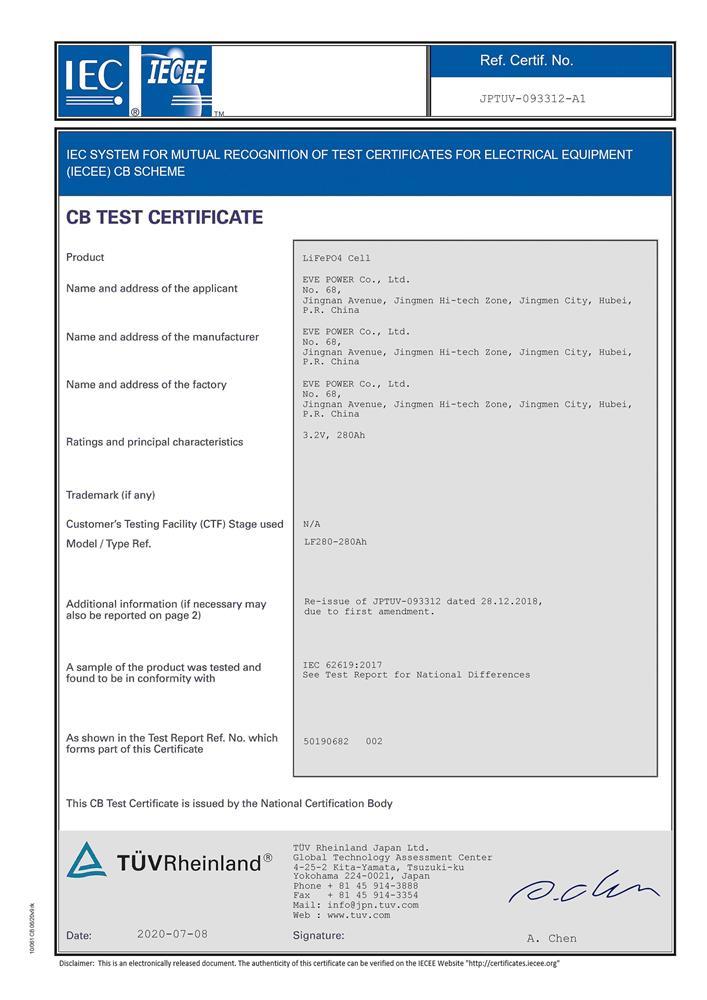
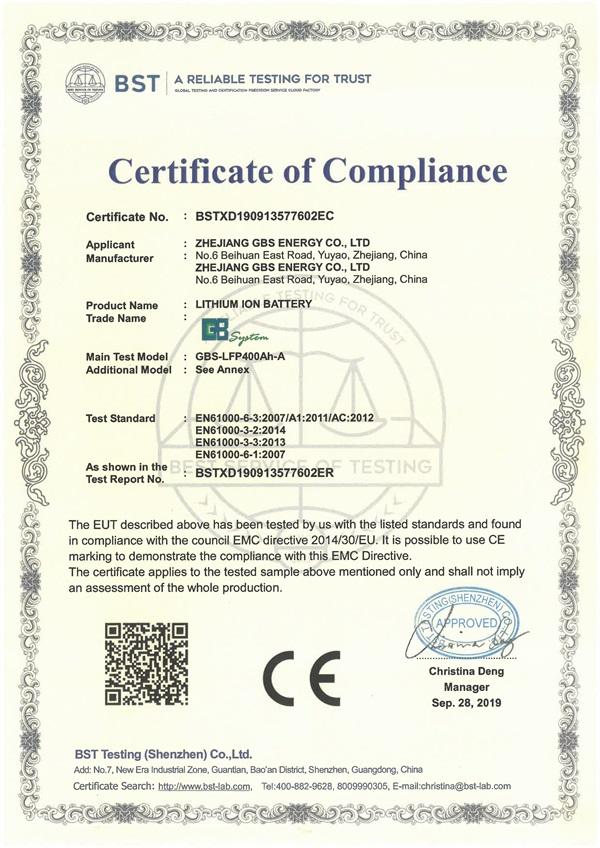
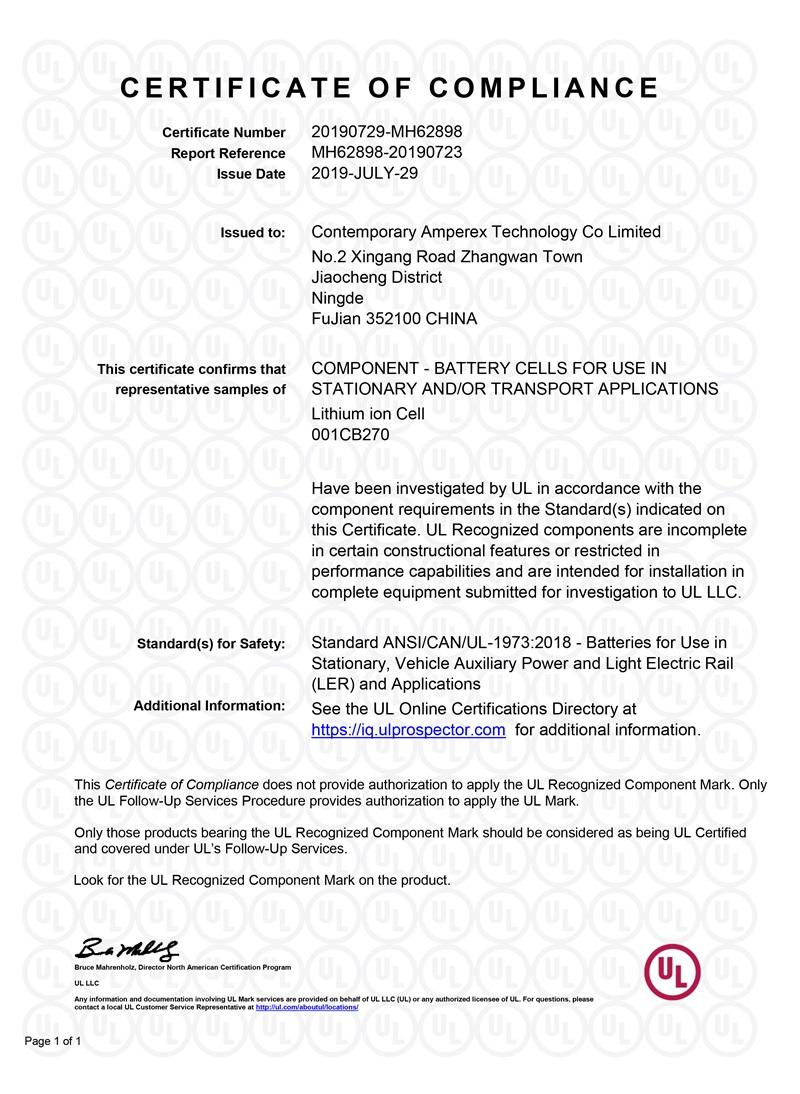
Certification
Customer Reviews
- I have fond memories of our meeting in Shanghai with LiFePO4 Battery Shop Elena. Your company left a strong impression on me with its impressive growth and professionalism. We both value straightforwardness and honesty, which I believe are the most important qualities in any partnership. I am confident that we can build a successful collaboration based on these shared values. —— Robert from USA
- I've been working with LiFePO4 Battery Shop for years, and their reliability is unmatched. While other suppliers frequently change sales teams, LiFePO4 Battery Shop has consistently provided exceptional service with a stable team. Their commitment to quality and customer support truly sets them apart. —— Henry from Australia