
Blog
What is the Difference Between a Cell and a Battery?
2025-11-22 | Calvin
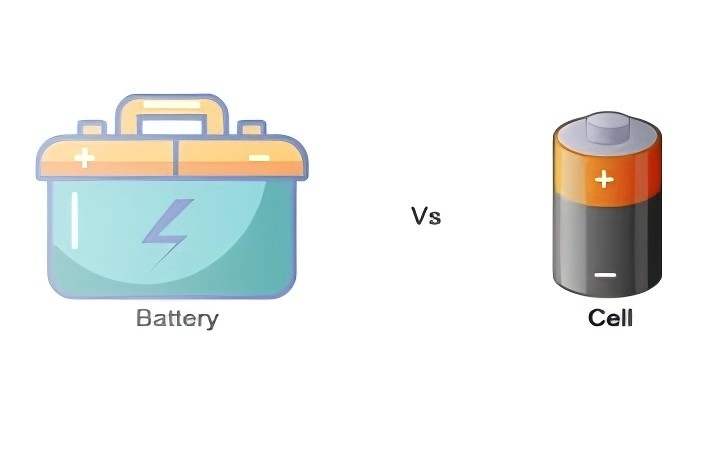
Have you ever wondered about the distinction between a cell and a battery? While many people use these terms interchangeably, they actually refer to different components of electrical energy storage systems. Understanding these differences is crucial, especially when selecting the right power source for specific applications, from portable electronics to renewable energy systems. In this article, we'll break down the key differences between cells and batteries, examine their composition, and highlight their respective uses.
Table of Contents
- Part 1: What is a Cell?
- Part 2: What is a Battery?
- Part 3: Key Differences Between a Cell and a Battery
- Part 4: FAQs
Part 1: What is a Cell?
In the context of energy storage, a cell is the basic unit that converts chemical or electrical energy into electrical power. It is the fundamental building block of a battery and can function independently or be combined with other cells to create a larger energy storage system.
Key Components of a Cell:
A typical electrochemical cell consists of four main components:
- Anode: The electrode through which current flows into the cell during discharge. It is typically made from a reactive material that undergoes oxidation.
- Cathode: The electrode where reduction occurs during discharge. It is made from a material that readily undergoes reduction.
- Electrolyte: A medium that facilitates ion transport between the anode and cathode, enabling the chemical reactions needed for energy generation.
- Separator: A physical barrier between the anode and cathode, preventing direct contact and short circuits, while allowing ions to pass through.
Types of Cells:
Cells can be classified based on their chemical composition and intended applications. The most common types include:
- Primary Cells: These are non-rechargeable cells that provide electrical energy until their chemical reactants are depleted. Commonly found in disposable batteries for devices like remote controls and flashlights.
- Secondary Cells: Rechargeable cells that can be replenished by applying an external current. Widely used in smartphones, laptops, and electric vehicles due to their reusability.
- Alkaline Cells: Known for their long shelf life and stable voltage output, alkaline cells are commonly used in everyday devices such as toys and flashlights.
- Lithium-Ion Cells: Lithium-ion cells are favored for their high energy density and lightweight properties, making them ideal for use in portable electronics and electric vehicles.
Part 2: What is a Battery?
While a cell is a single unit, a battery refers to a collection of cells connected in series or parallel to provide a higher voltage or current output. A battery is essentially a system of cells that work together to generate and store electrical energy.
Key Components of a Battery:
A battery typically consists of:
- Cells: One or more electrochemical cells connected in a series or parallel configuration.
- Terminals: The contact points where the battery connects to external devices, allowing current to flow in and out.
- Casing: The outer structure that protects the cells and internal components from damage and environmental factors.
- Battery Management System (BMS): In more advanced batteries, a BMS is included to monitor factors such as temperature, voltage, and charge/discharge cycles, ensuring the battery operates safely and efficiently.
Types of Batteries:
Batteries come in various types based on the cells they use and their applications:
- Lithium-Ion Batteries: Lithium-ion (Li-ion) batteries are highly efficient, rechargeable, and widely used in smartphones, laptops, and electric vehicles due to their high energy density and long lifespan.
- Lead-Acid Batteries: One of the oldest battery technologies, lead-acid batteries are used in automotive applications, uninterruptible power supplies (UPS), and renewable energy systems.
- Nickel-Cadmium (NiCd) Batteries: These batteries offer a long cycle life and are commonly found in power tools and emergency lighting systems.
- Nickel-Metal Hydride (NiMH) Batteries: NiMH batteries have a higher energy density than NiCd batteries, making them popular for consumer electronics such as digital cameras, laptops, and cordless phones.
Part 3: Key Differences Between a Cell and a Battery
Now that we've explored the basic composition and types of cells and batteries, let's highlight the key distinctions:
| Feature | Cell | Battery |
|---|---|---|
| Composition | A single electrochemical unit with an anode, cathode, and electrolyte. | Multiple interconnected cells working together. |
| Functionality | Cells can operate independently. | Batteries require multiple cells to work effectively. |
| Voltage and Capacity | Cells typically have lower voltage and capacity. | Batteries have higher voltage and capacity, thanks to the combination of cells. |
| Applications | Small, low-power devices (e.g., remote controls). | Used in larger applications, including vehicles, electronics, and renewable energy storage. |
| Form Factor | Smaller, more compact. | Larger, with varying shapes and sizes depending on the application. |
| Energy Density | Lower energy density compared to batteries. | Higher energy density, allowing for longer operation and more power. |
| Rechargeability | Many cells are rechargeable (e.g., lithium-ion cells). | Most batteries are rechargeable and designed for multiple charge cycles. |
| Complexity | Simple structure with fewer components. | More complex, with multiple cells and additional systems like BMS. |
Part 4: FAQs
1. Can a cell function as a battery?
Technically, a cell is the building block of a battery, but a single cell can only power small devices. To achieve higher voltages and current outputs, multiple cells are required to form a battery.
2. How can I choose between a cell and a battery for my device?
For small, low-power applications, a single cell may suffice. However, for devices requiring higher power and longer usage, a battery composed of multiple cells would be necessary.
3. Why are lithium-ion batteries commonly used in modern electronics?
Lithium-ion batteries are favored for their high energy density, lightweight nature, and ability to hold a charge for long periods, making them ideal for portable devices like smartphones and laptops.
Conclusion
Understanding the difference between a cell and a battery is essential when selecting the appropriate energy source for your needs. Whether you're powering a small device or running a renewable energy system, knowing how these components work together can help you make an informed decision.
- Next:Why do lithium batteries need a battery management system (BMS)?
- Previous:Tesla Battery Types: A Simple Guide for Model S, 3, X, and Y
Contact Details
Lithium LiFePO4 Batteries and Lithium LiFePO4 Cells Supplier - LiFePO4 Battery Shop
Contact Person: Miss. Elena Wang
WhatsApp : +8615263269227
Skype : +8615263269227
WeChat :15263269227
Email : info@lifepo4batteryshop.com
All Products
- A123 Battery (5)
- Sinopoly Battery (7)
- GBS Battery (16)
- CALB Battery (22)
- Cylindrical Cell (3)
- Energy Storage System (0)
- Battery Management System (2)
- Sodium ion Battery Cell (3)
- Lithium Titanate Battery (16)
- Ternary Lithium Battery Cell (11)
- REPT Battery (8)
- BYD Battery (2)
- CATL Battery (14)
- Thunder Sky Winston Battery (21)
- EVE Battery (29)
- LiFePO4 Battery Cell (4)
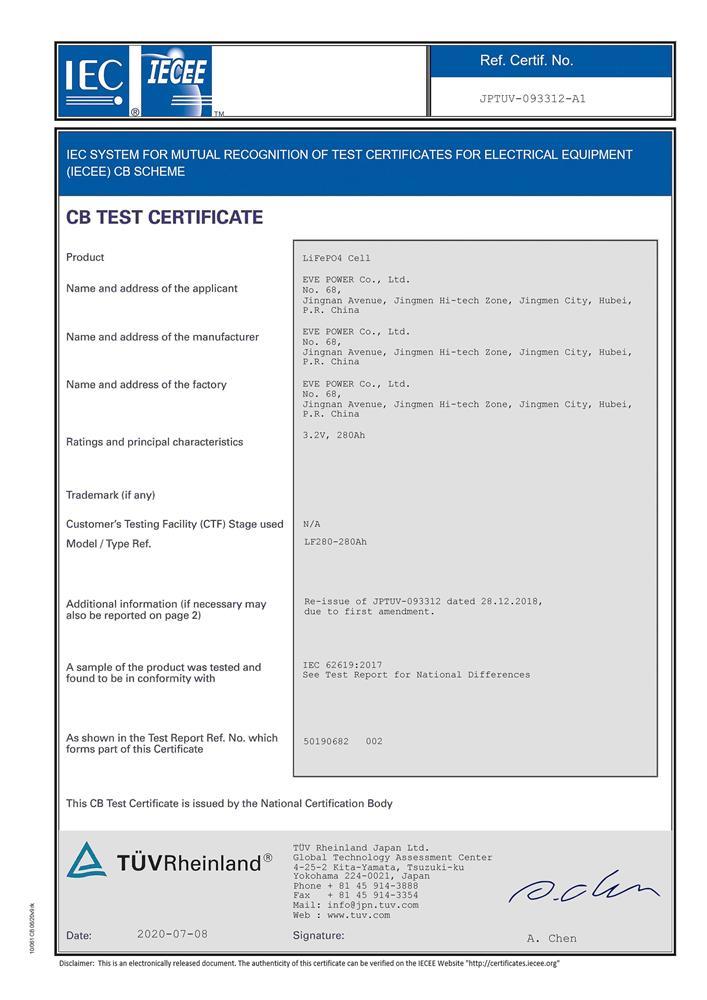
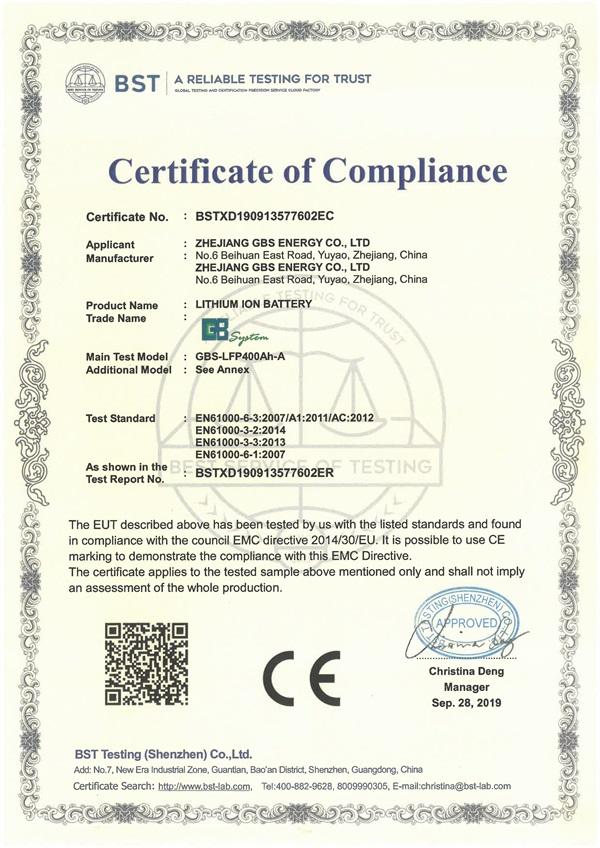
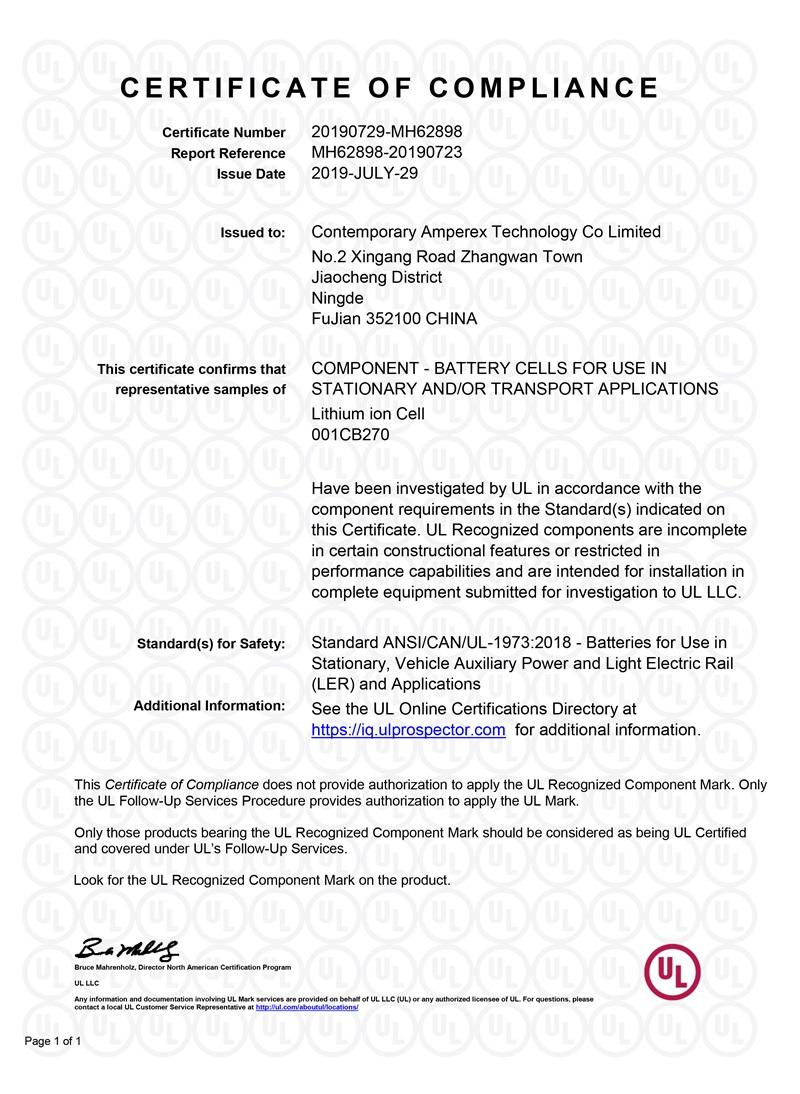
Certification
Customer Reviews
- I have fond memories of our meeting in Shanghai with LiFePO4 Battery Shop Elena. Your company left a strong impression on me with its impressive growth and professionalism. We both value straightforwardness and honesty, which I believe are the most important qualities in any partnership. I am confident that we can build a successful collaboration based on these shared values. —— Robert from USA
- I've been working with LiFePO4 Battery Shop for years, and their reliability is unmatched. While other suppliers frequently change sales teams, LiFePO4 Battery Shop has consistently provided exceptional service with a stable team. Their commitment to quality and customer support truly sets them apart. —— Henry from Australia