
Blog
Understanding Deep Discharge in Batteries: Causes, Effects & Prevention Guide
2026-08-13 | Calvin
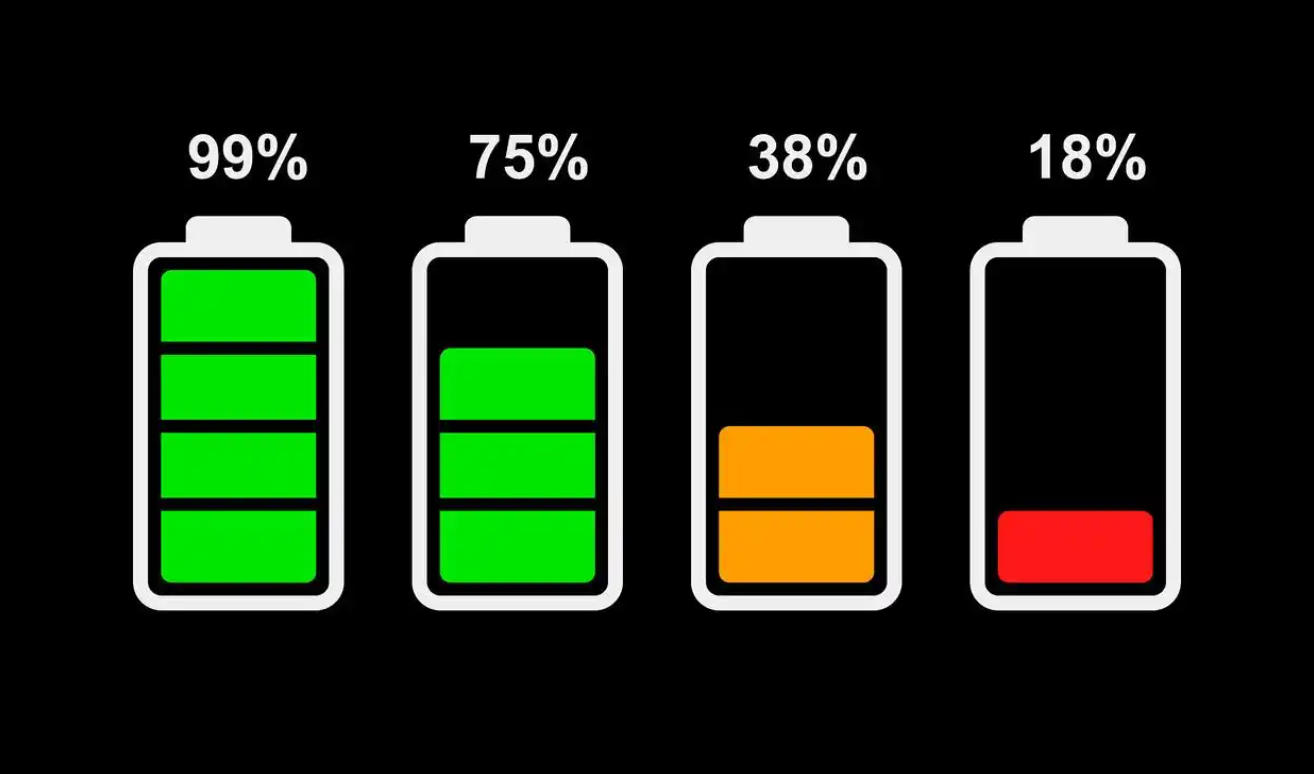
Deep discharge in batteries happens when a battery is drained below its recommended operating level. While occasional deep discharge may not always destroy a battery immediately, repeated or extreme over-discharge can reduce capacity, shorten lifespan, increase internal resistance, and in some cases make the battery unsafe or unusable.
The impact of deep discharge depends on the battery chemistry. Lead-acid batteries are highly sensitive to deep discharge because it can accelerate sulfation. Lithium-ion batteries can also be damaged if cell voltage drops below safe limits, while LiFePO4 batteries usually tolerate deeper discharge better when protected by a proper battery management system.
This guide explains what deep discharge means, how it differs from state of charge, what happens inside different battery types, whether a deeply discharged battery can be recovered, and how to prevent battery damage in RV, solar, backup power, marine, and industrial applications.
Quick Answer: What Is Deep Discharge?
Deep discharge means using most or nearly all of a battery's stored energy before recharging it. In practical terms, it occurs when a battery is drained below the discharge level recommended by the manufacturer.
For example, if a battery is discharged from 100% full to 10% remaining, it has experienced a 90% depth of discharge. Some batteries are designed to handle this better than others.
| Term | Meaning | Example |
|---|---|---|
| State of Charge | How much energy remains in the battery | 30% SoC means 30% energy remains |
| Depth of Discharge | How much energy has been used | 70% DoD means 70% energy has been used |
| Deep Discharge | Discharging below the recommended safe operating level | Draining a battery close to empty |
Understanding Depth of Discharge
Depth of discharge, often written as DoD, is the percentage of battery capacity that has been used. It is one of the most important concepts for understanding battery lifespan.
A shallow discharge means only a small amount of capacity is used before recharging. A deep discharge means a large amount of the stored energy is used before the battery is recharged.
Depth of Discharge Examples
| Battery Starting Level | Battery Ending Level | Depth of Discharge |
|---|---|---|
| 100% | 80% | 20% DoD |
| 100% | 50% | 50% DoD |
| 100% | 20% | 80% DoD |
| 100% | 0% | 100% DoD |
In general, lower depth of discharge reduces battery stress and supports longer battery life. Higher depth of discharge provides more usable energy per cycle but usually increases wear.
Depth of Discharge vs State of Charge
Depth of discharge and state of charge describe opposite sides of the same battery condition.
State of Charge
State of charge, or SoC, tells you how much energy remains in the battery.
Example:
- A battery at 100% SoC is fully charged.
- A battery at 50% SoC has half of its energy remaining.
- A battery at 10% SoC is nearly empty.
Depth of Discharge
Depth of discharge tells you how much energy has already been used.
Example:
- A battery at 80% SoC has experienced 20% DoD.
- A battery at 50% SoC has experienced 50% DoD.
- A battery at 10% SoC has experienced 90% DoD.
The relationship is simple:
Depth of Discharge = 100% - State of Charge
What Happens During Deep Discharge?
During deep discharge, battery voltage drops as stored energy is used. If the discharge continues beyond safe limits, chemical and electrical stress inside the battery increases.
Voltage Drops Below Safe Limits
Every battery chemistry has a safe voltage range. When voltage falls too low, the battery may no longer operate correctly. In lithium batteries, over-discharge can push individual cells below their minimum voltage threshold.
Internal Resistance Can Increase
Deep discharge can increase internal resistance, making it harder for the battery to deliver current efficiently. Higher internal resistance can lead to voltage sag, heat generation, and reduced performance.
Permanent Capacity Loss May Occur
A battery that is repeatedly deeply discharged may lose usable capacity faster. This means it may still charge, but it will not store as much energy as it did when new.
Cell Imbalance Can Become Worse
In multi-cell lithium battery packs, individual cells do not always discharge at exactly the same rate. Deep discharge can worsen cell imbalance, especially if the battery does not have a reliable battery management system.
How Deep Discharge Affects Different Battery Types
Deep discharge does not affect all batteries equally. Some batteries are designed for repeated deep cycling, while others should avoid it whenever possible.
| Battery Type | Deep Discharge Tolerance | Main Risk | Typical Guidance |
|---|---|---|---|
| Flooded Lead-Acid | Poor | Sulfation and capacity loss | Avoid deep discharge when possible |
| AGM Battery | Moderate | Reduced lifespan after repeated deep cycles | Use within recommended DoD limits |
| Gel Battery | Moderate | Capacity loss and charging sensitivity | Avoid over-discharge and incorrect charging |
| Lithium-Ion | Moderate | Cell damage below safe voltage | Use BMS protection and avoid full depletion |
| LiFePO4 | Good to excellent | BMS shutdown or reduced lifespan under abuse | Follow manufacturer discharge limits |
Deep Discharge in Lead-Acid Batteries
Lead-acid batteries are especially vulnerable to deep discharge. When a lead-acid battery remains deeply discharged, lead sulfate crystals can harden on the battery plates. This process is known as sulfation.
Sulfation reduces the battery's ability to accept charge and deliver power. Over time, repeated deep discharge can permanently reduce capacity and shorten battery life.
Common Signs of Lead-Acid Deep Discharge Damage
- The battery charges slowly or incompletely.
- Voltage drops quickly under load.
- The battery no longer holds charge.
- Runtime becomes much shorter than before.
- The battery becomes harder to recover after storage.
Deep Discharge in Lithium-Ion Batteries
Lithium-ion batteries should not be discharged below their safe voltage limits. When voltage drops too low, chemical changes can occur inside the cells, reducing capacity and potentially creating safety risks.
Most lithium-ion battery packs include protection circuits or a battery management system to prevent dangerous over-discharge. However, if the battery remains stored in a deeply discharged state for a long time, recovery may become difficult or impossible.
What Can Happen to Over-Discharged Lithium-Ion Batteries?
- Permanent capacity loss
- Increased internal resistance
- Cell imbalance
- BMS lockout
- Charging failure
- Potential safety concerns if improperly revived
Deep Discharge in LiFePO4 Batteries
LiFePO4 batteries are more tolerant of deep discharge than many other battery chemistries, but they are not immune to damage. A high-quality LiFePO4 battery usually includes a BMS that disconnects the load before cell voltage falls too low.
This protection helps prevent severe cell damage, but regularly draining a LiFePO4 battery to its limit can still reduce its long-term lifespan.
Example: 100Ah LiFePO4 Battery
A 100Ah LiFePO4 battery may be designed to provide high usable capacity, but the best practice is still to avoid unnecessary full depletion.
| Usage Pattern | Battery Stress | Expected Effect |
|---|---|---|
| Discharging to 50% regularly | Lower | Longer cycle life |
| Discharging to 20% regularly | Moderate | Good usable capacity with manageable stress |
| Discharging to 0% regularly | Higher | Greater wear and possible BMS shutdown |
Can a Deeply Discharged Battery Be Recovered?
Sometimes a deeply discharged battery can be recovered, but it depends on the battery chemistry, how low the voltage dropped, how long it remained discharged, and whether internal damage occurred.
Recovering a Lead-Acid Battery
A lead-acid battery may sometimes be recovered with slow charging or desulfation methods if the damage is mild. However, severe sulfation or long-term storage in a discharged state may permanently damage the battery.
Recovering a Lithium Battery
A lithium battery that has entered BMS protection mode may sometimes recover when connected to a compatible charger. However, if individual cells dropped below safe voltage for too long, the battery may be unsafe to recharge.
Do not force-charge a lithium battery that shows signs of swelling, overheating, physical damage, or abnormal voltage behavior.
How Battery Management Systems Prevent Deep Discharge
A battery management system, or BMS, is an electronic protection system used in many lithium battery packs. It monitors battery condition and helps prevent unsafe operation.
Key BMS Functions
- Monitors individual cell voltage
- Prevents over-discharge
- Prevents overcharging
- Monitors temperature
- Protects against excessive current
- Balances cells in multi-cell packs
When a lithium battery approaches its minimum safe voltage, the BMS may disconnect the battery output. This protects the cells, but it can make the battery appear dead until it is properly recharged.
How to Prevent Battery Deep Discharge
Preventing deep discharge is usually easier and cheaper than trying to recover a damaged battery. Good system design, monitoring, and charging habits help protect battery life.
1. Use a Battery Monitor
A battery monitor tracks voltage, current, and state of charge. This is especially useful in RV, marine, solar, and backup power systems.
2. Set Low-Voltage Disconnect Limits
A low-voltage disconnect automatically cuts power when the battery reaches a safe minimum voltage. This prevents equipment from draining the battery too far.
3. Recharge Before the Battery Is Empty
Avoid waiting until the battery is completely drained before recharging. Keeping some reserve capacity helps reduce stress and improves reliability.
4. Store Batteries at a Safe Charge Level
If a battery will not be used for a long time, store it according to the manufacturer's recommendations. Many lithium batteries should not be stored fully empty.
5. Match Battery Size to Load Requirements
A battery that is too small for the load will reach deep discharge more often. Choosing enough capacity for your application helps reduce excessive cycling.
Real-World Examples of Deep Discharge
RV Battery Example
An RV owner runs a refrigerator, lights, fans, and phone chargers overnight. If the battery bank is too small, the system may drop below the safe discharge limit by morning. Adding more battery capacity or solar charging can reduce deep discharge events.
Solar Storage Example
A solar battery bank powers loads overnight and recharges during the day. If daily energy consumption is higher than solar production, the battery may repeatedly reach a low state of charge, shortening battery life.
Backup Power Example
A UPS battery remains unused for months but is not maintained properly. If self-discharge lowers the battery voltage too far, it may fail when backup power is needed.
Best Practices for Longer Battery Life
- Avoid repeated full discharge unless the battery is designed for it.
- Use chargers designed for the correct battery chemistry.
- Keep batteries within recommended temperature ranges.
- Use a BMS or protection circuit for lithium battery packs.
- Inspect battery voltage during long-term storage.
- Choose enough capacity for the load.
- Follow manufacturer discharge and charging limits.
Frequently Asked Questions About Deep Discharge in Batteries
Is deep discharge bad for batteries?
Yes, deep discharge can be harmful, especially when it happens repeatedly or when the battery is drained below its safe voltage limit. The severity depends on the battery chemistry and protection system.
What is the difference between deep discharge and over-discharge?
Deep discharge usually means using a large percentage of battery capacity. Over-discharge means the battery has been drained below its safe minimum voltage. Over-discharge is more dangerous and more likely to cause permanent damage.
Can a lithium battery recover from deep discharge?
Sometimes. If the BMS has simply disconnected the battery to protect the cells, a compatible charger may restart charging. If the cells dropped too low for too long, the battery may be permanently damaged or unsafe to recharge.
Are LiFePO4 batteries safe to deep discharge?
LiFePO4 batteries tolerate deep discharge better than many other battery types, but regular full depletion is still not ideal. A proper BMS helps prevent dangerous over-discharge.
What depth of discharge is best for long battery life?
A lower depth of discharge generally improves battery life. Many users aim to avoid unnecessary full discharge and keep some reserve capacity, especially in solar, RV, marine, and backup systems.
How do I know if my battery has been deeply discharged?
Signs may include very low voltage, reduced runtime, inability to hold charge, BMS shutdown, or equipment failing to power on even though the battery was previously charged.
Does deep discharge affect lead-acid and lithium batteries the same way?
No. Lead-acid batteries are especially prone to sulfation after deep discharge, while lithium batteries are more sensitive to cell voltage limits and BMS protection behavior.
Final Thoughts: Managing Deep Discharge in Batteries
Deep discharge in batteries is an important concept for anyone using rechargeable power systems. Draining a battery too far can reduce capacity, shorten lifespan, and cause performance problems.
The best way to prevent damage is to understand your battery chemistry, monitor state of charge, use proper charging equipment, and avoid repeated over-discharge.
For lead-acid batteries, limiting deep discharge helps prevent sulfation and capacity loss. For lithium-ion and LiFePO4 batteries, a reliable BMS and proper low-voltage protection are essential for safe operation.
Whether you use batteries for solar storage, RV power, marine systems, backup power, or industrial equipment, managing depth of discharge correctly helps protect your investment and improves long-term reliability.
- Next:How Long Does It Take to Charge a 100Ah LiFePO4 Battery?
- Previous:AA vs AAA Batteries: Differences, Size, Capacity & Which One Should You Choose?
Contact Details
Lithium LiFePO4 Batteries and Lithium LiFePO4 Cells Supplier - LiFePO4 Battery Shop
Contact Person: Miss. Elena Wang
WhatsApp : +8615263269227
Skype : +8615263269227
WeChat :15263269227
Email : info@lifepo4batteryshop.com
All Products
- Forklift Battery Charger (0)
- TC Elcon Charger (5)
- Headway Lithium Battery (6)
- Blade Battery (10)
- Semi Solid State Battery (6)
- A123 Battery (6)
- Sinopoly Battery (7)
- GBS Battery (16)
- CALB Battery (26)
- Cylindrical Cell (14)
- Energy Storage System (0)
- Battery Management System (15)
- Sodium ion Battery Cell (4)
- Lithium Titanate Battery (23)
- Ternary Lithium Battery Cell (12)
- REPT Battery (10)
- BYD Battery (5)
- CATL Battery (15)
- Thunder Sky Winston Battery (26)
- EVE Battery (37)
- LiFePO4 Battery Cell (38)
Certification
Customer Reviews
- I have fond memories of our meeting in Shanghai with LiFePO4 Battery Shop Elena. Your company left a strong impression on me with its impressive growth and professionalism. We both value straightforwardness and honesty, which I believe are the most important qualities in any partnership. I am confident that we can build a successful collaboration based on these shared values. —— Robert from USA
- I've been working with LiFePO4 Battery Shop for years, and their reliability is unmatched. While other suppliers frequently change sales teams, LiFePO4 Battery Shop has consistently provided exceptional service with a stable team. Their commitment to quality and customer support truly sets them apart. —— Henry from Australia