
Blog
Exploring the Cycle Life of LiFePO4 Batteries
2025-12-14 | Calvin
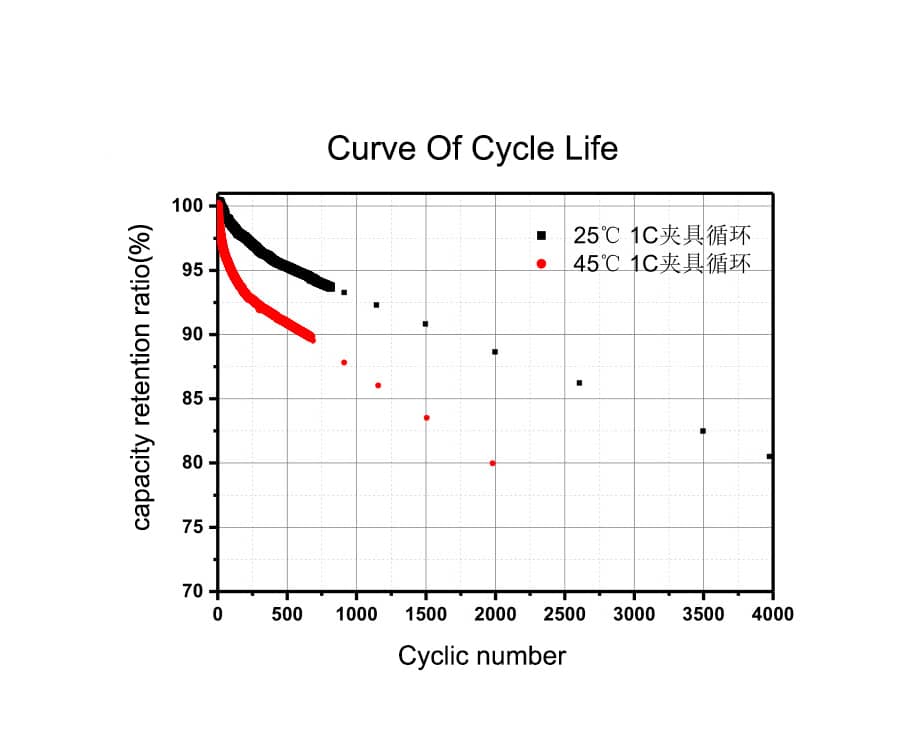
Lithium Iron Phosphate (LiFePO4) batteries, also known as LFP batteries, have become a popular choice in industries ranging from automotive to renewable energy due to their impressive lifespan, safety features, and eco-friendliness. As an energy storage solution, these batteries offer a distinct advantage over other lithium-ion chemistries and traditional lead-acid batteries. In this article, we will explore the lifespan of LiFePO4 batteries, the factors that impact their performance, how to spot signs of aging, and tips on maximizing their longevity.
1. Average Lifespan of Lithium Iron Phosphate Batteries
LiFePO4 batteries are well-regarded for their durability and extended cycle life, making them ideal for applications where long-term reliability is essential. On average, a LiFePO4 battery can last anywhere between 5 to 10 years, depending on its usage and maintenance. In terms of charge cycles, a typical LiFePO4 battery can deliver 2,500 to 9,000 cycles, which is significantly higher than other battery types such as lithium cobalt oxide (LCO) or lead-acid batteries.
When properly maintained and used under optimal conditions, some LiFePO4 batteries can surpass 10,000 cycles, ensuring reliable energy storage for the long haul. These batteries are particularly well-suited for solar energy systems, electric vehicles (EVs), and backup power applications.
LiFePO4 batteries are also safer and more eco-friendly than many other battery types. Their low toxicity, excellent thermal stability, and resistance to overcharging contribute to a longer lifespan and greater safety compared to conventional lithium-ion batteries.
2. Factors Affecting Lithium Iron Phosphate Battery Life
While LiFePO4 batteries are known for their durability, several factors can influence their longevity. By understanding these variables, users can take proactive steps to optimize battery life and maintain peak performance.
Temperature
Extreme temperatures, both high and low, can significantly impact the performance and lifespan of LiFePO4 batteries. While LiFePO4 batteries are more tolerant to temperature fluctuations than other lithium-ion chemistries, exposure to high temperatures can accelerate degradation, while cold temperatures can increase internal resistance, reducing efficiency.
The optimal operating temperature range for most LiFePO4 batteries is between −10°C to 60°C (14°F to 140°F). Beyond this range, the risk of capacity loss or even battery failure increases.
Depth of Discharge (DoD)
The Depth of Discharge (DoD) refers to how much of the battery’s capacity is used before it is recharged. Regularly discharging a LiFePO4 battery to deep levels (e.g., 80-100% DoD) will reduce its lifespan over time. To maximize longevity, it's best to aim for a DoD of around 20-80%.
Charge/Discharge Rates
Excessive charge or discharge rates can put undue stress on the battery, leading to faster degradation. Rapid charging or discharging generates heat, which in turn can lead to internal damage. Following manufacturer recommendations for charge/discharge rates can help avoid unnecessary wear and tear on the battery.
Battery Quality
The quality of the battery itself is one of the most significant factors affecting its lifespan. Variations in materials, manufacturing processes, and quality control can lead to differences in performance. High-quality LiFePO4 batteries typically feature superior materials and advanced Battery Management Systems (BMS), enhancing their longevity and safety.
3. Signs of Aging in Lithium Iron Phosphate Batteries
As LiFePO4 batteries age, certain symptoms may begin to manifest. Recognizing these early signs allows users to take appropriate action before performance becomes significantly degraded.
Capacity Fading
A natural consequence of battery aging is the gradual reduction in capacity. This means the battery will hold less energy over time, leading to shorter runtimes. A 10% capacity loss after approximately 3,000 charge cycles is typical for LiFePO4 batteries. However, the rate of capacity degradation can vary based on operating conditions and battery quality.
Increased Internal Resistance
Internal resistance tends to increase as the battery ages, leading to a decrease in efficiency. This can cause the battery to generate more heat, reducing overall performance and contributing to faster wear. Increased resistance can also cause the battery to feel warmer during use or charging.
Longer Charging Times
As the battery ages, it may take longer to charge fully. This is often a clear indication that the battery’s capacity is diminishing, and it may need to be replaced in the near future.
4. Maximizing the Life of Your Lithium Iron Phosphate Battery
Proper care and maintenance are crucial to extending the lifespan of your LiFePO4 battery. Here are some best practices for ensuring optimal performance:
Avoid Overcharging and Deep Discharging
One of the most effective ways to maximize battery life is to avoid overcharging and deep discharging. It’s recommended to keep the state of charge between 20% and 80% to prevent unnecessary strain on the battery.
Use a Compatible Charger
Always use a charger specifically designed for LiFePO4 batteries. These chargers are optimized for the voltage and current requirements of LFP cells, ensuring safe and efficient charging.
Implement a Battery Management System (BMS)
A Battery Management System (BMS) monitors the health of the battery by regulating charge/discharge cycles, temperature, and voltage levels. A BMS can help protect the battery from overcharging, undercharging, and excessive temperatures, all of which can significantly reduce lifespan.
Proper Storage and Maintenance
For long-term storage, make sure to store your LiFePO4 battery in a cool, dry place at a moderate temperature (0 to 25°C / 32 to 77°F). If storing for an extended period, ensure the battery is partially charged (40-60% of its capacity). This helps prevent self-discharge and keeps the battery in optimal condition.
Regular Monitoring
Regularly check the state of charge and monitor for any signs of aging, such as increased internal resistance or reduced performance. Using a battery monitoring system (BMS) or dedicated app can help you stay on top of your battery’s health.
5. Conclusion
Lithium Iron Phosphate (LiFePO4) batteries stand out for their impressive lifespan, safety features, and eco-friendly benefits. By understanding the factors that impact battery longevity and following proper maintenance practices, you can ensure that your LiFePO4 battery performs at its best for years to come. Whether you're using it in an electric vehicle, solar power system, or as a backup energy source, investing in a high-quality LiFePO4 battery and taking care of it will provide you with long-term, reliable energy storage.
- Next:Understanding C-Rate: The Key to Battery Performance
- Previous:The Principle of Lithium-Ion Battery Charging: A Comprehensive Guide
Contact Details
Lithium LiFePO4 Batteries and Lithium LiFePO4 Cells Supplier - LiFePO4 Battery Shop
Contact Person: Miss. Elena Wang
WhatsApp : +8615263269227
Skype : +8615263269227
WeChat :15263269227
Email : info@lifepo4batteryshop.com
All Products
- Blade Battery (8)
- Semi Solid State Battery (4)
- A123 Battery (5)
- Sinopoly Battery (7)
- GBS Battery (16)
- CALB Battery (22)
- Cylindrical Cell (6)
- Energy Storage System (0)
- Battery Management System (2)
- Sodium ion Battery Cell (3)
- Lithium Titanate Battery (20)
- Ternary Lithium Battery Cell (11)
- REPT Battery (8)
- BYD Battery (2)
- CATL Battery (14)
- Thunder Sky Winston Battery (21)
- EVE Battery (29)
- LiFePO4 Battery Cell (4)
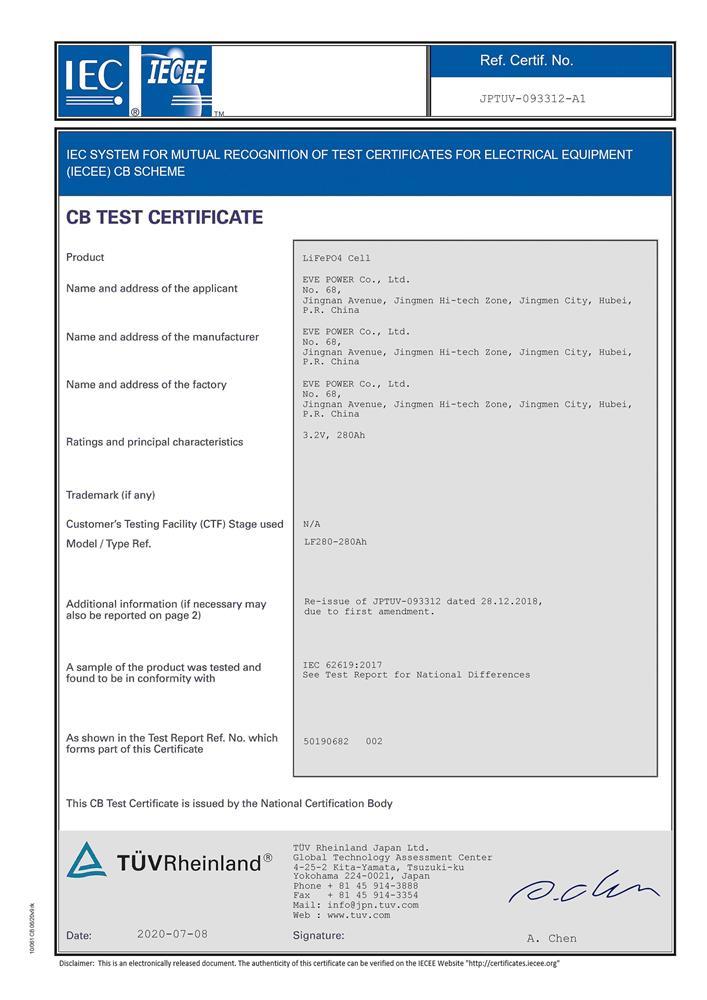
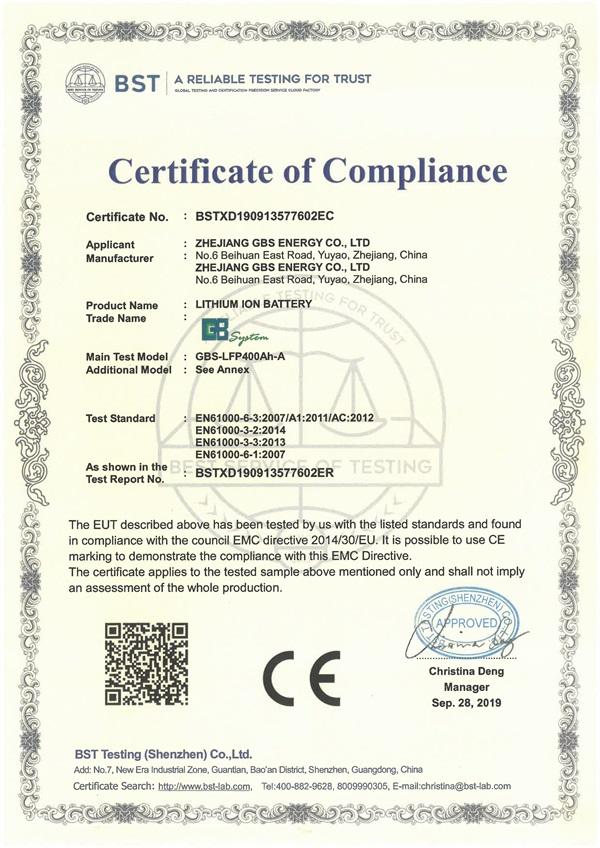
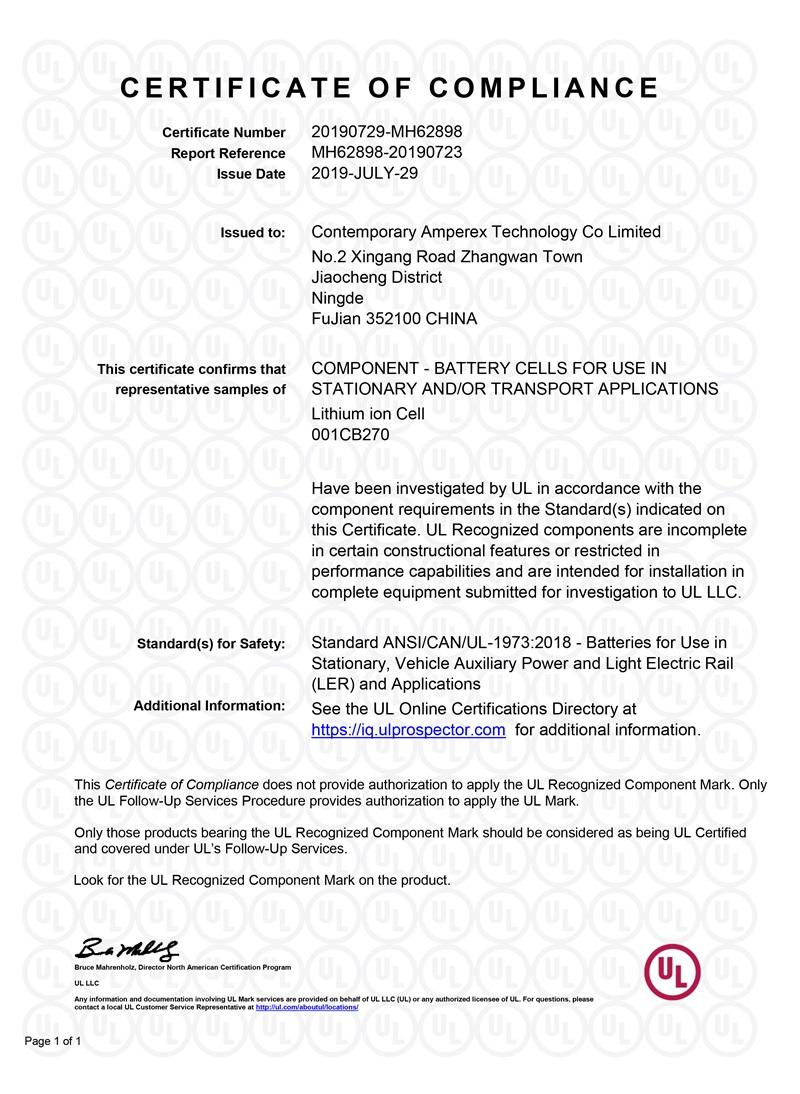
Certification
Customer Reviews
- I have fond memories of our meeting in Shanghai with LiFePO4 Battery Shop Elena. Your company left a strong impression on me with its impressive growth and professionalism. We both value straightforwardness and honesty, which I believe are the most important qualities in any partnership. I am confident that we can build a successful collaboration based on these shared values. —— Robert from USA
- I've been working with LiFePO4 Battery Shop for years, and their reliability is unmatched. While other suppliers frequently change sales teams, LiFePO4 Battery Shop has consistently provided exceptional service with a stable team. Their commitment to quality and customer support truly sets them apart. —— Henry from Australia