
Blog
Does LiFePO4 Energy Density Matter? A Deep Dive into Its Impact on Battery Performance
2026-03-22 | Calvin
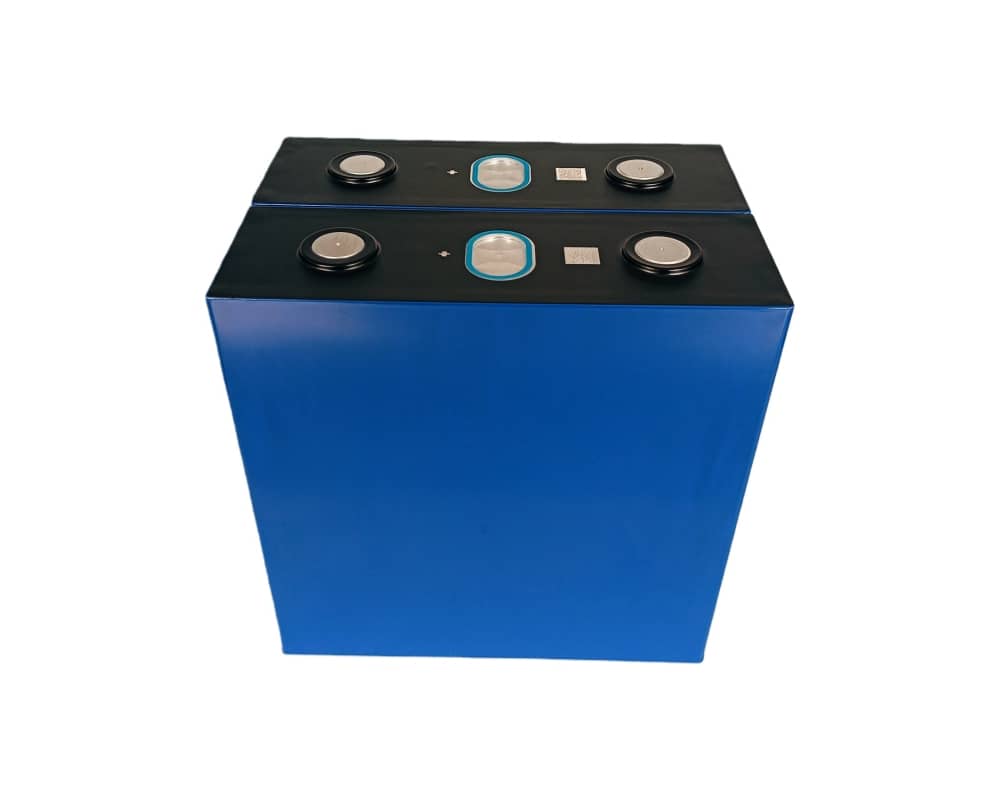
When shopping for LiFePO4 (Lithium Iron Phosphate) batteries, the term energy density often arises. As a key specification, energy density significantly affects the performance, size, and weight of the battery, all of which are critical factors for industries ranging from electric vehicles to renewable energy systems.
But what exactly is LiFePO4 energy density? And why does it matter? In this article, we will explore the role of energy density in LiFePO4 batteries, its influence on different applications, and how recent advancements are shaping the future of energy storage.
What Is LiFePO4 Energy Density?
LiFePO4 energy density refers to the amount of energy a battery can store relative to its weight, typically measured in watt-hours per kilogram (Wh/kg). The higher the energy density, the more energy the battery can store for a given weight, which directly impacts how long the battery can last on a single charge.
In simple terms, a higher energy density means that the battery is lighter and longer-lasting, which is crucial for applications that demand compact and efficient power sources, such as electric vehicles (EVs) and solar energy storage systems.
Why Does LiFePO4 Energy Density Matter?
The energy density of LiFePO4 batteries is a pivotal factor in several key areas:
1. Battery Weight and Size
LiFePO4 batteries are known for being relatively heavy compared to other lithium-ion battery types like NMC (Nickel Manganese Cobalt). A higher energy density allows for a lighter and more compact battery without sacrificing power, which is essential for applications where weight and space are limited, such as electric vehicles, drones, and portable energy storage systems.
2. Battery Life and Performance
With a higher energy density, a battery can store more energy in the same amount of space. This directly correlates with a longer runtime. For instance, electric vehicles benefit from LiFePO4 batteries with higher energy density as they allow for longer driving distances before needing a recharge. Similarly, in solar power storage, higher energy density means more power can be stored without taking up excess space.
3. Cost Efficiency
For manufacturers, improving energy density also means delivering more power at a reduced weight. As a result, high-energy-density LiFePO4 batteries could potentially lower the overall cost of energy storage solutions. This would make them more accessible to both DIY users and B2B buyers looking for sustainable, long-term energy solutions.
Current LiFePO4 Energy Density Trends
At present, most LiFePO4 batteries have an energy density ranging from 90 to 160 Wh/kg. However, industry advancements are pushing these boundaries. Some of the leading manufacturers are developing batteries with energy densities as high as 180 to 210 Wh/kg, with plans to commercialize these enhanced products in the near future.
This rise in energy density is a testament to the ongoing progress in battery technology. However, some may wonder whether higher energy density means greater safety risks, such as the threat of thermal runaway or overheating.
Does Higher Energy Density Mean More Danger?
Interestingly, for LiFePO4 batteries, the answer is no. Despite the increase in energy density, the chemical stability and thermal resistance of LiFePO4 remain a significant advantage. Unlike other lithium-ion batteries (such as NMC and NCA), LiFePO4 batteries are highly resistant to thermal runaway, making them one of the safest lithium-ion battery types.
In contrast, NMC/NCA batteries, with energy densities exceeding 200 Wh/kg (and some even over 300 Wh/kg), may offer greater energy capacity but at the cost of lower safety standards and reduced cycle life.
Thus, while LiFePO4 energy density is critical, it doesn’t come at the expense of safety. In fact, improving the energy density of LiFePO4 batteries is a win-win for both performance and safety.
The Future of LiFePO4 Energy Density
LiFePO4 batteries already offer impressive performance for various applications, but the future is even brighter. As manufacturers continue to innovate, we can expect LiFePO4 batteries with higher energy densities that will become even more versatile.
For instance:
- Electric vehicles will benefit from batteries that are both smaller and longer-lasting.
- Renewable energy systems will have more efficient, compact energy storage solutions, contributing to the adoption of solar and wind power.
- DIY energy storage systems will become lighter and more accessible to a broader audience.
The development of higher energy density LiFePO4 batteries is not just about improving performance—it's about creating more sustainable and affordable energy solutions for the future.
Conclusion
In summary, LiFePO4 energy density is indeed a crucial factor when selecting the right battery for various applications. The higher the energy density, the better the performance, especially in applications that require lightweight, long-lasting, and safe energy solutions.
While the energy density of LiFePO4 batteries has improved over the years, manufacturers are still pushing for greater energy capacity while maintaining the battery's renowned safety standards. This makes LiFePO4 batteries a highly promising option for electric vehicles, solar energy storage, and many other industries.
As the energy landscape continues to evolve, we can expect to see more advanced LiFePO4 batteries powering our future with greater efficiency and sustainability.
FAQ
1. What is the typical energy density of LiFePO4 batteries?
Most LiFePO4 batteries typically have an energy density between 90 to 160 Wh/kg. However, some advanced models are reaching 180 to 210 Wh/kg.
2. Why is LiFePO4 energy density important?
Higher energy density allows LiFePO4 batteries to store more energy in less space and weight, providing longer-lasting power for electric vehicles, solar energy systems, and portable applications.
3. Does higher energy density increase the risk of thermal runaway?
No, LiFePO4 batteries are known for their thermal stability and are less prone to thermal runaway, even at higher energy densities, making them safer than other lithium-ion batteries.
4. What are the applications of high-energy-density LiFePO4 batteries?
High-energy-density LiFePO4 batteries are ideal for use in electric vehicles, renewable energy storage, drones, and portable power solutions.
5. Can LiFePO4 batteries outperform lead-acid batteries?
Yes, LiFePO4 batteries are gradually replacing lead-acid batteries in many applications due to their superior safety, longer lifespan, and higher energy density.
- Next:LiFePO4 Thermal Runaway: Causes, Risks, and How to Prevent It
- Previous:The Benefits of Lithium Iron Phosphate Batteries in Modern UPS Systems
Contact Details
Lithium LiFePO4 Batteries and Lithium LiFePO4 Cells Supplier - LiFePO4 Battery Shop
Contact Person: Miss. Elena Wang
WhatsApp : +8615263269227
Skype : +8615263269227
WeChat :15263269227
Email : info@lifepo4batteryshop.com
All Products
- TC Elcon Charger (0)
- Headway Lithium Battery (6)
- Blade Battery (10)
- Semi Solid State Battery (6)
- A123 Battery (5)
- Sinopoly Battery (7)
- GBS Battery (16)
- CALB Battery (24)
- Cylindrical Cell (9)
- Energy Storage System (0)
- Battery Management System (5)
- Sodium ion Battery Cell (4)
- Lithium Titanate Battery (22)
- Ternary Lithium Battery Cell (12)
- REPT Battery (10)
- BYD Battery (2)
- CATL Battery (15)
- Thunder Sky Winston Battery (24)
- EVE Battery (31)
- LiFePO4 Battery Cell (17)
Certification
Customer Reviews
- I have fond memories of our meeting in Shanghai with LiFePO4 Battery Shop Elena. Your company left a strong impression on me with its impressive growth and professionalism. We both value straightforwardness and honesty, which I believe are the most important qualities in any partnership. I am confident that we can build a successful collaboration based on these shared values. —— Robert from USA
- I've been working with LiFePO4 Battery Shop for years, and their reliability is unmatched. While other suppliers frequently change sales teams, LiFePO4 Battery Shop has consistently provided exceptional service with a stable team. Their commitment to quality and customer support truly sets them apart. —— Henry from Australia