
Blog
LiFePO4 Thermal Runaway: Causes, Risks, and How to Prevent It
2026-03-18 | Calvin
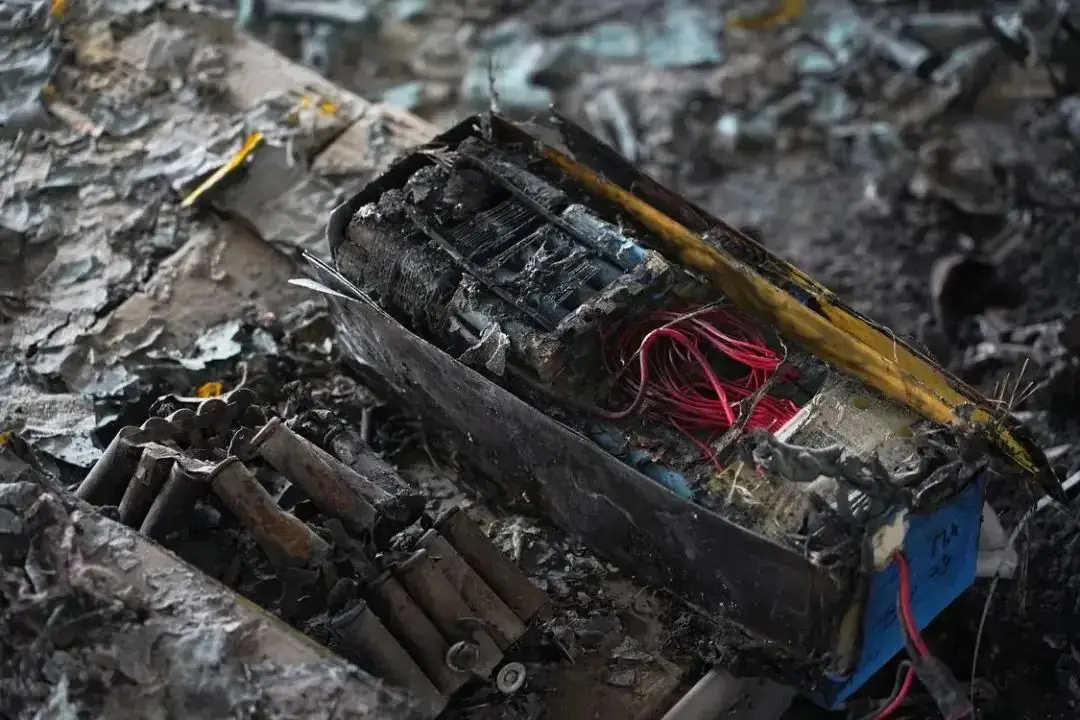
As electric vehicles (EVs) continue to gain mainstream popularity, ensuring the safety of their most crucial component—the battery—has never been more important. Among the various lithium-ion chemistries, lithium iron phosphate (LiFePO4) stands out for its stability and safety features. However, even this technology is not entirely immune to thermal runaway, a dangerous phenomenon that can lead to overheating, fire, or even explosion. This article examines the causes of LiFePO4 thermal runaway, its associated risks, and proven methods to minimize these hazards, keeping EV owners and users safe.
What Is Battery Thermal Runaway?
Thermal runaway refers to the uncontrollable increase in temperature within a battery cell, surpassing the system's ability to dissipate heat. This phenomenon causes chemical reactions inside the battery to accelerate, resulting in gas release, fire, or even explosions. While the likelihood of thermal runaway in LiFePO4 batteries is lower compared to other lithium-ion chemistries, it still poses a risk under certain conditions, particularly in electric vehicles.
When batteries store large amounts of energy, even small faults—such as internal short circuits or overcharging—can trigger catastrophic reactions. As EVs contain significant quantities of these powerful energy sources, thermal runaway can quickly escalate, leading to severe consequences if not properly managed.
The Science Behind Thermal Runaway
Thermal runaway in lithium-ion cells, including LiFePO4, involves a sequence of complex chemical and physical processes. Here’s a look at how it works:
1. SEI (Solid Electrolyte Interface) Decomposition
At temperatures between 80-120°C, the protective SEI layer breaks down, exposing the anode to electrolyte reactions, releasing heat.
2. Separator Failure
The separators made of polyethylene or polypropylene begin to shrink or melt at around 130-170°C. If temperatures rise above 190°C, the separator ruptures, potentially causing internal short circuits.
3. Electrode Decomposition
At high temperatures, the cathode materials can release oxygen, which reacts violently with the electrolyte, exacerbating heat release.
4. Pressure Build-Up
As the gas inside the cell expands rapidly, the internal pressure rises until the cell vents rupture, which can lead to fire or explosion.
Primary Causes of Thermal Runaway in LiFePO4 Batteries
While LiFePO4 is known for its inherent safety, several factors can still trigger thermal runaway. Understanding these causes can help prevent such events:
1. Overheating
High temperatures, either from external sources or an inefficient cooling system, can lead to excessive heat accumulation within the cells.
2. Overcharging and Over-Discharging
Charging a LiFePO4 battery beyond its voltage limits accelerates internal degradation and increases the chances of heat generation. Similarly, deep discharges stress the cell, contributing to potential thermal risks.
3. Internal Short Circuits
Manufacturing defects, physical damage, or dendrite growth within the battery can cause internal short circuits, creating a rapid buildup of heat.
4. Mechanical Abuse
Damage from impacts such as collisions, punctures, or crushing can compromise the integrity of separators and electrodes, causing electrical failure.
5. Thermal Abuse
When nearby cells fail or the cooling system malfunctions, the resulting heat can initiate a thermal runaway reaction within the battery pack.
Why Does LiFePO4 Still Experience Thermal Runaway?
While LiFePO4 batteries are less likely to undergo thermal runaway than other lithium-ion chemistries (e.g., NMC or LCO), certain factors can still lead to hazardous situations:
- Manufacturing Defects: Even with strict quality control, tiny manufacturing flaws can lead to dangerous shorts in the cells.
- Improper Usage: Consistent overcharging or deep discharging can stress the battery, making it more susceptible to thermal runaway.
- Environmental Stress: Exposure to extreme heat, punctures, or crushing can compromise the structural integrity of the battery, increasing the risk of runaway.
While LiFePO4 requires more extreme conditions to enter thermal runaway compared to other chemistries, the risk is not eliminated, and precautions must still be taken.
Consequences of LiFePO4 Thermal Runaway
The effects of thermal runaway can extend far beyond just the affected battery cell, impacting vehicle safety and performance:
1. Battery Performance Loss
Thermal runaway can reduce the capacity of the cell, impair charge/discharge cycles, and significantly shorten battery lifespan.
2. Fire and Explosion Hazards
The intense heat and release of oxygen can ignite the electrolyte, leading to flames or even explosions—posing a danger to passengers and property.
3. Vehicle Downtime
In an electric vehicle, a compromised battery pack can completely disable the vehicle, requiring expensive repairs and potentially triggering safety recalls.
How to Prevent LiFePO4 Thermal Runaway
Preventing thermal runaway in LiFePO4 batteries requires a combination of effective engineering, high-quality manufacturing, and responsible usage. The following strategies can significantly reduce the risk:
1. Battery Management Systems (BMS)
Ensure that batteries are equipped with BMS to balance the charge across cells, preventing overcharging or deep discharging.
2. Advanced Cooling Systems
Implement liquid cooling or heat pipe technology to efficiently dissipate heat, particularly in large battery packs used in EVs.
3. Real-Time Thermal Monitoring
Incorporate temperature sensors and predictive algorithms to monitor battery conditions in real time, allowing for early detection of potential issues.
4. Rigorous Safety Testing
Non-destructive testing, such as X-ray or ultrasound, should be performed to detect any hidden defects in the battery cells before deployment.
5. Quality Manufacturing
Strict production standards should be enforced to minimize defects, ensuring that every cell is free from potential vulnerabilities.
6. User Awareness and Maintenance
Educating users on proper charging habits, battery care, and safety precautions can help reduce misuse and prevent hazardous situations.
7. Emergency Response Protocols
EV manufacturers should equip vehicles with fire suppression systems and develop clear guidelines for handling thermal runaway incidents.
8. Battery Recycling Programs
Safe recycling and disposal systems should be implemented to prevent risks associated with the improper disposal of used batteries.
9. Research and Development for Safer Chemistries
Ongoing R&D should focus on developing solid-state electrolytes and other next-generation cathode materials that offer higher thermal stability.
10. Stronger Government Regulations
Governments should enforce stricter policies and safety standards, ensuring the entire EV industry adheres to the highest safety norms.
Conclusion
While LiFePO4 batteries are less prone to thermal runaway than other lithium-ion chemistries, the risk remains a critical safety concern. Understanding the causes of thermal runaway, such as overheating, overcharging, and internal defects, is essential for reducing these risks. Through advanced engineering solutions, stringent manufacturing standards, and proactive user education, the likelihood of thermal runaway can be significantly minimized, ensuring the safe operation of EVs. As electric vehicle adoption continues to grow, maintaining consumer trust through safety and reliability remains paramount.
FAQs
1. Can thermal runaway occur in LiFePO4 batteries?
Yes, while LiFePO4 batteries are more stable than other lithium-ion chemistries, thermal runaway can still occur under extreme conditions like overheating, overcharging, or mechanical damage.
2. What are the signs of thermal runaway in EV batteries?
Signs include overheating, swelling of the battery pack, unusual smells, or excessive heat. Early detection systems in EVs can help mitigate these risks.
3. How can thermal runaway in EV batteries be prevented?
By using advanced cooling systems, battery management systems (BMS), and conducting regular maintenance, the risk of thermal runaway can be minimized.
4. Is LiFePO4 safer than other lithium chemistries?
Yes, LiFePO4 is generally considered safer than other lithium-ion chemistries like NMC or LCO due to its more stable cathode material. However, safety precautions are still necessary.
- Next:Shipping Lithium-Ion Batteries: Understanding UN3480 & UN3481 Regulations
- Previous:Does LiFePO4 Energy Density Matter? A Deep Dive into Its Impact on Battery Performance
Contact Details
Lithium LiFePO4 Batteries and Lithium LiFePO4 Cells Supplier - LiFePO4 Battery Shop
Contact Person: Miss. Elena Wang
WhatsApp : +8615263269227
Skype : +8615263269227
WeChat :15263269227
Email : info@lifepo4batteryshop.com
All Products
- TC Elcon Charger (0)
- Headway Lithium Battery (6)
- Blade Battery (10)
- Semi Solid State Battery (6)
- A123 Battery (5)
- Sinopoly Battery (7)
- GBS Battery (16)
- CALB Battery (24)
- Cylindrical Cell (9)
- Energy Storage System (0)
- Battery Management System (5)
- Sodium ion Battery Cell (4)
- Lithium Titanate Battery (22)
- Ternary Lithium Battery Cell (12)
- REPT Battery (10)
- BYD Battery (2)
- CATL Battery (15)
- Thunder Sky Winston Battery (22)
- EVE Battery (30)
- LiFePO4 Battery Cell (17)
Certification
Customer Reviews
- I have fond memories of our meeting in Shanghai with LiFePO4 Battery Shop Elena. Your company left a strong impression on me with its impressive growth and professionalism. We both value straightforwardness and honesty, which I believe are the most important qualities in any partnership. I am confident that we can build a successful collaboration based on these shared values. —— Robert from USA
- I've been working with LiFePO4 Battery Shop for years, and their reliability is unmatched. While other suppliers frequently change sales teams, LiFePO4 Battery Shop has consistently provided exceptional service with a stable team. Their commitment to quality and customer support truly sets them apart. —— Henry from Australia