
Blog
The Benefits of Lithium Iron Phosphate Batteries in Modern UPS Systems
2026-03-24 | Calvin
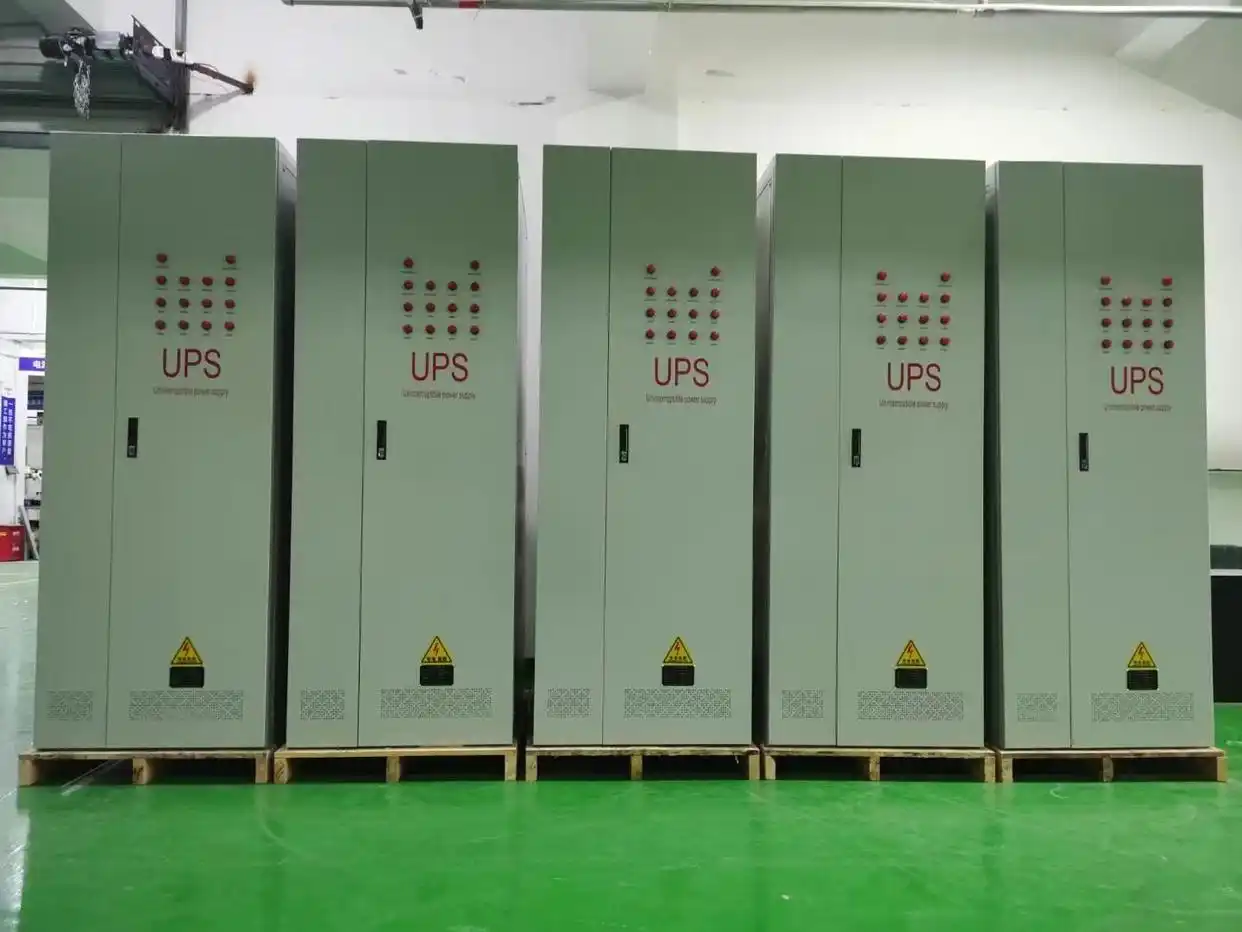
In recent years, uninterruptible power supply (UPS) systems have undergone a significant transformation. While lead-acid batteries have been the traditional choice for energy storage in UPS systems, their limitations are becoming more apparent. Issues such as low energy density, large size and weight, narrow temperature range, and environmental concerns are pushing businesses toward more advanced solutions. Lithium Iron Phosphate (LiFePO4) batteries, a type of lithium battery, have emerged as a game-changer in this field, providing numerous advantages that make them ideal for modern UPS applications.
Why Lithium Iron Phosphate Batteries Are Ideal for UPS Systems
1. Compact and Lightweight Design
Lithium iron phosphate batteries offer a higher energy density compared to lead-acid batteries. This means they can store the same amount of energy in a much smaller and lighter package. The benefits include:
- Reduced space requirements: Lithium UPS systems are ideal for installations with space constraints.
- Lower weight: Ideal for applications where reducing the overall weight is crucial.
2. Exceptional Efficiency
One of the most significant advantages of LiFePO4 batteries in UPS systems is their high efficiency:
- Charging and discharging efficiency consistently exceed 95%, even after many cycles, ensuring that energy is utilized optimally.
- Faster charging times significantly reduce downtime, which is essential for industries that rely on constant power.
3. Long-Lasting Service Life
When compared to lead-acid batteries, which typically last between 3-5 years, LiFePO4 batteries have a much longer lifespan:
- LiFePO4 batteries can last over 10 years with minimal capacity degradation even after 2,000+ charge cycles, making them a far more cost-effective solution in the long run.
- Reduced need for frequent replacements translates into lower total cost of ownership.
4. Wide Temperature Tolerance
Lithium iron phosphate batteries are known for their wide operating temperature range:
- They function efficiently in temperatures ranging from -20°C to 60°C, making them suitable for harsh or extreme environmental conditions.
- Performance is less affected by high ambient temperatures, a common issue with lead-acid batteries, especially in warmer climates.
5. Environmentally Friendly
Environmental sustainability is a growing concern, and LiFePO4 batteries stand out in this area:
- Free from toxic materials: Unlike lead-acid batteries, which contain harmful lead and acid, LiFePO4 batteries are non-toxic and safer for the environment.
- Cleaner manufacturing processes and safer recycling make these batteries a better choice for green initiatives.
6. Enhanced Safety and Stability
Lithium iron phosphate batteries are inherently stable and safe:
- The cathode material in LiFePO4 is resistant to thermal runaway, reducing the risk of fire or explosion under stress.
- This makes them far safer than other types of lithium-ion batteries, which can be prone to instability under certain conditions.
How Lithium Batteries Improve UPS System Design
The integration of LiFePO4 batteries into UPS systems provides numerous improvements:
Modular Design
Many lithium-powered UPS systems feature modular battery cabinets, allowing for easier installation, maintenance, and scalability. This flexibility is crucial for businesses that need to upgrade their systems without significant downtime.
Advanced Battery Management Systems (BMS)
Battery Management Systems (BMS) enable real-time monitoring of battery health, charge levels, and performance, ensuring the system is always operating at peak efficiency and simplifying maintenance.
High Power Output
LiFePO4 batteries can handle higher discharge rates, making them ideal for supporting peak loads during critical power outages or high-demand situations.
Key Applications for Lithium UPS Systems
LiFePO4-based UPS systems are transforming industries that require high-performance, reliable, and efficient power backup. Some key applications include:
1. Industrial Equipment
LiFePO4 UPS systems ensure uninterrupted operation of industrial equipment, preventing damage from power fluctuations like voltage sags, surges, and frequency instability.
2. Communication Base Stations
For the telecommunications industry, lithium UPS systems maintain reliable 48V DC power to base stations, guaranteeing consistent communication services even during outages.
3. Data Centers
With the high reliability and efficiency of lithium batteries, data centers benefit from continuous power supply, protecting sensitive IT infrastructure from downtime and data loss.
4. Energy-Intensive Operations
Lithium-powered UPS systems are perfect for energy-intensive operations, including server farms, healthcare facilities, and smart grids, where consistent power and fast recovery times are critical.
Performance Testing and Validation
Real-world testing of LiFePO4 UPS systems has confirmed their advantages:
- No-Load and Heating Mode Testing: Discharge efficiency reaches 86%, and the systems can support discharge power exceeding 100 kW during peak loads.
- Durability: Lithium batteries maintain consistent performance even in extreme scenarios, ensuring seamless power transitions during outages.
Conclusion
The shift from lead-acid to lithium iron phosphate batteries represents a significant advancement in UPS technology. The numerous benefits of LiFePO4 batteries—such as superior performance, longer lifespan, higher efficiency, and environmental friendliness—make them the ideal choice for modern businesses seeking reliable, sustainable, and cost-effective power solutions. As technology continues to improve and manufacturing scales up, lithium-powered UPS systems will likely become the standard in industries worldwide.
FAQs
1. Why are lithium iron phosphate batteries better than lead-acid batteries for UPS systems?
LiFePO4 batteries offer superior energy density, longer lifespan, better temperature tolerance, and increased safety, making them a far more reliable and cost-effective option for modern UPS systems.
2. How long do LiFePO4 batteries last?
Lithium iron phosphate batteries typically last more than 10 years, with minimal degradation even after 2,000+ charge cycles, compared to lead-acid batteries, which last 3-5 years.
3. Are lithium iron phosphate batteries safer than other types of lithium batteries?
Yes, LiFePO4 batteries are inherently stable and resistant to thermal runaway, reducing the risk of fire or explosion under stress. They are one of the safest types of lithium batteries.
4. Can lithium UPS systems be used in extreme temperatures?
Yes, LiFePO4 batteries can operate efficiently in a wide range of temperatures, from -20°C to 60°C, making them suitable for a variety of environments, including harsh or high-temperature locations.
5. Are lithium UPS systems environmentally friendly?
Lithium iron phosphate batteries are non-toxic and environmentally friendly, unlike lead-acid batteries, which contain hazardous materials. Additionally, their cleaner manufacturing and safer recycling processes make them an eco-conscious choice.
- Next:Does LiFePO4 Energy Density Matter? A Deep Dive into Its Impact on Battery Performance
- Previous:Charger Daily Maintenance Guide: Safe, Durable, and Worry-Free!
Contact Details
Lithium LiFePO4 Batteries and Lithium LiFePO4 Cells Supplier - LiFePO4 Battery Shop
Contact Person: Miss. Elena Wang
WhatsApp : +8615263269227
Skype : +8615263269227
WeChat :15263269227
Email : info@lifepo4batteryshop.com
All Products
- TC Elcon Charger (0)
- Headway Lithium Battery (6)
- Blade Battery (10)
- Semi Solid State Battery (6)
- A123 Battery (5)
- Sinopoly Battery (7)
- GBS Battery (16)
- CALB Battery (24)
- Cylindrical Cell (9)
- Energy Storage System (0)
- Battery Management System (5)
- Sodium ion Battery Cell (4)
- Lithium Titanate Battery (22)
- Ternary Lithium Battery Cell (12)
- REPT Battery (10)
- BYD Battery (2)
- CATL Battery (15)
- Thunder Sky Winston Battery (24)
- EVE Battery (31)
- LiFePO4 Battery Cell (17)
Certification
Customer Reviews
- I have fond memories of our meeting in Shanghai with LiFePO4 Battery Shop Elena. Your company left a strong impression on me with its impressive growth and professionalism. We both value straightforwardness and honesty, which I believe are the most important qualities in any partnership. I am confident that we can build a successful collaboration based on these shared values. —— Robert from USA
- I've been working with LiFePO4 Battery Shop for years, and their reliability is unmatched. While other suppliers frequently change sales teams, LiFePO4 Battery Shop has consistently provided exceptional service with a stable team. Their commitment to quality and customer support truly sets them apart. —— Henry from Australia