
Blog
Key Differences Between On-Grid and Off-Grid Inverters: A Comprehensive Guide
2025-10-30 | Calvin
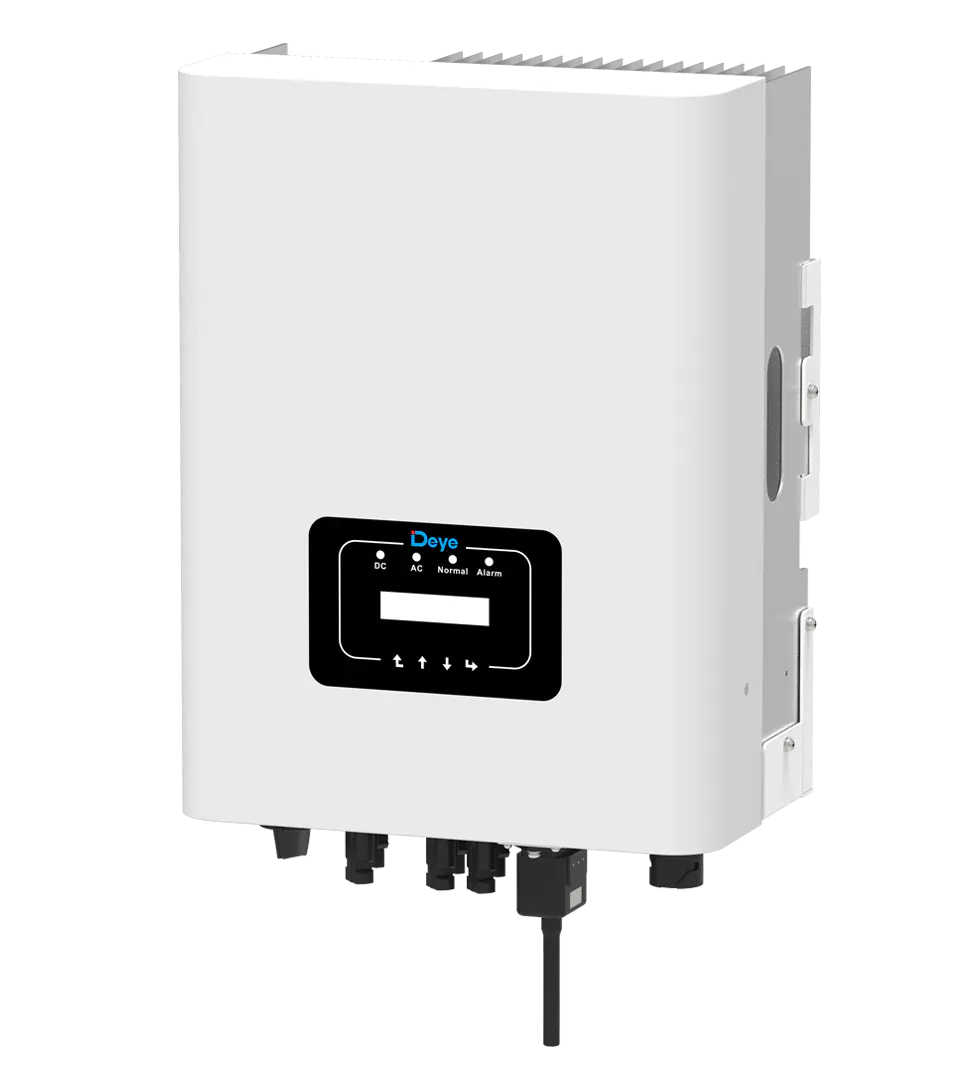
When considering solar energy systems, one of the most important decisions you’ll make is choosing the right inverter. Inverters play a vital role in converting the DC power generated by solar panels into AC power, which is usable by most electrical devices. There are two main types of inverters: on-grid inverters and off-grid inverters. Each serves different purposes, and understanding the distinctions between them can help you make an informed decision based on your energy needs.
In this article, we’ll explore the key differences between on-grid and off-grid inverters, focusing on system design, autonomy, scalability, and regulatory considerations. Whether you're a homeowner or business owner, this guide will help you choose the right inverter for your solar energy system.
Table of Contents
- 1. System Design and Complexity
- 2. System Independence and Autonomy
- 3. System Scalability
- 4. Regulatory Considerations
- Conclusion
1. System Design and Complexity
On-Grid Inverters: Simplicity and Cost-Effectiveness
On-grid systems are designed to operate in parallel with the utility grid. These systems typically involve fewer components, making them simpler to install and maintain. On-grid inverters are connected directly to the utility grid and only operate when solar power is available. Since they don’t require energy storage systems like batteries, there is no need for complex energy management controls.
- Pros:
- Lower upfront costs
- Fewer components (no batteries, charge controllers, etc.)
- Easier installation and maintenance
Off-Grid Inverters: Autonomy with Increased Complexity
Off-grid inverters, on the other hand, are designed to work in systems that are entirely disconnected from the utility grid. These systems typically include batteries, charge controllers, and energy management systems to store and manage energy. Because of the added components and complexity, off-grid systems are generally more expensive to install and maintain.
- Pros:
- Provides energy independence
- Requires more components for energy storage and management
- Suitable for remote locations without grid access
2. System Independence and Autonomy
On-Grid Inverters: Dependent on Utility Grid
On-grid inverters are designed to work in conjunction with the utility grid. When solar generation is insufficient such as during cloudy days or nighttime the system draws power from the grid to meet demand. This setup does not offer energy independence, as it relies on the grid for continuous power supply.
- Considerations:
- Limited independence from the grid
- Subject to utility pricing and outages
Off-Grid Inverters: Complete Energy Independence
One of the key advantages of off-grid inverters is that they provide complete energy autonomy. These systems allow users to generate, store, and use their own electricity without relying on the utility grid. Off-grid inverters are ideal for remote areas or locations where the grid is unreliable or inaccessible.
- Considerations:
- No dependence on utility grid
- Ideal for off-the-grid living or backup power solutions
3. System Scalability: Expanding Your Solar Setup
On-Grid Inverters: Easy to Scale
On-grid solar systems are highly scalable. As energy needs grow, you can easily add more solar panels and inverters. The grid will continue to provide power during periods when solar generation is low, making it easy to expand the system without worrying about the additional complexity of energy storage.
- Scalability Benefits:
- Easy to add more solar panels
- Expandable without major system overhauls
Off-Grid Inverters: Complex Expansion
Expanding an off-grid system is more involved. To accommodate additional solar panels, you'll also need to scale up your battery storage to store the extra energy generated. In some cases, additional energy management systems may be required to handle the increased load. As a result, expanding off-grid systems is more complex and requires careful planning and higher upfront costs.
- Scalability Considerations:
- Requires careful planning to expand storage capacity
- Additional costs for battery upgrades and system integration
4. Regulatory Considerations: Compliance and Flexibility
On-Grid Inverters: Compliance with Utility Standards
On-grid systems are subject to local utility regulations and must meet specific interconnection standards. This includes ensuring that the system is properly wired and safe for integration with the utility grid. Additionally, many jurisdictions require net metering, which allows you to sell excess solar power back to the grid.
- Regulatory Compliance:
- Must meet local grid interconnection standards
- Often involves net metering agreements with the utility company
Off-Grid Inverters: Greater Design Flexibility
Off-grid systems, while still subject to electrical safety regulations, have greater flexibility in terms of design and operation. Since these systems do not interact with the utility grid, you have more freedom to customize the setup based on your energy needs and environmental conditions. This flexibility is especially beneficial for those in remote locations or with specialized power needs.
- Regulatory Flexibility:
- More freedom in design and installation
- Must still adhere to electrical safety standards but fewer grid-specific regulations
Conclusion
Understanding the differences between on-grid and off-grid inverters is crucial for selecting the best system for your home or business. On-grid inverters are ideal for those who want a cost-effective, low-maintenance system that operates seamlessly with the utility grid. On the other hand, off-grid inverters provide complete energy autonomy, making them the go-to solution for remote locations or those seeking to reduce their reliance on the grid.
If you’re ready to explore solar solutions for your energy needs, contact us today for expert advice on the best inverter system for your situation. Whether you’re looking to install a grid-tied or off-grid solar setup, we can guide you through the process and ensure your system meets your long-term energy goals.
- Next:Single-Phase or Three-Phase? Here’s How to Pick the Ideal Inverter for Your Solar System
- Previous:Tesla Battery Types: A Simple Guide for Model S, 3, X, and Y
Contact Details
Lithium LiFePO4 Batteries and Lithium LiFePO4 Cells Supplier - LiFePO4 Battery Shop
Contact Person: Miss. Elena Wang
WhatsApp : +8615263269227
Skype : +8615263269227
WeChat :15263269227
Email : info@lifepo4batteryshop.com
All Products
- A123 Battery (5)
- Sinopoly Battery (7)
- GBS Battery (16)
- CALB Battery (22)
- Cylindrical Cell (3)
- Energy Storage System (0)
- Battery Management System (2)
- Sodium ion Battery Cell (3)
- Lithium Titanate Battery (16)
- Ternary Lithium Battery Cell (11)
- REPT Battery (8)
- BYD Battery (2)
- CATL Battery (14)
- Thunder Sky Winston Battery (21)
- EVE Battery (29)
- LiFePO4 Battery Cell (4)
Certification
Customer Reviews
- I have fond memories of our meeting in Shanghai with LiFePO4 Battery Shop Elena. Your company left a strong impression on me with its impressive growth and professionalism. We both value straightforwardness and honesty, which I believe are the most important qualities in any partnership. I am confident that we can build a successful collaboration based on these shared values. —— Robert from USA
- I've been working with LiFePO4 Battery Shop for years, and their reliability is unmatched. While other suppliers frequently change sales teams, LiFePO4 Battery Shop has consistently provided exceptional service with a stable team. Their commitment to quality and customer support truly sets them apart. —— Henry from Australia