
Blog
CR2032 Lithium 3V Coin Battery: Uses, Specs, Lifespan, Safety, and Buying Guide
2026-07-13 | Calvin
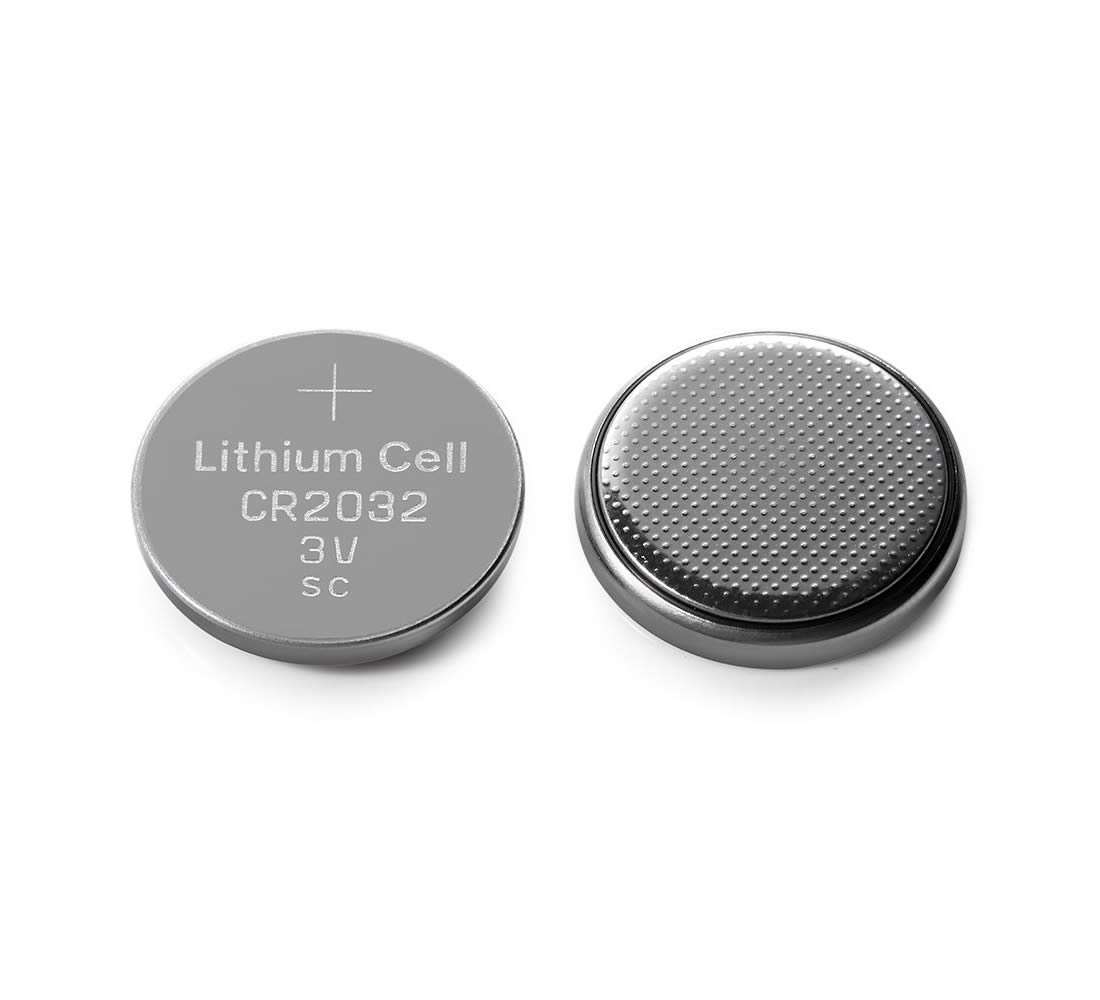
The CR2032 lithium 3V coin battery is one of the most widely used small batteries in consumer electronics. It is compact, lightweight, and designed to deliver stable power for low-drain devices such as key fobs, computer motherboards, watches, calculators, medical meters, wireless sensors, and smart home accessories.
Although the battery looks simple, choosing the wrong coin cell can cause poor contact, shorter runtime, device errors, or safety issues. This guide explains what a CR2032 battery is, how it compares with similar coin cells, how long it usually lasts, and how to replace, store, and dispose of it safely.
What Is a CR2032 Lithium 3V Coin Battery?
A CR2032 is a round, flat lithium coin cell battery. The name tells you important details about the battery. “CR” usually refers to lithium manganese dioxide chemistry, “20” means the battery is about 20 mm in diameter, and “32” means it is about 3.2 mm thick.
The standard voltage of a CR2032 battery is 3 volts. This makes it suitable for small electronic devices that need stable voltage over a long period but do not require high current output. According to an Energizer CR2032 datasheet, this battery type has a nominal voltage of 3.0V and typical capacity around 235 mAh under rated test conditions.
CR2032 Battery Specifications
| Specification | Typical Value |
|---|---|
| Battery Type | Lithium coin cell |
| Chemistry | Lithium manganese dioxide |
| Nominal Voltage | 3V |
| Diameter | 20 mm |
| Thickness | 3.2 mm |
| Typical Capacity | About 210–240 mAh, depending on brand and test conditions |
| Rechargeable | No, standard CR2032 cells are not rechargeable |
| Common Applications | Key fobs, CMOS backup, sensors, calculators, watches, meters |
Common Devices That Use CR2032 Batteries
Car Key Fobs and Remote Controls
Many vehicle key fobs use CR2032 batteries because they need a small cell that can sit inside a thin plastic housing. When the battery gets weak, the remote range may become shorter or the vehicle may fail to detect the key consistently.
Computer Motherboards and CMOS Backup
Desktop motherboards often use a CR2032 battery to maintain BIOS settings and the system clock when the computer is unplugged. A weak CMOS battery may cause the date and time to reset or trigger BIOS warnings during startup.
Medical and Health Devices
Small medical devices such as glucose meters, thermometers, heart rate monitors, and wearable health trackers may use CR2032 batteries. For medical devices, always follow the manufacturer’s exact battery recommendation because reliability is more important than saving a small amount on a replacement battery.
Smart Home Sensors and IoT Devices
Wireless door sensors, motion detectors, Bluetooth trackers, temperature sensors, and small IoT devices often use coin cells. These devices usually consume very little power while idle, which makes CR2032 batteries a practical option for long-term standby use.
CR2032 vs CR2025 vs CR2016: What Is the Difference?
CR2032, CR2025, and CR2016 batteries look similar because they share the same 20 mm diameter and 3V voltage. The main difference is thickness, which affects capacity and how firmly the battery fits in a holder.
| Battery | Voltage | Diameter | Thickness | Typical Use Note |
|---|---|---|---|---|
| CR2016 | 3V | 20 mm | 1.6 mm | Thinner, lower capacity |
| CR2025 | 3V | 20 mm | 2.5 mm | Medium thickness and capacity |
| CR2032 | 3V | 20 mm | 3.2 mm | Thicker, usually higher capacity |
In some devices, a thinner CR2025 may appear to fit where a CR2032 was originally installed, but it may sit loosely and create unreliable contact. For best performance, use the exact battery model printed on the device, battery compartment, or user manual.
How Long Does a CR2032 Battery Last?
The lifespan of a CR2032 battery depends on the device, power demand, temperature, battery quality, and how often the device is used. A computer CMOS battery may last five to ten years because it draws very little current. A car key fob may last one to three years because every button press activates wireless transmission. A smart sensor may last months or years depending on how often it wakes up and sends data.
| Device Type | Estimated Battery Life |
|---|---|
| Computer CMOS battery | 5–10 years |
| Car key fob | 1–3 years |
| Wireless sensor | 6 months–5 years |
| Wearable device | Several months–2 years |
| Calculator or simple meter | Several years |
Signs Your CR2032 Battery Needs Replacement
- The remote control or key fob works only at a very short distance.
- The device turns on slowly or resets unexpectedly.
- A computer loses BIOS settings or the clock resets.
- A smart sensor disconnects or reports low battery.
- A digital display becomes faint or inconsistent.
- A meter or small device shows a battery warning icon.
If a device controls access, safety, health monitoring, or security, replace the battery early rather than waiting for complete failure.
How to Replace a CR2032 Battery Safely
- Turn off the device if possible.
- Open the battery compartment carefully using the correct tool.
- Note the battery orientation before removing it. The positive side is usually marked with a plus sign.
- Remove the old battery without bending the metal contacts.
- Insert the new CR2032 battery in the same orientation.
- Close the compartment securely and test the device.
Avoid touching both sides of the battery with metal tools at the same time because this can short the cell. If the battery holder is dirty, clean it gently with a dry cloth. Do not force the battery into a holder that was designed for a different size.
Can a CR2032 Battery Be Recharged?
No. A standard CR2032 battery is a primary lithium coin cell, which means it is designed for single use only. Do not recharge it. Attempting to recharge a non-rechargeable CR2032 battery can cause leakage, overheating, or rupture.
Rechargeable alternatives such as LIR2032 or ML2032 exist, but they are not direct replacements for every CR2032 device. They may use different chemistry, voltage, and charging requirements. Only use a rechargeable coin cell if the device manufacturer clearly states that it is supported.
How to Choose the Right CR2032 Battery
When buying a replacement CR2032 lithium 3V coin battery, focus on compatibility, freshness, packaging, and supplier reliability. Cheap, unbranded, or poorly stored coin cells may have lower capacity or shorter service life.
- Check the exact model: Make sure the device requires CR2032, not CR2025 or CR2016.
- Check the expiry date: A fresh battery usually performs better and lasts longer in storage.
- Choose reliable packaging: Sealed packaging helps prevent contamination, accidental shorting, and mixing old cells with new ones.
- Avoid mixing brands: If a device uses multiple coin cells, replace them together with the same type.
- Buy from trusted suppliers: Counterfeit or old batteries can be a problem in online marketplaces.
Storage Tips for CR2032 Batteries
Store unused CR2032 batteries in a cool, dry place, away from direct sunlight, heat, moisture, and metal objects. Keep them in the original packaging until use. Loose coin cells should not be stored with keys, coins, screws, or tools because metal contact can cause short circuits.
Do not store coin batteries where children can reach them. Even used batteries may still contain enough charge to cause injury if swallowed.
Important Safety Warning About Button Batteries
Coin and button batteries can be dangerous if swallowed, especially by young children. The Children’s Hospital of Philadelphia warns that swallowed lithium button batteries can become lodged and cause serious internal injuries.
Keep new and used batteries out of reach of children and pets. Secure battery compartments on toys, remotes, thermometers, scales, watches, and small electronics. If you suspect that a child swallowed a battery, seek emergency medical help immediately. Do not wait for symptoms to appear.
How to Dispose of CR2032 Batteries
Used lithium coin cells should be handled carefully. Do not throw large quantities of batteries loosely into regular trash, and do not place loose lithium batteries in recycling bins. The U.S. Environmental Protection Agency recommends safe battery management and recycling through appropriate collection points.
Before recycling or transporting used coin cells, consider taping the terminals or placing each battery in a small separate bag to reduce the chance of short circuits.
CR2032 Batteries vs Larger Lithium Battery Solutions
A CR2032 is ideal for small, low-power electronics, but it is not designed for high-current equipment, electric vehicles, energy storage systems, solar storage, marine power, or industrial battery packs. For those applications, larger rechargeable lithium battery cells are required.
If you are comparing small coin cells with industrial lithium solutions, explore LiFePO4 battery cells for energy storage and power applications. For cylindrical rechargeable formats such as 18650, 21700, and related lithium cells, visit the cylindrical cell category. Battery packs and larger lithium systems also require protection and monitoring, which is why a suitable Battery Management System is important.
Quick Buying Checklist
- Confirm the device requires CR2032.
- Check voltage: standard CR2032 is 3V.
- Check size: 20 mm diameter and 3.2 mm thickness.
- Choose fresh, sealed packaging.
- Use trusted brands or reliable suppliers.
- Store batteries safely away from children.
- Recycle used cells through proper collection points.
Conclusion
The CR2032 lithium 3V coin battery is a small but important power source used in many everyday electronic devices. Its stable voltage, compact size, and long shelf life make it suitable for key fobs, CMOS memory, calculators, sensors, medical meters, and smart accessories.
To get the best performance, always match the exact battery model, install it in the correct orientation, store spares properly, and keep both new and used cells away from children. For high-power or rechargeable battery applications, CR2032 cells are not the right choice. Instead, larger lithium cells, LiFePO4 batteries, and professionally designed battery systems should be considered.
Frequently Asked Questions
Is CR2032 the same as a 2032 battery?
In most cases, yes. “2032” usually refers to the 20 mm diameter and 3.2 mm thickness. However, always check the full battery code and device manual before replacing it.
Can I use CR2025 instead of CR2032?
It is not recommended unless the device manufacturer allows it. A CR2025 is thinner and may not make reliable contact in a holder designed for CR2032.
How many volts is a CR2032 battery?
A standard CR2032 lithium coin cell has a nominal voltage of 3 volts.
Are CR2032 batteries rechargeable?
No. Standard CR2032 batteries are non-rechargeable. Only use rechargeable alternatives such as LIR2032 or ML2032 if the device is specifically designed for them.
What happens if a CR2032 battery is installed backward?
The device usually will not work. In some cases, incorrect installation may cause malfunction. Remove the battery and reinstall it according to the polarity marks.
- Next:NiMH vs. Li-ion vs. LiFePO4: Which Battery Actually Lasts Longest?
- Previous:Lithium Polymer vs Lithium-Ion Battery Lifespan: Which Really Lasts Longer?
Contact Details
Lithium LiFePO4 Batteries and Lithium LiFePO4 Cells Supplier - LiFePO4 Battery Shop
Contact Person: Miss. Elena Wang
WhatsApp : +8615263269227
Skype : +8615263269227
WeChat :15263269227
Email : info@lifepo4batteryshop.com
All Products
- TC Elcon Charger (2)
- Headway Lithium Battery (6)
- Blade Battery (10)
- Semi Solid State Battery (6)
- A123 Battery (6)
- Sinopoly Battery (7)
- GBS Battery (16)
- CALB Battery (26)
- Cylindrical Cell (14)
- Energy Storage System (0)
- Battery Management System (15)
- Sodium ion Battery Cell (4)
- Lithium Titanate Battery (23)
- Ternary Lithium Battery Cell (12)
- REPT Battery (10)
- BYD Battery (5)
- CATL Battery (15)
- Thunder Sky Winston Battery (26)
- EVE Battery (37)
- LiFePO4 Battery Cell (37)
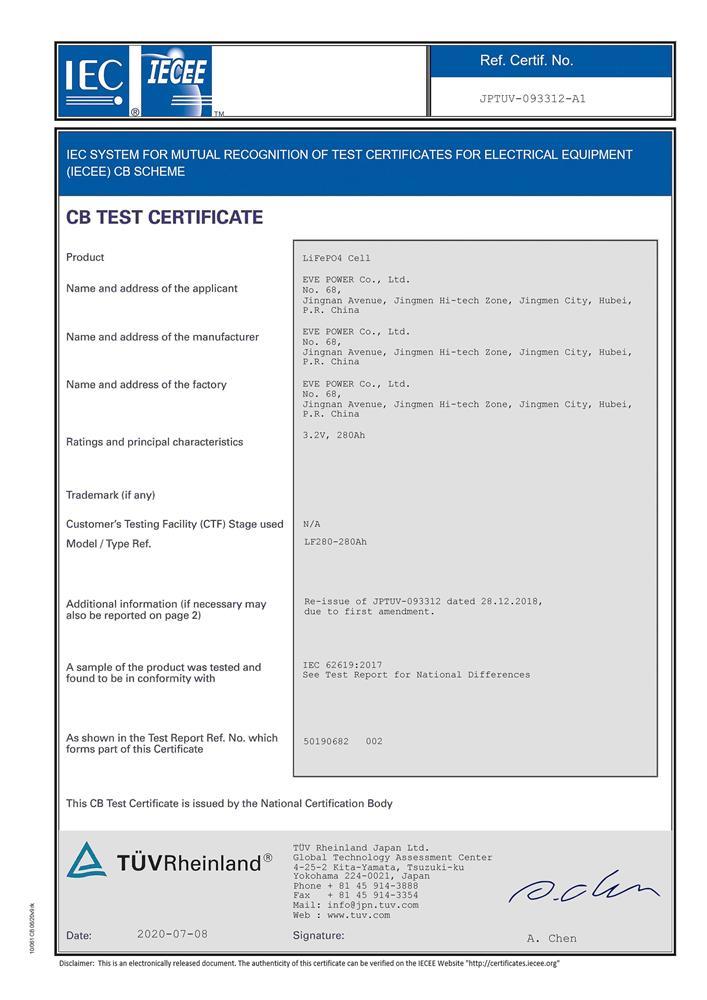
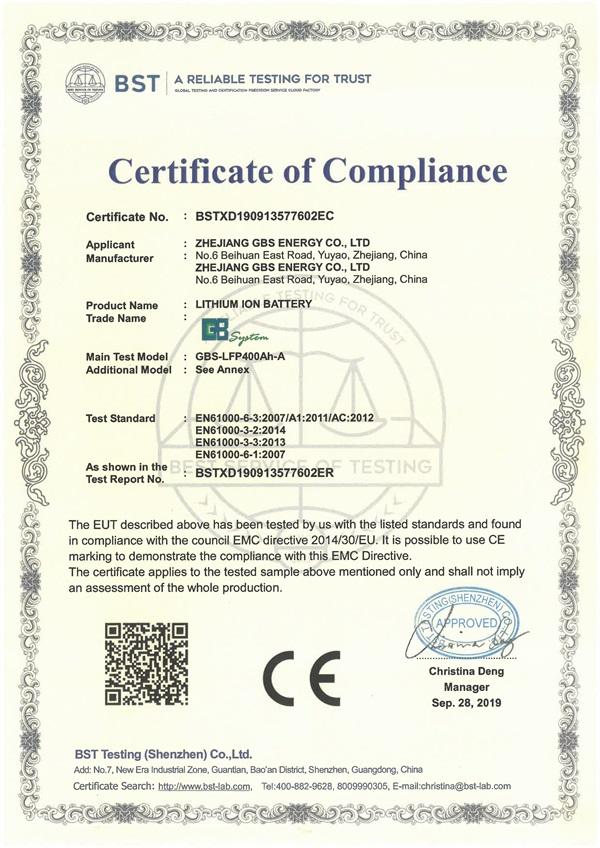
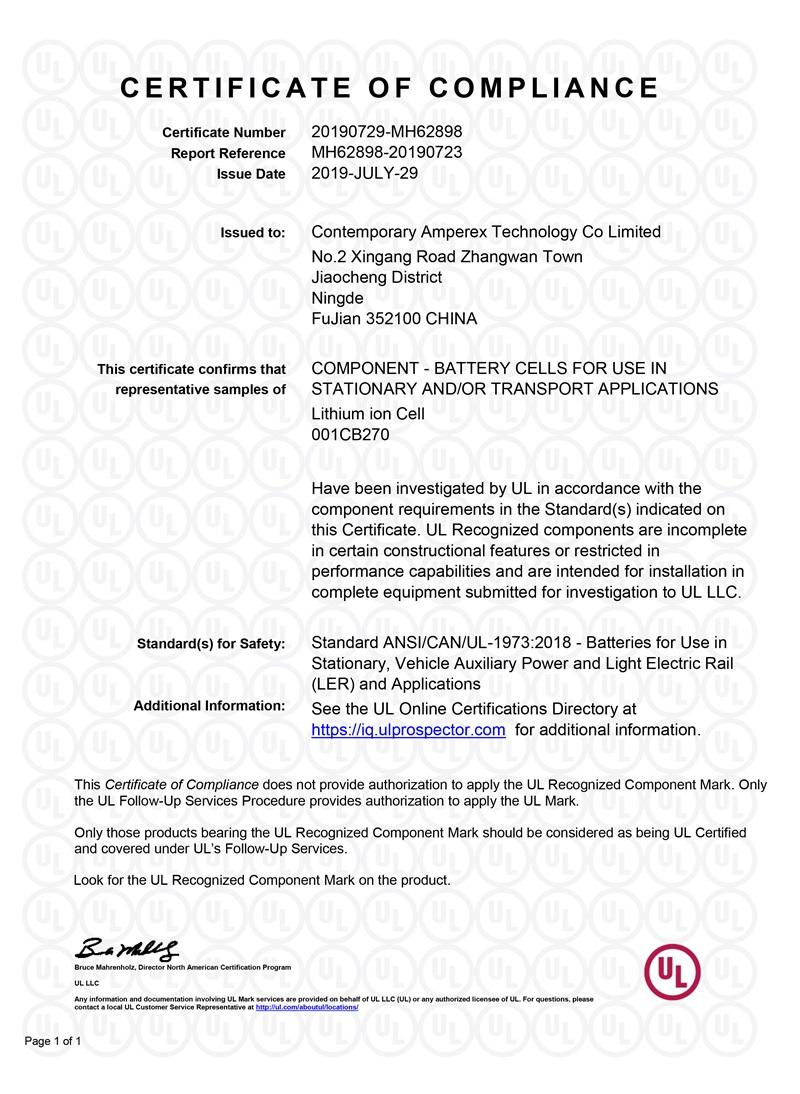
Certification
Customer Reviews
- I have fond memories of our meeting in Shanghai with LiFePO4 Battery Shop Elena. Your company left a strong impression on me with its impressive growth and professionalism. We both value straightforwardness and honesty, which I believe are the most important qualities in any partnership. I am confident that we can build a successful collaboration based on these shared values. —— Robert from USA
- I've been working with LiFePO4 Battery Shop for years, and their reliability is unmatched. While other suppliers frequently change sales teams, LiFePO4 Battery Shop has consistently provided exceptional service with a stable team. Their commitment to quality and customer support truly sets them apart. —— Henry from Australia