
Blog
4 Ways of RV Battery Charging: A Practical Guide for Reliable Power on the Road
2025-12-30 | Calvin
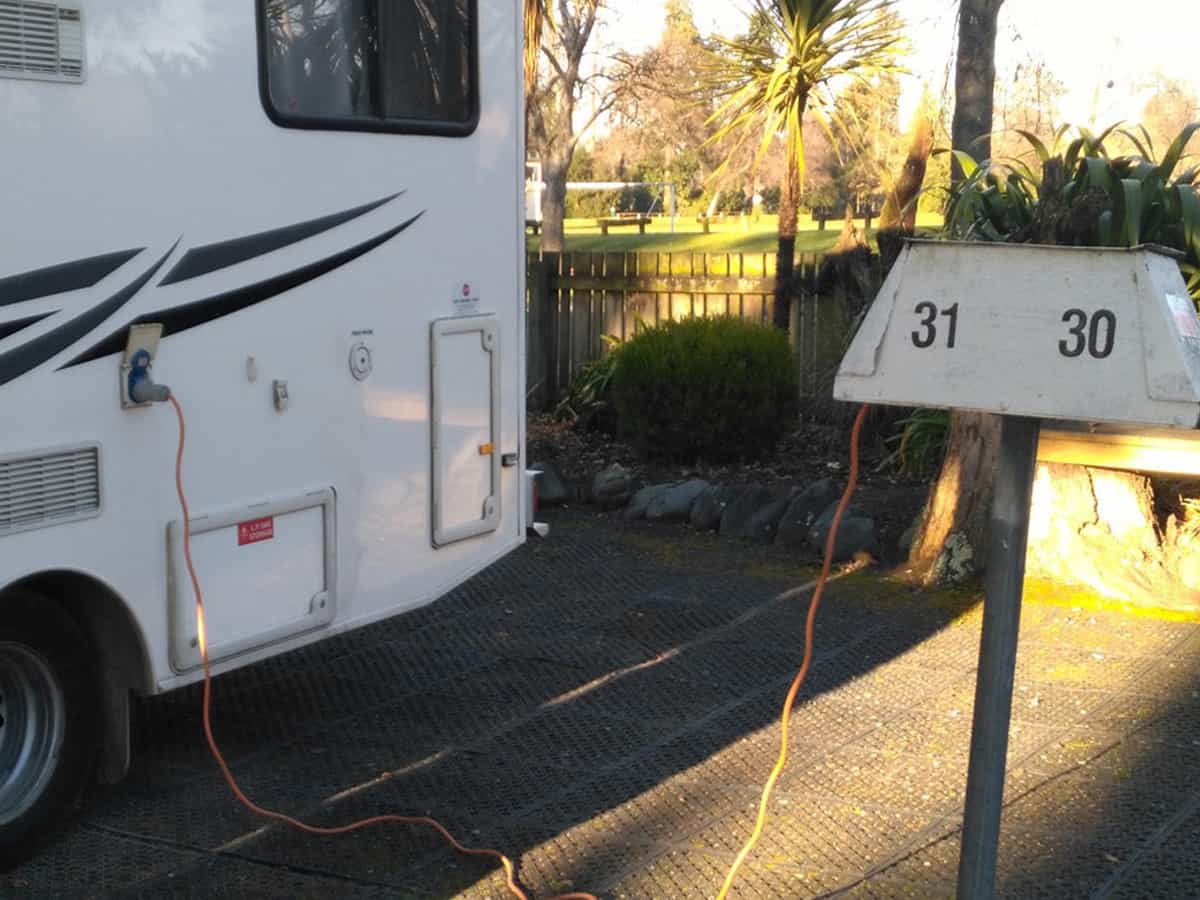
Reliable RV battery charging isn’t just a convenience—it’s the foundation of a smooth, stress-free journey. While the question “How do you charge RV batteries?” sounds simple, the real answer involves understanding battery types, power sources, and how different charging methods work together.
In this guide, we’ll break down the four most effective RV battery charging methods, explain their advantages and limitations, and help you choose the right setup for your travel style—whether you’re a weekend camper or a full-time RVer.
Understanding RV Battery Types
Before diving into charging methods, it’s important to understand that most RVs use two types of batteries:
- Starter Battery
Used exclusively to start the RV’s engine. It does not supply power to onboard appliances. - House (Energy Storage) Battery
Powers all RV systems, including lighting, refrigerators, water pumps, electronics, and other onboard equipment.
Both batteries gradually discharge during driving and daily use. Without a reliable charging strategy, power loss becomes inevitable—especially during extended trips or off-grid camping.
1. Solar Charging: Clean, Quiet, and Popular
Solar charging has become one of the most popular RV battery charging solutions in recent years—and for good reason.
Advantages of Solar Charging
- Environmentally friendly
Solar energy is clean and renewable, producing zero emissions during use. - Free energy source
As long as sunlight is available, your RV batteries can recharge without fuel or grid power. - Battery-friendly charging
Solar systems provide stable, low-stress charging, which can help extend battery lifespan. - Silent operation
No engine noise, no fumes—perfect for peaceful campsites and overnight stays.
Limitations to Consider
- Limited roof space
RV roofs restrict the number and size of solar panels, capping total power output. - Weather-dependent
Solar panels produce little to no energy at night or during heavy cloud cover. - Initial investment
A quality RV solar system can be costly upfront, making it less economical for infrequent travelers.
Best for: Off-grid camping, eco-conscious travelers, and RVers seeking quiet, long-term energy independence.
2. Shore Power Charging: Simple and Reliable When Available
Shore power charging is the most traditional and straightforward method of RV battery charging.
Why Shore Power Works Well
- Plug-and-play convenience
Just connect your RV to a power outlet at a campsite, RV park, or home. - Fast and stable charging
Provides consistent power regardless of weather or driving conditions.
Drawbacks
- Limited availability
Shore power is often unavailable in remote locations, wilderness areas, or boondocking sites. - Less flexibility
Your travel plans may become dependent on campsite access and infrastructure.
Best for: RV parks, campground stays, and short trips with guaranteed electrical hookups.
3. Fuel Generator Charging: Power Anytime, Anywhere
Fuel-powered generators have long been used to charge RV batteries, especially in remote environments.
Key Benefits
- High power output
Generators can quickly recharge batteries and run high-demand appliances. - Independent of sunlight or grid access
As long as fuel is available, power generation is possible.
Major Downsides
- Fuel cost and storage
Continuous fuel consumption increases travel expenses and adds weight. - Noise and emissions
Generators are loud and produce exhaust fumes, which can disrupt campsites and harm the environment. - Environmental impact
Fossil fuel use conflicts with the growing demand for sustainable travel solutions.
Best for: Emergency backup power or high-load usage when other charging methods aren’t available.
4. Driving (Alternator) Charging: Power While You Drive
Most modern RVs support charging through the vehicle’s alternator while driving.
How It Works
A DC-to-DC charger (often connected to the alternator) converts the engine’s kinetic energy into electrical power to recharge the house battery during travel.
Advantages
- Automatic charging
Batteries recharge whenever the RV is in motion. - No extra equipment required
Often included as part of the RV’s electrical system.
Limitations
- Limited charging capacity
Alternator charging alone usually can’t meet full energy demands. - No charging when parked
Once the engine stops, charging stops as well. - Efficiency varies
Charging output depends on driving conditions and engine speed.
Best for: Supplemental charging while traveling between destinations.
Smart RV Battery Charging: Combine Methods for Best Results
No single RV battery charging method is perfect. The most reliable setups combine multiple solutions to cover different scenarios.
For example:
- Solar + alternator charging for off-grid flexibility
- Shore power + solar for campground efficiency
- Generator as emergency backup when all else fails
By planning your charging strategy wisely and adjusting power usage based on real-world conditions, you can maintain stable energy levels and enjoy a worry-free RV experience.
Conclusion
RV battery charging isn’t about choosing one “best” method—it’s about building a balanced, reliable system that fits your travel habits. With proper planning and the right combination of charging options, you’ll never have to worry about running out of power on the road.
Want to learn more about RV batteries, charging systems, or energy storage solutions?
Explore our resources, browse our product pages, or contact our team for expert guidance tailored to your RV setup.
Reliable power means better journeys—and that’s what RV travel is all about.
- Next:12V vs 24V Electrical Systems for RVs: Which One Is Right for You?
- Previous:The Advantages of Lithium-Ion Batteries in Forklifts: A Smarter Power Choice for Modern Warehouses
Contact Details
Lithium LiFePO4 Batteries and Lithium LiFePO4 Cells Supplier - LiFePO4 Battery Shop
Contact Person: Miss. Elena Wang
WhatsApp : +8615263269227
Skype : +8615263269227
WeChat :15263269227
Email : info@lifepo4batteryshop.com
All Products
- Headway Lithium Battery (4)
- Blade Battery (8)
- Semi Solid State Battery (6)
- A123 Battery (5)
- Sinopoly Battery (7)
- GBS Battery (16)
- CALB Battery (22)
- Cylindrical Cell (6)
- Energy Storage System (0)
- Battery Management System (2)
- Sodium ion Battery Cell (4)
- Lithium Titanate Battery (20)
- Ternary Lithium Battery Cell (11)
- REPT Battery (10)
- BYD Battery (2)
- CATL Battery (14)
- Thunder Sky Winston Battery (21)
- EVE Battery (30)
- LiFePO4 Battery Cell (4)
Certification
Customer Reviews
- I have fond memories of our meeting in Shanghai with LiFePO4 Battery Shop Elena. Your company left a strong impression on me with its impressive growth and professionalism. We both value straightforwardness and honesty, which I believe are the most important qualities in any partnership. I am confident that we can build a successful collaboration based on these shared values. —— Robert from USA
- I've been working with LiFePO4 Battery Shop for years, and their reliability is unmatched. While other suppliers frequently change sales teams, LiFePO4 Battery Shop has consistently provided exceptional service with a stable team. Their commitment to quality and customer support truly sets them apart. —— Henry from Australia