
Blog
12V vs 24V Electrical Systems for RVs: Which One Is Right for You?
2025-12-27 | Calvin
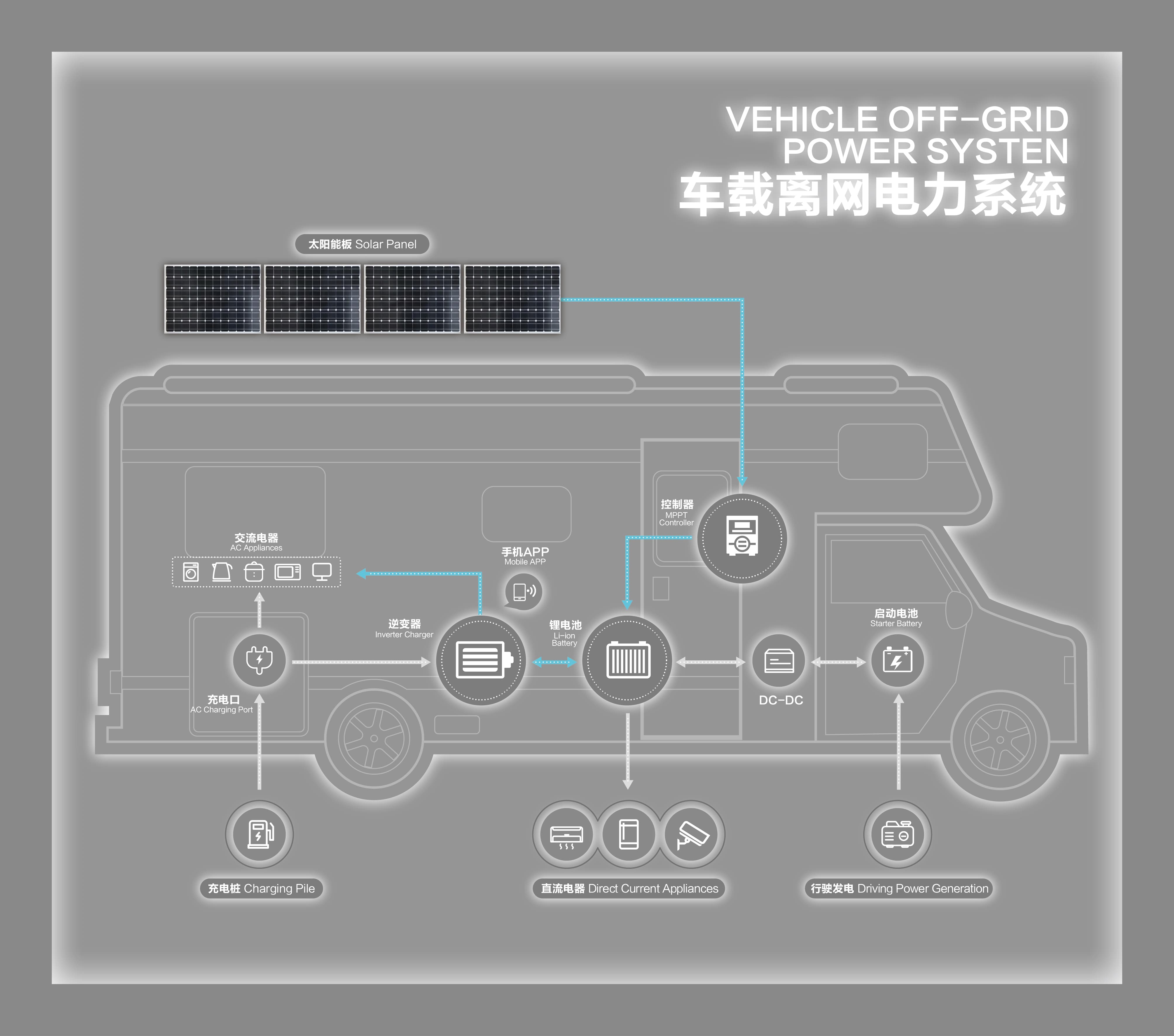
When it comes to RV electrical systems, the debate usually comes down to 12V system vs 24V system. Both are widely used, both are proven, and both have clear strengths and limitations. The real question isn’t which one is universally better—but which one fits your RV size, power demand, and future upgrade plans.
If you’re planning an RV build, upgrade, or battery replacement, understanding the difference between 12V and 24V systems will help you make a smarter, safer, and more efficient decision.
What’s the Core Difference Between 12V and 24V Systems?
The most obvious difference is voltage, but the impact goes far beyond numbers.
Voltage determines how much current (amps) is required to deliver the same power. According to basic electrical principles:
Power (W) = Voltage (V) × Current (A)
This means:
- Lower voltage → higher current
- Higher current → more heat, thicker cables, and higher energy loss
That single equation explains most of the real-world performance differences between 12V and 24V RV systems.
12V RV Electrical System: Proven, Compatible, and Simple
The 12V system is the most common electrical standard in RVs—and for good reason. Cars, vans, boats, and countless consumer electronics are designed around 12 volts.
Advantages of a 12V System
- Excellent compatibility
Most RV appliances—lights, water pumps, fans, control boards, and refrigerators—are designed for 12V. - Easy installation and maintenance
Parts are widely available, and technicians are familiar with the system. - Compact battery size
12V batteries are generally smaller, making them ideal for Class B vans, pop-up campers, and compact RVs. - Lower upfront cost
Chargers, DC appliances, and accessories tend to be cheaper.
Limitations of a 12V System
- Higher current at higher loads
As power demand increases, current rises sharply, leading to:- More heat
- Higher cable losses
- Reduced system efficiency
- Less ideal for large inverters
Running high-wattage appliances (air conditioners, induction cooktops) requires very thick cables and robust protection.
In short, a 12V RV system works perfectly for light to moderate power needs, but it starts to struggle as electrical demand grows.
24V RV Electrical System: Efficient and Future-Oriented
The 24V system is increasingly popular in modern RVs, especially those with solar power systems, lithium batteries, and large inverters.
Advantages of a 24V System
- Lower current, higher efficiency
At the same power level, a 24V system carries half the current of a 12V system. This results in:- Less heat generation
- Lower resistance losses
- Improved overall efficiency
- Reduced wiring cost and weight
Thinner cables can safely handle the load, which matters in larger RVs. - Better performance for inverters and motors
Many high-power inverters operate more efficiently at 24V. - Ideal for solar setups
Solar charge controllers and lithium battery systems often perform better at higher voltages.
These benefits make 24V systems especially attractive for Class A motorhomes, fifth wheels, and off-grid RVs with heavy power consumption.
Limitations of a 24V System
- Lower direct compatibility with 12V devices
Most RV appliances are still 12V-based. - Requires DC-DC converters
A step-down converter is usually needed to power lighting, control systems, and other 12V loads. - Slightly higher initial complexity
System design requires more planning, though operation is straightforward once installed.
12V vs 24V RV Systems: Quick Comparison
| Feature | 12V System | 24V System |
|---|---|---|
| Compatibility | Excellent | Moderate |
| Efficiency | Lower at high loads | Higher |
| Wiring size | Thicker cables | Thinner cables |
| Best for | Small to mid-size RVs | Large RVs & solar setups |
| Upgrade potential | Limited | Strong |
| Inverter performance | Adequate | Superior |
Which RV Electrical System Should You Choose?
There’s no one-size-fits-all answer—but the decision becomes clear when you look at RV size and power usage.
Choose a 12V System If:
- You own a Class B, pop-up camper, or small travel trailer
- Your electrical needs are basic (lights, fridge, water pump)
- You want simplicity and maximum compatibility
- Space and weight are limited
Choose a 24V System If:
- You own a Class A motorhome or fifth wheel
- You use high-power appliances regularly
- You run a large inverter or solar battery system
- You want higher efficiency and future scalability
Many modern RV builders and experienced off-grid users are moving toward 24V—or even 48V—systems for better long-term performance.
Battery Choice Matters: Why LiFePO4 Is a Smart Upgrade
Regardless of voltage, battery chemistry plays a critical role. Pairing a 24V system with LiFePO4 batteries (Lithium Iron Phosphate batteries) offers major advantages:
- Longer lifespan (3–5× longer than lead-acid)
- Higher usable capacity
- Faster charging
- Improved safety and thermal stability
- Lighter weight—critical for RVs
This combination delivers a cleaner, more reliable, and more efficient power experience on the road.
Conclusion
Both 12V and 24V RV electrical systems have their place. The 12V system remains the industry standard for smaller RVs, while 24V systems are quickly becoming the preferred choice for larger, power-hungry setups.
Instead of asking which system is “better,” ask:
- How much power do I really need?
- How large is my RV?
- Do I plan to expand my electrical system in the future?
Answer those, and the right choice becomes obvious.
- Next:How to Choose the Best LiFePO4 Battery for Your Needs
- Previous:4 Ways of RV Battery Charging: A Practical Guide for Reliable Power on the Road
Contact Details
Lithium LiFePO4 Batteries and Lithium LiFePO4 Cells Supplier - LiFePO4 Battery Shop
Contact Person: Miss. Elena Wang
WhatsApp : +8615263269227
Skype : +8615263269227
WeChat :15263269227
Email : info@lifepo4batteryshop.com
All Products
- Headway Lithium Battery (2)
- Blade Battery (8)
- Semi Solid State Battery (6)
- A123 Battery (5)
- Sinopoly Battery (7)
- GBS Battery (16)
- CALB Battery (22)
- Cylindrical Cell (6)
- Energy Storage System (0)
- Battery Management System (2)
- Sodium ion Battery Cell (4)
- Lithium Titanate Battery (20)
- Ternary Lithium Battery Cell (11)
- REPT Battery (10)
- BYD Battery (2)
- CATL Battery (14)
- Thunder Sky Winston Battery (21)
- EVE Battery (30)
- LiFePO4 Battery Cell (4)
Certification
Customer Reviews
- I have fond memories of our meeting in Shanghai with LiFePO4 Battery Shop Elena. Your company left a strong impression on me with its impressive growth and professionalism. We both value straightforwardness and honesty, which I believe are the most important qualities in any partnership. I am confident that we can build a successful collaboration based on these shared values. —— Robert from USA
- I've been working with LiFePO4 Battery Shop for years, and their reliability is unmatched. While other suppliers frequently change sales teams, LiFePO4 Battery Shop has consistently provided exceptional service with a stable team. Their commitment to quality and customer support truly sets them apart. —— Henry from Australia