
Blog
3.7V Rechargeable Battery Guide
2026-01-22 | Calvin
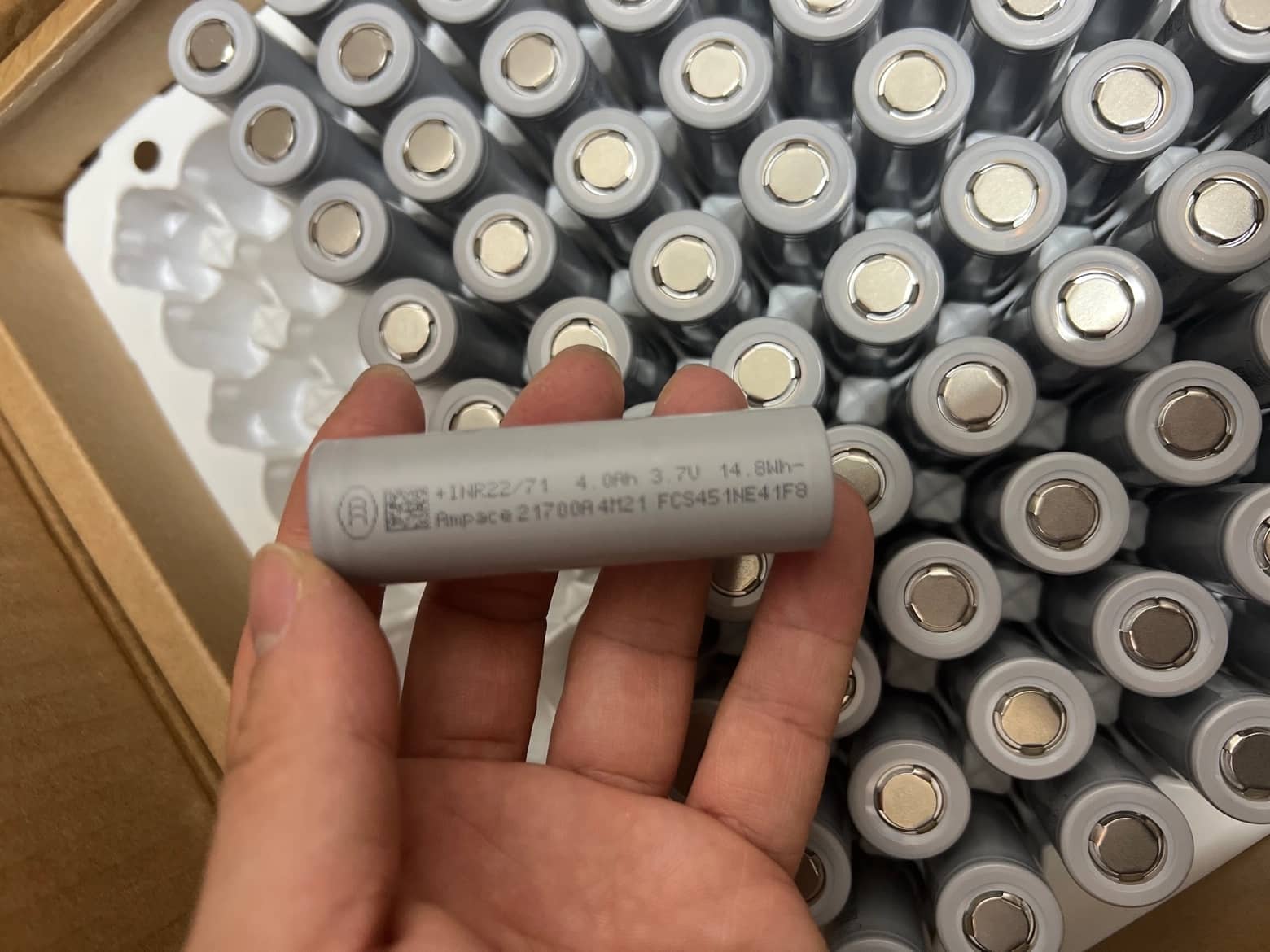
Table of Contents
- What is a 3.7V rechargeable battery?
- 3.7V battery types (Li-ion vs Li-Po)
- 3.7V battery sizes (18650, 14500, 26650, LiPo packs)
- What are 3.7V batteries used for?
- Are all 3.7V batteries rechargeable?
- 3.7V charging voltage behavior (CC/CV)
- When is a 3.7V battery “dead”?
- How long does a 3.7V battery last?
- Choosing a 3.7V battery charger
- How to recharge a 3.7V battery safely
- Temperature effects on 3.7V batteries
- How to choose the right 3.7V rechargeable battery
- Storage best practices
- Recycling and disposal
Part 1. What Is a 3.7V Rechargeable Battery?
A 3.7V rechargeable battery usually refers to a lithium-ion (Li-ion) or lithium-polymer (Li-Po) cell with a nominal voltage around 3.6–3.7V. These batteries are popular because they offer high energy density, low weight, and good cycle life when used correctly.
The basic structure (what’s inside)
- Anode (negative electrode): commonly graphite
- Cathode (positive electrode): typically a lithium metal oxide (varies by chemistry)
- Electrolyte: lithium salt in organic solvent for ion transport
- Separator: prevents short circuits while allowing ion flow
Part 2. 3.7V Rechargeable Battery Types
1) 3.7V Lithium-Ion (Li-ion)
- Most common type used in electronics
- Typically comes in cylindrical formats (like 18650)
- Strong balance of capacity, durability, and availability
2) 3.7V Lithium-Polymer (Li-Po)
- Often used where shape and weight matter
- Common in drones, RC devices, slim consumer products
- Usually sold as pouch cells/packs (many sizes)
Part 3. 3.7V Rechargeable Battery Sizes
Because Li-Po pouch cells are frequently customized, they don’t have one universal sizing system. Cylindrical Li-ion cells, however, follow standardized naming (diameter + length).
Common Li-Po (pouch) examples
Sizes vary by manufacturer and design, but you may see typical ranges like:
- 500mAh: compact pouch formats
- 1000mAh: slightly thicker/wider
- 2200mAh: common for hobby packs
(Exact dimensions depend on the pack design, tabs, protection circuit, and enclosure.)
Common cylindrical Li-ion sizes
- 18650: 18mm × 65mm (very common)
- 26650: 26mm × 65mm (higher capacity / higher drain options)
- 14500: 14mm × 50mm (AA-sized form factor)
Tip: Size alone doesn’t guarantee performance—capacity (mAh/Wh), discharge rating, and protection/BMS matter just as much.
Part 4. What Are 3.7V Batteries Used For?
3.7V lithium cells power many everyday and professional products, including:
- Consumer electronics: phones, tablets, cameras, Bluetooth devices
- Portable devices: flashlights, handheld tools, portable testers
- Hobby & mobility: drones, RC systems, DIY battery packs
- Medical & industrial portable gear: devices needing stable, lightweight power
Part 5. Are All 3.7V Batteries Rechargeable?
No. Some batteries near this voltage range are primary (non-rechargeable) and intended for single use. Always confirm the label and datasheet: “rechargeable Li-ion/Li-Po” vs primary lithium.
Part 6. 3.7V Battery Charging Voltage Change (CC/CV Explained)
Most 3.7V Li-ion/Li-Po cells use a CC/CV charging profile:
Stage 1: Constant Current (CC)
- Charger applies a controlled current
- Cell voltage rises gradually (from low state toward full)
Stage 2: Constant Voltage (CV)
- Charger holds a target voltage (often 4.2V for many 3.7V Li-ion/Li-Po cells)
- Current tapers down until the battery is “full”
Safety note: Do not exceed the specified charging voltage for your exact cell type. Over-voltage charging can reduce lifespan and create safety risks.
LFP contrast (for clarity): LFP cells typically use different nominal and full-charge voltages than 3.7V Li-ion/Li-Po. Mixing chargers across chemistries is a common cause of failures.
Part 7. At What Voltage Is a 3.7V Battery “Dead”?
A 3.7V lithium cell is often considered critically low when it drops to around ~3.0V (exact cutoffs depend on the cell and protection circuit). Deep discharge can:
- permanently reduce capacity
- increase internal resistance
- trigger protection lockouts (in protected packs)
Best practice: avoid frequent deep discharges; recharge before it gets too low.
Part 8. How Long Does a 3.7V Battery Last?
Battery life depends on:
- cell quality
- charge/discharge rate
- temperature
- depth of discharge
- charging habits
Typical cycle-life ranges (general guidance):
- Li-ion: often a few hundred full cycles under typical conditions
- Li-Po: often somewhat lower depending on use intensity and pack design
For real engineering decisions, rely on the manufacturer’s datasheet and the test conditions used.
Part 9. 3.7V Battery Charger Options
Common charger types include:
- Dedicated Li-ion/Li-Po chargers (best for correctness and safety)
- USB-powered chargers (convenient for small packs and consumer devices)
- Universal chargers (work for many sizes, but must match chemistry settings)
What matters most: the charger must match your chemistry and charge termination voltage, and ideally include proper protections.
Part 10. How to Recharge a 3.7V Battery Safely
Follow these safety-first steps:
- Use the correct charger for the exact battery chemistry (Li-ion vs Li-Po)
- Inspect the battery: do not charge if swollen, leaking, corroded, or physically damaged
- Confirm polarity and correct seating in the charger
- Charge on a stable, non-flammable surface with ventilation
- Avoid overcharging: stop at full charge; don’t push beyond spec
- Avoid heat build-up: discontinue if the pack becomes abnormally hot
- Store correctly if not used soon (see Storage section)
(This is general safety guidance—not a replacement for product-specific datasheets.)
Part 11. Temperature Effects on 3.7V Batteries
Temperature strongly affects both performance and lifespan:
- High temperatures: accelerate degradation and can increase safety risk
- Low temperatures: reduce available capacity and output power
- Practical recommendation: keep batteries within the manufacturer’s stated operating range and avoid charging in extreme cold/heat unless the battery system is designed for it.
Part 12. How to Choose the Right 3.7V Rechargeable Battery
Use this expert checklist:
Key selection factors
- Chemistry match: Li-ion vs Li-Po (and don’t confuse with LFP 3.2V)
- Capacity: mAh and Wh (Wh matters more for energy)
- Discharge requirement: can it handle your device’s peak current?
- Protection: protected vs unprotected cells, BMS/PCM requirements
- Quality and traceability: reputable manufacturer, consistent specs, datasheet availability
- Form factor: 18650/14500/26650 vs custom Li-Po pouch
Common buyer mistakes
- Choosing by “3.7V” label alone (ignores chemistry differences)
- Using the wrong charger voltage profile
- Ignoring discharge current requirements (causes overheating or early failure)
Part 13. Storage Best Practices
To extend battery life:
- Store at ~40–60% charge (reduces stress during storage)
- Keep in a cool, dry place, away from sunlight and moisture
- Avoid long-term storage at 100% charge or near-empty
- Check periodically and recharge gently if the battery drops too low
Part 14. Recycling and Disposal
Recycling lithium batteries protects the environment and reduces waste:
- Do not dispose of lithium batteries in regular trash
- Tape terminals to reduce short-circuit risk during transport
- Use approved recycling drop-off points or local recycling programs
Recycling helps recover valuable materials and prevents improper disposal hazards.
FAQ
1) Is a 3.7V battery always lithium-ion?
Most of the time, yes—“3.7V rechargeable” typically refers to Li-ion or Li-Po, but always verify the label and datasheet.
2) What is the full charge voltage of a 3.7V Li-ion/Li-Po battery?
Many common 3.7V cells charge to 4.2V, but this can vary by specific cell design. Always follow the manufacturer’s specs.
3) What voltage should I stop discharging a 3.7V battery?
Many systems cut off near ~3.0V to protect the cell, but your device/BMS may use a different threshold.
4) Can I use a 3.7V charger on an LFP (3.2V) battery?
No—chemistry mismatch is risky. LFP typically requires different voltage limits and charging behavior.
5) Which is better: Li-Po or Li-ion for a 3.7V battery?
Li-Po is great for thin or custom shapes; cylindrical Li-ion is often preferred for standardized packs and widely available sizes. The best choice depends on device design and current demand.
- Next:LiFePO4 Battery Cable Sizing Guide: Optimizing Performance and Safety
- Previous:Everything You Need to Know About Bad Battery Cells
Contact Details
Lithium LiFePO4 Batteries and Lithium LiFePO4 Cells Supplier - LiFePO4 Battery Shop
Contact Person: Miss. Elena Wang
WhatsApp : +8615263269227
Skype : +8615263269227
WeChat :15263269227
Email : info@lifepo4batteryshop.com
All Products
- TC Elcon Charger (0)
- Headway Lithium Battery (6)
- Blade Battery (9)
- Semi Solid State Battery (6)
- A123 Battery (5)
- Sinopoly Battery (7)
- GBS Battery (16)
- CALB Battery (23)
- Cylindrical Cell (7)
- Energy Storage System (0)
- Battery Management System (5)
- Sodium ion Battery Cell (4)
- Lithium Titanate Battery (20)
- Ternary Lithium Battery Cell (11)
- REPT Battery (10)
- BYD Battery (2)
- CATL Battery (15)
- Thunder Sky Winston Battery (21)
- EVE Battery (30)
- LiFePO4 Battery Cell (6)
Certification
Customer Reviews
- I have fond memories of our meeting in Shanghai with LiFePO4 Battery Shop Elena. Your company left a strong impression on me with its impressive growth and professionalism. We both value straightforwardness and honesty, which I believe are the most important qualities in any partnership. I am confident that we can build a successful collaboration based on these shared values. —— Robert from USA
- I've been working with LiFePO4 Battery Shop for years, and their reliability is unmatched. While other suppliers frequently change sales teams, LiFePO4 Battery Shop has consistently provided exceptional service with a stable team. Their commitment to quality and customer support truly sets them apart. —— Henry from Australia