
Blog
How to Choose the Best LiFePO4 Battery for Your Needs
2025-12-24 | Calvin
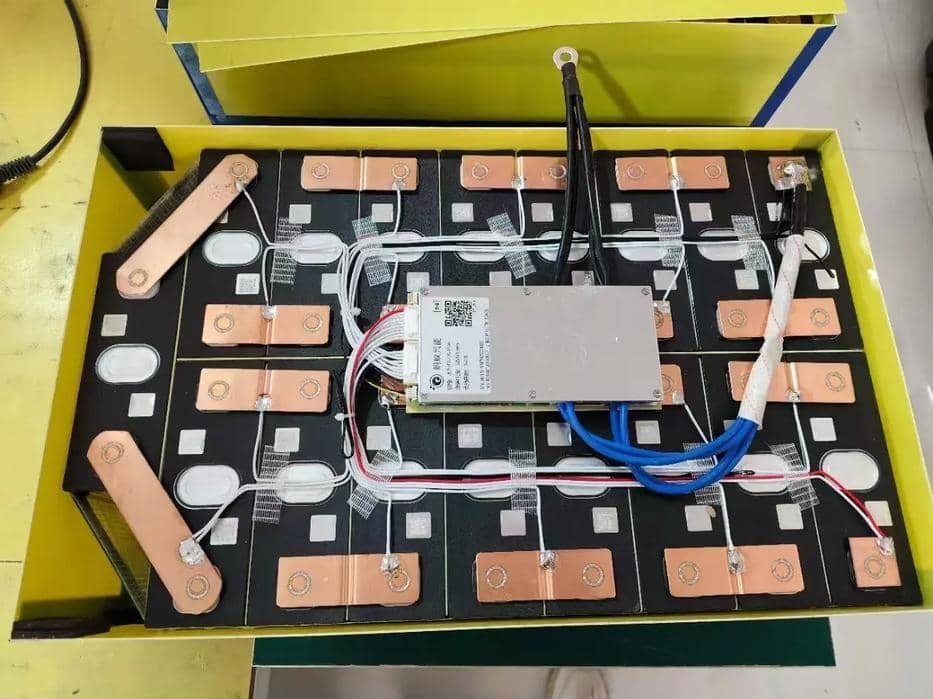
Choosing the right battery is not just a technical decision—it's an investment in performance, safety, and long-term reliability. Whether you're powering an RV, marine system, backup power setup, or off-grid application, LiFePO4 batteries (Lithium Iron Phosphate) have become the go-to choice for modern energy storage.
But here's the thing: not all LiFePO4 batteries are created equal. While the specifications may look similar on paper, real-world performance can vary greatly. Let's break down the key factors so you can confidently choose the best LiFePO4 battery for your needs.
What Is a LiFePO4 Battery?
A LiFePO4 battery is a type of lithium-ion battery that uses lithium iron phosphate as the cathode material. Compared to traditional lithium-ion chemistries (like NMC or LCO), LiFePO4 stands out for its:
- Long cycle life (often 3,000–6,000+ cycles)
- High thermal and chemical stability
- Improved safety with a lower risk of thermal runaway
- Lower environmental impact
- Stable voltage output
Thanks to these advantages, LiFePO4 batteries are widely used in RV systems, marine applications, solar energy storage, camping setups, and backup power solutions.
Key Types and Specifications of LiFePO4 Batteries
Before purchasing, it's important to understand the key specifications of LiFePO4 batteries. Here are the most critical factors to consider when comparing different models.
1. Battery Capacity (Ah / Wh)
Capacity indicates how much energy a battery can store and deliver.
- Measured in ampere-hours (Ah) or watt-hours (Wh)
- Higher capacity = longer runtime
- Typical operating efficiency: about 80% usable capacity at 1C discharge rate and 25°C
LiFePO4 batteries range from small-capacity cells (a few Ah) to large-format batteries exceeding hundreds of Ah, depending on the application.
2. Battery Voltage (V)
Voltage indicates the electrical potential the battery can provide.
- Nominal voltage per LiFePO4 cell: 3.2V
- Fully charged voltage: ~3.65V per cell
- Common system voltages: 12V, 24V, 36V, 48V
Voltage increases by connecting cells in series, which is common in solar and industrial energy systems.
3. Discharge Rate (C-Rate)
The discharge rate defines how quickly a battery can deliver its stored energy.
- 1C = full discharge in 1 hour
- Typical LiFePO4 ratings:
- Continuous discharge: up to 3C
- Peak discharge: up to 10C (short bursts)
4. Battery Size and Form Factor
LiFePO4 batteries come in various physical designs:
- Cylindrical
- Prismatic
- Pouch cells
How to Choose the Right LiFePO4 Battery for Your Application
To select the best battery, you need to match it to your power requirements and energy usage time.
Step 1: Calculate Required Capacity
Formula:
Required Capacity (Ah) = Energy Requirement (Wh) ÷ Nominal Voltage (V)
Example: A 100W device running for 10 hours needs:
- Energy = 100W × 10h = 1000Wh
- Using a 12V system:
- Required capacity ≈ 83Ah
Step 2: Determine Required Voltage
The voltage must meet your system’s needs without exceeding safe current limits. Since LiFePO4 cells are 3.2V each, the system voltage must be a multiple of this value.
Step 3: Configure Cell Series and Parallel Count
Series (S): increases voltage
Parallel (P): increases capacity
For example, if one cell is 10Ah at 3.2V, and you need ~90Ah at 12V, the configuration would be:
- 4S (to reach ~12.8V)
- 9P (to reach ~90Ah)
Critical Factors to Consider Before Buying a LiFePO4 Battery
Beyond the specifications, several practical factors influence real-world performance.
Battery Quality and Certifications
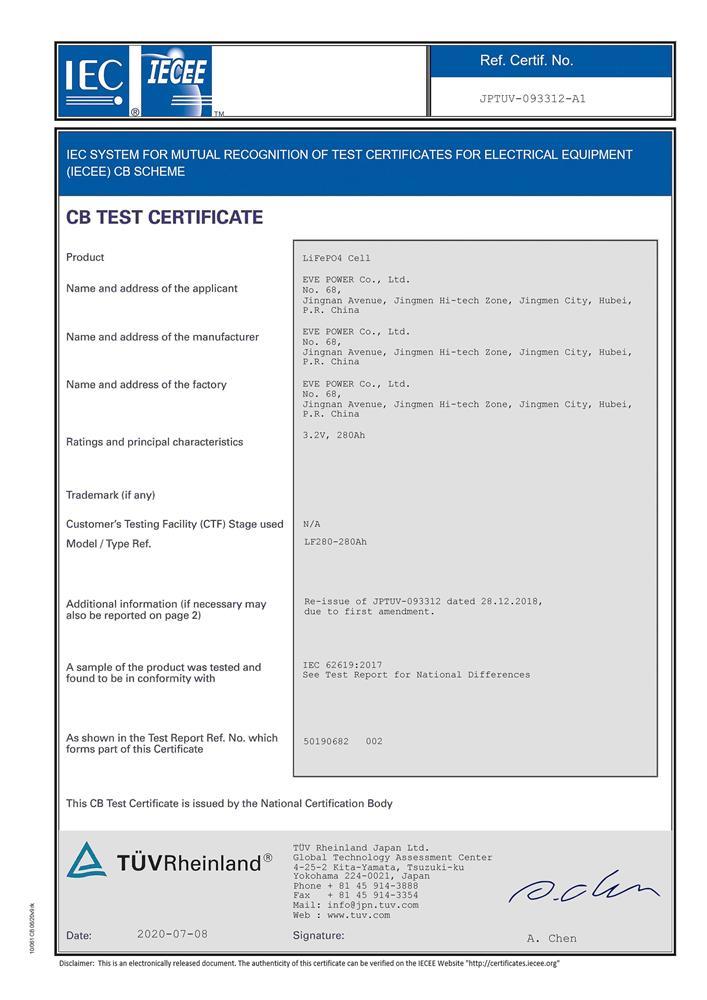
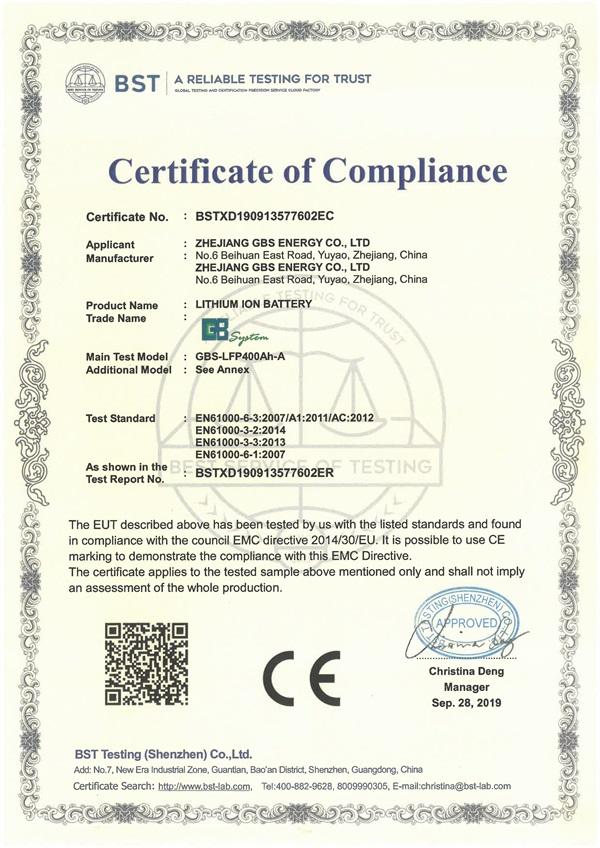
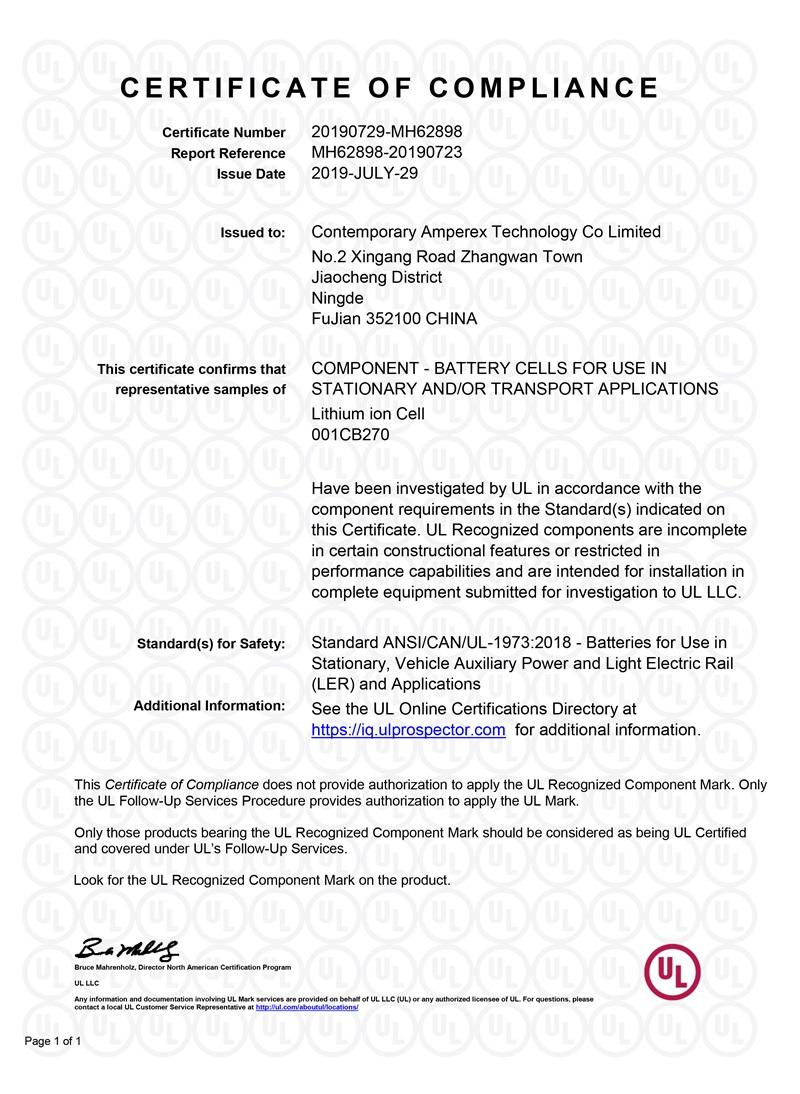
High-quality LiFePO4 batteries use Grade A cells, precise manufacturing, and rigorous testing. Look for certifications such as:
- CE
- UN38.3
- IEC
- UL (where applicable)
Warranty and Lifespan
A reliable LiFePO4 battery typically comes with:
- 5–10 years warranty
- Guaranteed cycle life (often 3,000+ cycles at 80% DOD)
Price vs. Long-Term Value
While LiFePO4 batteries may cost more upfront than lead-acid alternatives, their total cost of ownership is much lower due to:
- Longer lifespan
- Higher usable capacity
- Minimal maintenance
- Better efficiency
System Compatibility
Ensure the battery is compatible with:
- Your inverter or charger
- Existing voltage system
- BMS (Battery Management System) requirements
- Connector type and polarity
Conclusion
Choosing the best LiFePO4 battery is not about buying the biggest or cheapest option. It’s about selecting the right balance of capacity, voltage, quality, and compatibility for your application. When chosen correctly, a LiFePO4 battery provides years of reliable, safe, and efficient power.
If you're considering upgrading your energy system or need expert guidance tailored to your specific needs, now is the perfect time to explore your options.
- Next:Why LiFePO4 Batteries Are the Future of Electric Vehicles
- Previous:12V vs 24V Electrical Systems for RVs: Which One Is Right for You?
Contact Details
Lithium LiFePO4 Batteries and Lithium LiFePO4 Cells Supplier - LiFePO4 Battery Shop
Contact Person: Miss. Elena Wang
WhatsApp : +8615263269227
Skype : +8615263269227
WeChat :15263269227
Email : info@lifepo4batteryshop.com
All Products
- Blade Battery (8)
- Semi Solid State Battery (6)
- A123 Battery (5)
- Sinopoly Battery (7)
- GBS Battery (16)
- CALB Battery (22)
- Cylindrical Cell (6)
- Energy Storage System (0)
- Battery Management System (2)
- Sodium ion Battery Cell (4)
- Lithium Titanate Battery (20)
- Ternary Lithium Battery Cell (11)
- REPT Battery (9)
- BYD Battery (2)
- CATL Battery (14)
- Thunder Sky Winston Battery (21)
- EVE Battery (29)
- LiFePO4 Battery Cell (4)
Certification
Customer Reviews
- I have fond memories of our meeting in Shanghai with LiFePO4 Battery Shop Elena. Your company left a strong impression on me with its impressive growth and professionalism. We both value straightforwardness and honesty, which I believe are the most important qualities in any partnership. I am confident that we can build a successful collaboration based on these shared values. —— Robert from USA
- I've been working with LiFePO4 Battery Shop for years, and their reliability is unmatched. While other suppliers frequently change sales teams, LiFePO4 Battery Shop has consistently provided exceptional service with a stable team. Their commitment to quality and customer support truly sets them apart. —— Henry from Australia