News
In 2026, Sodium-Ion Batteries Accelerate Toward the ¥0.4/Wh Era
2026-06-02 | Calvin
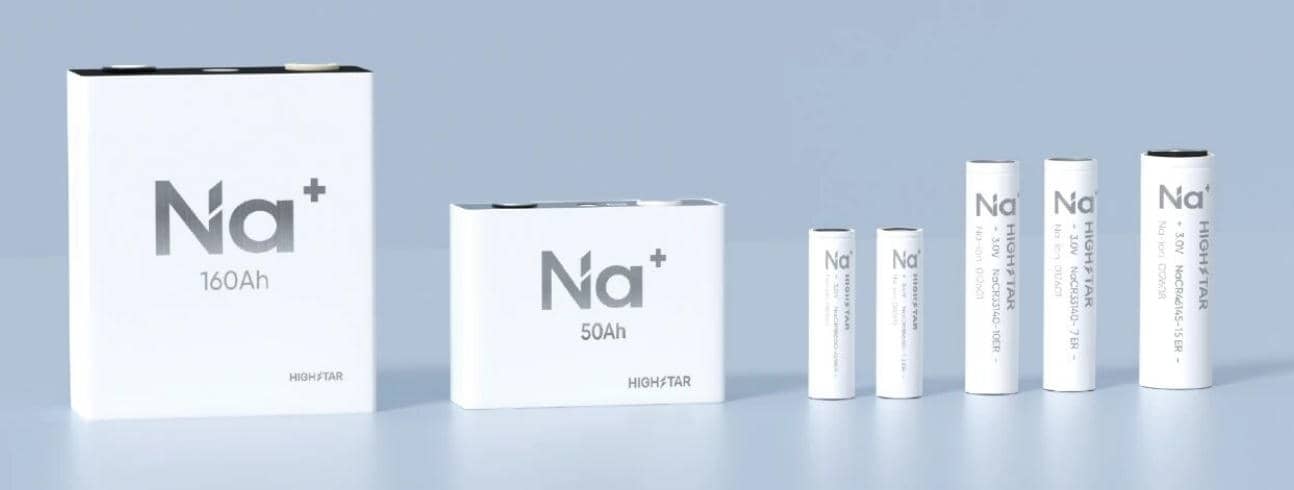
The cost reduction in sodium-ion battery manufacturing has finally caught up with advances in materials.
As more than 10 leading battery companies officially announce their entry into the sodium-ion battery sector, manufacturing costs are being further diluted. Several companies have stated that sodium-ion battery costs are expected to enter the ¥0.4/Wh era this year.
Behind the breakthrough below the ¥0.4/Wh threshold lies the rollout of GWh-scale production capacity by multiple companies.
CATL was the first to complete the upgrade of its 25GWh sodium-ion battery production line. Shortly afterward, Gotion High-Tech announced the completion of a highly automated GWh-scale production line, with mass production expected to begin in the fourth quarter of this year.
EVE Energy also revealed in its investor relations report that it plans to achieve large-scale delivery of sodium-ion batteries this year and build 2GWh of sodium-ion battery production capacity by 2027.
Recently, Jin Zheyu, Chairman of Yuheng Battery, stated in an interview with GGII that the company’s 71173 prismatic sodium-ion batteries are operating at full production capacity this year and are expected to achieve GWh-level shipments. He also boldly predicted that sodium-ion battery costs could fall to as low as ¥0.37/Wh next year.
This wave of sodium-ion battery capacity expansion is not merely isolated production line additions by individual companies targeting niche markets. Instead, it represents a comprehensive push by both lithium battery giants and emerging players across all application scenarios.
The industry currently considers annual sodium-ion battery shipments of 7–10GWh to be a relatively reasonable range.
First, large orders do not necessarily translate into immediate volume growth. The impact of CATL’s three-year, 60GWh sodium-ion battery order signed with HyperStrong on this year’s overall sodium-ion battery shipments remains to be seen.
Second, the parallel development of multiple application segments has strengthened industry confidence in sodium-ion battery shipments. In addition to the certainty of energy storage demand, start-stop and starter battery applications are also expected to support more than 1GWh of shipments this year, while specialty applications and light electric mobility will contribute additional volumes.
Some industry observers believe that if CATL and automakers accelerate the commercialization of sodium-ion batteries in passenger vehicles and light commercial vehicles, shipments could easily surpass energy storage, which is currently the dominant application segment for sodium-ion batteries.
Therefore, the accelerated cost reduction in sodium-ion battery manufacturing is not only benefiting from the market opportunities brought by full-scenario electrification, but also from the strong commitment of battery manufacturers entering the sector.
Looking upstream, cost reductions in cathode materials over the past two years have already accounted for the majority of overall sodium-ion battery cost declines.
Since last year, the industry has also promoted NFPP as the mainstream technology route, with the entire sector aligning around a clearer development direction.
The commissioning of multiple 10,000-ton-scale production lines has enabled NFPP cost reductions to outpace other technological pathways.
Industry data shows that by the end of 2025, the price of NFPP cathode materials had already fallen below ¥30,000 per ton, with some companies targeting ¥20,000 per ton. Jiana Energy, for example, aims to reduce the price of its NFPP cathode materials to below ¥20,000 per ton.
However, due to the impact of Middle East conflicts earlier this year, rising prices in the chemical industry may be offsetting the cost reductions achieved in sodium-ion cathode materials. In addition, increases in the prices of auxiliary materials such as separators and electrolytes are also affecting battery BOM (Bill of Materials) costs.
As a result, cost reductions in sodium-ion battery manufacturing are expected to take over as the primary driver of further overall cost declines following the reductions achieved in cathode materials.
In the next stage, once sodium-ion anode production capacity is fully released, sodium-ion battery cost reductions will truly move toward comprehensive optimization across both manufacturing and BOM components, accelerating the arrival of the ¥0.4/Wh era.
- Next: 2026 Battery Technology Roadmap: LFP Holds the Fort, Solid-State Charges Ahead, Sodium-Ion Secures Its Position
- Previous: CATL Chief Scientist Wu Kai: Sodium-ion Batteries to Enter Mass Production This Year; Lithium-Air Batteries Seen as Next-Generation Focus
Contact Details
Lithium LiFePO4 Batteries and Lithium LiFePO4 Cells Supplier - LiFePO4 Battery Shop
Contact Person: Miss. Elena Wang
WhatsApp : +8615263269227
Skype : +8615263269227
WeChat : 15263269227
Email : info@lifepo4batteryshop.com
All Products
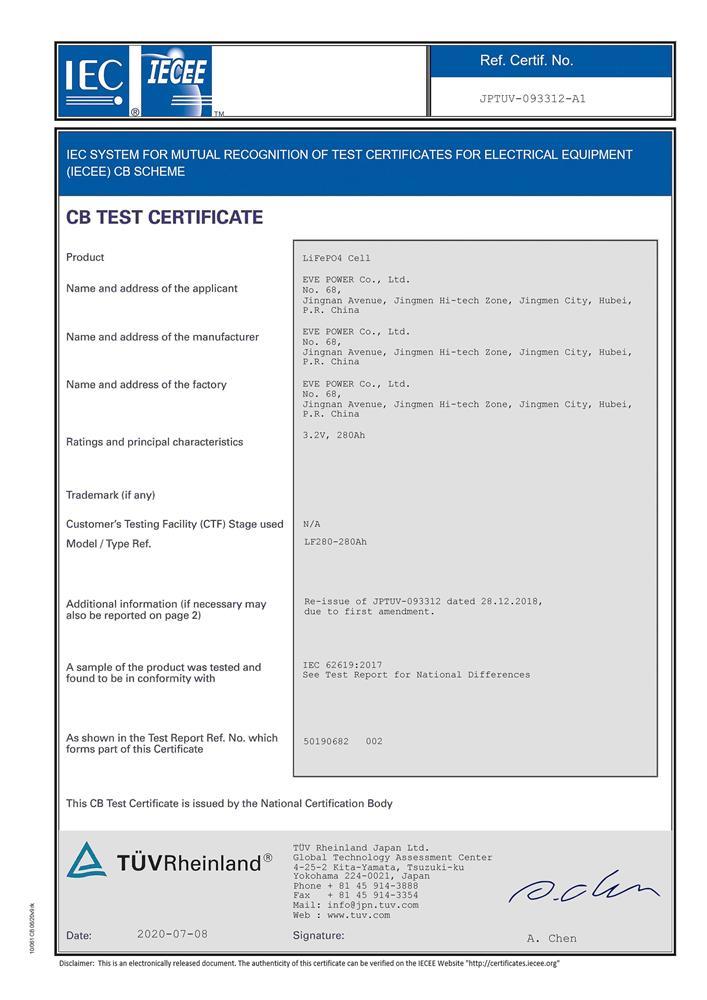
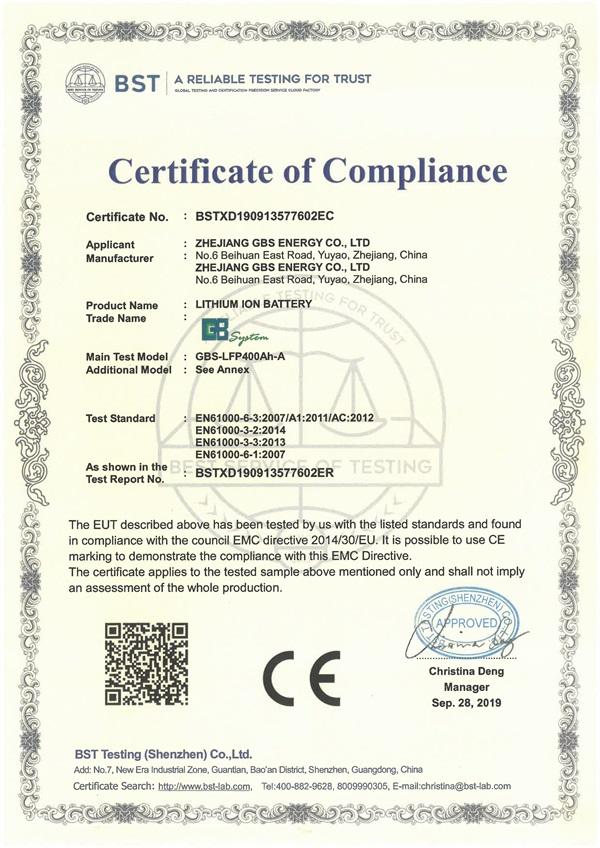
Certification
Customer Reviews
- I have fond memories of our meeting in Shanghai with LiFePO4 Battery Shop Elena. Your company left a strong impression on me with its impressive growth and professionalism. We both value straightforwardness and honesty, which I believe are the most important qualities in any partnership. I am confident that we can build a successful collaboration based on these shared values. —— Robert from USA
- I've been working with LiFePO4 Battery Shop for years, and their reliability is unmatched. While other suppliers frequently change sales teams, LiFePO4 Battery Shop has consistently provided exceptional service with a stable team. Their commitment to quality and customer support truly sets them apart. —— Henry from Australia