
News
CATL Chief Scientist Wu Kai: Sodium-ion Batteries to Enter Mass Production This Year; Lithium-Air Batteries Seen as Next-Generation Focus
2026-06-06 | Calvin
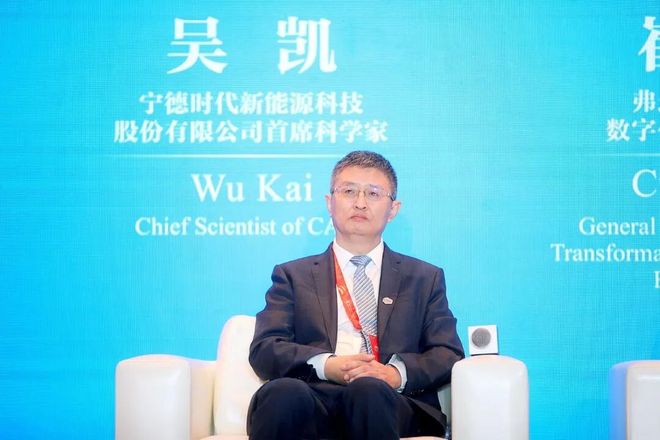
On May 30, Wu Kai, an academician of the Chinese Academy of Engineering and Chief Scientist of CATL, appeared at the 2026 Equipment Power Forum, where he delivered two major insights: first, sodium-ion batteries; second, his outlook on next-generation battery technologies.
As an industry leader, CATL is taking a leading position in the mass production of sodium-ion batteries. Wu Kai stated that the company will begin large-scale mass production of a series of sodium-ion battery products this year. Compared with lithium-ion batteries, sodium-ion batteries benefit from abundant raw material resources and lower costs.
It is reported that CATL has already deployed sodium-ion batteries in several vehicle models, including GAC Aion UT, Changan Oshan 520, FAW Jiefang 24V auxiliary batteries, and Jianghuai logistics vehicles. Models such as Geely Xingyuan, Chery QQ3, and FAW Yuedong 03 are also included in future rollout plans.
In the energy storage sector, CATL signed a strategic cooperation agreement with HyperStrong in April this year, securing a 60 GWh sodium-ion battery order over three years. This is currently the largest sodium-ion battery order in the world.
With the industry leader driving momentum, the commercialization of the entire sodium battery supply chain is accelerating. In addition to CATL, major lithium battery manufacturers such as BYD, EVE Energy, Gotion High-Tech, and Sunwoda have all entered the sodium battery sector. Among them, EVE Energy’s sodium battery headquarters project began construction in December 2025, with a planned capacity of 2 GWh. On the application side, Changan Automobile, in collaboration with CATL, is developing the world’s first mass-produced passenger vehicle powered by sodium-ion batteries, scheduled for launch in mid-2026.
In terms of technology pathways, sodium-ion battery development is gradually converging. Industry expectations suggest that cathode materials will primarily follow layered oxide and polyanion routes, addressing power and energy storage applications respectively, while hard carbon has become the mainstream choice for anode materials.
Wu Kai also revealed that solid-state batteries are expected to enter small-scale production by 2027, while lithium-air batteries will become a key future research and development direction for CATL.
Lithium-air batteries are a type of high-energy battery that uses lithium as the anode and oxygen from the air as the cathode. Structurally, they are similar to traditional lithium-ion batteries, consisting of three main components: cathode, electrolyte (separator), and anode. The key difference lies in the materials used for the electrodes.
This technology is widely regarded by both academia and industry as a next-generation chemical system that could significantly surpass the energy density limits of existing lithium-ion batteries, with a theoretical energy density more than ten times higher than that of conventional lithium-ion batteries.
However, the technology has long faced major engineering challenges, including limited cycle life, electrolyte instability, and difficulties in air management, meaning it still has a long path toward commercialization.
The latest progress in lithium-air batteries comes from the United States.
In 2025, researchers in the U.S. developed a lithium-air battery with a capacity four times that of current lithium-ion batteries. Scientists estimate its energy density could reach 1200 Wh/kg, making it one of the most promising rechargeable battery technologies known today.
The project is led by scientists from the Illinois Institute of Technology and Argonne National Laboratory. The key breakthrough lies in achieving a four-electron reaction process—an achievement that lithium-air batteries operating at room temperature have never accomplished before.
This new lithium-air battery consists of a lithium metal anode, an air cathode, and a solid ceramic-polymer electrolyte (CPE). During discharge and charge cycles, lithium ions move from the anode to the cathode and then return to the anode.
The core innovation of this breakthrough is the development of a solid-state electrolyte embedded with lithium-rich nanoparticles. This composite electrolyte uses a ceramic–polyethylene oxide polymer matrix, replacing the flammable liquid electrolytes used in traditional battery designs.
- Next: In 2026, Sodium-Ion Batteries Accelerate Toward the ¥0.4/Wh Era
- Previous: The World’s First Sodium-Powered Electric Vehicle! Changan Qiyuan A06 Sodium Battery Version Set for Debut
Contact Details
Lithium LiFePO4 Batteries and Lithium LiFePO4 Cells Supplier - LiFePO4 Battery Shop
Contact Person: Miss. Elena Wang
WhatsApp : +8615263269227
Skype : +8615263269227
WeChat : 15263269227
Email : info@lifepo4batteryshop.com
All Products
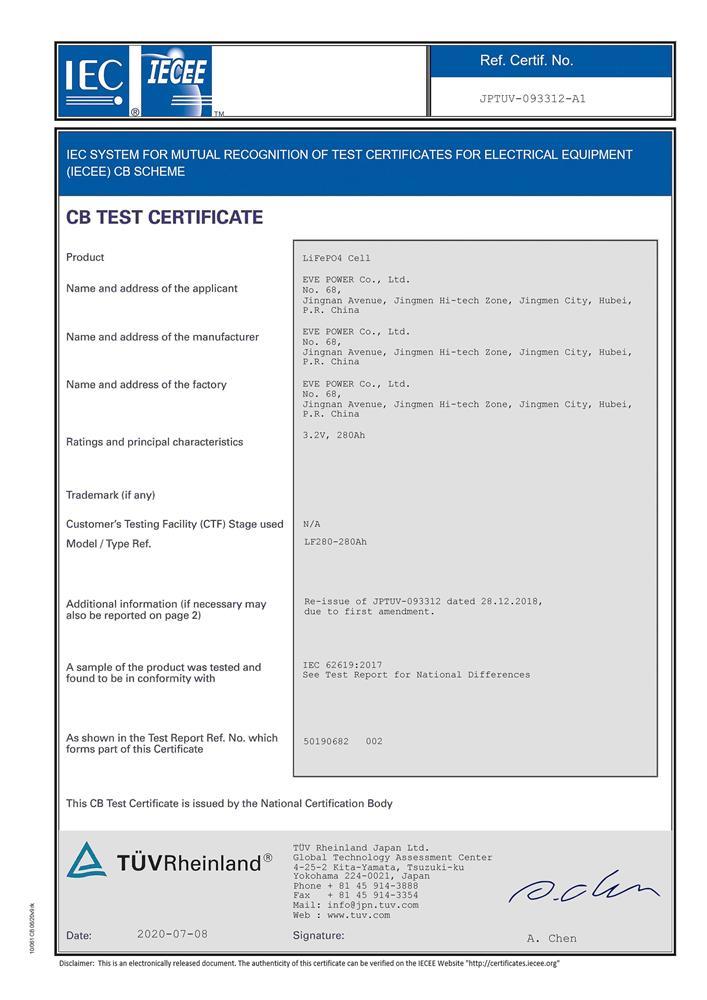
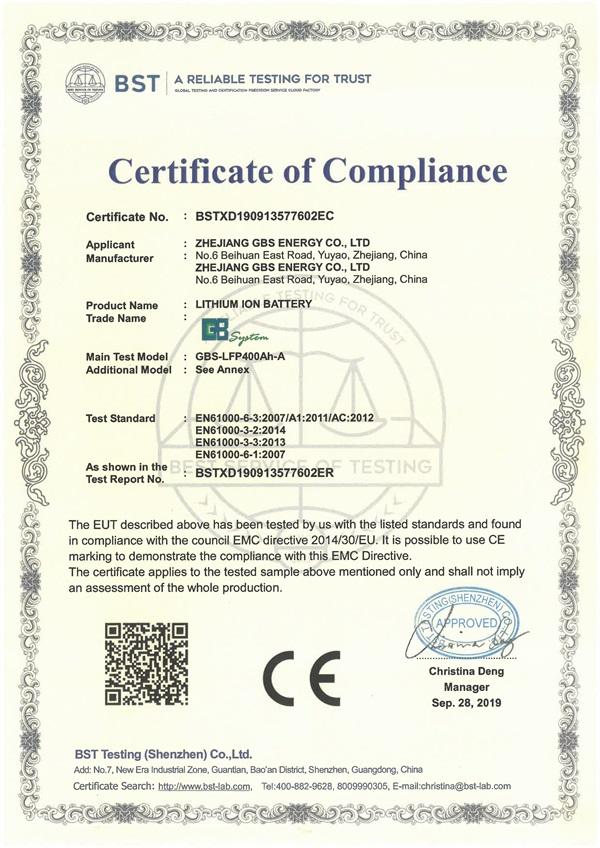
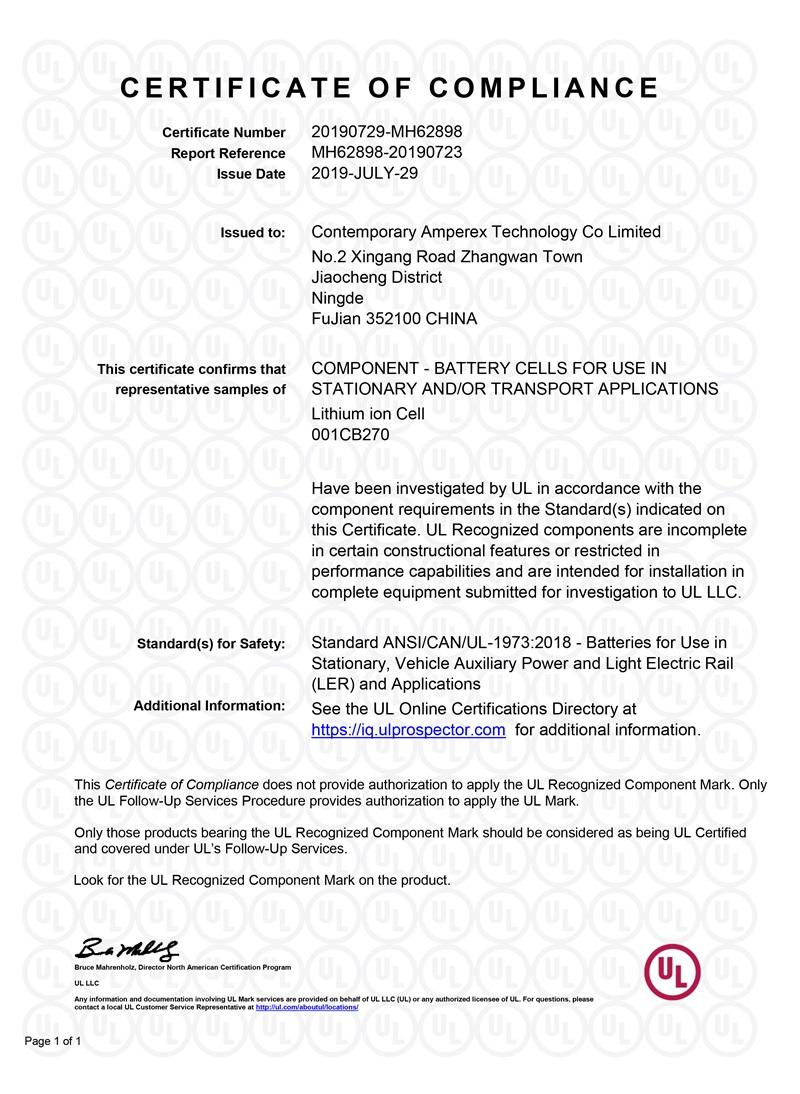
Certification
Customer Reviews
- I have fond memories of our meeting in Shanghai with LiFePO4 Battery Shop Elena. Your company left a strong impression on me with its impressive growth and professionalism. We both value straightforwardness and honesty, which I believe are the most important qualities in any partnership. I am confident that we can build a successful collaboration based on these shared values. —— Robert from USA
- I've been working with LiFePO4 Battery Shop for years, and their reliability is unmatched. While other suppliers frequently change sales teams, LiFePO4 Battery Shop has consistently provided exceptional service with a stable team. Their commitment to quality and customer support truly sets them apart. —— Henry from Australia