News
Robin Zeng: Musk’s Bet on Cylindrical Batteries Will Fail
2025-09-03 | Calvin
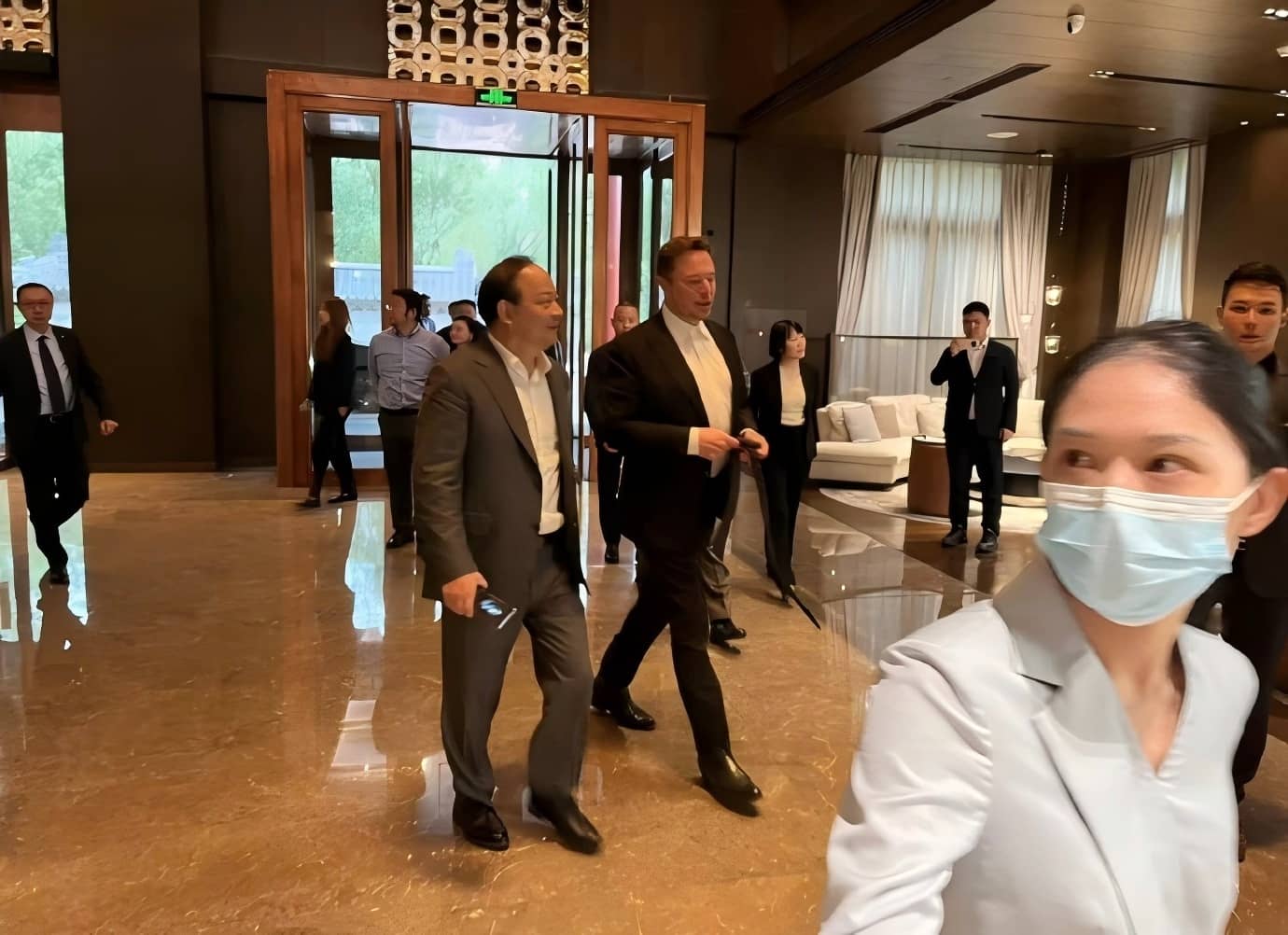
Recently, Robin Zeng, founder and chairman of CATL, said in an interview that Elon Musk’s bet on the 4680 cylindrical battery “will fail and will never succeed.”
Zeng openly questioned Tesla’s use of the 4680 large cylindrical battery. He mentioned that he had a heated debate with Musk in Beijing this April. “We had a very intense argument. He went silent, because he didn’t know how to make batteries. This is about electrochemistry, and he’s good at chips, software, hardware, and mechanics.”
Earlier in September, Zeng also pointed out that Europe’s battery industry faces three major challenges: design, process, and equipment shortcomings. He believes these prevent Europe and the U.S. from producing top-quality batteries.
A big question in the industry remains—can Tesla truly mass-produce the 4680 battery? The technology was first unveiled at Tesla’s Battery Day in 2020, where Musk praised it as a “huge technological breakthrough” and predicted that mass production could be achieved within three years.
Since 2019, Tesla has invested $3 billion in the project over five years. However, due to technical challenges such as dry electrode processes, full-tab formation, current collector welding, and laser sealing, mass production has been repeatedly delayed. Today, optimism has cooled, and many industry insiders doubt whether the large cylindrical cell can scale up in passenger cars.
At Tesla’s Q2 earnings call this year, the company announced that the design of its dry electrode cathode production process was finalized, with plans to achieve mass production of the all-dry 4680 by year’s end.
Currently, Tesla’s yield rate on its dry cathode pilot line is only 20–30%. Still, the company maintains its goal of reaching 90% yield by the first half of 2025, enabling large-scale 4680 adoption in the Cybertruck, with weekly production of 2,000–3,000 vehicles.
In September, Tesla also announced the rollout of its 100 millionth semi-dry 4680 cell, doubling output from June when the 50 millionth unit was produced. Yet whether the all-dry 4680 can be mass-produced remains to be seen by year’s end, and its application in passenger cars is still far away.
According to Zeng, Musk’s “bet on the 4680 cylindrical battery will fail” because, in today’s fiercely competitive and cost-driven battery market, Tesla struggles to match leading battery companies in expertise and scale.
Perhaps Tesla still needs to rely on suppliers like LG Energy Solution and Panasonic. In August, LG announced trial production of 4680 batteries, with mass production expected by year-end. In September, Panasonic also confirmed it was ready for 4680 mass production.
Major players such as CATL, EVE Energy, Panasonic, LG Energy Solution, Samsung SDI, and BAK Battery have all invested heavily in large cylindrical cells, accelerating industrialization. According to incomplete statistics, more than 50 companies worldwide have entered the field, with over 15 planning GWh-level production capacity.
Still, many companies have slowed or halted projects. One battery manufacturer insider noted, “Foreign automakers come to discuss, but Chinese automakers aren’t interested at all.”
Instead, more Chinese battery makers are focusing on 40, 42, and 60 series large cylindrical batteries for light mobility and energy storage markets. Combining large cylindrical formats with sodium-ion or solid-state technologies has become a key strategic direction.
Reports indicate that CATL’s large cylindrical lineup includes the 4680 and 4695 cells. The company has planned 8 production lines with 12 GWh capacity, and in September 2022, reached a cooperation agreement with BMW to build 20 GWh capacity in both China and Europe.
However, there is no concrete update on CATL’s cylindrical battery progress. For now, the company focuses on its Kirin and Shenxing batteries in the passenger car market, the Xiaoyao hybrid battery for extended-range EVs, and the Tianxing brand for commercial vehicles. Compared to CATL’s mature prismatic lineup, the 4680 cylindrical product still needs refinement.
Perhaps Zeng’s comments also hinted at deeper cooperation between CATL and Tesla on cylindrical batteries. Reports suggest Tesla and CATL have reached a licensing deal for battery production technology, with plans to produce cells in Nevada starting in 2025—a timeline not previously disclosed.
- Next: CATL Launches Revolutionary Ultra-Safe Bedrock Chassis
- Previous: Sunwoda’s Consumer Semi-Solid-State Battery Production Exceeds 8 Million Units
Contact Details
Lithium LiFePO4 Batteries and Lithium LiFePO4 Cells Supplier - LiFePO4 Battery Shop
Contact Person: Miss. Elena Wang
WhatsApp : +8615263269227
Skype : +8615263269227
WeChat : 15263269227
Email : info@lifepo4batteryshop.com
All Products
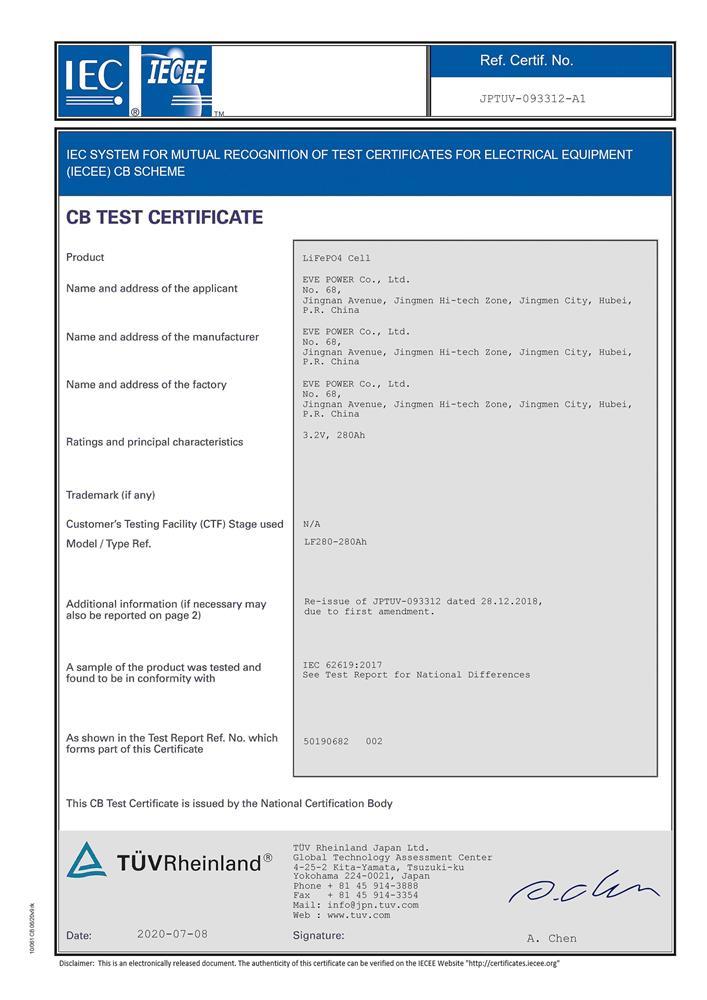
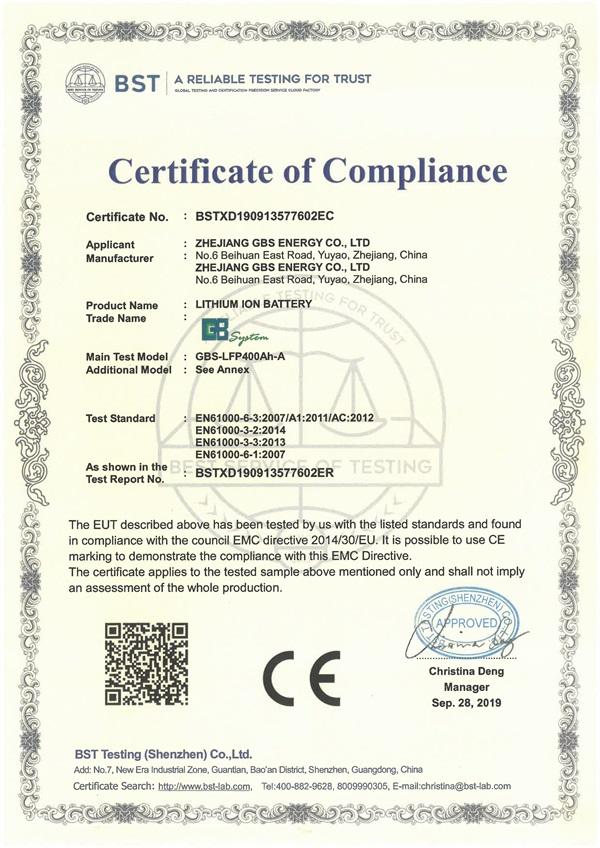
Certification
Customer Reviews
- I have fond memories of our meeting in Shanghai with LiFePO4 Battery Shop Elena. Your company left a strong impression on me with its impressive growth and professionalism. We both value straightforwardness and honesty, which I believe are the most important qualities in any partnership. I am confident that we can build a successful collaboration based on these shared values. —— Robert from USA
- I've been working with LiFePO4 Battery Shop for years, and their reliability is unmatched. While other suppliers frequently change sales teams, LiFePO4 Battery Shop has consistently provided exceptional service with a stable team. Their commitment to quality and customer support truly sets them apart. —— Henry from Australia