
Blog
Portable Battery Charger vs. Power Bank: What's the Difference?
2026-04-14 | Calvin
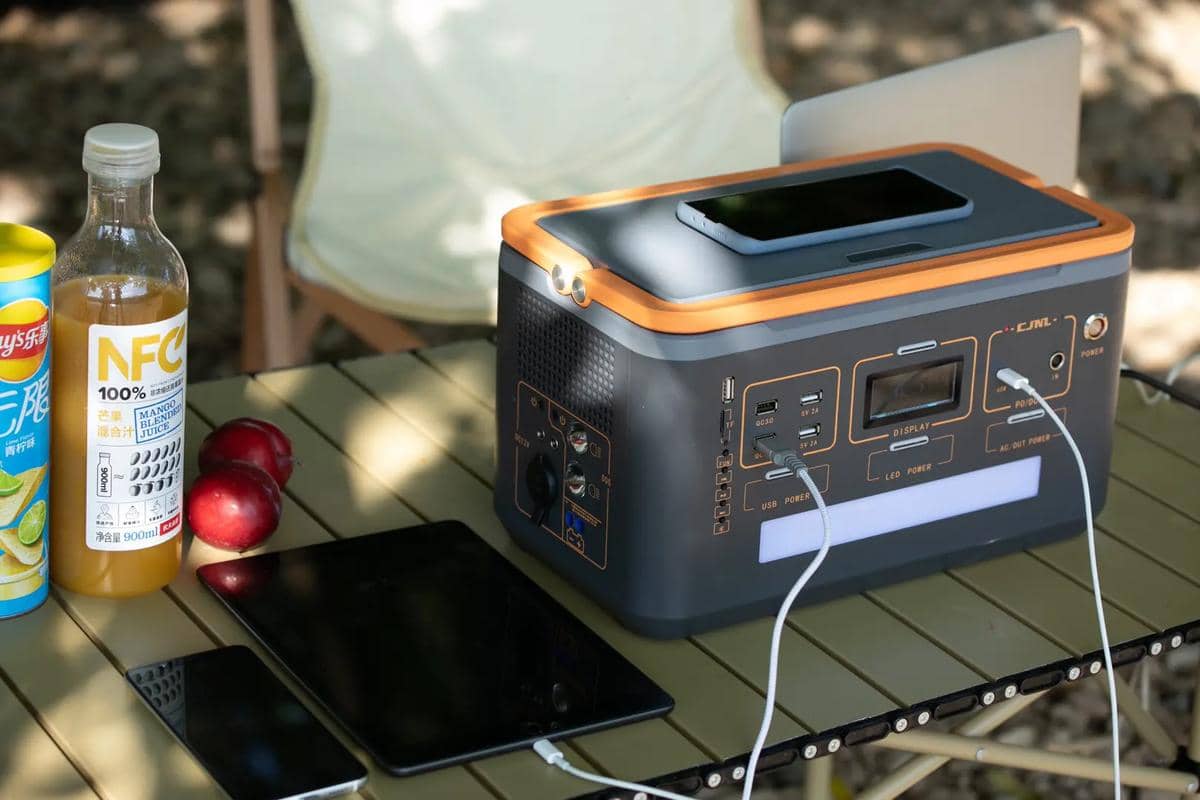
In today’s fast-paced world, staying connected is crucial, whether for work, leisure, or emergencies. As our reliance on electronic devices grows, so does the need for reliable power sources. When it comes to charging on the go, two common terms often come up: portable battery charger and power bank. While they are often used interchangeably, these devices have distinct differences that can affect your choice.
In this article, we’ll explore the nuances between portable battery chargers and power banks, their specific features, and help you choose the right one based on your needs.
Part 1. What is a Portable Battery Charger?
A portable battery charger is an umbrella term that refers to any device designed to recharge electronic gadgets without needing a fixed power outlet. This category includes various types of chargers suited for different applications. Some of the most common types include:
- Power Banks: Small, rechargeable batteries designed for smartphones, tablets, and other small electronics.
- Solar Chargers: Utilize solar energy to power devices, making them ideal for outdoor adventures.
- Car Battery Chargers: Used to recharge or jump-start a car battery.
- Laptop Battery Packs: High-capacity chargers designed to power laptops.
Key Features of Portable Battery Chargers:
- Can be powered through USB, solar energy, or car battery.
- Some chargers store energy internally (like power banks), while others require a direct power source.
- Designed to support a wide range of devices, from smartphones to cars.
- Many offer wireless charging options for convenience.
Part 2. What is a Power Bank?
A power bank is a specific type of portable battery charger. It is a self-contained device that stores electrical energy in its internal battery and can recharge devices without requiring an external power source.
Key Features of a Power Bank:
- Contains a built-in rechargeable battery to store power.
- Available in varying capacities, typically measured in milliampere-hours (mAh) or watt-hours (Wh).
- Uses USB or wireless technology to charge devices.
- Ideal for smartphones, tablets, and small electronics.
Part 3. How Do Portable Battery Chargers and Power Banks Work?
Both portable battery chargers and power banks work by transferring stored energy to devices. However, their mechanisms are slightly different:
- Power Banks: These charge themselves first (via a wall outlet or USB) and store energy in their internal batteries. When you connect a device, the stored energy is transferred to it.
- Portable Battery Chargers: Some types, like solar chargers and car battery chargers, can provide immediate power without needing an internal battery. Others, such as power banks, store energy to be used later.
Part 4. Key Differences Between a Portable Battery Charger and a Power Bank
Understanding the differences between a portable battery charger and a power bank will help you choose the right device. Here are the key distinctions:
- Internal Battery
Power Banks always feature an internal battery.
Portable Battery Chargers may or may not have an internal battery. For instance, solar chargers don’t store energy but directly convert sunlight into power. - Power Source
Power Banks require charging before use but do not need a direct power source while charging devices.
Portable Battery Chargers can use multiple power sources, such as solar, car batteries, or wall outlets. - Capacity and Use
Power Banks typically have capacities between 5,000mAh to 50,000mAh, which are sufficient for smartphones, tablets, and other small electronics.
Portable Battery Chargers can provide much higher capacities, especially when used for larger devices like cars or laptops, with some offering up to 1,000,000mAh. - Best for Different Situations
Power Banks are best for everyday travel and light use, particularly for smartphones and smaller devices.
Portable Battery Chargers excel in emergencies and outdoor settings, where various charging methods (like solar or car battery) are needed.
| Feature | Portable Battery Charger | Power Bank |
|---|---|---|
| Internal Battery | Some do, some don’t | Yes |
| Requires Power Source | Some need a power source | No, works independently |
| Best Use | Multiple charging options | On-the-go charging |
| Charging Methods | USB, solar, car, etc. | USB or wireless |
| Capacity | 5,000mAh – 1,000,000mAh | 5,000mAh – 50,000mAh |
Part 5. Which One Should You Choose?
The decision between a portable battery charger and a power bank depends largely on your specific needs:
- Go for a Power Bank if you’re primarily looking for a simple, portable device to charge smaller electronics like smartphones and tablets while on the move.
- Opt for a Portable Battery Charger if you require a more versatile solution to power larger devices like laptops or even jump-start a car.
Part 6. Types of Portable Battery Chargers
Portable battery chargers come in various types, each suited for different needs. Here’s a breakdown:
- Power Banks: Most common, used for smartphones and tablets.
- Solar Chargers: Ideal for outdoor activities or locations without access to electricity.
- Car Battery Chargers: Can jump-start vehicles and recharge car batteries.
- Laptop Battery Packs: High-capacity chargers designed to power laptops and other large devices.
Part 7. How to Choose the Best Portable Battery Charger?
When selecting a portable battery charger, consider the following factors:
- Capacity: The higher the mAh or Wh, the more times it can charge your device.
- Charging Speed: Check the output (W or A) for faster charging.
- Portability: Lighter models are better for travel.
- Output Ports: More ports allow you to charge multiple devices simultaneously.
- Durability: Opt for rugged, waterproof designs if you'll use the charger outdoors.
Part 8. Pros and Cons of Portable Battery Chargers and Power Banks
Portable Battery Charger: Pros & Cons
- Pros:
- More versatile for various devices.
- Can use different power sources like solar or car batteries.
- Suitable for larger devices.
- Cons:
- Some models require direct power sources.
Power Bank: Pros & Cons
- Pros:
- Simple and portable.
- No external power needed when charging devices.
- Ideal for short trips or daily use.
- Cons:
- Limited capacity compared to larger chargers.
Part 9. FAQs
Q1: Can a power bank charge a laptop?
A1: Some power banks, especially those with high capacity, can charge laptops. However, ensure that the power bank supports the required output for your laptop.
Q2: How long does it take to charge a power bank?
A2: The charging time depends on the power bank’s capacity and input. A larger capacity will take longer to recharge.
Q3: Are solar chargers reliable?
A3: Solar chargers are effective in sunny conditions but may take longer to charge devices compared to traditional methods.
Conclusion
Whether you’re traveling, hiking, or dealing with a power outage, both portable battery chargers and power banks provide essential solutions for keeping your devices charged. By understanding the key differences and evaluating your needs, you can choose the right device to stay powered up no matter where life takes you.
- Next:The Ultimate Guide to Battery State of Charge (SoC) and State of Health (SoH): What Every Battery User Needs to Know
- Previous:12V 100Ah vs. 24V 100Ah Batteries: Key Differences and Best Uses for Your Energy System
Contact Details
Lithium LiFePO4 Batteries and Lithium LiFePO4 Cells Supplier - LiFePO4 Battery Shop
Contact Person: Miss. Elena Wang
WhatsApp : +8615263269227
Skype : +8615263269227
WeChat :15263269227
Email : info@lifepo4batteryshop.com
All Products
- TC Elcon Charger (0)
- Headway Lithium Battery (6)
- Blade Battery (10)
- Semi Solid State Battery (6)
- A123 Battery (6)
- Sinopoly Battery (7)
- GBS Battery (16)
- CALB Battery (25)
- Cylindrical Cell (9)
- Energy Storage System (0)
- Battery Management System (9)
- Sodium ion Battery Cell (4)
- Lithium Titanate Battery (22)
- Ternary Lithium Battery Cell (12)
- REPT Battery (10)
- BYD Battery (5)
- CATL Battery (15)
- Thunder Sky Winston Battery (26)
- EVE Battery (35)
- LiFePO4 Battery Cell (17)
Certification
Customer Reviews
- I have fond memories of our meeting in Shanghai with LiFePO4 Battery Shop Elena. Your company left a strong impression on me with its impressive growth and professionalism. We both value straightforwardness and honesty, which I believe are the most important qualities in any partnership. I am confident that we can build a successful collaboration based on these shared values. —— Robert from USA
- I've been working with LiFePO4 Battery Shop for years, and their reliability is unmatched. While other suppliers frequently change sales teams, LiFePO4 Battery Shop has consistently provided exceptional service with a stable team. Their commitment to quality and customer support truly sets them apart. —— Henry from Australia