
Blog
NMC vs LFP vs LTO Batteries: 2026 Comparison — Chemistry, Cost-Per-Cycle & How to Choose
2026-06-15 | Calvin
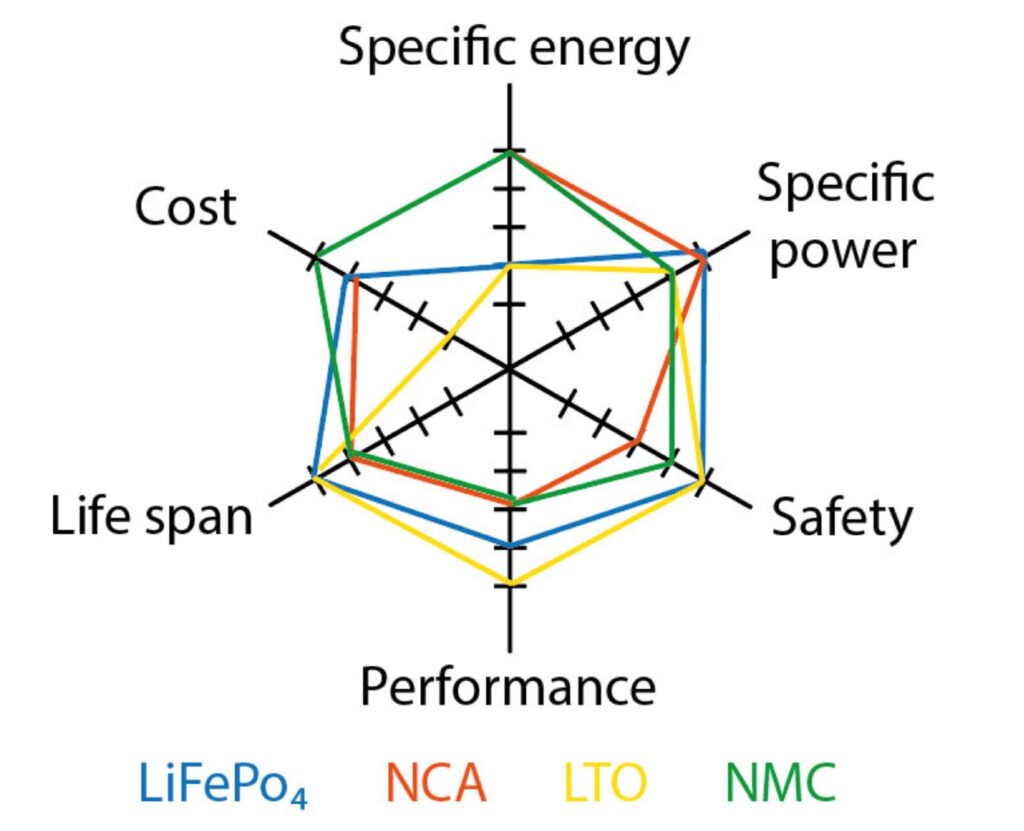
NMC, LFP, and LTO are the three lithium battery chemistries that matter most in 2026 — and choosing between them is the single highest-impact decision in any battery purchase. They are not interchangeable. Each represents a deliberate engineering trade-off across energy density, cycle life, safety, charging speed, and cost.
The headline summary: NMC delivers the most energy per kilogram, LFP delivers the lowest cost per delivered kilowatt-hour over its lifetime, and LTO delivers extreme cycle life and charging speed at a premium price. But the headline hides the detail that actually drives correct decisions. This guide provides that detail — the cathode chemistry behind each behavior, current 2025 cost data, real-world cycle life figures, and a decision framework that maps chemistry to application.
Part 1: The Chemistry Behind the Differences
The performance differences between these three chemistries are not arbitrary — they originate in the cathode (and for LTO, the anode) material structure.
NMC (Nickel Manganese Cobalt) uses a layered oxide cathode, LiNiₓMnᵧCoᵤO₂. Common ratios are NMC 532, 622, and 811 (the digits indicate the nickel:manganese:cobalt proportion). Nickel provides high capacity, manganese adds structural stability, and cobalt improves conductivity and cycle life. Higher nickel content boosts energy density but reduces thermal stability — which is why high-Ni NMC 811 cells are the most energy-dense and also the least thermally stable.
LFP (Lithium Iron Phosphate) uses an olivine-structured cathode, LiFePO₄. The phosphorus-oxygen bonds in this structure are extremely strong, making the cathode highly resistant to thermal breakdown and oxygen release. This is the root cause of LFP's superior safety and longevity — and also of its lower energy density, since the olivine structure stores less energy per unit mass than layered oxides.
LTO (Lithium Titanate Oxide) is unique because its defining innovation is in the anode, not the cathode. LTO replaces the conventional graphite anode with lithium titanate (Li₄Ti₅O₁₂). This anode structure accommodates lithium ions with almost no mechanical stress or expansion, enabling extraordinary cycle life and ultra-fast charging — but at a significantly lower cell voltage (2.4V vs. 3.2V for LFP and 3.7V for NMC), which drags down energy density substantially.
Part 2: Head-to-Head Specification Comparison
| Specification | NMC | LFP | LTO |
|---|---|---|---|
| Cathode/anode material | Layered oxide (Ni-Mn-Co) | Olivine (LiFePO₄) | Titanate anode (Li₄Ti₅O₁₂) |
| Nominal cell voltage | 3.6–3.7V | 3.2V | 2.4V |
| Gravimetric energy density | 150–250 Wh/kg (up to 300) | 90–205 Wh/kg | 60–120 Wh/kg |
| Cycle life (to 80% SOH) | 1,500–3,000 | 3,000–5,000+ | 10,000–20,000+ |
| Charge time (typical) | 1–2 hours | 1–4 hours | 10–30 minutes |
| Thermal runaway onset | ~150–210°C | ~250–270°C | Extremely stable |
| Operating temperature range | -20 to 55°C | -20 to 60°C | -40 to 65°C |
| Cobalt content | Yes (significant) | None | None |
| Cost per kWh (2025) | $100–150 | $80–100 | $150–200 |
Sources: BloombergNEF 2025, Electronics360, peer-reviewed comparative analyses (2025).
Part 3: The Cost Metric That Actually Matters — Cost Per Cycle
The most common mistake in battery selection is comparing upfront cost per kWh while ignoring cycle life. For any application that cycles regularly, the metric that determines true economics is cost per kWh delivered over the battery's lifetime — not the purchase price.
Consider a simplified comparison for a battery cycled once daily:
NMC at $130/kWh with 2,000 cycles = roughly $0.065 per kWh-cycle (before accounting for the 80% depth-of-discharge limit many NMC systems impose).
LFP at $90/kWh with 4,000 cycles = roughly $0.0225 per kWh-cycle — and LFP can safely cycle to nearly 100% depth of discharge daily, while NMC is typically limited to 80% to preserve life.
LTO at $175/kWh with 15,000 cycles = roughly $0.0117 per kWh-cycle — the lowest cost per cycle of all three, despite the highest upfront price.
The practical implication: a 10 kWh LFP home battery cycled daily lasts 12+ years before replacement; an equivalent NMC system might need replacement in 6–8 years. Even when LFP costs more upfront in some configurations, its cost per cycle is dramatically lower. For LTO, the extreme cycle life means the high purchase price amortizes to the lowest per-cycle cost — but only in applications that actually use enough cycles to justify it.
Part 4: Temperature Performance — An Underrated Differentiator
Temperature behavior is where these chemistries diverge in ways most comparison tables ignore.
At elevated temperatures, NMC degrades significantly faster than LFP. Peer-reviewed analysis shows NMC degrades 40–50% faster than its rated figure at high ambient temperatures, compared to 20–30% faster for LFP. For a battery installed in a hot climate, an unventilated enclosure, or a desert solar installation, this degradation gap meaningfully widens LFP's lifetime cost advantage.
At low temperatures, all three lithium chemistries lose capacity and face charging restrictions (no charging below 0°C without self-heating, due to lithium plating risk). LTO is the exception that proves the rule — its titanate anode does not suffer the same lithium plating mechanism, allowing it to charge safely at temperatures down to -40°C. This is a primary reason LTO is specified for extreme-cold applications (military, aerospace, far-northern grid storage) despite its energy density disadvantage.
LFP holds a wider safe operating window than NMC and is the more robust choice for outdoor and uncontrolled-temperature installations among the two mainstream chemistries.
Part 5: Safety Comparison
Safety follows directly from the cathode chemistry discussed in Part 1.
LFP is the safest of the mainstream chemistries. Its olivine structure does not release oxygen at moderate temperatures, so even under abuse (puncture, overcharge, crush) it resists self-sustaining combustion. Thermal runaway onset is approximately 250–270°C.
NMC carries higher risk. Its layered oxide cathode releases oxygen at approximately 150–210°C (lower for higher-nickel variants), providing the internal oxidant that can sustain a fire. NMC is safe when correctly managed by a quality BMS, but the intrinsic chemistry is less forgiving.
LTO is exceptionally safe — arguably the safest lithium chemistry in production. Its stable titanate anode eliminates the lithium plating and dendrite formation that cause many failures in other chemistries, and it tolerates extreme temperatures without degradation.
For enclosed spaces, residential installations, marine environments, and any application where a thermal event is unacceptable, LFP or LTO is the appropriate choice over NMC.
Part 6: Which Chemistry for Which Application?
| Application | Best Chemistry | Why |
|---|---|---|
| Long-range premium EV | NMC | Maximum range per kg; weight and space constrained |
| Mass-market / entry EV | LFP | Lower cost, longer life, safe; range adequate |
| Residential solar storage | LFP | Cost per cycle, safety in living spaces, 12+ year life |
| Grid-scale BESS | LFP | Dominates ~80% of new grid storage; cost + cycle life |
| Electric bus / transit | LFP or LTO | LFP for cost; LTO where fast opportunity charging is needed |
| Fast-charge transit (rapid turnaround) | LTO | 10-minute charging, 15,000+ cycles |
| Extreme cold / military / aerospace | LTO | -40°C charging capability, extreme durability |
| Consumer electronics | NMC / LCO | Thin form factor, volumetric energy density |
| Marine house battery | LFP | Safety, cycle life, deep discharge tolerance |
The market is voting clearly: LFP has risen to roughly 55% of global EV battery share and approximately 70–80% of new stationary storage deployments, driven by its cost, safety, and longevity advantages. NMC retains the premium long-range EV segment where energy density is decisive. LTO remains a specialist chemistry for fast-charge and extreme-environment applications where its cost is justified by performance requirements nothing else can meet.
Frequently Asked Questions
What is the main difference between NMC, LFP, and LTO batteries?
The core difference is the electrode chemistry, which drives all other behaviors. NMC uses a nickel-manganese-cobalt layered oxide cathode for high energy density (150–250 Wh/kg) but lower safety and shorter cycle life. LFP uses an iron phosphate olivine cathode for excellent safety and long cycle life (3,000–5,000+ cycles) at moderate energy density. LTO uses a lithium titanate anode (rather than graphite) for extreme cycle life (10,000–20,000+ cycles) and ultra-fast charging, but at the lowest energy density and highest cost. NMC suits long-range EVs, LFP suits storage and mass-market EVs, and LTO suits fast-charge and extreme-environment applications.
Which is cheaper, LFP or NMC?
LFP is cheaper both upfront and over its lifetime. At the cell level in 2025, LFP costs roughly $80–100/kWh versus $100–150/kWh for NMC — about 20–30% lower, primarily because LFP contains no cobalt or nickel. When cycle life is factored in, the gap widens dramatically: LFP delivers roughly 2–3× the cycles of NMC, making its cost per kWh delivered over the battery's lifetime substantially lower for any application that cycles regularly.
Why is LTO so expensive if it has low energy density?
LTO's high cost comes from specialized titanate anode materials and lower-volume manufacturing. Its low energy density (60–120 Wh/kg) means it stores less energy per kilogram, making it unsuitable where weight or space is constrained. However, LTO's value is in applications requiring 10,000+ cycles, sub-10-minute charging, or operation at -40°C — where its extreme cycle life produces the lowest cost-per-cycle of any chemistry, and where no other lithium chemistry can meet the performance requirement at all.
Which battery chemistry is best for solar energy storage?
LFP is the clear best choice for solar energy storage in nearly all residential and commercial applications. It offers the lowest cost per cycle, excellent safety for installation in or near living spaces, deep discharge tolerance (cycling to nearly 100% daily), and a 12+ year service life when cycled once daily. LFP has captured approximately 70–80% of new stationary storage deployments for these reasons. LTO is reserved for specialized grid applications requiring extremely high cycle counts or fast response, where its higher cost is justified.
Is NMC being phased out in favor of LFP?
NMC is not being phased out, but its market share is shifting. LFP has risen to approximately 55% of global EV battery share and 70–80% of stationary storage as its cost, safety, and longevity advantages have become decisive for mass-market and storage applications. NMC retains a strong position in premium long-range EVs and weight-constrained applications where its superior energy density (up to 300 Wh/kg) remains essential. The two chemistries are increasingly serving distinct segments rather than competing head-to-head.
Conclusion
The NMC vs. LFP vs. LTO decision is not about which chemistry is "best" in the abstract — each is the correct answer to a specific question. NMC wins where energy density per kilogram is the binding constraint: premium long-range EVs, weight-sensitive applications. LFP wins where lifetime cost, safety, and longevity matter most: solar storage, grid BESS, mass-market EVs, marine and RV house batteries. LTO wins where extreme cycle life, ultra-fast charging, or extreme-temperature operation are non-negotiable: fast-charge transit, military, aerospace.
For the majority of energy storage buyers, the honest answer is LFP — its combination of cost per cycle, safety, and decade-plus service life makes it the default correct choice unless a specific constraint (weight for NMC, extreme cycling for LTO) overrides. Match the chemistry to the constraint that actually governs your application, and the right choice becomes clear.
- Next:What Does a DC-DC Battery Charger Do? How It Works, Types & Sizing Guide (2026)
- Previous:How to Charge a Deep Cycle Battery Correctly: Voltages, Stages & Chemistry-Specific Settings
Contact Details
Lithium LiFePO4 Batteries and Lithium LiFePO4 Cells Supplier - LiFePO4 Battery Shop
Contact Person: Miss. Elena Wang
WhatsApp : +8615263269227
Skype : +8615263269227
WeChat :15263269227
Email : info@lifepo4batteryshop.com
All Products
- TC Elcon Charger (0)
- Headway Lithium Battery (6)
- Blade Battery (10)
- Semi Solid State Battery (6)
- A123 Battery (6)
- Sinopoly Battery (7)
- GBS Battery (16)
- CALB Battery (25)
- Cylindrical Cell (11)
- Energy Storage System (0)
- Battery Management System (15)
- Sodium ion Battery Cell (4)
- Lithium Titanate Battery (22)
- Ternary Lithium Battery Cell (12)
- REPT Battery (10)
- BYD Battery (5)
- CATL Battery (15)
- Thunder Sky Winston Battery (26)
- EVE Battery (37)
- LiFePO4 Battery Cell (31)
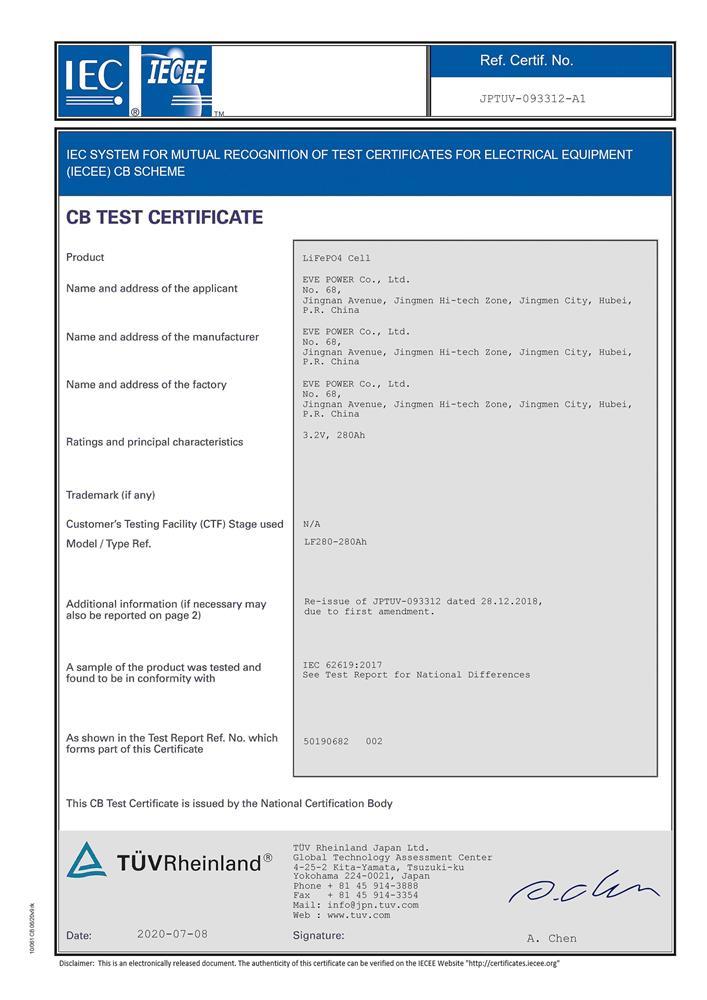
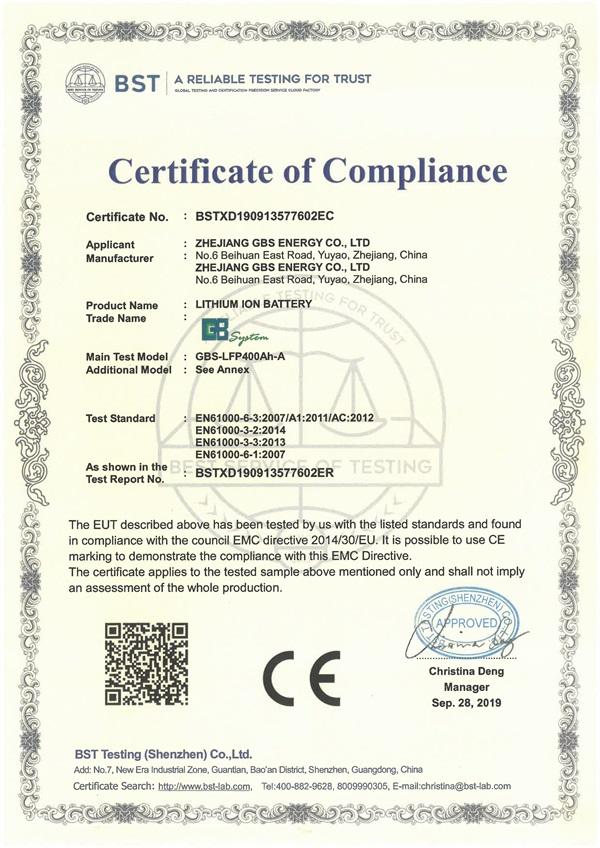
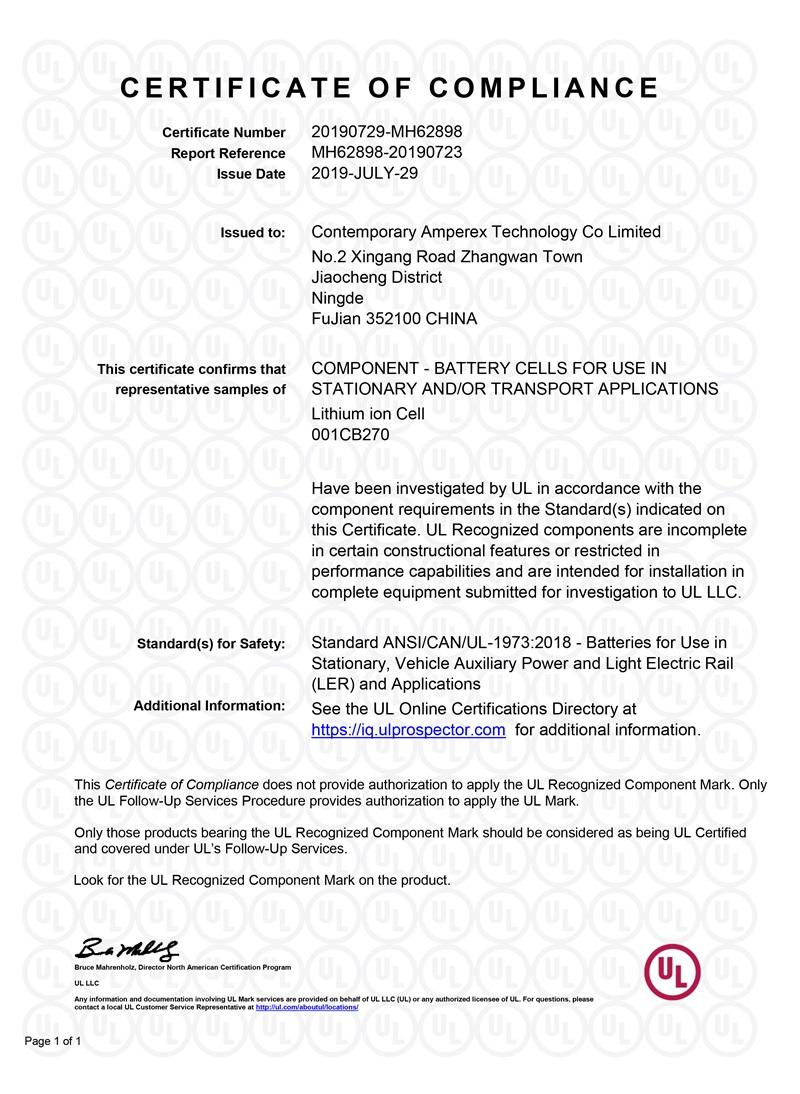
Certification
Customer Reviews
- I have fond memories of our meeting in Shanghai with LiFePO4 Battery Shop Elena. Your company left a strong impression on me with its impressive growth and professionalism. We both value straightforwardness and honesty, which I believe are the most important qualities in any partnership. I am confident that we can build a successful collaboration based on these shared values. —— Robert from USA
- I've been working with LiFePO4 Battery Shop for years, and their reliability is unmatched. While other suppliers frequently change sales teams, LiFePO4 Battery Shop has consistently provided exceptional service with a stable team. Their commitment to quality and customer support truly sets them apart. —— Henry from Australia