
Blog
Kayak Trolling Motor Speed Guide: How Fast Can a Motorized Kayak Go?
2026-08-17 | Calvin
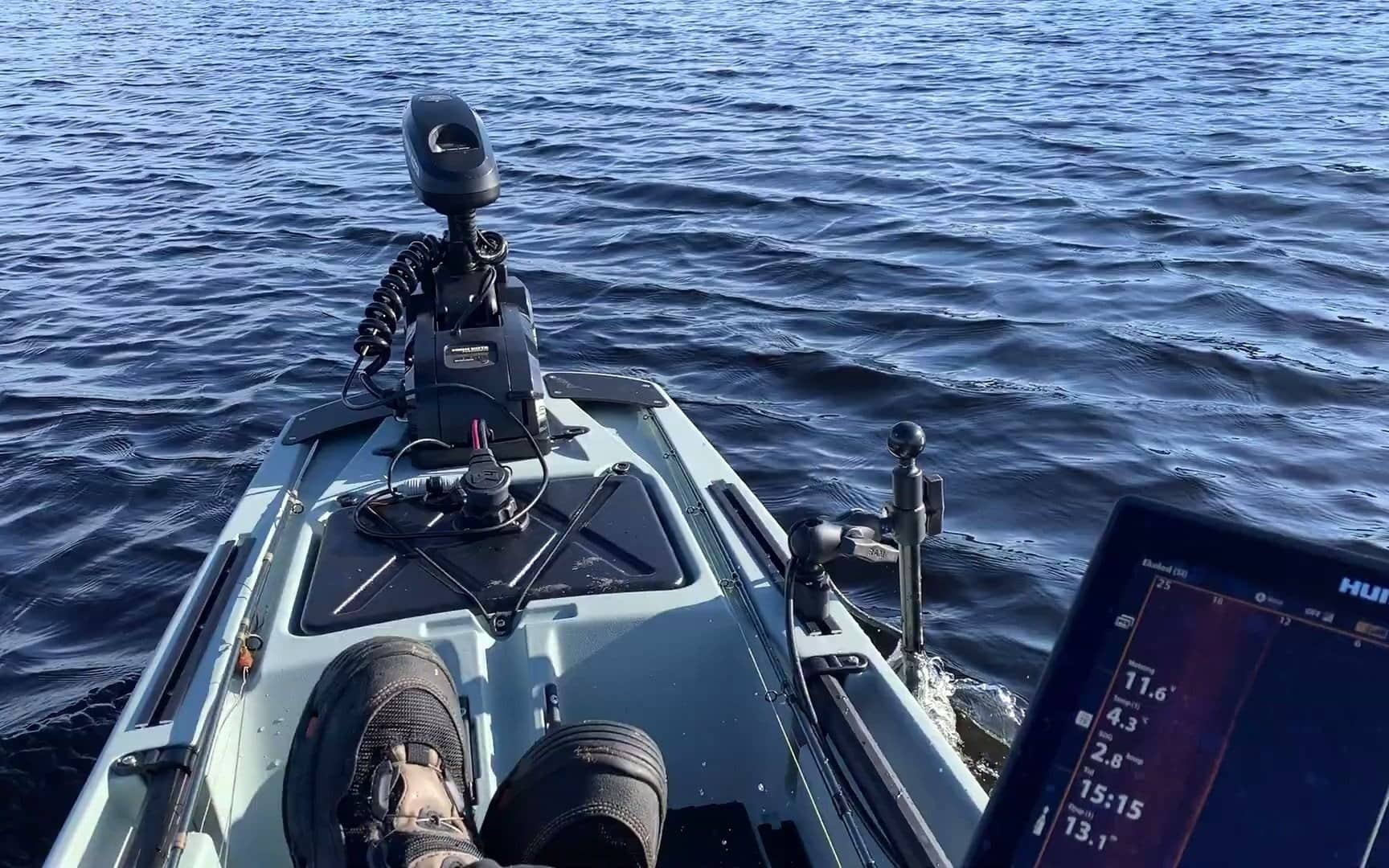
Adding a trolling motor to a kayak can completely change the way you use your boat. Instead of relying only on paddling, an electric motor allows you to travel farther, reduce fatigue, and spend more time fishing, exploring, or cruising on the water.
One of the most common questions from kayak owners is: How fast will a kayak go with a trolling motor?
In most cases, a kayak with a trolling motor can reach speeds between 2 and 6 mph. The actual speed depends on many factors, including motor thrust, kayak weight, hull design, battery power, water conditions, and how efficiently the setup is matched.
A higher thrust motor does not always mean a much faster kayak. Thrust helps the motor push heavier loads and maintain speed in difficult conditions, while top speed is also limited by hull design, propeller efficiency, and water resistance.
Quick Answer: How Fast Can a Kayak Go With a Trolling Motor?
| Trolling Motor Thrust | Expected Kayak Speed | Best Application |
|---|---|---|
| 20–30 lb thrust | 2–3 mph | Small lightweight kayaks |
| 30–40 lb thrust | 2–3.5 mph | Small fishing and recreational kayaks |
| 40–55 lb thrust | 3–4 mph | Medium kayaks and longer trips |
| 55–80 lb thrust | 4–6 mph | Larger fishing kayaks and heavier setups |
For most recreational kayak users, a properly matched trolling motor provides a comfortable cruising speed rather than high-speed performance. Electric trolling motors are designed mainly for efficient movement, control, and endurance rather than racing speed.
What Is a Motorized Kayak?
A motorized kayak is a standard kayak equipped with an electric or gasoline-powered motor system. Most kayak owners choose electric trolling motors because they are quiet, lightweight, easy to control, and suitable for fishing environments.
A typical electric kayak setup includes:
- Trolling motor
- Battery system
- Motor mounting bracket
- Control system
- Propeller assembly
How Does a Trolling Motor Move a Kayak?
A trolling motor converts electrical energy from the battery into mechanical movement through a spinning propeller.
The process works like this:
- The battery supplies electrical power to the motor.
- The motor rotates the propeller.
- The propeller pushes water backward.
- The kayak moves forward through the water.
The motor's performance depends on how efficiently electrical energy is converted into thrust and how much resistance the kayak creates while moving.
Main Factors That Affect Kayak Trolling Motor Speed
Two kayaks using the same trolling motor can achieve different speeds because several factors influence performance.
1. Kayak Weight
Weight is one of the biggest factors affecting speed.
The total weight includes:
- Kayak weight
- Person weight
- Battery weight
- Fishing equipment
- Coolers and accessories
A lightweight kayak requires less thrust to move efficiently, while a heavier fishing kayak needs more motor power to maintain speed.
2. Kayak Hull Design
The shape of the kayak affects water resistance and efficiency.
Examples:
- Narrow kayaks create less drag and usually move faster.
- Wide fishing kayaks provide more stability but create more resistance.
- Longer kayaks generally track better at higher speeds.
3. Water and Weather Conditions
Environmental conditions can significantly change kayak speed.
Calm water allows the motor to operate efficiently, while wind, waves, and currents can reduce speed.
| Condition | Effect on Speed |
|---|---|
| Calm water | Maximum efficiency |
| Strong wind | Reduced forward speed |
| Current against kayak | Higher power consumption |
| Rough water | Lower average speed |
4. Trolling Motor Thrust
Thrust is measured in pounds (lbs) and represents the pushing force generated by the motor.
A common mistake is assuming that double thrust equals double speed. This is not true.
Higher thrust mainly helps with:
- Moving heavier kayaks
- Maintaining speed against wind
- Improving acceleration
- Handling difficult water conditions
Trolling Motor Thrust vs Speed Explained
Speed and thrust are related but different measurements.
| Term | Meaning |
|---|---|
| Thrust | The pushing force produced by the motor |
| Speed | How fast the kayak moves through water |
A high-thrust motor on a small kayak may not increase top speed significantly because the kayak may already reach its maximum efficient speed.
However, the same motor on a heavier kayak may provide a noticeable improvement because the extra thrust helps overcome resistance.
What Size Trolling Motor Does a Kayak Need?
Choosing the correct trolling motor depends on the total loaded weight of the kayak.
A common guideline is approximately:
2 pounds of thrust per 100 pounds of total weight
This includes the kayak, rider, battery, and equipment.
| Kayak Setup | Recommended Motor |
|---|---|
| Small kayak under 12 feet | 30–40 lb thrust |
| Medium kayak 12–14 feet | 40–55 lb thrust |
| Large fishing kayak over 14 feet | 55–80 lb thrust |
What Battery Does a Kayak Trolling Motor Need?
The battery determines how long the trolling motor can run and how consistently it delivers power.
Common battery systems include:
- 12V battery systems
- 24V battery systems
- 36V battery systems
12V Battery System
Most small kayak trolling motors use 12V systems.
Suitable for:
- Small kayaks
- Short fishing trips
- Lower thrust motors
24V Battery System
24V systems provide more power and are commonly used with higher thrust motors.
Suitable for:
- Larger kayaks
- Longer trips
- Higher speed requirements
36V Battery System
36V systems are designed for maximum power applications.
They are commonly used when:
- High thrust is required
- The kayak is heavily loaded
- Long runtime is needed
What Size Battery Does a Kayak Trolling Motor Need?
Choosing the correct battery size is just as important as selecting the right trolling motor. A motor with insufficient battery capacity may lose power quickly, while an oversized battery adds unnecessary weight.
Battery selection depends on:
- Motor voltage
- Motor amp draw
- Trip duration
- Desired speed
- Battery chemistry
Common Kayak Trolling Motor Battery Sizes
| Motor Type | Recommended Battery | Typical Use |
|---|---|---|
| Small 20–40 lb thrust motor | 12V 35–60Ah battery | Short recreational trips |
| 40–70 lb thrust motor | 12V 60–100Ah battery | Fishing and longer trips |
| 70–100 lb thrust motor | 24V 80–100Ah battery | Heavy kayaks and extended use |
| 100+ lb thrust motor | 36V battery system | Maximum power setups |
How Long Will a Kayak Trolling Motor Battery Last?
Battery runtime depends on how much power the motor consumes and how much energy the battery stores.
The basic calculation is:
Runtime (hours) = Battery Energy (Wh) ÷ Motor Power Consumption (W)
Example: 12V 100Ah Lithium Battery
Battery energy:
12V × 100Ah = 1,200Wh
If a trolling motor uses approximately 300W:
1,200Wh ÷ 300W = 4 hours
In real-world use, runtime may vary because motor speed, wind, current, and water conditions change power consumption.
LiFePO4 vs Lead-Acid Battery for Kayak Trolling Motors
Many kayak owners are replacing traditional lead-acid batteries with lithium iron phosphate (LiFePO4) batteries because they provide better performance with less weight.
| Feature | LiFePO4 Battery | Lead-Acid Battery |
|---|---|---|
| Weight | Much lighter | Heavy |
| Usable Capacity | Higher usable energy | Lower usable energy |
| Cycle Life | Thousands of cycles | Hundreds of cycles |
| Voltage Stability | Maintains voltage better | Voltage drops as battery drains |
| Charging Speed | Faster | Slower |
| Maintenance | Low maintenance | Requires more attention |
Lithium batteries are especially popular for kayak trolling motors because reducing battery weight improves portability and makes transporting the kayak easier.
Why LiFePO4 Batteries Are Popular for Kayak Motors
Lower Weight
A LiFePO4 battery can provide similar usable energy with significantly less weight compared with traditional lead-acid batteries.
This matters because kayak users often need to carry:
- Motor
- Battery
- Fishing equipment
- Safety gear
- Personal equipment
Better Voltage Performance
Lithium batteries maintain a more stable voltage during discharge. This allows the trolling motor to maintain more consistent performance throughout the trip.
Longer Service Life
A quality LiFePO4 battery can provide thousands of charge cycles when properly maintained, making it a long-term investment for frequent kayak users.
How to Make a Kayak Trolling Motor Faster
If your kayak is moving slower than expected, upgrading the motor is not always the first solution. Several adjustments can improve performance.
1. Reduce Extra Weight
Removing unnecessary equipment reduces resistance and allows the motor to move the kayak more efficiently.
2. Use the Correct Battery
A weak or undersized battery may cause voltage drops, reducing motor performance.
A properly sized lithium battery can help the motor maintain consistent power.
3. Keep the Propeller Clean
Fishing lines, weeds, and debris around the propeller can reduce efficiency and lower speed.
4. Adjust Motor Depth
A motor mounted too high may cause poor propulsion, while a motor mounted too deep can increase drag.
The propeller should be positioned correctly according to the manufacturer's recommendations.
5. Improve Kayak Weight Distribution
Uneven weight distribution increases drag and can make the kayak harder to control.
Place heavier items evenly throughout the kayak for better efficiency.
Can a Trolling Motor Make a Kayak Too Fast?
Most trolling motors are designed for efficient cruising rather than high-speed operation.
A kayak has a natural speed limit based on its hull design. Adding more thrust beyond this point may increase power consumption without creating a large speed increase.
A higher thrust motor is often more valuable for:
- Handling wind
- Moving heavier loads
- Improving control
- Maintaining speed in current
Tips for Choosing the Best Kayak Trolling Motor Setup
- Calculate total loaded kayak weight before choosing motor thrust.
- Select battery voltage that matches the trolling motor.
- Choose battery capacity based on trip duration.
- Consider LiFePO4 for lower weight and longer lifespan.
- Do not focus only on maximum speed; efficiency and runtime are equally important.
Frequently Asked Questions About Kayak Trolling Motor Speed
How fast will a 30 lb thrust trolling motor push a kayak?
A 30 lb thrust trolling motor can typically move a small lightweight kayak around 2–3 mph depending on weight, hull design, and water conditions.
How fast will a 55 lb thrust trolling motor push a kayak?
A 55 lb thrust trolling motor can often move a medium kayak around 3–5 mph in calm water when properly matched with the battery and load.
Does more thrust make a kayak faster?
Not always. More thrust helps overcome resistance and move heavier loads, but top speed is also limited by kayak design, propeller efficiency, and water resistance.
What battery is best for a kayak trolling motor?
LiFePO4 lithium batteries are a popular choice because they are lightweight, provide stable voltage, have long cycle life, and offer more usable capacity compared with many lead-acid batteries.
How long will a 100Ah battery run a kayak trolling motor?
A 12V 100Ah battery stores approximately 1,200Wh of energy. Runtime depends on motor power consumption, but many setups can operate for several hours depending on speed and conditions.
Final Thoughts: How Fast Can a Kayak Go With a Trolling Motor?
A kayak equipped with a trolling motor can typically reach speeds between 2 and 6 mph, depending on the motor thrust, kayak design, total weight, battery system, and water conditions.
The fastest setup is not always the one with the highest thrust motor. A properly balanced system with the correct motor size, efficient hull design, and a reliable battery will usually provide better performance than simply installing the largest motor available.
For most kayak users:
- A 30–40 lb thrust motor is suitable for small recreational kayaks.
- A 40–55 lb thrust motor works well for medium fishing kayaks.
- A 55–80 lb thrust motor is better for larger and heavier kayak setups.
Battery selection is equally important. A lightweight LiFePO4 battery can improve the overall kayak experience by reducing weight, maintaining stable motor performance, and providing longer service life compared with traditional lead-acid batteries.
Before upgrading your kayak motor setup, consider your actual needs:
- How far you normally travel
- How much weight the kayak carries
- How long you need the motor to run
- What water conditions you usually face
- How portable you need the system to be
A well-matched trolling motor and battery system will not only improve kayak speed but also provide better control, longer range, and a more enjoyable time on the water.
- Next:AA vs AAA Batteries: Differences, Size, Capacity & Which One Should You Choose?
- Previous:What Is a Battery Charge? Complete Guide to Battery Charging Process
Contact Details
Lithium LiFePO4 Batteries and Lithium LiFePO4 Cells Supplier - LiFePO4 Battery Shop
Contact Person: Miss. Elena Wang
WhatsApp : +8615263269227
Skype : +8615263269227
WeChat :15263269227
Email : info@lifepo4batteryshop.com
All Products
- Forklift Battery Charger (0)
- TC Elcon Charger (5)
- Headway Lithium Battery (6)
- Blade Battery (10)
- Semi Solid State Battery (6)
- A123 Battery (6)
- Sinopoly Battery (7)
- GBS Battery (16)
- CALB Battery (26)
- Cylindrical Cell (14)
- Energy Storage System (0)
- Battery Management System (15)
- Sodium ion Battery Cell (4)
- Lithium Titanate Battery (23)
- Ternary Lithium Battery Cell (12)
- REPT Battery (10)
- BYD Battery (5)
- CATL Battery (15)
- Thunder Sky Winston Battery (26)
- EVE Battery (37)
- LiFePO4 Battery Cell (39)
Certification
Customer Reviews
- I have fond memories of our meeting in Shanghai with LiFePO4 Battery Shop Elena. Your company left a strong impression on me with its impressive growth and professionalism. We both value straightforwardness and honesty, which I believe are the most important qualities in any partnership. I am confident that we can build a successful collaboration based on these shared values. —— Robert from USA
- I've been working with LiFePO4 Battery Shop for years, and their reliability is unmatched. While other suppliers frequently change sales teams, LiFePO4 Battery Shop has consistently provided exceptional service with a stable team. Their commitment to quality and customer support truly sets them apart. —— Henry from Australia