
Blog
How to Choose the Right Lithium Battery for Your E-Bike: Complete Guide
2026-07-22 | Calvin
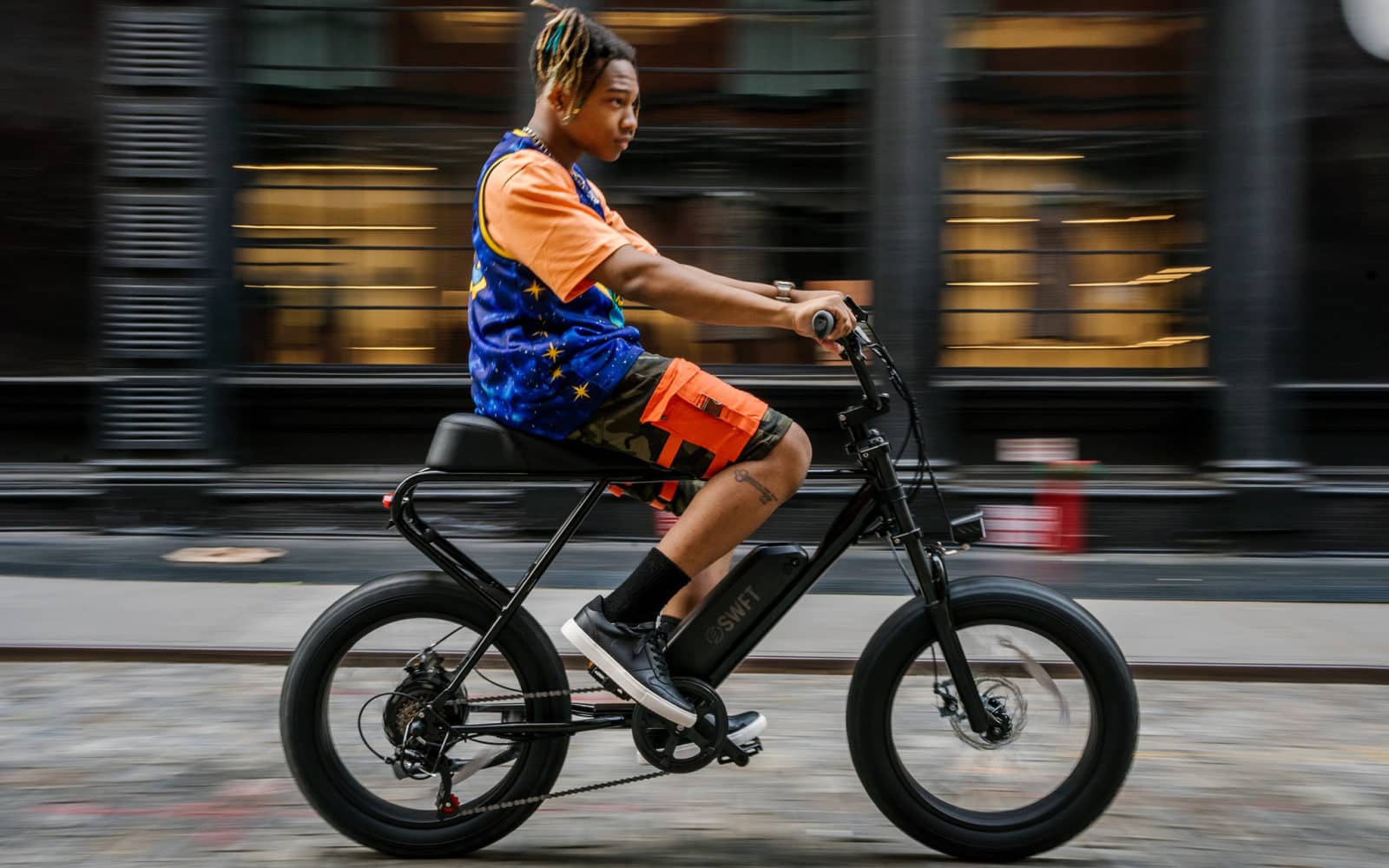
Choosing the right lithium battery for an electric bike is one of the most important decisions affecting performance, riding range, speed, and battery lifespan. A battery that is too small may limit your range, while a battery that is too powerful may not be compatible with your motor or controller.
Modern e-bikes mainly use lithium batteries because they offer high energy density, lower weight, longer lifespan, and better performance compared with older battery technologies. However, selecting the correct battery requires understanding important specifications such as voltage, amp-hours (Ah), watt-hours (Wh), motor compatibility, and riding conditions.
This guide explains how to choose the best lithium battery for your e-bike based on your riding style, distance requirements, motor power, terrain, and budget. Whether you use your electric bike for commuting, mountain riding, touring, or performance riding, the right battery configuration can significantly improve your experience.
Quick Guide: Choosing the Right E-Bike Lithium Battery
| Riding Type | Recommended Battery Range | Best For |
|---|---|---|
| Short City Commuting | 36V–48V, 10Ah–15Ah | Flat roads and daily transportation |
| Regular Commuting | 48V, 15Ah–20Ah | Longer daily rides and mixed terrain |
| Hill Riding | 48V–60V, higher Ah capacity | More torque and climbing ability |
| Long-Distance Touring | 52V–72V, high-capacity battery | Maximum range and extended rides |
| Performance E-Bikes | 60V–72V systems | High-speed and high-power applications |
Why Lithium Batteries Are the Best Choice for E-Bikes
Lithium-ion batteries have become the standard power source for modern electric bikes because they provide a strong balance between weight, capacity, charging speed, and durability.
Compared with older lead-acid batteries, lithium batteries store more energy in a smaller and lighter package. This allows e-bike manufacturers to create bikes with better range, improved handling, and easier battery installation.
Main Advantages of Lithium E-Bike Batteries
- Higher energy density compared with traditional batteries
- Lower weight for better riding performance
- Longer operating life with proper charging habits
- Faster charging capability
- Better efficiency for electric motors
- Available in many voltage and capacity options
Understanding E-Bike Battery Specifications
Before choosing a lithium battery, it is important to understand the numbers written on battery labels. The three most important specifications are voltage (V), amp-hours (Ah), and watt-hours (Wh).
Battery Voltage (V): How It Affects E-Bike Performance
Voltage determines the electrical power available to the motor system. A higher voltage battery can support higher motor performance when the motor, controller, and other components are designed to handle it.
Common e-bike battery voltages include 36V, 48V, 52V, 60V, and 72V. The correct voltage depends on your bike's motor and controller specifications. Installing an incompatible voltage battery can damage electrical components.
36V E-Bike Batteries
A 36V battery is commonly used for lightweight commuter e-bikes and bikes designed for moderate speeds. It works well for:
- Flat city roads
- Short-distance commuting
- Lower-power motors
- Riders prioritizing efficiency and lower weight
48V E-Bike Batteries
A 48V battery is one of the most popular choices because it provides a good balance between performance, range, and efficiency.
It is suitable for:
- Daily commuters
- 500W–750W class motors
- Mixed city and suburban riding
- Moderate hills
52V E-Bike Batteries
A 52V battery provides additional performance compared with standard 48V systems. It can improve acceleration and maintain power better under heavier loads.
It is often chosen by riders who want:
- More climbing power
- Higher performance
- Longer range without moving to very large battery packs
60V and 72V E-Bike Batteries
Higher voltage systems are generally designed for powerful electric bikes, off-road riding, and performance applications.
- High-power motors
- Fast acceleration
- Mountain riding
- Heavy riders or cargo applications
Battery Capacity (Ah): How Far Can Your E-Bike Travel?
Amp-hours (Ah) describe how much electrical charge a battery can store. A higher Ah rating usually means the battery can provide energy for a longer time before needing to recharge.
However, Ah alone does not tell the complete story. Battery voltage must also be considered because total stored energy depends on both values.
Watt-Hours (Wh): The Best Way to Compare Battery Size
Watt-hours provide a more accurate measurement of total battery energy because they combine voltage and capacity.
The formula is:
Watt-hours (Wh) = Voltage (V) × Amp-hours (Ah)
Example:
- 48V × 15Ah = 720Wh
- 48V × 20Ah = 960Wh
- 52V × 20Ah = 1040Wh
A higher Wh rating generally means more available energy and potentially longer range, although actual distance also depends on rider weight, terrain, speed, weather, tire pressure, and assist level. :contentReference[oaicite:0]{index=0}
How to Calculate E-Bike Battery Range
Battery range is one of the most important factors when choosing a lithium battery for an electric bike. Many riders focus only on voltage or amp-hours, but the actual range depends on the total battery energy and riding conditions.
The easiest way to estimate battery range is by using watt-hours (Wh).
Estimated Range = Battery Capacity (Wh) ÷ Energy Consumption (Wh per km)
For example:
- A 48V 20Ah battery provides 960Wh of energy.
- If your e-bike consumes approximately 15Wh per kilometer:
- 960Wh ÷ 15Wh/km = approximately 64 km range.
This is only an estimate because real-world range changes depending on several factors.
Factors That Affect E-Bike Battery Range
- Rider weight: Heavier loads require more motor assistance and consume more battery power.
- Terrain: Hills and rough surfaces require more energy than flat roads.
- Speed: Higher speeds increase power consumption because the motor works harder.
- Pedal assistance level: Using maximum assistance drains the battery faster.
- Weather conditions: Cold temperatures can temporarily reduce battery performance.
- Tire pressure: Proper inflation improves efficiency and reduces energy loss.
How Much Battery Capacity Do You Need?
The ideal battery capacity depends on how far you normally ride and how much assistance you expect from the motor.
| Riding Distance | Recommended Battery Capacity | Typical Use |
|---|---|---|
| Short trips (10–25 km) | 36V 10Ah–12Ah | Basic commuting and casual riding |
| Medium trips (25–60 km) | 48V 15Ah–20Ah | Daily commuting and mixed terrain |
| Long trips (60–100+ km) | 52V–72V 20Ah+ | Touring and adventure riding |
| High-power riding | 60V–72V high-capacity packs | Performance and off-road applications |
Choosing a Lithium Battery Based on Riding Style
Best Battery for City Commuting
For daily commuting, reliability and efficiency are usually more important than maximum speed. A 36V or 48V lithium battery is often enough for urban riders.
Recommended setup:
- 36V–48V battery
- 10Ah–20Ah capacity
- 250W–750W motor compatibility
This configuration provides a good balance between weight, cost, and practical range.
Best Battery for Hills and Mountain Riding
Hill climbing requires more torque and sustained motor power. A battery with higher voltage and sufficient capacity can help maintain performance under heavier loads.
Recommended setup:
- 48V–60V battery system
- Higher Ah capacity
- Strong battery discharge capability
- Compatible high-torque motor
Best Battery for Long-Distance Touring
Touring riders usually prioritize maximum range. A larger battery pack provides more stored energy but also increases weight.
Recommended setup:
- 52V–72V battery system
- 20Ah or higher capacity
- Large Wh rating
- Reliable battery management system
Lithium-Ion vs LiFePO4 E-Bike Batteries
Most e-bike batteries use lithium-ion technology, but different lithium chemistries offer different advantages. The two common choices are lithium-ion NMC batteries and lithium iron phosphate (LiFePO4) batteries.
Lithium-Ion (NMC) Batteries
Lithium-ion NMC batteries are popular because they provide excellent energy density, meaning they store more energy while keeping the battery pack smaller and lighter.
Advantages
- High energy density
- Lightweight design
- Good power output
- Common in modern e-bike systems
Disadvantages
- Requires proper battery management
- Performance decreases faster under extreme heat
- Requires quality cells and manufacturing
LiFePO4 Batteries
Lithium iron phosphate batteries are known for their excellent stability and long cycle life. They are often chosen where safety and durability are more important than minimum weight.
Advantages
- Very long cycle life
- Excellent thermal stability
- Strong safety characteristics
- Good for frequent charging applications
Disadvantages
- Heavier than many NMC lithium batteries
- Larger physical size for the same energy capacity
Matching Your Battery With the Motor and Controller
A common mistake when upgrading an e-bike battery is choosing a battery based only on size. The battery must match the motor and controller specifications.
Important compatibility factors include:
- Battery voltage
- Controller voltage rating
- Maximum discharge current
- Motor power requirements
- Connector compatibility
- Battery physical dimensions
Example: 500W Motor Setup
A 500W motor commonly works well with a 48V battery system. However, the battery must also provide enough continuous current to support the controller.
Example: 1000W+ Performance Setup
High-power motors often require higher voltage systems and batteries capable of delivering higher current without excessive voltage drop.
Installing a battery that does not match your electrical system can reduce performance, damage components, or create safety problems. Always check manufacturer specifications before upgrading.
E-Bike Lithium Battery Safety Checklist
A high-quality lithium battery is not only about capacity and range. Safety, battery management, and manufacturing quality are equally important factors when choosing an e-bike battery.
A reliable lithium battery should include a Battery Management System (BMS). The BMS monitors important battery conditions such as voltage, temperature, charging, and discharge levels to protect the cells.
Important Safety Features to Look For
- Battery Management System (BMS): Protects against overcharging, over-discharging, excessive current, and overheating.
- Quality battery cells: Reputable manufacturers use tested cells from reliable suppliers.
- Proper charger compatibility: Always use a charger designed for your specific battery voltage and chemistry.
- Battery protection enclosure: A strong housing protects cells from vibration, moisture, and physical damage.
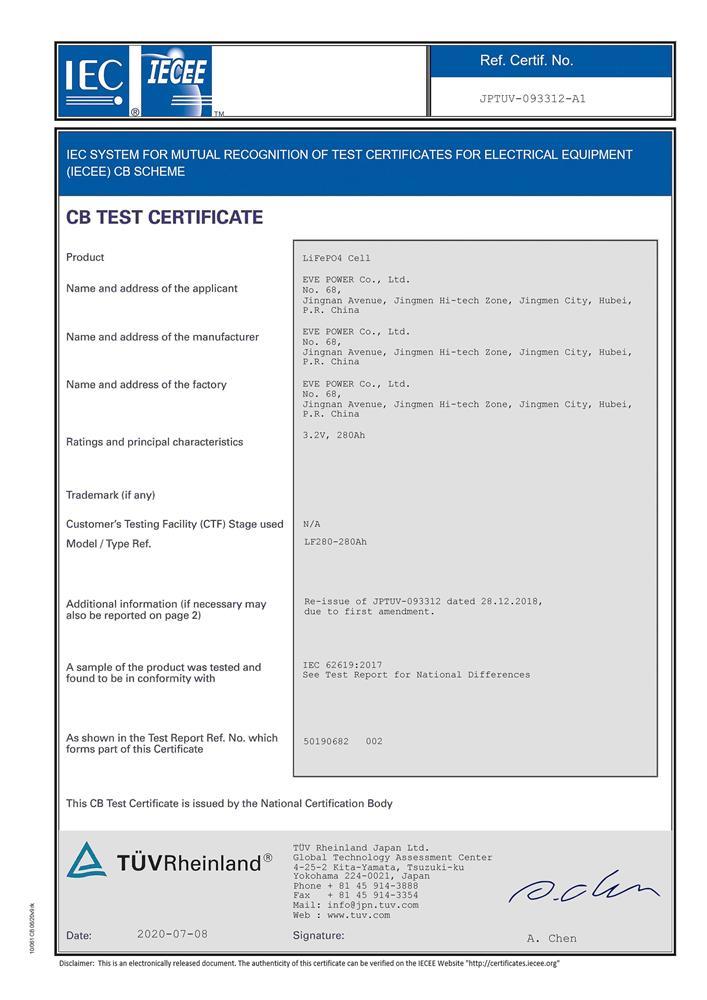
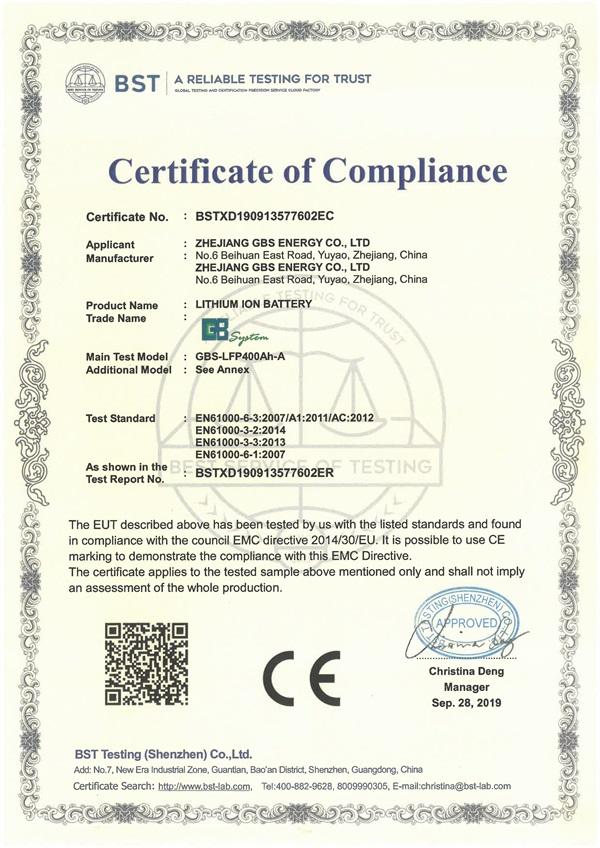
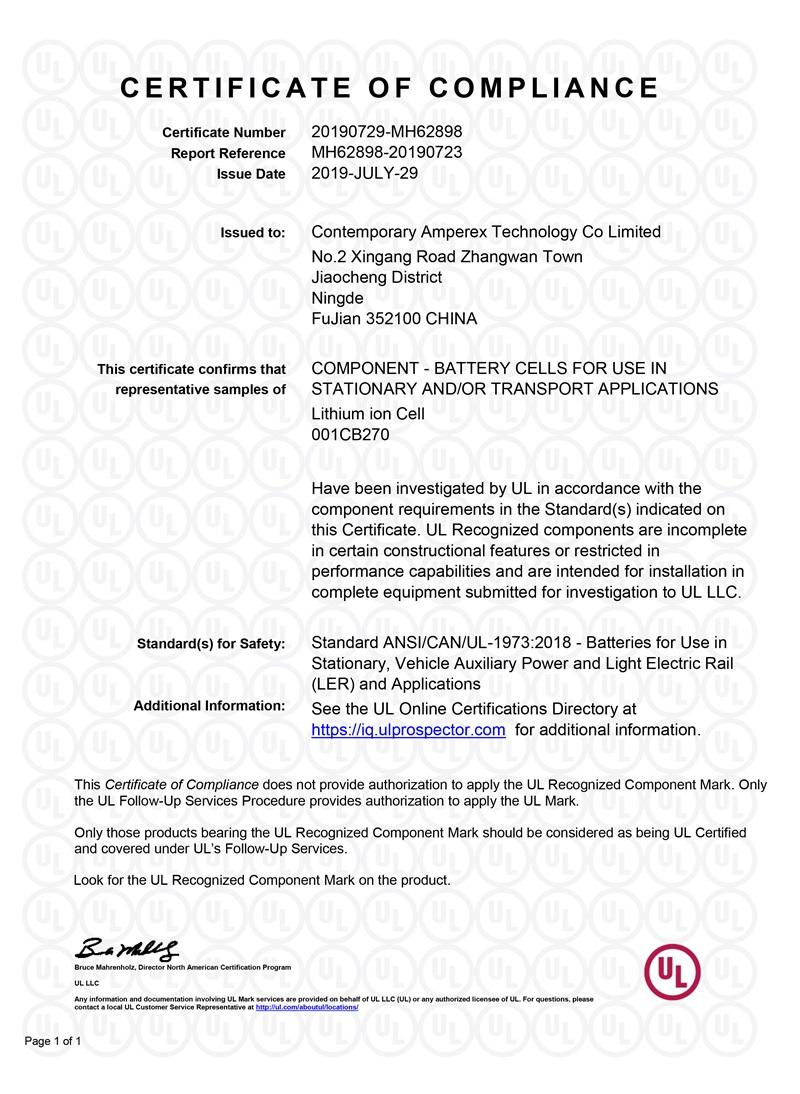
- Safety certifications: Look for batteries that meet relevant testing and transportation standards.
How to Properly Charge and Store an E-Bike Lithium Battery
Proper charging habits can improve battery performance and extend its usable life. Lithium batteries perform best when they are protected from extreme conditions.
Charging Tips
- Use the original or manufacturer-approved charger.
- Avoid using damaged charging cables or connectors.
- Do not leave the battery charging unattended for extended periods.
- Keep the battery away from extreme heat during charging.
- Allow the battery to cool after heavy riding before charging.
Storage Tips
- Store the battery in a dry location away from direct sunlight.
- Avoid storing the battery in extremely hot or freezing temperatures.
- For long-term storage, avoid leaving the battery completely empty.
- Periodically check battery condition if the bike is unused for a long period.
Battery safety is especially important because poorly manufactured batteries, incorrect chargers, and improper storage practices can increase the risk of overheating incidents. Using certified batteries and correct charging equipment helps reduce these risks. ([tomsguide.com](https://www.tomsguide.com/vehicle-tech/electric-bikes/dont-get-burned-i-talked-to-an-expert-on-how-to-safely-buy-charge-and-store-batteries-for-e-bikes-and-electric-scooters?utm_source=chatgpt.com))
Common Mistakes When Buying an E-Bike Lithium Battery
1. Choosing the Largest Battery Without Checking Compatibility
A bigger battery is not always the best option. A high-capacity battery may be heavier, larger, and incompatible with your motor controller.
Always check voltage, current requirements, physical dimensions, and mounting options before purchasing.
2. Looking Only at Amp-Hours (Ah)
Many buyers compare batteries only by Ah rating. However, Ah alone does not show total stored energy.
For example:
- 36V 20Ah battery = 720Wh
- 48V 20Ah battery = 960Wh
The 48V battery stores more energy even though both have the same Ah rating.
3. Buying the Cheapest Battery Available
Low-cost batteries may use lower-quality cells, weaker protection circuits, or poor manufacturing processes. A cheaper battery can result in shorter lifespan, reduced performance, and safety concerns.
4. Ignoring Battery Weight
Higher capacity usually means more weight. A large battery may improve range but can affect handling, portability, and riding comfort.
5. Ignoring Motor and Controller Requirements
The battery, motor, and controller work as a complete system. A battery upgrade should always match the electrical specifications of your e-bike.
How to Extend Your E-Bike Battery Lifespan
- Avoid unnecessary deep discharges.
- Store the battery in moderate temperatures.
- Use the correct charger.
- Keep electrical connections clean and dry.
- Avoid exposing the battery to water or physical damage.
- Follow manufacturer charging recommendations.
Frequently Asked Questions About Choosing an E-Bike Lithium Battery
What is the best lithium battery voltage for an e-bike?
There is no single best voltage for every e-bike. A 48V battery is one of the most common choices because it provides a good balance between performance, efficiency, and range. Higher voltage systems such as 60V or 72V are better suited for powerful motors and performance riding.
Is a higher Ah battery always better?
A higher Ah rating usually provides more range, but it also increases battery size and weight. The ideal capacity depends on your riding distance, motor power, and bike design.
How many watt-hours do I need for an e-bike?
Many commuter e-bikes use batteries between approximately 400Wh and 800Wh, while long-range and performance bikes may use larger battery packs. The required capacity depends on speed, terrain, rider weight, and riding style.
How long does an e-bike lithium battery last?
Battery lifespan depends on chemistry, charging habits, temperature, and usage. A quality lithium battery can provide years of reliable service when properly maintained.
Can I install a higher voltage battery on my e-bike?
Only if the motor, controller, display, and electrical components are designed to support that voltage. Installing an incompatible battery can damage the system.
Which is better for e-bikes: lithium-ion or LiFePO4?
Lithium-ion NMC batteries are usually preferred when lightweight design and high energy density are important. LiFePO4 batteries are better when safety, stability, and long cycle life are the priority.
Final Guide: Choosing the Right Lithium Battery for Your E-Bike
The best lithium battery for your e-bike depends on your specific riding needs. There is no universal battery that works perfectly for every rider.
For everyday commuting, a 36V or 48V lithium battery usually provides an excellent balance of range, weight, and cost. Riders who frequently climb hills or carry heavier loads may benefit from higher voltage systems with larger capacity. Long-distance riders should focus on maximizing watt-hours while considering battery weight and bike compatibility.
Before buying an e-bike lithium battery, always consider:
- Your motor voltage and controller specifications
- Your required riding range
- Your terrain and riding style
- Battery chemistry and quality
- Safety features such as BMS protection
- Physical size and mounting compatibility
Choosing the correct lithium battery will improve your e-bike's performance, reliability, and overall riding experience. Instead of simply buying the biggest battery available, select a battery that matches your bike and your real-world riding requirements.
- Next:Li-ion vs Li-SOCl2 Batteries: Complete Comparison, Differences & Applications
- Previous:21700 Battery: Complete Guide to Size, Voltage, Capacity & Applications
Contact Details
Lithium LiFePO4 Batteries and Lithium LiFePO4 Cells Supplier - LiFePO4 Battery Shop
Contact Person: Miss. Elena Wang
WhatsApp : +8615263269227
Skype : +8615263269227
WeChat :15263269227
Email : info@lifepo4batteryshop.com
All Products
- TC Elcon Charger (3)
- Headway Lithium Battery (6)
- Blade Battery (10)
- Semi Solid State Battery (6)
- A123 Battery (6)
- Sinopoly Battery (7)
- GBS Battery (16)
- CALB Battery (26)
- Cylindrical Cell (14)
- Energy Storage System (0)
- Battery Management System (15)
- Sodium ion Battery Cell (4)
- Lithium Titanate Battery (23)
- Ternary Lithium Battery Cell (12)
- REPT Battery (10)
- BYD Battery (5)
- CATL Battery (15)
- Thunder Sky Winston Battery (26)
- EVE Battery (37)
- LiFePO4 Battery Cell (37)
Certification
Customer Reviews
- I have fond memories of our meeting in Shanghai with LiFePO4 Battery Shop Elena. Your company left a strong impression on me with its impressive growth and professionalism. We both value straightforwardness and honesty, which I believe are the most important qualities in any partnership. I am confident that we can build a successful collaboration based on these shared values. —— Robert from USA
- I've been working with LiFePO4 Battery Shop for years, and their reliability is unmatched. While other suppliers frequently change sales teams, LiFePO4 Battery Shop has consistently provided exceptional service with a stable team. Their commitment to quality and customer support truly sets them apart. —— Henry from Australia