
Blog
How Many Volts Are Needed to Start a Car? A Comprehensive Guide to Battery Voltage
2026-03-11 | Calvin
- What is Car Battery Voltage?
- How Many Volts to Start a Car?
- How to Test Car Battery Voltage?
- Why Does a Starting Battery Lose Voltage?
- Signs of a Weak Battery
- Conclusion
- FAQs
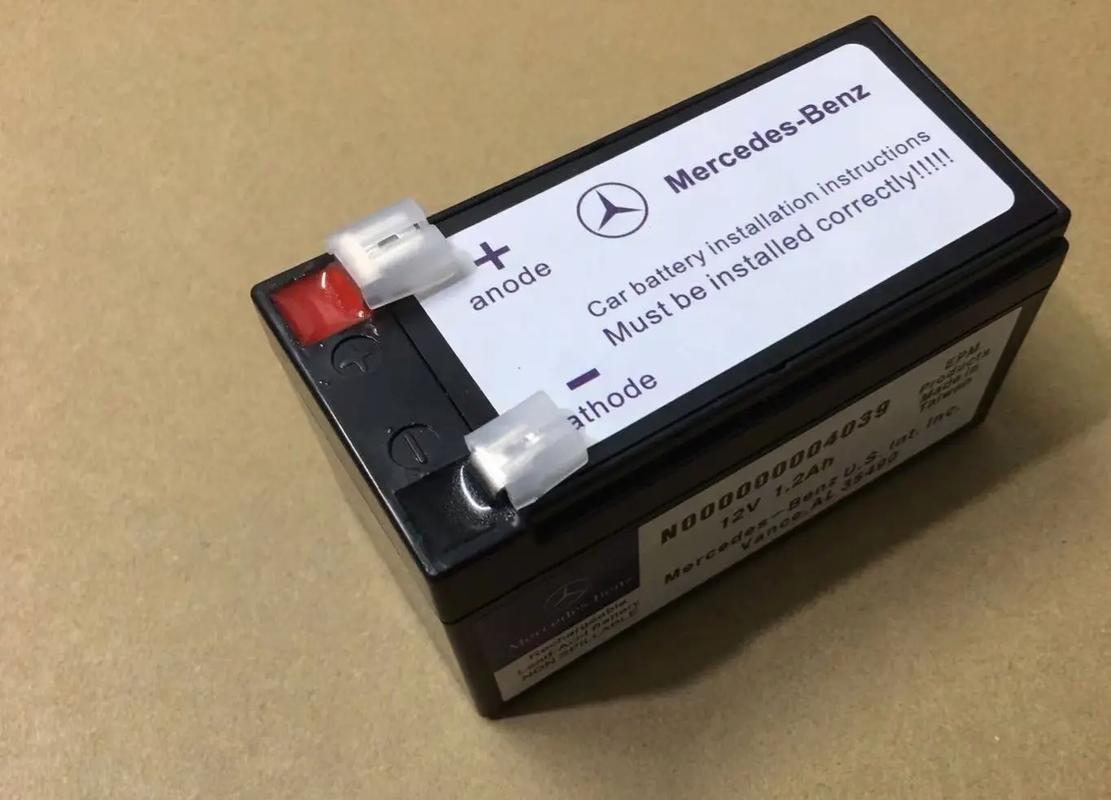
Picture this: You’re gearing up for a weekend road trip, feeling the excitement of a new adventure, only to hear a faint click when you turn the key—your car won’t start. The culprit? Likely, insufficient battery voltage. Whether you're an RV enthusiast or just someone on the go, understanding car battery voltage is crucial to ensuring a smooth ride.
A car battery plays a pivotal role in your vehicle’s electrical system. It provides the surge of power needed to crank the starter motor and get your engine running, and it powers essential electronics when the engine is off. So, how many volts does it really take to start a car? Let’s dive in.
What is Car Battery Voltage?
Car battery voltage is a measure of the electrical pressure pushing through the vehicle’s circuit. Think of it like water pressure in a pipe: the higher the voltage, the more electrical "pressure" flows through the system.
In most modern vehicles, a 12-volt electrical system is used. This system includes the battery, alternator, and electrical components, all of which work in harmony. When the engine is off, the battery provides the power needed to start the car. Once the engine starts, the alternator takes over, supplying power to all electrical components while also recharging the battery.
How Many Volts to Start a Car?
A healthy car battery should provide around 12.6 volts when the engine is off. Once the engine starts, the alternator kicks in, raising the voltage to around 13.5-14.5 volts to recharge the battery.
However, during the engine starting process, the voltage temporarily drops to around 10 volts. This is normal and reflects the energy required to start the engine. Here’s how to interpret voltage readings:
- 12.0–12.4 volts: Battery is functional, but you may notice slower cranking, especially in cold weather. It’s a good idea to check the battery or recharge it soon.
- 11.5–11.9 volts: Starting becomes more challenging, and you might need to try multiple times. This indicates a battery that’s reaching the end of its charge and should be monitored closely.
- Below 11.5 volts: Your car likely won’t start. The battery is either significantly discharged or failed and requires immediate replacement.
Understanding these voltage ranges helps prevent unexpected breakdowns and ensures you're not caught off guard when it's time to hit the road.
How to Test Car Battery Voltage?
Testing your battery’s voltage is a simple and essential task for all car owners, especially RV enthusiasts. A digital multimeter is the best tool for the job. To test:
- Turn off the engine.
- Set the multimeter to measure DC voltage (typically shown as “V” with a straight line).
- Place the red probe on the positive terminal (+) and the black probe on the negative terminal (-).
- Check the reading: A healthy battery should show a voltage of around 12.6V when the engine is off.
If your readings are significantly lower, it might be time for a recharge or replacement.
Why Does a Starting Battery Lose Voltage?
Several factors can cause a car battery’s voltage to drop, resulting in difficulty starting the engine. Let’s break them down:
- Excessive Discharge: If the battery is drained frequently or excessively (e.g., by running accessories with the engine off), it can lose its ability to maintain a full charge.
- Poor Connections: Corroded or loose battery terminals can prevent the battery from delivering enough voltage. This resistance impacts the electrical circuit and makes it harder for your car to start.
- Temperature Effects: Extreme temperatures (both hot and cold) can damage a battery’s internal components. Cold temperatures reduce the battery's ability to generate power, while heat can increase internal resistance, both leading to lower voltage output.
Regularly checking your battery’s health and maintaining proper connections can extend its life and ensure reliable starts.
Signs of a Weak Battery
A weak battery can be an inconvenience when you're on the road. Here are some signs that your battery might be struggling:
- Slow Cranking: If your engine takes longer to start, or the cranking sounds weaker than usual, it’s a sign that the battery may be losing power.
- Dimming or Flickering Lights: Dimming headlights or flickering dashboard lights, especially when you start the engine, can signal a failing battery.
- Dashboard Warning Light: Many modern cars have a battery warning light that illuminates when there’s an issue. If this light stays on, it’s time to have the battery tested.
- Sulfur Smell: A rotten egg or sulfur smell near the battery could indicate that it’s leaking or overheating.
If your battery is more than 3 years old, it's wise to test it regularly, as batteries typically begin to lose capacity after this period.
Conclusion
Knowing how many volts are needed to start a car is essential for every vehicle owner. A healthy battery should provide at least 12.6 volts for reliable starts, with readings below 12 volts indicating potential issues that require attention. By staying vigilant and monitoring your battery’s voltage, you can avoid unexpected breakdowns and ensure your car runs smoothly.
FAQs
Can a car start with 11.9 volts?
Yes, a car can start with 11.9 volts, but it indicates the battery is running low, and you may experience slower cranking, especially in colder temperatures. It's recommended to recharge or replace the battery soon.
Why does my car battery read 12.4 volts but still won’t start?
If your battery reads 12.4 volts but the car still won’t start, it could indicate a problem with the battery’s ability to provide sufficient current to the starter motor. It might be a sign of internal damage, poor connections, or an issue with the alternator.
How long can a car battery last with 12 volts?
A fully charged car battery typically reads around 12.6 volts. If your battery consistently shows 12 volts or lower, it could be nearing the end of its lifespan (usually around 3–5 years), and you should consider getting it tested or replaced.
- Next:What are the 18650 Lithium-Ion Battery Advantages and Disadvantages
- Previous:OEM vs. ODM Batteries: Choosing the Right Power Source
Contact Details
Lithium LiFePO4 Batteries and Lithium LiFePO4 Cells Supplier - LiFePO4 Battery Shop
Contact Person: Miss. Elena Wang
WhatsApp : +8615263269227
Skype : +8615263269227
WeChat :15263269227
Email : info@lifepo4batteryshop.com
All Products
- TC Elcon Charger (0)
- Headway Lithium Battery (6)
- Blade Battery (10)
- Semi Solid State Battery (6)
- A123 Battery (5)
- Sinopoly Battery (7)
- GBS Battery (16)
- CALB Battery (24)
- Cylindrical Cell (9)
- Energy Storage System (0)
- Battery Management System (5)
- Sodium ion Battery Cell (4)
- Lithium Titanate Battery (22)
- Ternary Lithium Battery Cell (12)
- REPT Battery (10)
- BYD Battery (2)
- CATL Battery (15)
- Thunder Sky Winston Battery (22)
- EVE Battery (30)
- LiFePO4 Battery Cell (13)
Certification

Customer Reviews
- I have fond memories of our meeting in Shanghai with LiFePO4 Battery Shop Elena. Your company left a strong impression on me with its impressive growth and professionalism. We both value straightforwardness and honesty, which I believe are the most important qualities in any partnership. I am confident that we can build a successful collaboration based on these shared values. —— Robert from USA
- I've been working with LiFePO4 Battery Shop for years, and their reliability is unmatched. While other suppliers frequently change sales teams, LiFePO4 Battery Shop has consistently provided exceptional service with a stable team. Their commitment to quality and customer support truly sets them apart. —— Henry from Australia