
Blog
What are the 18650 Lithium-Ion Battery Advantages and Disadvantages
2026-02-28 | Calvin
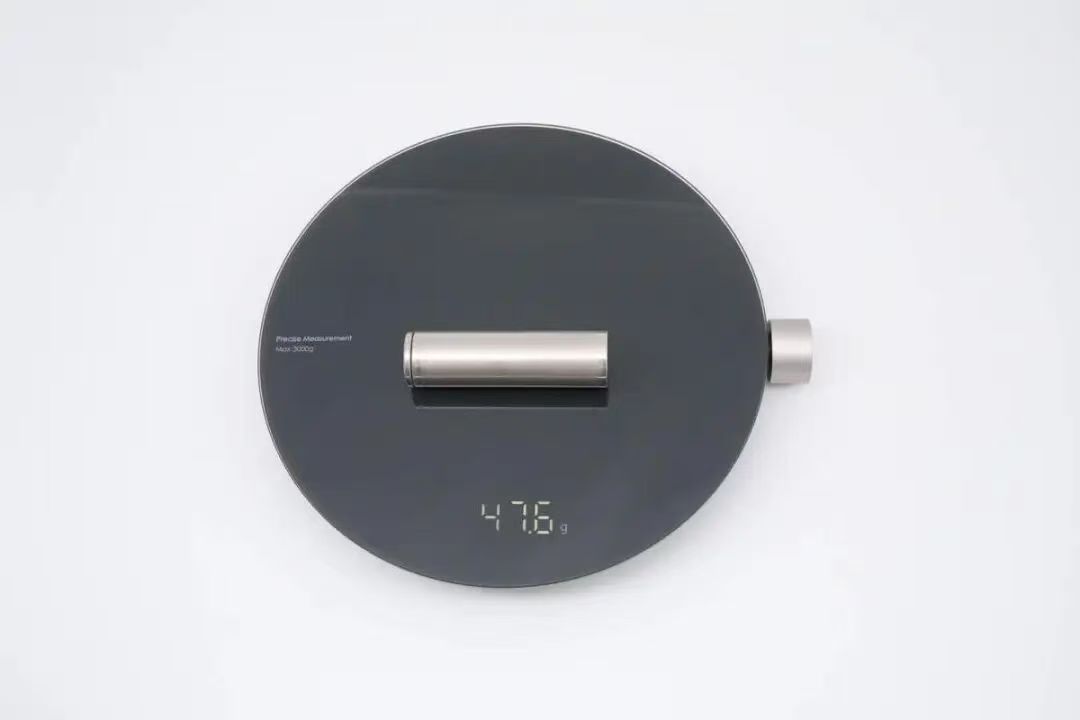
The 18650 lithium-ion battery has become one of the most widely used cylindrical battery formats in the world. From power tools to energy storage systems, it plays a critical role in modern portable and high-performance electronics.
But what are the real advantages and disadvantages of 18650 batteries? And how do they compare with other lithium battery technologies?
In this guide, we’ll break down the technical strengths, limitations, safety considerations, and real-world applications of 18650 cells—helping consumers make informed decisions.
What Is an 18650 Battery?
An 18650 battery is a cylindrical lithium-ion cell measuring approximately 18mm in diameter and 65mm in length (hence the name 18650). It typically operates at a nominal voltage of 3.6V–3.7V, with full charge voltage up to 4.2V.
Originally popularized by manufacturers like Panasonic and later adopted at massive scale by Tesla in early EV battery packs, the 18650 format is now a global industry standard.
Advantages of 18650 Lithium Batteries
1. High Energy Density and Large Capacity
Modern 18650 cells typically offer capacities ranging from 1200mAh to 3600mAh, depending on the chemistry and design.
When assembled into battery packs, capacities can easily exceed 5,000mAh, and in energy storage systems, hundreds or thousands of cells can be configured to deliver kilowatt-level capacity.
Why it matters:
- Power tools
- E-bikes
- Flashlights
- Portable power stations
- Solar storage systems
Higher energy density means longer runtime for devices and greater efficiency for integrated systems.
2. Long Cycle Life
Quality 18650 lithium-ion cells typically deliver:
- 500–1,000 charge cycles (standard Li-ion chemistry)
- Even higher with optimized charging management
Compared to traditional nickel-cadmium (NiCd) or nickel-metal hydride (NiMH) batteries, this represents roughly double the usable lifespan under normal operating conditions.
Longer cycle life = lower total cost of ownership (TCO) for industrial and commercial users.
3. High Operating Voltage
A single 18650 lithium-ion cell operates at:
- Nominal voltage: 3.6V–3.7V
- Fully charged voltage: 4.2V
This is significantly higher than:
- NiCd batteries (1.2V)
- NiMH batteries (1.2V)
Higher voltage reduces the number of cells required in many applications, simplifying pack design and improving efficiency.
4. No Memory Effect
Unlike older battery technologies, 18650 lithium-ion batteries:
- Do not require full discharge before recharging
- Can be charged at any state of charge
- Maintain stable capacity without “memory effect” degradation
This makes them highly practical for daily-use electronics and professional equipment.
5. Low Internal Resistance
Premium 18650 cells can have internal resistance as low as ≤35mΩ (depending on model).
Benefits include:
- Higher discharge efficiency
- Lower heat generation
- Better performance under high load
- Reduced self-discharge
This makes them ideal for high-drain devices such as power tools, tactical flashlights, and portable communication devices.
6. Strong Safety Performance (With Proper Design)
Modern 18650 cells incorporate multiple safety mechanisms:
- Physical separation of positive and negative electrodes
- Pressure relief vents
- Thermal protection
- Integration with Battery Management Systems (BMS)
When combined with a high-quality protection circuit, risks such as overcharging, over-discharging, and short-circuiting can be effectively minimized.
Many certified cells comply with international environmental standards such as RoHS.
Important: Safety performance depends heavily on manufacturer quality and battery management integration.
7. Flexible Pack Configuration
18650 cells can be connected:
- In series (to increase voltage)
- In parallel (to increase capacity)
- In series-parallel combinations (for balanced power systems)
This modularity makes them highly scalable for e-mobility systems, solar battery storage, industrial backup power, and custom OEM battery packs.
8. Wide Range of Applications
Thanks to standardized dimensions and global supply chains, 18650 batteries are widely used in:
- Laptops
- Walkie-talkies
- Portable DVD players
- Audio equipment
- Model aircraft
- Digital cameras
- Power banks
- Energy storage systems
Their mature ecosystem makes sourcing easier and more cost-effective compared to niche battery formats.
Disadvantages of 18650 Lithium Batteries
1. Fixed Cylindrical Size
The 18650 format has non-customizable dimensions (18mm × 65mm).
This can be a disadvantage compared to prismatic lithium cells, polymer (LiPo) batteries, and custom-shaped battery packs.
In slim electronic products or ultra-compact devices, flat or pouch cells may offer better space utilization.
2. Requires Protection Circuit (BMS)
All lithium-ion batteries—including 18650 cells—require a Battery Management System (BMS) to prevent:
- Overcharging
- Deep discharge
- Overcurrent
- Thermal runaway
This adds design complexity, additional cost, and engineering requirements for OEM manufacturers.
3. Risk of Thermal Runaway if Poorly Manufactured
Although modern 18650 batteries are generally safe, low-quality or counterfeit cells may short circuit, overheat, catch fire, or explode.
Cells using lithium cobalt oxide (LiCoO₂) chemistry are less tolerant of high discharge currents compared to newer chemistries such as NMC or LFP.
This makes supplier selection critical.
4. Higher Production Requirements and Cost
Compared to traditional alkaline or NiMH batteries, 18650 lithium-ion batteries require:
- Cleanroom manufacturing
- Strict material purity control
- Precision assembly
- Advanced quality testing
These high production standards increase costs but also ensure high energy density and performance.
Is the 18650 Battery Still a Good Choice in 2026?
Despite the rise of newer formats like 21700 and LFP prismatic cells, 18650 batteries remain highly reliable, cost-effective, globally standardized, and technically mature.
For many industrial and commercial applications, they continue to deliver an optimal balance of performance, availability, and scalability.
- Next:Battery Cell vs Module vs Pack: What’s the Difference?
- Previous:How Many Volts Are Needed to Start a Car? A Comprehensive Guide to Battery Voltage
Contact Details
Lithium LiFePO4 Batteries and Lithium LiFePO4 Cells Supplier - LiFePO4 Battery Shop
Contact Person: Miss. Elena Wang
WhatsApp : +8615263269227
Skype : +8615263269227
WeChat :15263269227
Email : info@lifepo4batteryshop.com
All Products
- TC Elcon Charger (0)
- Headway Lithium Battery (6)
- Blade Battery (10)
- Semi Solid State Battery (6)
- A123 Battery (5)
- Sinopoly Battery (7)
- GBS Battery (16)
- CALB Battery (24)
- Cylindrical Cell (8)
- Energy Storage System (0)
- Battery Management System (5)
- Sodium ion Battery Cell (4)
- Lithium Titanate Battery (21)
- Ternary Lithium Battery Cell (12)
- REPT Battery (10)
- BYD Battery (2)
- CATL Battery (15)
- Thunder Sky Winston Battery (22)
- EVE Battery (30)
- LiFePO4 Battery Cell (13)
Certification
Customer Reviews
- I have fond memories of our meeting in Shanghai with LiFePO4 Battery Shop Elena. Your company left a strong impression on me with its impressive growth and professionalism. We both value straightforwardness and honesty, which I believe are the most important qualities in any partnership. I am confident that we can build a successful collaboration based on these shared values. —— Robert from USA
- I've been working with LiFePO4 Battery Shop for years, and their reliability is unmatched. While other suppliers frequently change sales teams, LiFePO4 Battery Shop has consistently provided exceptional service with a stable team. Their commitment to quality and customer support truly sets them apart. —— Henry from Australia