
Blog
How do BMS, EMS, and PCS Achieve Safe Collaboration in Energy Storage Systems?
2026-04-29 | Calvin
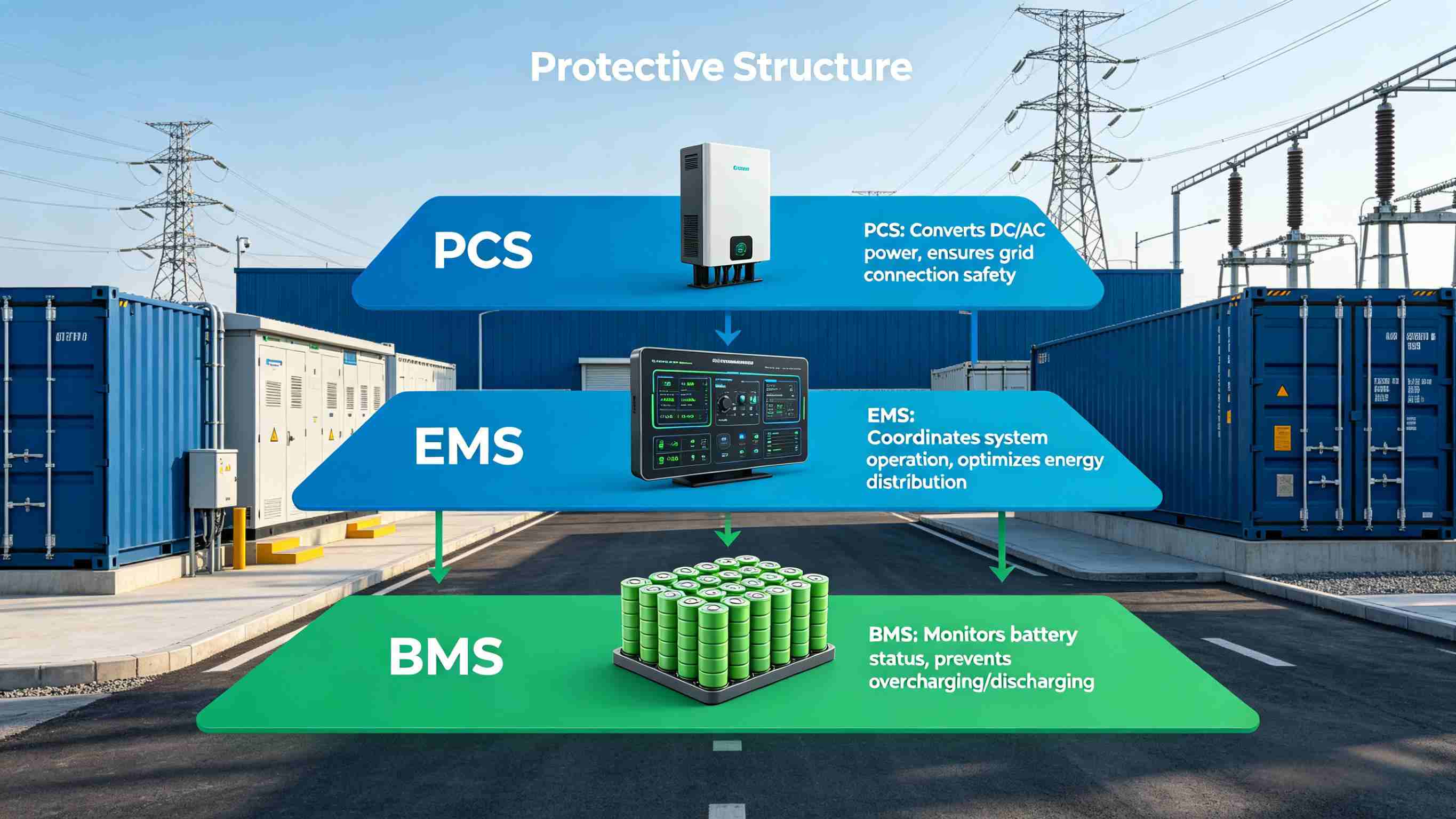
In the operation of an energy storage system, safety is never ensured by a single device but through the collaborative effort of three key components: BMS, PCS, and EMS. These components have clearly defined roles and form a closed-loop safety protection network. Even if one of the safety measures temporarily fails, the other two can immediately take over to maintain the safety baseline.
1. 3S System Protection Functions
1.1 BMS—The First Line of Defense at the Bottom Level
The BMS is the only system directly connected to each individual battery or battery string. Its core protection function is to monitor the voltage, temperature, current, and state of charge (SOC) of each battery, preventing overcharging, overdischarging, overheating, short circuits, and inconsistencies in the performance of individual batteries. If any abnormality is detected in a single battery or battery cluster, the BMS can respond in microsecond-to-millisecond speed, limiting the current, cooling down, or even directly disconnecting the switch of that battery cluster.
1.2 PCS—The Second Line of Defense Connecting the Upper and Lower Levels
The PCS acts as the gateway for energy input and output in the energy storage system. Its core responsibility is to monitor the total voltage and current on the DC side of the batteries, as well as the status of the AC side power grid, preventing overcurrent, overvoltage, abnormal grid frequency, short circuits, and other risks. Its response time is also in milliseconds, ensuring that even if the BMS does not respond in time, the PCS can directly cut off the charge/discharge loop and provide "circuit-level" protection for the entire battery stack. Additionally, it acts as a bridge between the BMS and EMS, receiving dispatch instructions from above and providing battery status information below.
1.3 EMS—The Third Line of Defense with Global Oversight
The EMS is the brain and central control system of the entire energy storage station. It can monitor the operational status of all devices in the station, including batteries, PCS, fire safety systems, air conditioning, etc., and can interface with grid dispatch instructions, peak and valley electricity pricing, and user electricity demand.
Its core protection responsibility is not to manage individual batteries but to handle risk control and global scheduling for the entire station. It issues charge/discharge commands, schedules when to charge and discharge, and determines the operating power. The EMS also consolidates all equipment abnormal signals and, once a significant risk is detected, can issue an emergency shutdown command for the entire station, activating fire safety, air conditioning, and other systems into emergency mode. It serves as the last and most comprehensive safety line for the entire energy storage system.
2. Tiered Response to Abnormal Conditions
The energy storage system divides risks into three levels, each with clear response procedures. These procedures work together to ensure safety even if one system fails.
2.1 Level One Abnormality (Minor Issues):
BMS takes the lead, with PCS and EMS providing synchronized support to accurately prevent further damage. Examples include slight temperature increases in a single battery or minor voltage imbalances, which exceed warning thresholds but are not yet at dangerous levels.
Step 1: The BMS detects the abnormality first and responds in milliseconds, limiting the current and actively balancing the batteries, reducing temperature and voltage. The BMS immediately synchronizes the abnormal data to the PCS and EMS.
Step 2: Upon receiving the signal, the PCS immediately reduces the charge/discharge power of the affected battery cluster to prevent the issue from worsening.
Step 3: The EMS, upon receiving the signal, adjusts the overall charging and discharging plan for the station, redistributing the power of the affected battery cluster to others, ensuring normal operation of the entire station without interruption, and triggers a warning for maintenance personnel to inspect the system.
2.2 Level Two Abnormality (Moderate Issues):
The BMS and PCS provide dual protection, while the EMS manages the entire station to completely isolate the risk. Examples include severe overcharging or overheating of a battery cluster, triggering protection thresholds, or the risk of a short circuit and localized fire.
Step 1: The BMS immediately triggers emergency protection for the battery cluster, disconnecting the DC switch for that cluster and isolating the abnormal battery, while synchronizing the emergency shutdown signal to the PCS and EMS.
Step 2: The PCS, upon receiving the signal, cuts off the charge/discharge loop for that battery cluster, stopping the charge and discharge, providing a second layer of isolation.
Step 3: The EMS, upon receiving the signal, immediately issues a station-wide power reduction command, triggering a secondary warning. The EMS also activates the air conditioning and fire systems into pre-control mode, alerts maintenance personnel for urgent intervention, and reports the situation to grid dispatch to prevent affecting grid stability.
2.3 Level Three Abnormality (Severe Issues):
The EMS provides global oversight, while the PCS and BMS cut off all links in the system, resulting in an emergency shutdown of the entire station. Examples include multiple battery clusters experiencing rapid temperature increases, smoke alarms triggering, fire safety systems activating, or significant grid failures that pose risks of station-wide fire or uncontrolled situations.
Step 1: The EMS, acting as the top-level brain, consolidates abnormal signals from multiple battery clusters (BMS), power grid anomalies (PCS), and fire system alarms, assessing the major risk. It then issues an immediate emergency shutdown command for the entire station, sending stop and disconnect orders to all PCS and BMS units and simultaneously activating emergency measures in fire safety, access control, air conditioning, and other systems.
Step 2: The PCS, upon receiving the command, cuts off all AC and DC circuits, completely disconnecting the energy storage system from the grid and blocking all current flow, providing full station-level protection.
Step 3: The BMS, upon receiving the command, immediately disconnects the DC switches for all battery clusters, isolating each battery group completely to prevent any current cross-flow or short circuit, locking in the risk from the battery side.
3. Conclusion
The BMS manages "cell-level" safety, serving as the first line of defense to protect the safety of individual batteries.
The PCS manages "circuit-level" safety, acting as the second line of defense to safeguard the energy flow in and out of the system.
The EMS manages "station-level" safety, acting as the third line of defense to oversee the entire station's operation and emergency response.
These three systems form a closed-loop collaborative protection system. During normal operation, they communicate in real time and cooperate accurately, ensuring the energy storage system is both efficient and safe. When anomalies occur, they respond in tiers, with each level providing a backup. Even if one defense line fails, the other two can immediately take over, effectively providing a "triple insurance" for the system.
- Next:18650 Battery Specs: Size, Voltage, Capacity & How to Choose the Right Cell
- Previous:A Complete Guide to Ternary Lithium Battery: NMC Technology, Performance & Applications (2026)
Contact Details
Lithium LiFePO4 Batteries and Lithium LiFePO4 Cells Supplier - LiFePO4 Battery Shop
Contact Person: Miss. Elena Wang
WhatsApp : +8615263269227
Skype : +8615263269227
WeChat :15263269227
Email : info@lifepo4batteryshop.com
All Products
- TC Elcon Charger (0)
- Headway Lithium Battery (6)
- Blade Battery (10)
- Semi Solid State Battery (6)
- A123 Battery (6)
- Sinopoly Battery (7)
- GBS Battery (16)
- CALB Battery (25)
- Cylindrical Cell (9)
- Energy Storage System (0)
- Battery Management System (11)
- Sodium ion Battery Cell (4)
- Lithium Titanate Battery (22)
- Ternary Lithium Battery Cell (12)
- REPT Battery (10)
- BYD Battery (5)
- CATL Battery (15)
- Thunder Sky Winston Battery (26)
- EVE Battery (35)
- LiFePO4 Battery Cell (17)
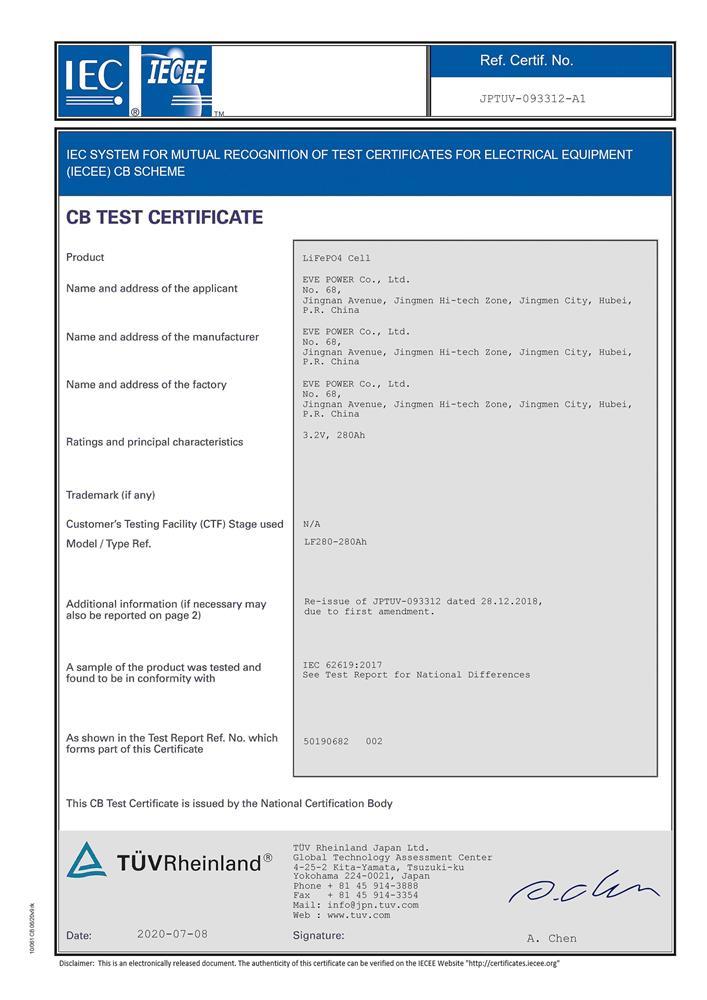
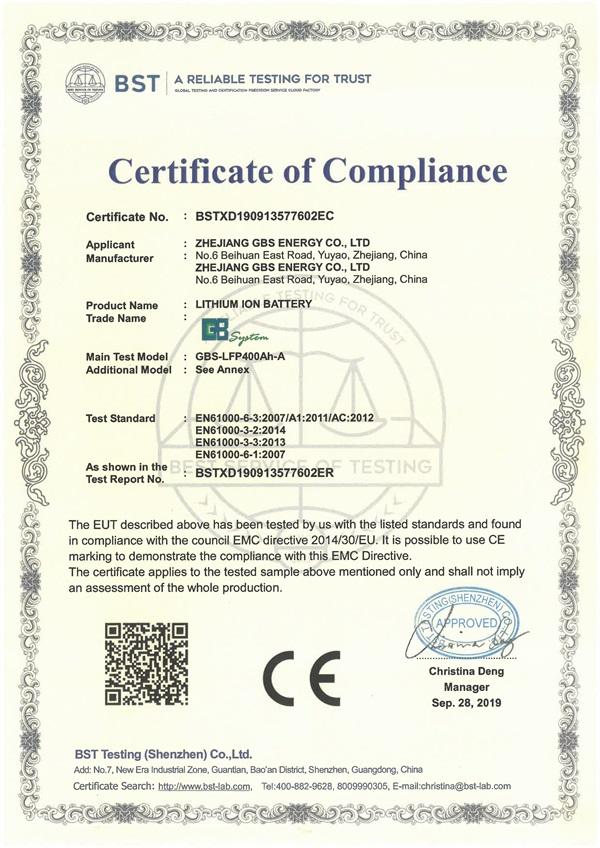
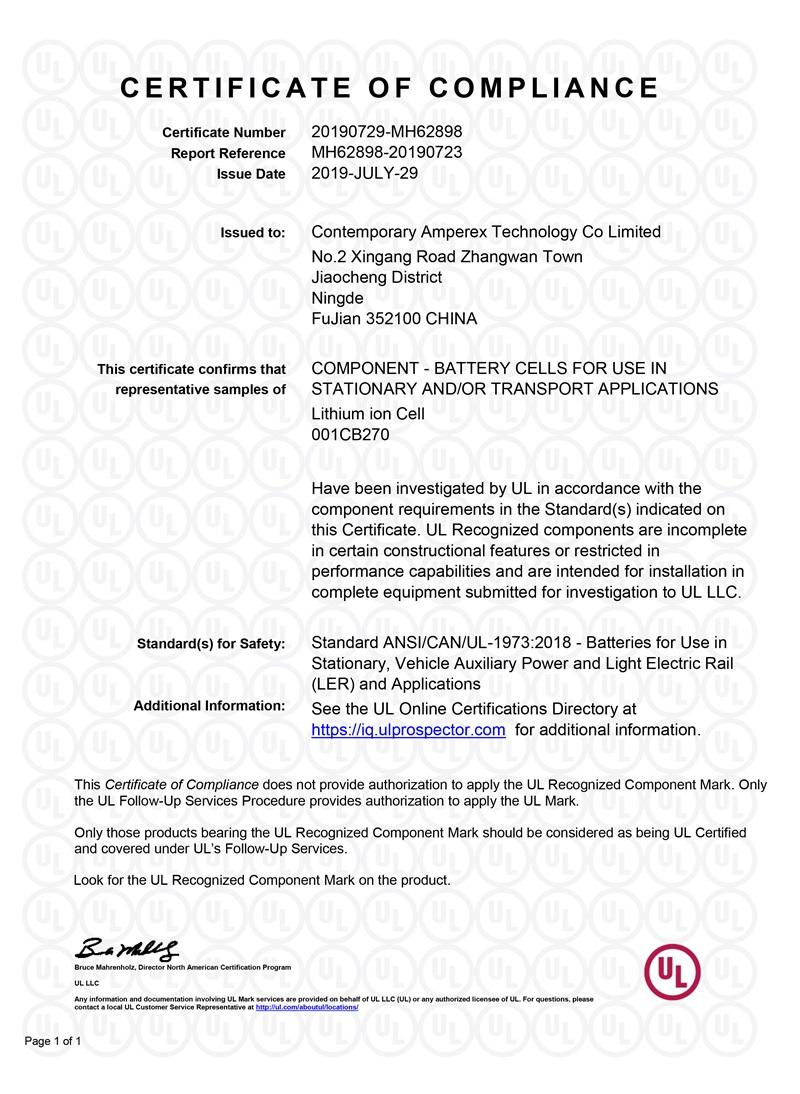
Certification
Customer Reviews
- I have fond memories of our meeting in Shanghai with LiFePO4 Battery Shop Elena. Your company left a strong impression on me with its impressive growth and professionalism. We both value straightforwardness and honesty, which I believe are the most important qualities in any partnership. I am confident that we can build a successful collaboration based on these shared values. —— Robert from USA
- I've been working with LiFePO4 Battery Shop for years, and their reliability is unmatched. While other suppliers frequently change sales teams, LiFePO4 Battery Shop has consistently provided exceptional service with a stable team. Their commitment to quality and customer support truly sets them apart. —— Henry from Australia