
Blog
Ultimate Guide to Buying the Right ATV Battery
2026-01-07 | Calvin
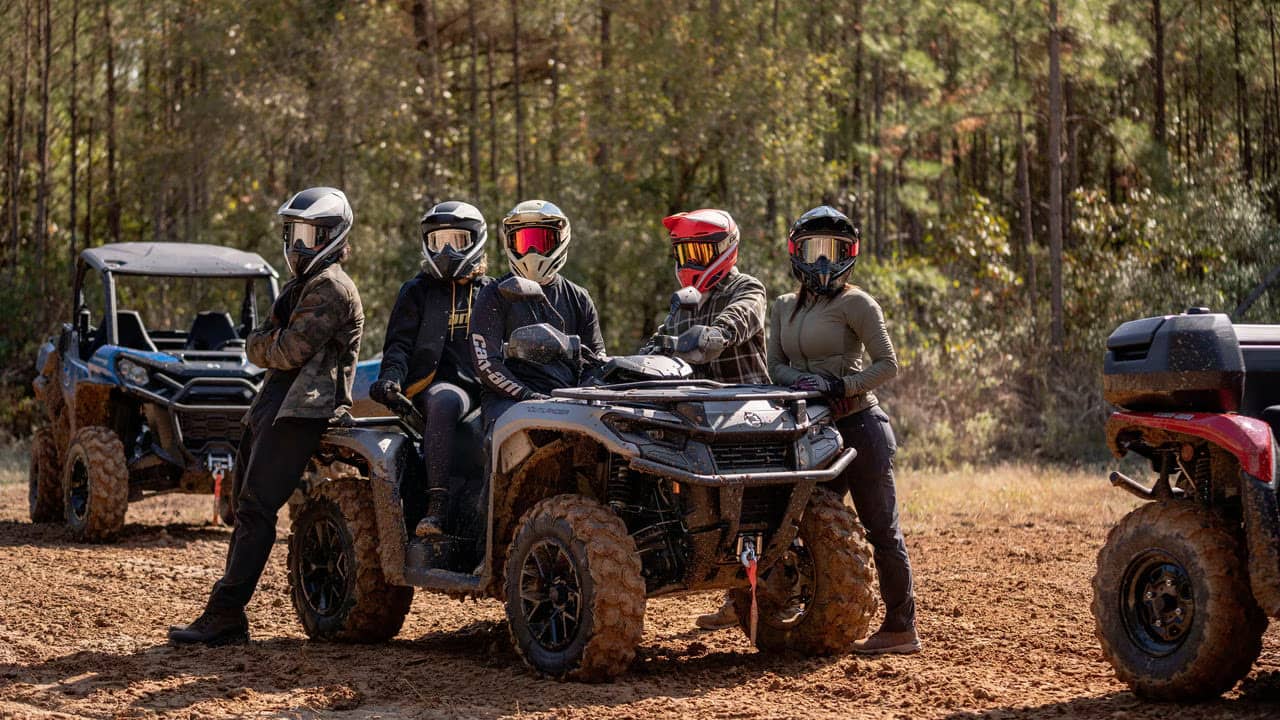
ATVs (All-Terrain Vehicles) are designed to tackle rugged terrains and provide outdoor adventure, whether for work or recreation. However, just like any other vehicle, an ATV requires a reliable power source to function—its battery. Choosing the right ATV battery is crucial to ensuring smooth rides and extending the life of your machine. This guide will help you understand the different types of ATV batteries, how to choose the best one for your needs, and essential maintenance tips to keep your battery in top condition.
Understanding ATV Batteries: The Heart of Your ATV
ATVs are powerful four-wheeled vehicles that are built to traverse tough terrains like mud, snow, and sand. A crucial component of any ATV is the battery, which powers the engine, lights, dashboard, and other electrical systems. ATV batteries are designed to withstand the unique demands of off-road vehicles, handling strong vibrations and operating in extreme conditions.
Much like a car battery, the ATV battery stores and supplies electrical energy when needed. However, ATV batteries differ in their design and durability, making it essential to choose the right one for optimal performance.
Types of ATV Batteries: Which One is Right for You?
Selecting the correct battery for your ATV depends on several factors, including the type of riding you do, your ATV model, and where you ride. Below, we explore the most common types of ATV batteries and their pros and cons.
1. Lead-Acid Batteries
Pros:
- Affordable and widely available
- Suitable for basic ATVs and occasional riders
- Simple to maintain
Cons:
- Heavy and require regular maintenance (e.g., checking water levels)
- Susceptible to sulfation if left discharged for long periods
- Shorter lifespan compared to other options
Lead-acid batteries are the most common and are an excellent choice for riders on a budget or those who use their ATVs occasionally. They are affordable, but you must ensure proper maintenance to avoid potential issues.
2. AGM (Absorbed Glass Mat) Batteries
Pros:
- Maintenance-free, sealed design
- Shock-resistant, ideal for rough terrains
- Performs better in cold weather
- Longer lifespan compared to lead-acid batteries
Cons:
- More expensive than traditional lead-acid batteries
AGM batteries are perfect for riders who frequently ride in harsh conditions. These sealed batteries provide more reliability and are less prone to leaking, making them ideal for off-road environments.
3. Gel Batteries
Pros:
- Resistant to vibration and shock
- Lower chance of acid leaks
- Low-maintenance and can hold charge longer when unused
Cons:
- More sensitive to overcharging
- Higher initial cost
Gel batteries use a silica gel to hold the electrolyte in place, providing extra protection from leaks and damage. They are a great option for off-road enthusiasts who want a reliable, durable battery for their ATV adventures.
4. Lithium-Ion (Li-Ion) Batteries
Pros:
- Lightweight and compact
- Long-lasting and high efficiency
- Fast charging and low self-discharge rate
- Excellent for high-performance ATVs
Cons:
- Higher upfront cost
Lithium-ion batteries are the most advanced option and offer high energy density in a compact design. They are the ideal choice for high-performance ATVs, offering fast charging times and exceptional durability. While they come with a higher price tag, the long-term benefits—such as longer battery life and better overall performance—make them a great investment.
How to Choose the Right ATV Battery for Your Needs
Choosing the right battery for your ATV can significantly impact its performance, so it’s important to consider the following factors when making your decision.
1. Compatibility
Ensure that the battery you select is compatible with your ATV. This includes checking for the correct voltage (usually 12V for most ATVs), the appropriate capacity (Ah), and the size of the battery to fit in your ATV’s battery compartment. Refer to your owner’s manual or consult with your dealer if you’re unsure.
2. Battery Type Based on Usage
The type of battery you choose should match your riding habits and terrain. If you ride frequently or in extreme conditions (e.g., cold weather or rough trails), consider a higher-performance battery like AGM or Lithium-Ion. For more casual use, a lead-acid battery might suffice.
3. Battery Life and Maintenance Requirements
Maintenance is key to a long-lasting battery. Lead-acid batteries require regular checks, while AGM and gel batteries are more maintenance-free. If you’re looking for low-maintenance options, AGM or lithium batteries are excellent choices.
4. Cost vs. Quality
It might be tempting to go for the cheapest option, but it’s important to remember that quality batteries generally offer better long-term value. Investing a bit more upfront for a high-quality battery can save you money in repairs and replacements down the road.
5. Safety Features
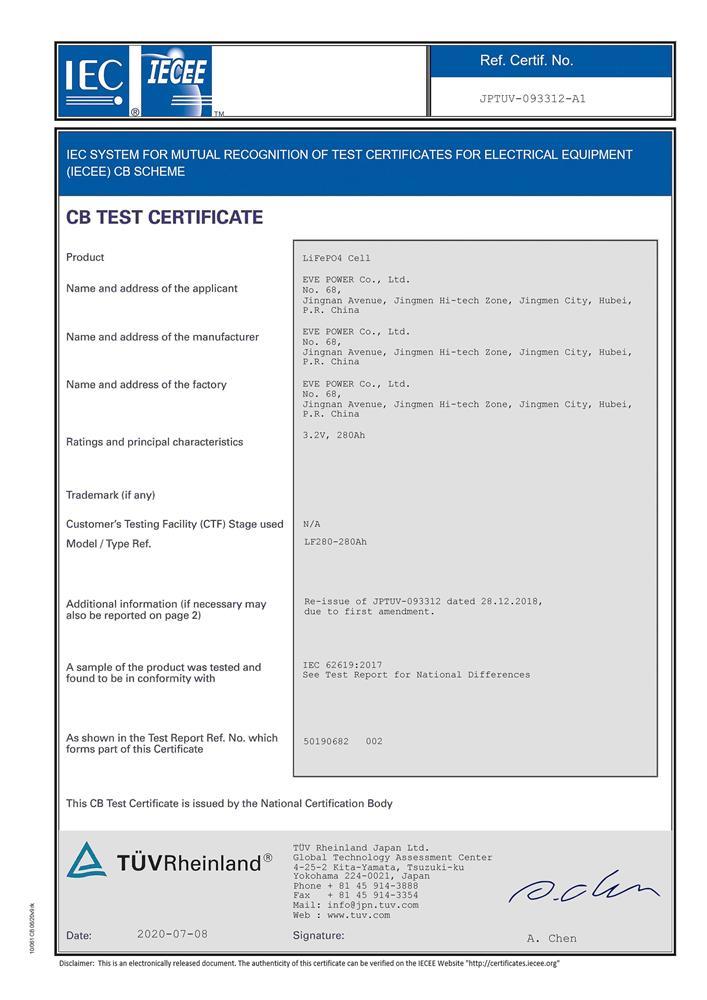
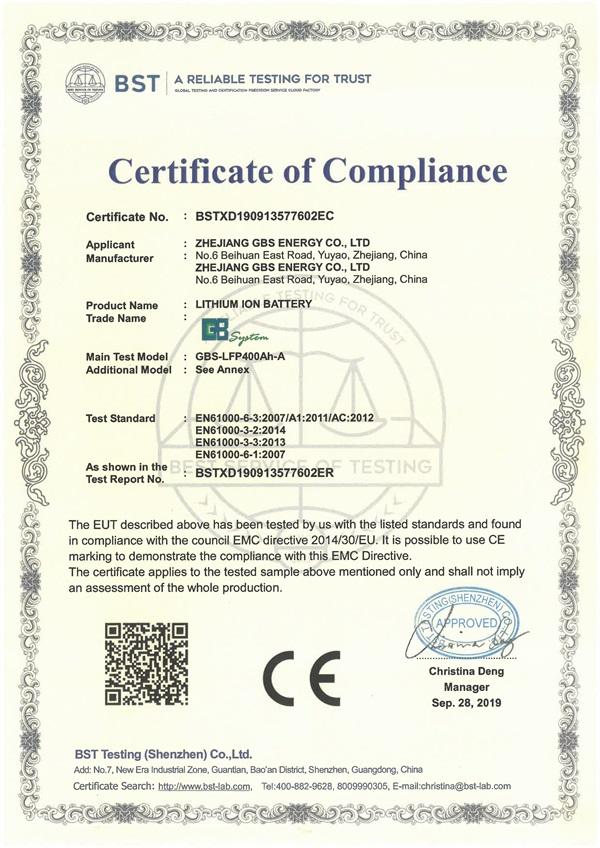
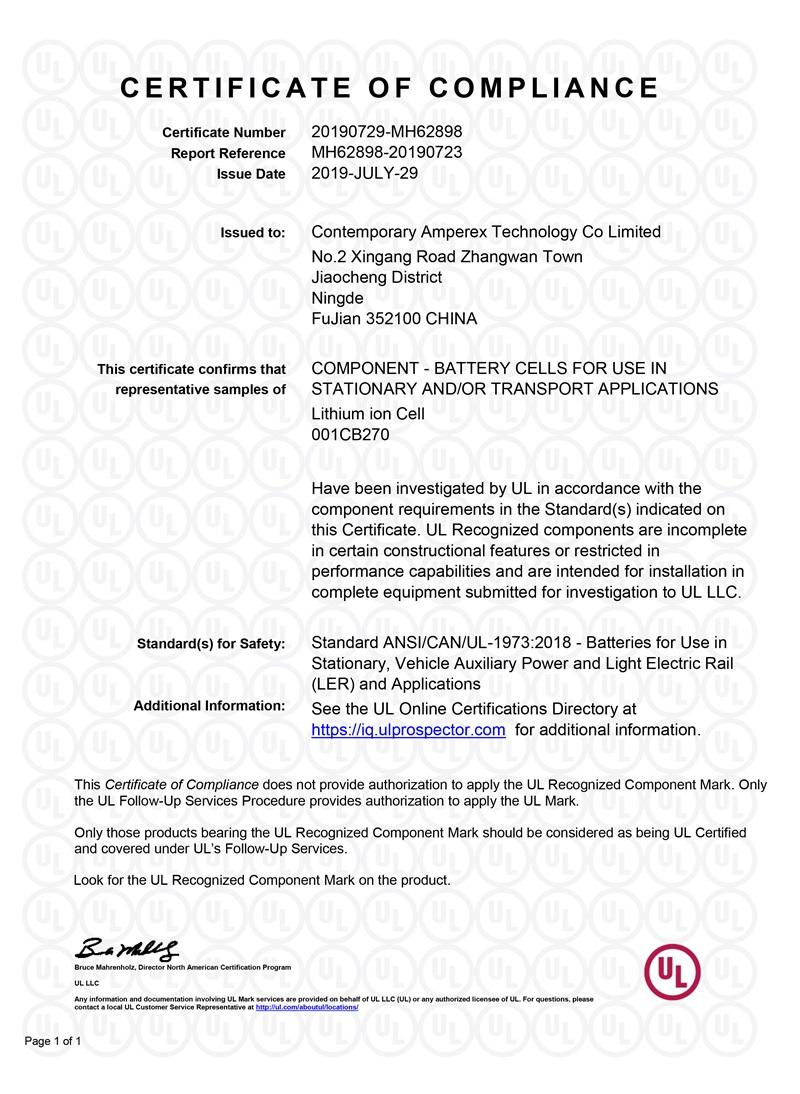
Look for batteries that have built-in safety features, such as protection against overheating, overcharging, and short circuits. Certifications like UL, CE, and RoHS indicate that the battery meets industry standards for safety.
6. Trusted Brands
Always purchase batteries from reputable brands or trusted suppliers. This ensures that you get a high-quality product with reliable specifications and warranty support.
Battery Maintenance: Extending the Life of Your ATV Battery
Proper care is essential for ensuring that your ATV battery lasts as long as possible. Regular maintenance will help you avoid unexpected failures and keep your ATV running smoothly.
Storage and Disposal
- Store in a cool, dry place: Avoid storing your ATV battery in extreme temperatures or direct sunlight.
- Avoid overcharging: Overcharging can shorten the lifespan of your battery.
- Proper disposal: When your battery reaches the end of its life, recycle it at a certified center to protect the environment.
Extending Battery Life
- Use the correct charger for your battery type.
- Avoid long periods of disuse: If you don’t use your ATV for extended periods, ensure the battery is charged regularly.
- Clean terminals: Check for rust or corrosion and clean the terminals with a dry cloth.
- Check for damage: Regularly inspect your battery for cracks, leaks, or any signs of wear.
Signs of a Failing ATV Battery
If your ATV starts showing signs of sluggishness or poor performance, it may be time to replace the battery. Common symptoms of a failing battery include:
- Slow engine start
- Dim headlights
- Shorter runtime
- Strange noises or difficulty starting
If you notice these signs, it’s a good idea to test your battery with a multimeter. A voltage reading lower than the recommended level means it’s time for a replacement.
Conclusion
Choosing the right ATV battery is crucial for ensuring that your vehicle is ready for action whenever you hit the trails. Whether you opt for a lead-acid, AGM, gel, or lithium-ion battery, understanding your needs and maintaining your battery properly will keep your ATV running smoothly. By selecting the right battery and following proper care guidelines, you’ll enjoy reliable power for your off-road adventures for years to come.
Looking for the perfect battery for your ATV? Contact our expert team today for personalized recommendations and the best battery solutions for your needs!
FAQ
1. What is the average lifespan of an ATV battery?
The average lifespan of an ATV battery is between 2 to 5 years, depending on the battery type, usage, and maintenance. Lithium batteries tend to last longer than lead-acid batteries.
2. Can I use a car battery in my ATV?
No, car batteries are designed for different requirements and are generally too large and too powerful for ATVs. Always choose a battery specifically designed for four-wheelers.
3. How often should I replace my ATV battery?
It’s recommended to replace your ATV battery every 3 to 5 years. However, if you notice issues like slow starts or dim lights, it may be time for a replacement sooner.
4. Do ATV batteries charge while riding?
Yes, the ATV’s alternator charges the battery while riding, but this may not fully charge a weak or dead battery. Always ensure your battery is in good condition to prevent issues while on the trail.
- Next:Functions and Applications of a Battery Management System (BMS)
- Previous:How to Calculate the LiFePO4 Battery Capacity You Need
Contact Details
Lithium LiFePO4 Batteries and Lithium LiFePO4 Cells Supplier - LiFePO4 Battery Shop
Contact Person: Miss. Elena Wang
WhatsApp : +8615263269227
Skype : +8615263269227
WeChat :15263269227
Email : info@lifepo4batteryshop.com
All Products
- TC Elcon Charger (0)
- Headway Lithium Battery (6)
- Blade Battery (9)
- Semi Solid State Battery (6)
- A123 Battery (5)
- Sinopoly Battery (7)
- GBS Battery (16)
- CALB Battery (22)
- Cylindrical Cell (6)
- Energy Storage System (0)
- Battery Management System (5)
- Sodium ion Battery Cell (4)
- Lithium Titanate Battery (20)
- Ternary Lithium Battery Cell (11)
- REPT Battery (10)
- BYD Battery (2)
- CATL Battery (14)
- Thunder Sky Winston Battery (21)
- EVE Battery (30)
- LiFePO4 Battery Cell (4)
Certification
Customer Reviews
- I have fond memories of our meeting in Shanghai with LiFePO4 Battery Shop Elena. Your company left a strong impression on me with its impressive growth and professionalism. We both value straightforwardness and honesty, which I believe are the most important qualities in any partnership. I am confident that we can build a successful collaboration based on these shared values. —— Robert from USA
- I've been working with LiFePO4 Battery Shop for years, and their reliability is unmatched. While other suppliers frequently change sales teams, LiFePO4 Battery Shop has consistently provided exceptional service with a stable team. Their commitment to quality and customer support truly sets them apart. —— Henry from Australia