
Blog
What Do Amp Hours Really Tell You About a Battery?
2025-10-16 | Calvin

When shopping for batteries—whether for solar energy storage, electric vehicles, or backup power systems—you'll encounter a range of specifications: amp hours (Ah), cold cranking amps (CCA), voltage, cycle life, and more. Among these, amp hours are one of the most misunderstood yet frequently cited battery ratings. So, what exactly do amp hours tell you? And just as importantly, what don’t they tell you?
In this article, we’ll break down what amp hours really mean in practical terms, how they relate to battery performance, and how you can use this information to choose the right LiFePO4 battery (lithium iron phosphate battery) for your needs.
What Is an Amp Hour (Ah)?
An amp hour (Ah) is a unit that describes the amount of electrical charge a battery can deliver over time. Specifically, it refers to the amount of current a battery can supply for one hour. For example, a 10Ah battery can theoretically deliver 10 amps for one hour, or 1 amp for 10 hours, under ideal conditions.
In smaller devices, you might also see this rating expressed as mAh (milliamp hours). However, real-world power consumption is rarely consistent, so while Ah gives a general indication of battery capacity, it doesn’t tell the full story about how long a battery will last in actual use.
Battery Capacity vs. Performance
The amp hour rating is most useful when comparing battery capacity under the same voltage and load conditions. For instance:
- A 10Ah battery can typically last twice as long as a 5Ah battery if the power draw remains constant.
- However, if you're using a device that draws power unevenly—like an electric scooter climbing hills or a solar system under fluctuating sunlight—other factors like discharge rate, temperature, and battery chemistry will also impact real-world performance.
🔋 Important Distinction: Ah ≠ Runtime Guarantee
Many people assume that a 10Ah battery will run their device for 10 hours. This is not necessarily true. The actual runtime depends on:
- The amp draw of the device
- The voltage of the battery
- The efficiency of the power conversion
- Environmental conditions such as temperature
The Role of Voltage and System Compatibility
Amp hours tell us about capacity, but they do not define power output alone. Voltage is the other half of the equation. For example:
A 12V 100Ah battery stores the same total energy (1,200Wh) as a 24V 50Ah battery. The amp hours differ, but the energy capacity is equivalent.
When evaluating batteries—especially for high-demand systems like off-grid solar or RV power—you need to look at both voltage and amp hours to ensure compatibility with your system.
How to Use Amp Hours in Real-World Battery Selection
The most practical use of amp hour ratings is comparing batteries side-by-side. If two batteries are the same voltage and chemistry, the one with the higher Ah rating will generally:
- Run your device longer
- Require fewer recharges
- Handle higher loads more effectively
This is especially valuable for LiFePO4 batteries, which are known for their stable voltage curves and deep cycle performance.
However, remember that battery aging affects capacity. Over time, a battery will deliver fewer amp hours than when it was new. If your battery starts discharging significantly faster than before, it's a clear sign that a replacement may be needed.
Conclusion
- Amp hours measure capacity, not runtime or power output.
- Higher Ah = longer runtime, but only if all other factors (voltage, load) are equal.
- Always consider voltage, temperature, and discharge rate when evaluating battery performance.
- Use Ah as a comparison tool, not a guarantee of performance.
- Next:How to Charge a Lithium Battery: Step-by-Step Process
- Previous:Tesla Battery Types: A Simple Guide for Model S, 3, X, and Y
Contact Details
Lithium LiFePO4 Batteries and Lithium LiFePO4 Cells Supplier - LiFePO4 Battery Shop
Contact Person: Miss. Elena Wang
WhatsApp : +8615263269227
Skype : +8615263269227
WeChat :15263269227
Email : info@lifepo4batteryshop.com
All Products
- A123 Battery (5)
- Sinopoly Battery (7)
- GBS Battery (16)
- CALB Battery (22)
- Cylindrical Cell (3)
- Energy Storage System (0)
- Battery Management System (2)
- Sodium ion Battery Cell (3)
- Lithium Titanate Battery (16)
- Ternary Lithium Battery Cell (11)
- REPT Battery (8)
- BYD Battery (2)
- CATL Battery (14)
- Thunder Sky Winston Battery (21)
- EVE Battery (29)
- LiFePO4 Battery Cell (4)
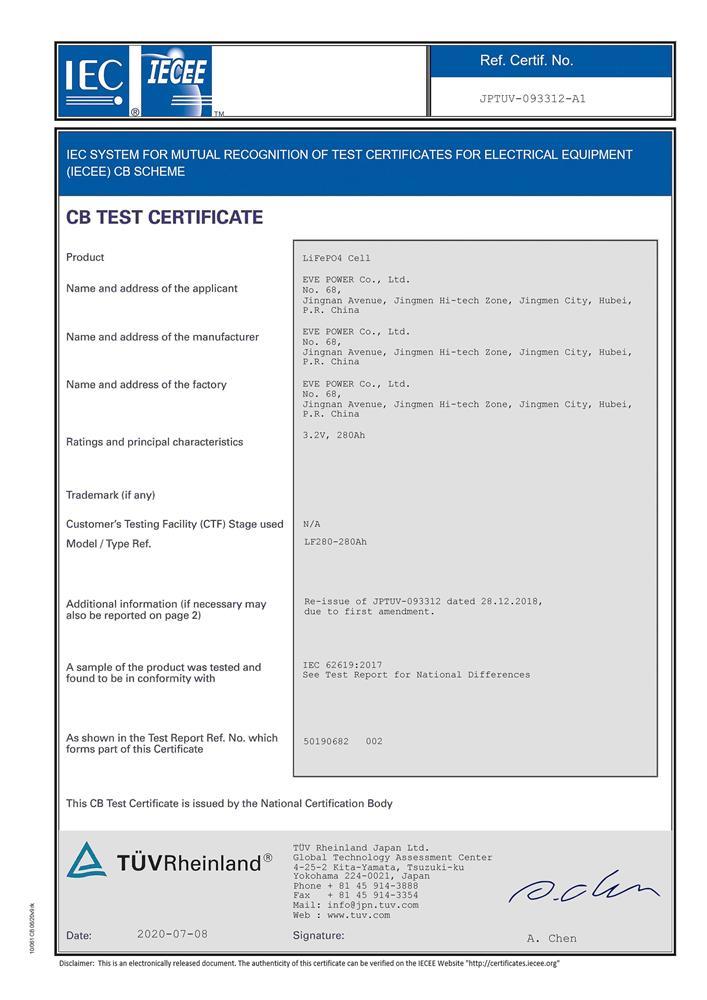
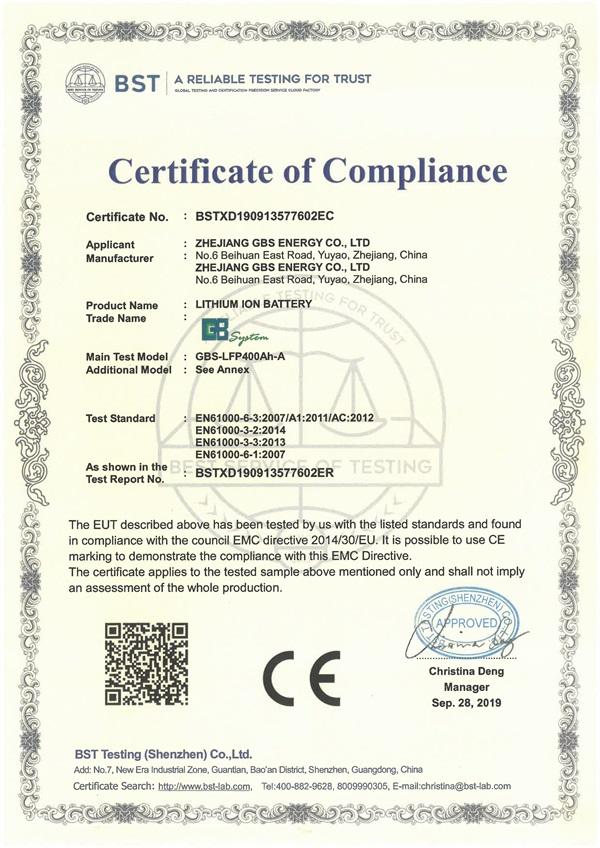
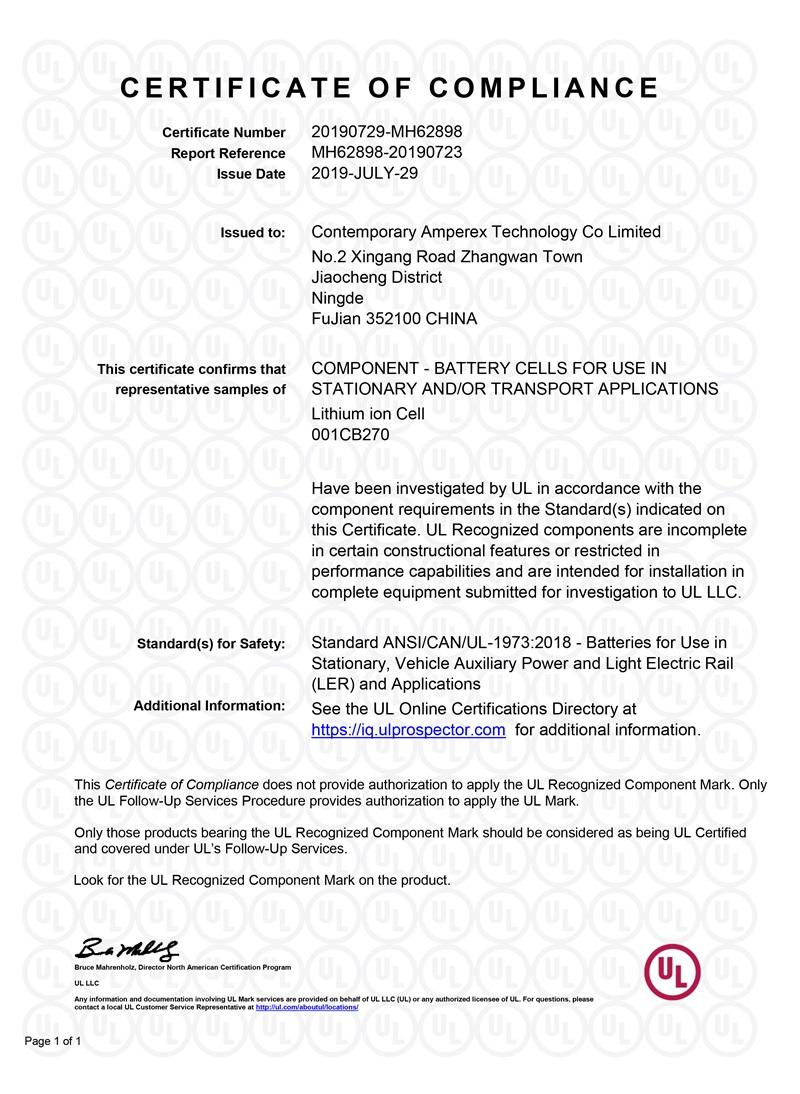
Certification
Customer Reviews
- I have fond memories of our meeting in Shanghai with LiFePO4 Battery Shop Elena. Your company left a strong impression on me with its impressive growth and professionalism. We both value straightforwardness and honesty, which I believe are the most important qualities in any partnership. I am confident that we can build a successful collaboration based on these shared values. —— Robert from USA
- I've been working with LiFePO4 Battery Shop for years, and their reliability is unmatched. While other suppliers frequently change sales teams, LiFePO4 Battery Shop has consistently provided exceptional service with a stable team. Their commitment to quality and customer support truly sets them apart. —— Henry from Australia