
Blog
48V 100Ah LiFePO4 Server Rack Battery Lifespan: Complete Guide
2026-07-31 | Calvin
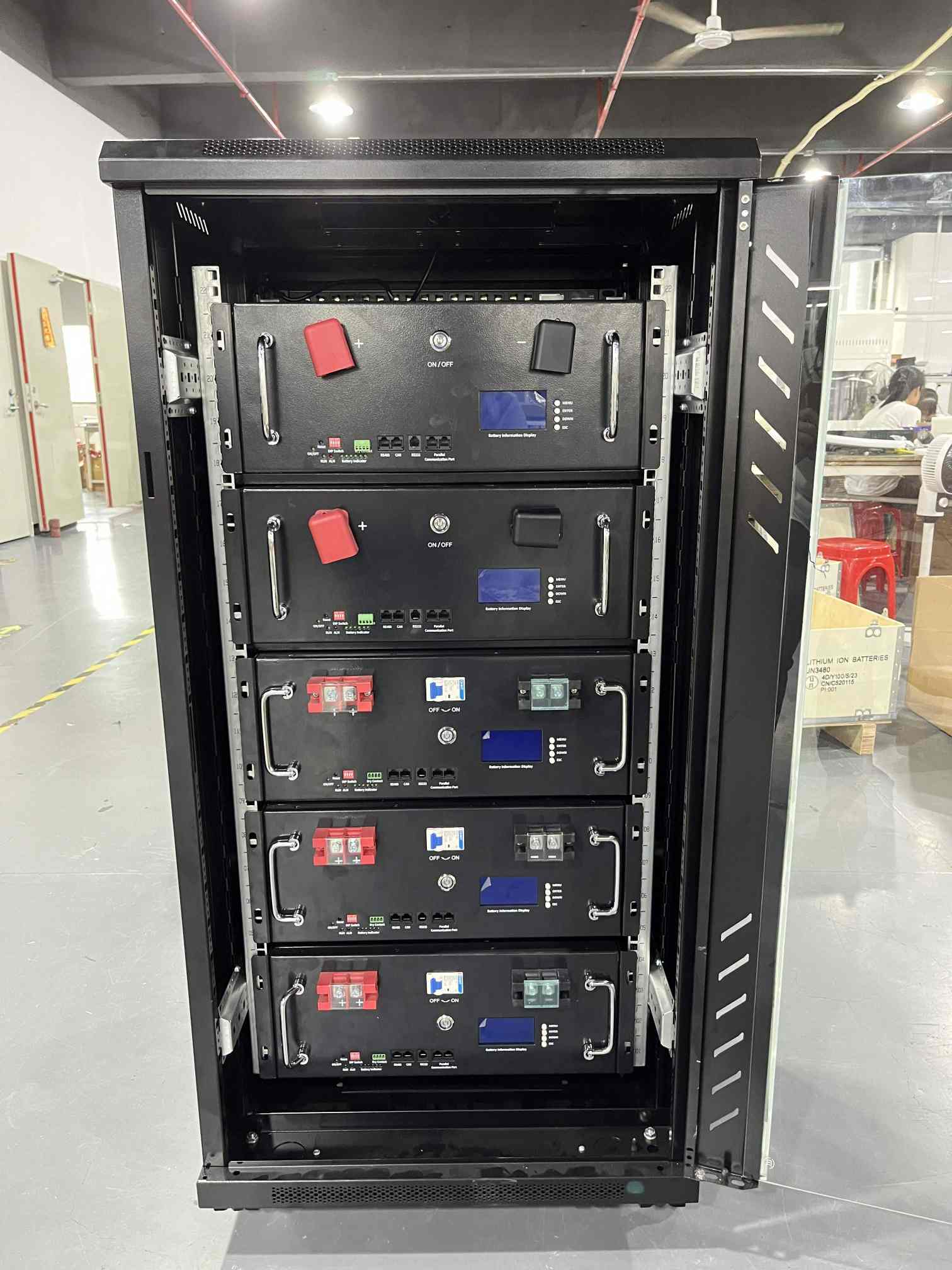
A 48V 100Ah LiFePO4 server rack battery is a popular energy storage solution for data centers, telecommunications systems, solar energy storage, and backup power applications. One of the biggest reasons businesses choose lithium iron phosphate (LiFePO4) technology is its long service life, reliability, and low maintenance requirements.
Under normal operating conditions, a high-quality 48V 100Ah LiFePO4 server rack battery can typically provide thousands of charge cycles and many years of dependable operation. In backup applications where the battery is not deeply discharged every day, the service life can extend well beyond typical cycle ratings.
However, battery lifespan is not determined by cycle count alone. Factors such as depth of discharge, temperature, charging methods, battery management systems, and operating environment all influence how long the battery will continue delivering reliable performance.
Quick Answer: How Long Does a 48V 100Ah LiFePO4 Server Rack Battery Last?
A 48V 100Ah LiFePO4 server rack battery typically lasts:
- 3,000–5,000+ charge cycles depending on battery design and usage conditions.
- 8–14 years when cycled daily.
- 10–15+ years in many backup power applications with proper maintenance.
The actual lifespan depends on how deeply the battery is discharged, how often it cycles, and the environment where it operates. Server rack batteries used mainly for backup power often last longer because they spend most of their time in standby mode rather than completing daily deep discharge cycles.
Understanding a 48V 100Ah LiFePO4 Battery
Before discussing lifespan, it is important to understand what the specifications "48V" and "100Ah" mean.
What Does 48V Mean?
The voltage rating represents the electrical potential of the battery pack. A typical "48V" LiFePO4 battery actually operates around 51.2V nominal because it is commonly built using sixteen lithium iron phosphate cells connected in series.
A typical configuration:
16 cells × 3.2V = 51.2V nominal voltage
This voltage level is widely used in server rack systems because it provides an efficient balance between power delivery, current requirements, and system compatibility.
What Does 100Ah Mean?
Amp-hours (Ah) describe the battery's storage capacity. A 100Ah battery can theoretically provide:
- 100 amps for 1 hour
- 10 amps for 10 hours
- 5 amps for 20 hours
For energy storage systems, watt-hours provide a more useful measurement.
How Much Energy Does a 48V 100Ah LiFePO4 Battery Store?
Battery energy can be calculated using this formula:
Energy (Wh) = Voltage (V) × Capacity (Ah)
For a 48V 100Ah battery:
48V × 100Ah = 4,800Wh
This means a 48V 100Ah LiFePO4 server rack battery stores approximately:
4.8kWh of energy
This capacity makes it suitable for:
- Server backup power
- Telecommunication equipment
- Solar energy storage
- Off-grid power systems
- Industrial backup applications
Average Lifespan of LiFePO4 Server Rack Batteries
LiFePO4 chemistry is known for its excellent cycle durability compared with many traditional battery technologies. A properly managed battery can maintain useful capacity for many years before replacement becomes necessary.
| Usage Scenario | Expected Lifespan |
|---|---|
| Daily deep cycling | Approximately 8–14 years |
| Moderate cycling | 10+ years possible |
| Backup/UPS application | 10–15+ years possible |
| Poor conditions and heavy stress | Shorter lifespan |
Understanding LiFePO4 Battery Cycle Life
Cycle life refers to the number of complete charge and discharge cycles a battery can perform before its capacity decreases significantly.
For example:
A battery rated for 5,000 cycles:
5,000 cycles ÷ 365 days = approximately 13.7 years
This calculation assumes one full cycle every day. Many server rack systems experience fewer full cycles because batteries are mainly used during outages or emergency situations.
Cycle Life vs Calendar Life: What Is the Difference?
Cycle Life
Cycle life measures battery wear caused by repeated charging and discharging.
Factors affecting cycle life include:
- Depth of discharge
- Charging speed
- Discharge current
- Operating temperature
Calendar Life
Calendar life refers to battery aging over time even when the battery is not heavily used.
This is especially important for:
- UPS systems
- Emergency backup power
- Telecom infrastructure
- Data centers
Factors That Affect the Lifespan of a 48V 100Ah LiFePO4 Server Rack Battery
Although LiFePO4 batteries are known for their long service life, operating conditions have a major impact on how many years a server rack battery can provide reliable performance.
Two identical batteries can have very different lifespans depending on how they are installed, charged, and used.
1. Depth of Discharge (DoD)
Depth of discharge refers to how much of the battery capacity is used before recharging.
A battery discharged from 100% to 20% has an 80% depth of discharge. A battery discharged only to 50% experiences less chemical stress.
| Depth of Discharge | Effect on Battery Life |
|---|---|
| 20–50% DoD | Excellent for maximum lifespan |
| 50–80% DoD | Good balance between capacity and lifespan |
| 80–100% DoD | Higher stress and faster degradation |
For server rack applications, avoiding unnecessary deep discharges can significantly extend battery life. Many backup systems only use the battery during power interruptions, which naturally reduces cycling stress.
2. Operating Temperature
Temperature is one of the most important factors affecting lithium battery aging.
LiFePO4 batteries perform best in controlled environments with moderate temperatures. Excessive heat accelerates chemical degradation, while extreme cold can reduce available capacity.
| Temperature Condition | Battery Impact |
|---|---|
| 15°C–25°C | Ideal operating range |
| 25°C–35°C | Acceptable but faster aging may occur |
| Above 40°C | Accelerated capacity loss |
| Below 0°C | Charging performance may be reduced |
Best Temperature Practices
- Install batteries in a temperature-controlled environment.
- Avoid placing batteries near heat sources.
- Maintain proper airflow around rack batteries.
- Monitor temperature using the battery management system.
3. Charging and Discharging Rate
The speed at which a battery charges and discharges affects internal stress and long-term durability.
A battery operating continuously at extreme charge or discharge rates will generally degrade faster than one operating within recommended limits.
Best Charging Practices
- Use a charger compatible with LiFePO4 chemistry.
- Avoid unnecessary high-current charging.
- Use temperature monitoring during charging.
- Follow manufacturer charging parameters.
Best Discharge Practices
- Avoid continuous operation at maximum output.
- Select battery capacity according to actual power requirements.
- Allow proper ventilation during heavy loads.
4. Battery Management System (BMS) Protection
The Battery Management System (BMS) is one of the most important components inside a server rack battery.
A high-quality BMS protects the battery cells and improves reliability by continuously monitoring electrical and temperature conditions.
Key BMS Functions
- Cell balancing: Keeps individual cells at similar voltage levels.
- Overcharge protection: Prevents excessive charging voltage.
- Over-discharge protection: Prevents damaging deep discharge.
- Overcurrent protection: Protects against excessive electrical loads.
- Temperature monitoring: Helps prevent operation outside safe conditions.
5. Cycling Frequency
How often the battery is charged and discharged directly affects cycle life.
A solar storage battery that cycles every day will age differently from a server backup battery that only operates during power failures.
| Application | Typical Battery Usage | Lifespan Impact |
|---|---|---|
| Daily solar storage | Frequent charging and discharging | Higher cycle usage |
| UPS backup | Mostly standby operation | Longer practical lifespan |
| Telecom backup | Occasional emergency cycling | Extended service life |
6. Preventive Maintenance
LiFePO4 batteries require less maintenance than lead-acid batteries, but regular monitoring helps identify problems before they affect performance.
Recommended Maintenance Checklist
- Inspect battery connections regularly.
- Check communication between battery and inverter system.
- Monitor state of charge and battery health.
- Keep rack cabinets clean and dust-free.
- Verify proper ventilation.
- Review BMS alerts and system logs.
LiFePO4 Server Rack Battery vs Lead-Acid Battery Lifespan
Many organizations replace traditional lead-acid backup batteries with LiFePO4 server rack batteries because lithium technology offers longer service life and lower maintenance requirements.
| Feature | 48V 100Ah LiFePO4 | Lead-Acid Battery |
|---|---|---|
| Cycle Life | 3,000–5,000+ cycles | Typically much lower |
| Expected Service Life | 10+ years possible | Usually shorter |
| Usable Capacity | Higher usable energy | Limited discharge recommended |
| Weight | Lighter | Heavier |
| Maintenance | Low maintenance | Higher maintenance needs |
| Efficiency | Higher | Lower |
Why LiFePO4 Batteries Are Preferred for Server Racks
Server environments require reliable backup power because downtime can result in data loss, service interruptions, and financial impact.
LiFePO4 server rack batteries are increasingly selected because they provide:
- Long operating lifespan
- Stable voltage output
- High safety performance
- Lower maintenance requirements
- Better long-term cost efficiency
For mission-critical systems, the longer lifespan and reduced replacement frequency can significantly lower total ownership costs compared with shorter-life battery technologies.
Applications of 48V 100Ah LiFePO4 Server Rack Batteries
48V 100Ah LiFePO4 server rack batteries are designed for applications that require reliable energy storage, long backup duration, and minimal maintenance.
Their combination of high cycle life, stable performance, and compact rack-mount design makes them suitable for many critical power environments.
1. Data Centers and Server Rooms
Data centers rely on uninterrupted power to keep servers, networking equipment, and storage systems running. A LiFePO4 server rack battery can provide backup power during outages and help maintain system availability.
Benefits include:
- Reliable emergency backup power
- Long service intervals
- Reduced battery replacement frequency
- Compatibility with UPS systems
2. Telecommunications Infrastructure
Telecommunication systems often require backup power in remote locations where maintenance access is limited.
LiFePO4 rack batteries are suitable for:
- Communication towers
- Network equipment
- Remote monitoring stations
- Industrial communication systems
3. Solar Energy Storage Systems
Many solar installations use 48V battery systems because they provide efficient energy storage while reducing current compared with lower-voltage systems.
Common uses include:
- Residential solar backup
- Commercial energy storage
- Off-grid power systems
- Microgrid applications
4. Industrial Backup Power
Industrial facilities use rack-mounted lithium batteries for equipment that requires dependable power during interruptions.
Examples include:
- Automation systems
- Control equipment
- Monitoring systems
- Emergency power systems
Signs That a 48V 100Ah LiFePO4 Battery May Need Replacement
Although LiFePO4 batteries can last many years, they eventually experience capacity reduction and performance decline.
Common signs that replacement may be required include:
Reduced Backup Runtime
If the battery no longer provides the expected backup duration, its usable capacity may have decreased significantly.
Increasing Voltage Instability
A healthy battery should maintain stable voltage during normal operation. Large voltage drops under normal loads may indicate aging cells or internal issues.
BMS Warning Alerts
Modern server rack batteries include monitoring systems that can report:
- Cell imbalance
- Temperature warnings
- Overcurrent events
- Reduced battery health
Visible Physical Damage
Inspect batteries regularly for:
- Damaged casing
- Corroded connections
- Swollen components
- Loose wiring
How to Maximize the Lifespan of a 48V 100Ah LiFePO4 Server Rack Battery
Following proper operating practices can significantly extend the service life of your battery system.
1. Avoid Unnecessary Deep Discharges
While LiFePO4 batteries tolerate deeper discharge better than many battery types, regularly avoiding extreme discharge levels can improve long-term durability.
2. Maintain Proper Temperature
Keep battery systems in environments with controlled temperature and good airflow.
- Avoid direct heat sources.
- Maintain proper ventilation.
- Monitor battery temperature continuously.
3. Use a Compatible Inverter and Charger
Incorrect charging parameters can reduce battery performance and shorten lifespan.
Always verify compatibility between:
- Battery voltage
- Charging voltage
- Maximum current
- Communication protocols
4. Monitor Battery Health
Battery monitoring systems provide valuable information about:
- State of charge (SOC)
- State of health (SOH)
- Cell voltage balance
- Temperature conditions
- Historical performance
5. Perform Regular Inspections
Preventive maintenance helps identify problems before they affect system reliability.
- Check connections
- Review system alarms
- Clean equipment areas
- Verify communication functions
Total Cost of Ownership: Is a LiFePO4 Rack Battery Worth It?
Although LiFePO4 batteries usually have a higher initial purchase cost than lead-acid alternatives, their longer lifespan and lower maintenance requirements can reduce overall costs over time.
| Cost Factor | LiFePO4 Server Rack Battery | Lead-Acid Battery |
|---|---|---|
| Initial Cost | Higher | Lower |
| Replacement Frequency | Less frequent | More frequent |
| Maintenance | Minimal | Higher |
| Service Life | Longer | Shorter |
| Long-Term Value | Usually better over system lifetime | Higher replacement costs |
Frequently Asked Questions About 48V 100Ah LiFePO4 Server Rack Batteries
How many years does a 48V 100Ah LiFePO4 battery last?
A 48V 100Ah LiFePO4 server rack battery can typically last around 10–15 years when properly maintained. Actual lifespan depends on cycling frequency, temperature, depth of discharge, and battery quality.
How many cycles can a 48V 100Ah LiFePO4 battery handle?
Many LiFePO4 server rack batteries are rated for approximately 3,000–5,000 or more charge cycles depending on design and operating conditions.
Can a 48V 100Ah LiFePO4 battery be used for solar storage?
Yes. These batteries are commonly used in solar storage systems because they provide high efficiency, long cycle life, and reliable energy storage.
What is the difference between 48V and 51.2V LiFePO4 batteries?
Many modern LiFePO4 systems labeled as 48V actually have a nominal voltage of 51.2V because they use sixteen 3.2V cells connected in series. The terms are often used interchangeably in battery system specifications.
How often should server rack batteries be maintained?
LiFePO4 batteries require less maintenance than traditional batteries, but regular monitoring, inspection, and system checks help maximize lifespan and reliability.
Can LiFePO4 batteries replace lead-acid UPS batteries?
In many applications, LiFePO4 batteries can replace lead-acid systems if voltage, charging requirements, physical installation, and communication compatibility are properly matched.
Final Thoughts: How Long Will a 48V 100Ah LiFePO4 Server Rack Battery Last?
A 48V 100Ah LiFePO4 server rack battery is designed for long-term, reliable energy storage. With thousands of charge cycles, excellent thermal stability, and low maintenance requirements, it can provide dependable backup power for many years.
In daily cycling applications, lifespan is often measured in many years, while backup power systems with occasional discharge events can achieve even longer service life.
To get the maximum lifespan from your battery system:
- Maintain suitable operating temperatures.
- Avoid unnecessary deep discharges.
- Use compatible charging equipment.
- Monitor battery health through the BMS.
- Perform regular inspections.
For businesses, data centers, and renewable energy systems, investing in a high-quality 48V 100Ah LiFePO4 server rack battery can provide reliable power protection while reducing long-term maintenance and replacement costs.
- Next:How Long Will a 100Ah Lithium Battery Run a 12V Fridge? Complete Guide
- Previous:Zinc Air Battery vs Lithium Ion Battery: Differences, Advantages & Applications
Contact Details
Lithium LiFePO4 Batteries and Lithium LiFePO4 Cells Supplier - LiFePO4 Battery Shop
Contact Person: Miss. Elena Wang
WhatsApp : +8615263269227
Skype : +8615263269227
WeChat :15263269227
Email : info@lifepo4batteryshop.com
All Products
- TC Elcon Charger (3)
- Headway Lithium Battery (6)
- Blade Battery (10)
- Semi Solid State Battery (6)
- A123 Battery (6)
- Sinopoly Battery (7)
- GBS Battery (16)
- CALB Battery (26)
- Cylindrical Cell (14)
- Energy Storage System (0)
- Battery Management System (15)
- Sodium ion Battery Cell (4)
- Lithium Titanate Battery (23)
- Ternary Lithium Battery Cell (12)
- REPT Battery (10)
- BYD Battery (5)
- CATL Battery (15)
- Thunder Sky Winston Battery (26)
- EVE Battery (37)
- LiFePO4 Battery Cell (37)
Certification
Customer Reviews
- I have fond memories of our meeting in Shanghai with LiFePO4 Battery Shop Elena. Your company left a strong impression on me with its impressive growth and professionalism. We both value straightforwardness and honesty, which I believe are the most important qualities in any partnership. I am confident that we can build a successful collaboration based on these shared values. —— Robert from USA
- I've been working with LiFePO4 Battery Shop for years, and their reliability is unmatched. While other suppliers frequently change sales teams, LiFePO4 Battery Shop has consistently provided exceptional service with a stable team. Their commitment to quality and customer support truly sets them apart. —— Henry from Australia