
News
Solid-State Battery Mass Production Expectations Cool; CATL Foresees Large-Scale Vehicle Integration Unlikely Before 2030
2026-06-25 | Calvin
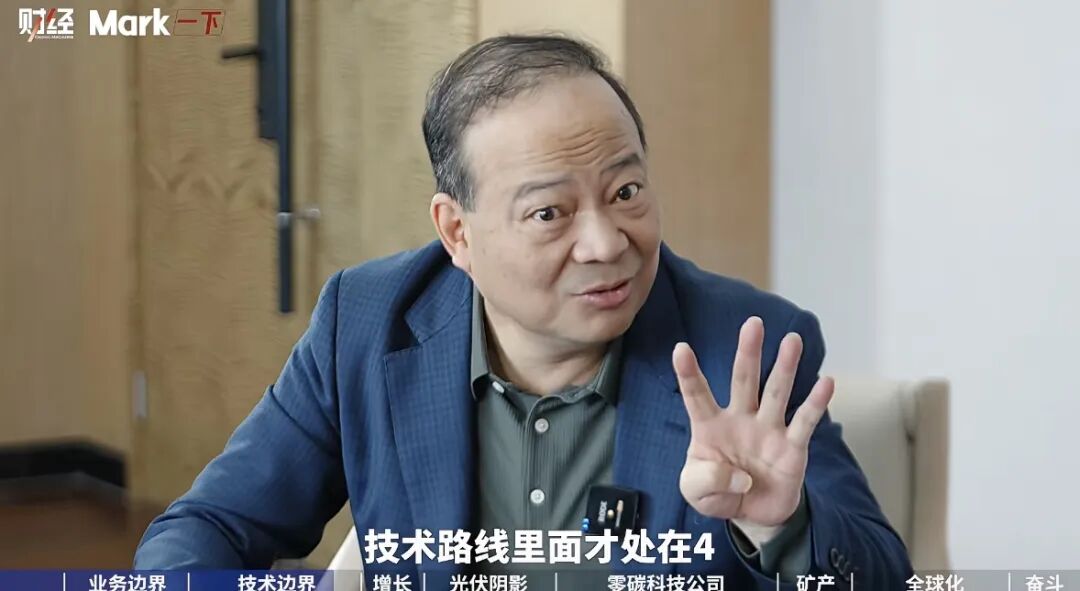
The all-solid-state battery long anticipated by automakers and consumers will not be widely available to ordinary households anytime soon. On June 16, Zeng Yuqun, Chairman of CATL, publicly stated that the probability of achieving a million-unit vehicle installation scale for all-solid-state batteries before 2030 is low. He also clarified the long-confused industry definitions of solid-state batteries, unpacked core bottlenecks hindering mass production, and put forward viable battery solutions for the current industrial stage.
Many car buyers have held off purchasing new energy vehicles in the past two years, pinning their hopes on all-solid-state batteries to resolve pain points including short driving ranges, slow charging speeds and safety risks. Some automakers have also unveiled R&D news for solid-state-equipped models in advance, stoking market expectations.
Multiple new vehicles marketed as featuring solid-state technology on the market are not genuine all-solid-state products as defined by industry standards.
Zeng Yuqun delivered a clear classification of battery categories: only cells with entirely solid internal electrolytes under normal temperature and atmospheric pressure qualify as standard all-solid-state batteries. Semi-solid and quasi-solid batteries circulating in the market do not fall under this category.
The industry adopts a nine-level system to evaluate technological maturity. At present, all-solid-state batteries overall have only reached Level 4.
This stage merely covers principle verification within laboratories, with multiple technical hurdles remaining before stable finished products and mass production lines can be established.
The core contradiction restricting mass production of all-solid-state batteries lies at the solid-solid interface.
The compaction parameters of electrode materials and solid electrolytes cannot be fully matched. Structural displacement tends to occur inside cells during high-pressure assembly, directly driving up internal resistance and accelerating cell degradation, making it difficult to mass-produce products with high and consistent yield rates.
Two core challenges must be resolved simultaneously to realize large-scale deployment for one million vehicles: first, guaranteeing long-term stable battery performance; second, bringing manufacturing costs down to levels acceptable for civilian consumer markets.
With these two major challenges compounded, large-scale commercial rollout will be difficult to achieve before 2030.
Even if ground-breaking technological breakthroughs are made in the future, early mass-produced all-solid-state batteries will initially be fitted exclusively to high-end models and cannot be rapidly rolled out to affordable family cars.
Technological R&D cannot be decoupled from actual market demand; blindly chasing the solid-state concept bears no practical value.
Zeng Yuqun argued that the core logic of battery technological iteration lies in balancing practical usability and commercialization costs, and the sole pursuit of a solid electrolyte form runs counter to the laws of industrial development.
The condensed-matter semi-solid batteries currently being advanced for commercial launch by CATL represent a technical route better aligned with current industrial capabilities.
Per the company’s roadmap, small-batch vehicle installation of this semi-solid battery will kick off this year through next year, serving as the primary transitional solution to boost the driving range and safety performance of new energy vehicles.
This explicit forecast from the industry leader sends a clear signal to consumers and automakers with overblown expectations: there is no need to delay purchasing new energy vehicles waiting for all-solid-state battery mass production in the short term. Improved semi-solid batteries are a more mature and readily deployable technical option available today.
- Next: SOLiTHOR Unveils 10Ah Prototype Solid-State Battery Cell with 465Wh/kg Energy Density
- Previous: TSEE 2026 | BYD Energy Storage Unveils Residential Energy Ecosystem & Battery-Box Mega to Empower Europe
Contact Details
Lithium LiFePO4 Batteries and Lithium LiFePO4 Cells Supplier - LiFePO4 Battery Shop
Contact Person: Miss. Elena Wang
WhatsApp : +8615263269227
Skype : +8615263269227
WeChat : 15263269227
Email : info@lifepo4batteryshop.com
All Products
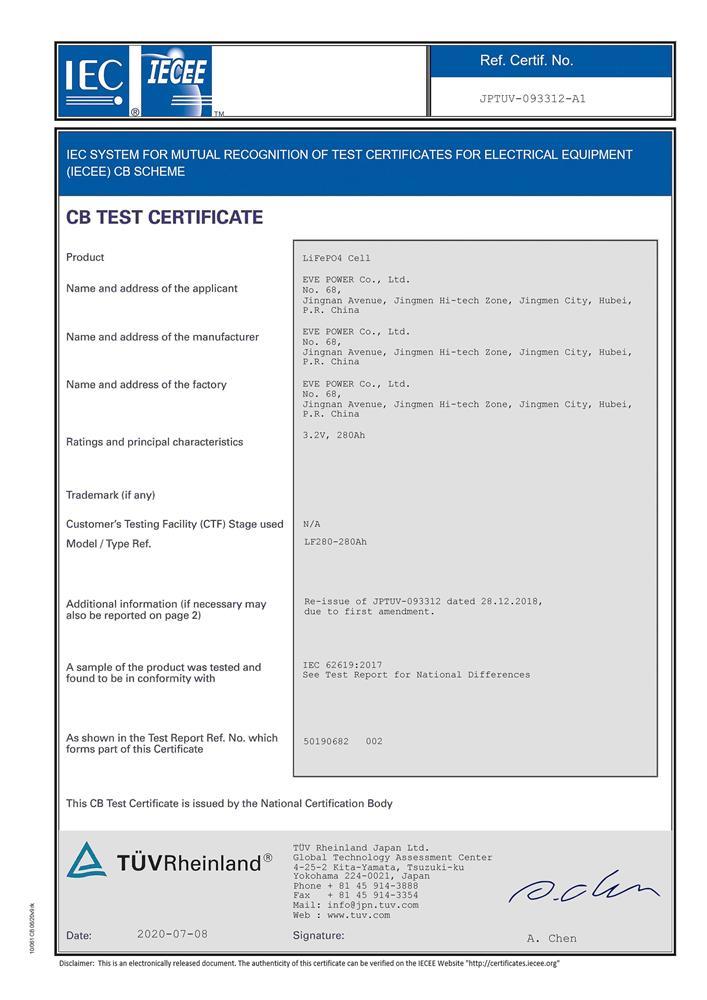
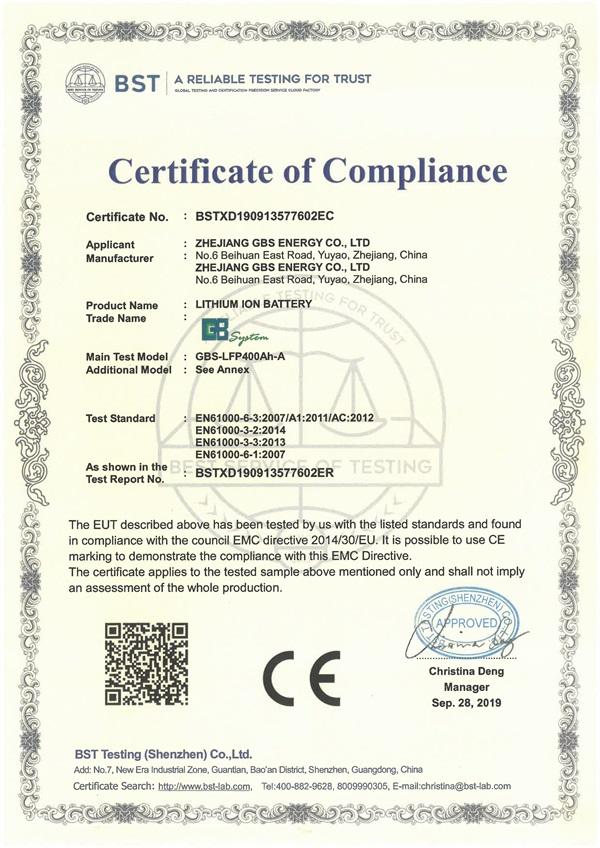
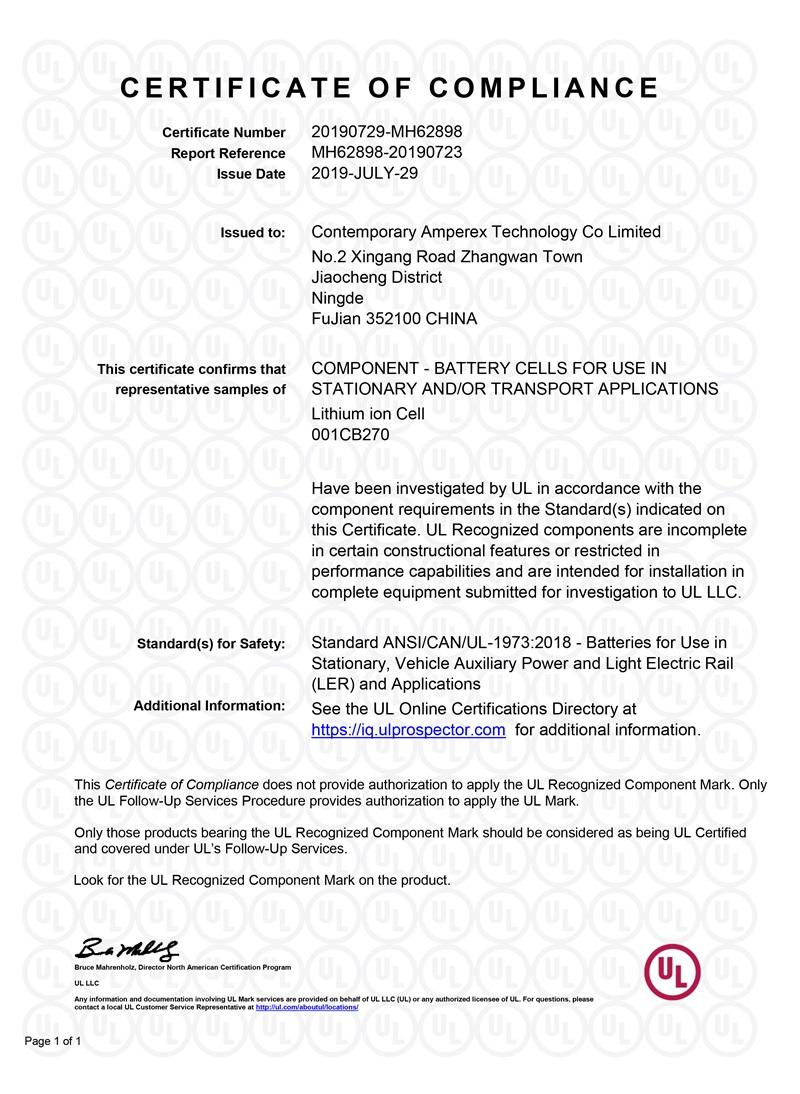
Certification
Customer Reviews
- I have fond memories of our meeting in Shanghai with LiFePO4 Battery Shop Elena. Your company left a strong impression on me with its impressive growth and professionalism. We both value straightforwardness and honesty, which I believe are the most important qualities in any partnership. I am confident that we can build a successful collaboration based on these shared values. —— Robert from USA
- I've been working with LiFePO4 Battery Shop for years, and their reliability is unmatched. While other suppliers frequently change sales teams, LiFePO4 Battery Shop has consistently provided exceptional service with a stable team. Their commitment to quality and customer support truly sets them apart. —— Henry from Australia